







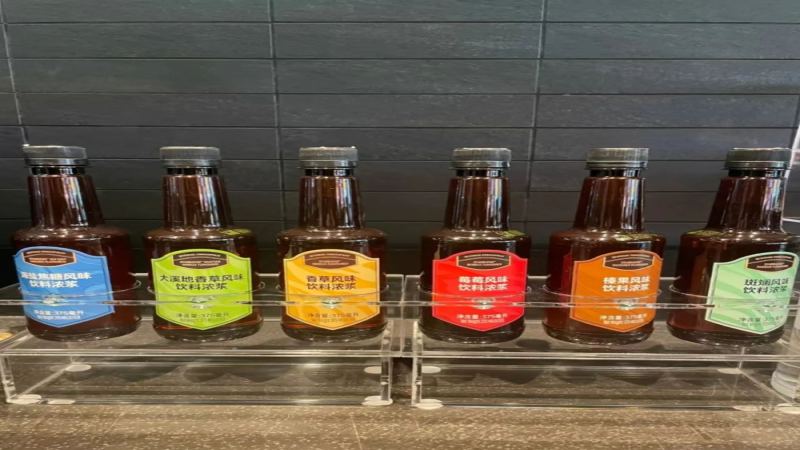
What is coffee sugar under Starbucks' new syrup system?
Starbucks rolled out a syrup overhaul in China, separating flavor concentrate from syrup so customers pick flavor and sweetness independently. The free pump-by-pump adjustment was removed and replaced by three categories: classic sugar, zero-calorie sweetener, and no added sugar, each with less sweet and standard sweet options. Customers and baristas both report confusion with the new labels.
Under the old system, drinkers customised drinks by choosing pump counts and mixing syrups, a method many had memorized. The new page offers no pump control, so regulars say they no longer know how to order, and baristas face more complex tickets. The change targets sugar-conscious buyers, but its reception shows how attached customers are to the previous ordering routine.
Recently, Starbucks has rolled out a major syrup overhaul in China, splitting flavored syrups into two separate parts: flavor and syrup, so customers can choose their flavor concentrate and sweetness level independently. The new rules appear to cater to the sugar-conscious crowd, but after launch they sparked a wave of complaints: the old feature that allowed free adjustment of syrup by number of pumps has been removed, replaced by three major categories—classic sugar, zero-calorie sweetener, and no added sugar—along with two sub-options: less sweet and standard sweet. Customers accustomed to ordering by pump count are saying they no longer know how to order, and baristas are also getting headaches from the complicated labels. What exactly are the inconveniences brought by this revamp? What are the real reactions from users and baristas? This article takes you through it.
▲
Click to follow | Daily specialty coffee culture magazine Coffee Workshop
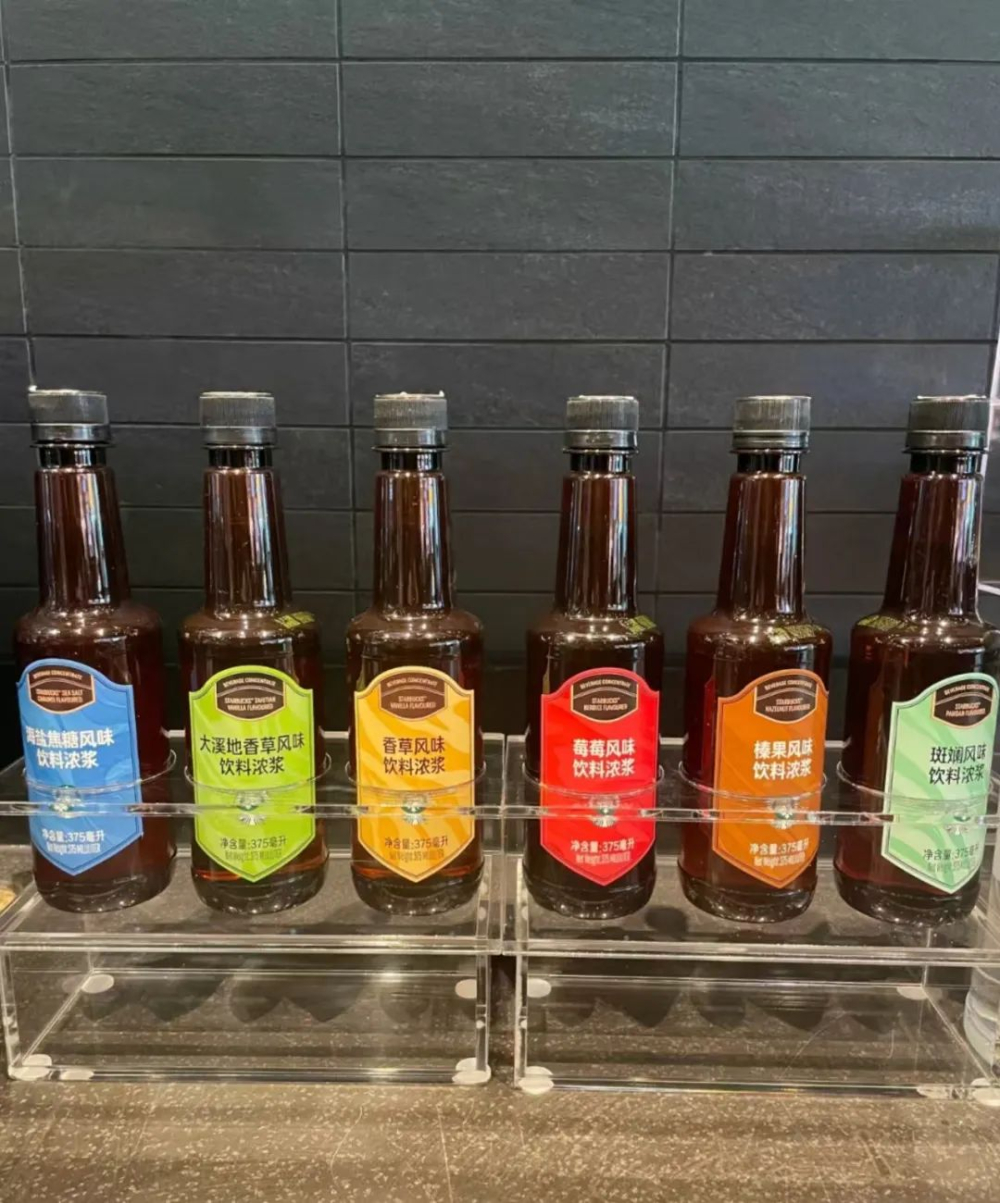
Yesterday, Starbucks launched a "major syrup reform" in China, splitting the previous flavored syrups into two independent options: "flavor" and "syrup." In other words, customers can separately choose their preferred flavor concentrate and then adjust the drink's sweetness level according to their personal taste.
This adjustment clearly accommodates those who want flavor but not too much sweetness, and also makes sugar-conscious consumers feel very cared for, as they feel they can finally order a vanilla-flavored latte with peace of mind, without worrying about excessive sugar.
However, when everyone eagerly opened the official app, ready to try a new drink, many were stunned as soon as they saw the completely revamped ordering page, saying they didn't know how to order.
In the previous Starbucks ordering system, customers could adjust the number of syrup pumps in a drink as needed and could also add other flavored syrups to the drink. The operation was a bit like doing a chemistry experiment—freely choosing one pump of vanilla syrup, one pump of hazelnut syrup, etc., to mix their preferred coffee.
(The left image shows the old app interface, the right image shows the new app interface)
But the upgraded ordering system has removed the previous feature of freely adjusting syrup pumps, instead offering three major categories: "Classic Sugar," "0-Calorie Sweetener," and "No Added Sugar," along with two further subdivided sub-options: "Less Sweet" and "Standard Sweet."
This change in the sweetness selection method left customers accustomed to ordering by syrup pumps at a loss, not knowing how to choose to get the taste they like. Some ordered according to the literal meaning, only to find the "less sweet" drink they bought was far from the expected sweetness. Some complained, "I ordered a Yuanyang with less sugar, and it was very sweet," while others grumbled, "I ordered the sea salt iced drink and it was so sweet with less sugar," and "Less sugar is too sweet for me."
This situation left many longtime users deeply confused, feeling that Starbucks' newly introduced sweetness standards were like doing reading comprehension, far less intuitive and easy to understand than the previous "number of pumps of sugar," and pointed out that the upgraded ordering system is not friendly to customers seeking personalized customization.
Interestingly, Starbucks baristas feel the same way. They mentioned that the current "Less Sweet" is actually just "Standard Sweet" minus one pump of syrup, which isn't hard to remember. But because zero-calorie sweetener and multiple flavor concentrate options have been added, making drink labels has become somewhat cumbersome.
For baristas who haven't yet adapted to the new process, facing this label that looks like an ancient scroll, just reading the contents takes quite a while. Some workers helplessly said that for every drink they make, they have to repeatedly confirm whether to add sugar, which type of sugar, and how much, for fear that a moment of carelessness would lead to adding too much syrup or mixing up ingredients, and they even joked, "After the syrup change, I don't even know how to make coffee anymore."
In response, whether consumers at a loss with the new interface or baristas getting headaches at the sight of the new labels, all are complaining that Starbucks' new standards after the revamp are baffling, and can't help but miss the "old era" they just said goodbye to, lamenting that the previous drink customization options were far less complicated and confusing than now, and calling on the official side to listen more to user feedback and restore the original syrup customization feature.
Image source: Xiaohongshu
Disclaimer: Some images in this article are from the internet. For some content on the website, such as images, we will respect the original copyright and indicate the source. However, due to the large quantity, some images and texts may not have been credited in time. Please understand. If the original author has any disputes, they can contact the website for handling. Once verified, we will correct it immediately. Compiled and edited by "Coffee Workshop." Please indicate the source when reposting. If there is infringement, please inform us for deletion. Thank you~!
The above content is compiled by CoffeeHunters, a coffee news website.


