







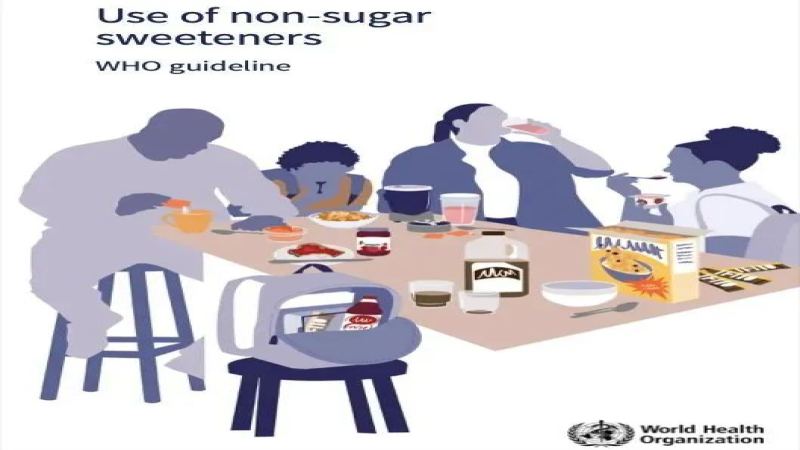
What Do the New WHO Sweetener Rules Mean for Coffee?
The World Health Organization's new guideline on non-sugar sweeteners states that non-nutritive sweeteners do not help with weight loss and may raise the risk of obesity, type 2 diabetes, and cardiovascular disease. Sugar alcohols are treated as a partial exception because they provide some energy. The finding matters for daily habits, including the types of sugar for coffee people choose.
The guidance points to how sweeteners can affect satiety and lead people to eat more. A 2021 University of Southern California study found artificial sweeteners can interfere with brain activity and appetite regulation. Consumers should check labels on zero-sugar products, since blended formulas are common. The article notes sweeteners are not a monster; overall lifestyle adjustment remains the basis of health and weight control.
In recent years, zero-calorie sugar substitute products have been labeled as healthy and are highly sought after by consumers who want sweetness without the fear of gaining weight. However, the World Health Organization's newly released guideline on non-sugar sweeteners has directly torn off this filter—those non-nutritive non-sugar sweeteners not only fail to help with weight loss, but may actually increase the risk of obesity, diabetes, and cardiovascular disease. This article outlines the specific types of sugar substitutes named by the WHO, why sugar alcohols are a relative exception, how sugar substitutes can make people eat more by affecting satiety, and the 2021 University of Southern California research evidence on how artificial sweeteners interfere with brain activity and appetite. It also reminds consumers to pay attention to the common blended formulas in zero-sugar products sold in supermarkets. At the end, it emphasizes that sugar substitutes are not a monster, but the foundation of health and weight loss still lies in adjustments to one's overall lifestyle.
Professional coffee knowledge exchange. For more coffee bean information, please follow Coffee Workshop (WeChat public account cafe_style).
For more specialty coffee beans, please add the private WeChat of Front Street Coffee (FrontStreet Coffee), WeChat ID: qjcoffeex
Today, non-sugar sweeteners have almost become the default label of health foods. When these substances were first marketed, the main concept was that they could satisfy the demand for sweetness without worrying about calorie intake, so they were regarded as good news by many consumers around the world who love sweets but fear gaining weight. However, the World Health Organization's guideline on non-sugar sweeteners has bluntly torn off the disguise of "health food" from most such products. The guideline clearly points out that non-sugar sweeteners that contain no nutrition (whether naturally derived or artificially synthesized) not only fail to help with weight loss, but are more likely to lead to weight gain, while also increasing the risk of diabetes and cardiovascular disease.
It should be noted that the unhealthy sugar substitutes mentioned above do not include sugar alcohols (these substances can provide some energy). For example, glucitol, xylitol, sorbitol, maltitol, erythritol, lactitol, and mannitol.
So what exactly are the non-sugar sweeteners defined by the WHO? "Acesulfame K, aspartame, advantame, cyclamate, neotame, saccharin, sucralose, stevia and stevia derivatives."
At present, the production cost of sugar alcohol sweeteners is relatively high, and almost no zero-sugar product on the market uses 100% sugar alcohols. A more common practice is to use cheaper non-sugar sweeteners, or to use a blend of non-sugar sweeteners and sugar alcohols. If it is not a pure sugar alcohol formula, long-term consumption of products and foods containing non-sugar sweeteners is likewise not beneficial to health.
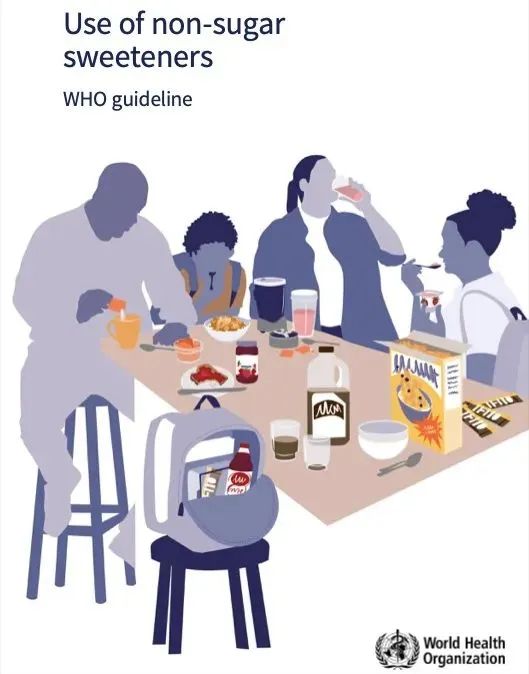
You might as well take a walk around the supermarket and look at the ingredient lists of those foods and drinks marked as zero sugar and zero calories; many use a blend of non-sugar sweeteners and sugar alcohols. Some products even specially highlight sugar alcohols, yet the ingredient list still contains sucralose... For a long time, sugar substitutes have been considered unlikely to cause weight gain after intake because these sweeteners themselves contain no calories, meaning the overall dietary calorie intake is reduced, which can create an energy deficit and help people lose weight.
But some prospective observational research evidence cited in the WHO report this time, as well as follow-up data lasting up to 10 years, show that higher intake of sugar substitutes (non-sugar sweeteners) is associated with higher BMI and an increased risk of obesity. The reason is that after consuming sugar substitutes, people actually eat more! In recent years, some reports have found that non-sugar sweeteners may affect human energy metabolism, satiety, and hunger regulation through multiple mechanisms. In 2021, researchers at the University of Southern California published an experimental report in the JAMA subjournal JAMA Network Open on the effects of artificial sweeteners on human brain activity and appetite, with the conclusion: Sugar substitutes make it harder for you to feel full, which may cause you to eat more.
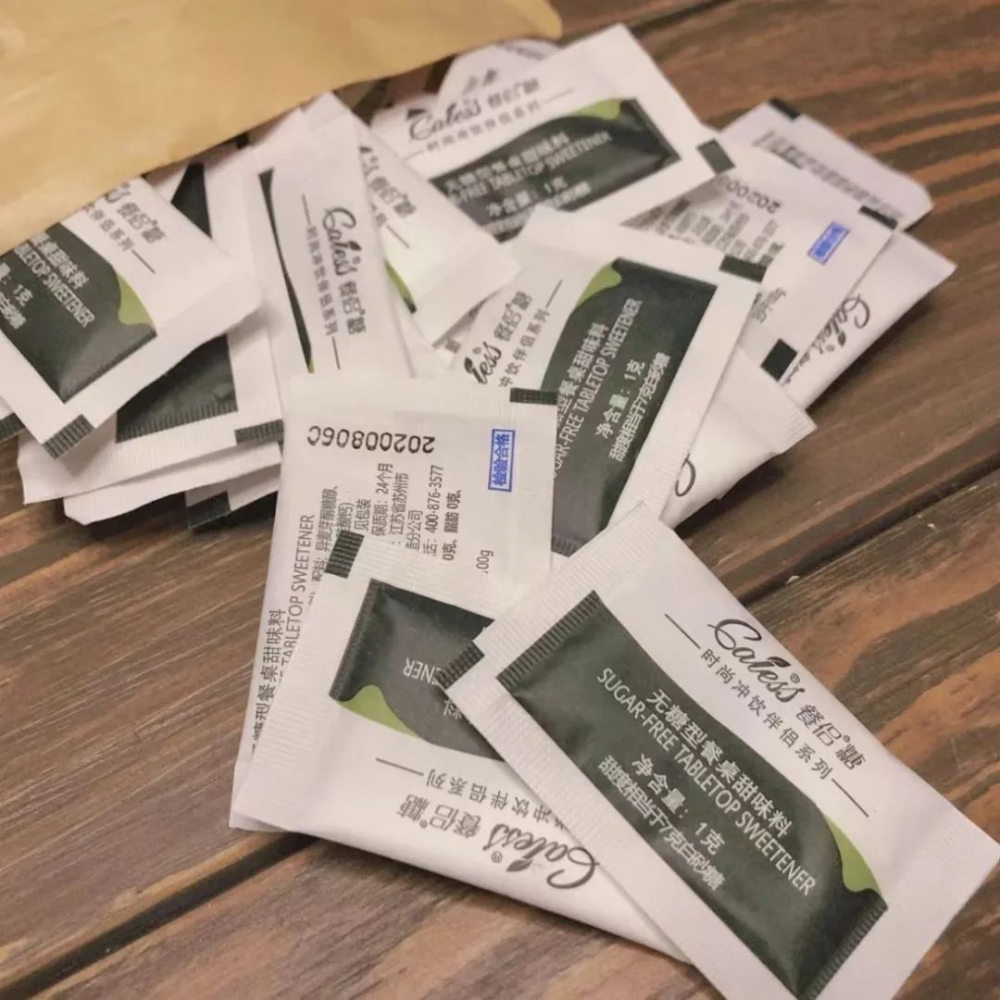
The experimental results show that artificial sweeteners can affect people's neural and behavioral responses, possibly making people more sensitive to artificial sweeteners and more prone to hunger. If you fail to control your appetite well, weight gain is an inevitable result.
The emergence of sugar substitutes was originally intended to help diabetic patients stabilize blood sugar and can also achieve effective intervention in short-term weight loss... But this does not mean that sugar substitute products can be consumed recklessly. However, many brands in the food industry evade the important issues and highlight the less important ones when promoting sugar substitute products.
Of course, in this WHO guideline, the recommendation is to eat less, not to ban them. For maintaining health and losing weight, the essence is still to change our overall lifestyle and control total dietary energy. Do not place your hopes on any single product or method~ After all, there is no shortcut to weight loss.
The above content is compiled by CoffeeHunters, a coffee news website.


