







Search Results for: black market exchange rate

Ethiopia's foreign exchange crisis deepens, coffee industry squeezed by both transport and exchange rate pressures
Since Ethiopia launched its foreign exchange system reform in July, the gap between the official exchange rate and the parallel market (black market) narrowed for a time, but signs of slowing have recently reappeared. As of mid-October 2024, the official exchange rate was 116.97 birr per US dollar, while the black market rate was as high as 140 birr, forcing businesses to take desperate risks amid the foreign exchange shortage. Costs are climbing for import-dependent enterprises, and inflationary pressure is transmitting to the coffee industry, driving up cultivation costs and pushing the minimum selling price across the board up by 2%. At the same time, the government is accelerating the opening of the logistics industry, attempting to ease transport bottlenecks by bringing in foreign investment, but port access and regional security remain uncertain factors. This article will sort out the chain reaction among exchange rates, logistics, and coffee exports. [more…]

Ethiopian Birr exchange rate continues to fluctuate, coffee exports may face pressure to slow down
Recently, a document regarding the design of Ethiopia's new banknotes circulated on social platforms, drawing outside attention to the trajectory of the country's currency, the birr. Although the authorities have clarified that the relevant information is untrue, the reality of the birr's unstable exchange rate remains concerning. Since Ethiopia implemented foreign exchange system reforms at the end of July, the birr has depreciated by nearly 100%, and the gap between the official exchange rate and the black market rate has narrowed somewhat. However, factors such as tense regional security, high inflation and spreading armed conflict are placing multiple pressures on exports of agricultural products, with coffee as the leading example. Economists expect that coffee exports will be unlikely to grow substantially in the short term, and may even slow or stall. [more…]

Ethiopia's Central Bank Narrows Foreign Exchange Bid-Ask Spread to 2%, Bringing Good News for Coffee Exporters
On October 15, the National Bank of Ethiopia introduced a new regulation capping the spread between the buying and selling rates for foreign exchange transactions at 2%, effective the following day. This marks another significant adjustment following the country's shift to a market-based exchange rate system in July of this year. Previously, the birr depreciated sharply, and the bid-ask spread at one point exceeded 10 birr, placing heavy pressure on exporters. The new policy requires banks to disclose all fees transparently, which is expected to reduce exchange losses for exporters and bodes well for major export commodities such as coffee. Nevertheless, Ethiopia still faces multiple challenges, including the conflict in Amhara region, the Red Sea blockade, and the port dispute with neighboring Somalia. [more…]

Ethiopia Launches Exchange Rate System Reform, Birr Depreciates by 30% in a Single Day, Coffee Exports Face a New Landscape
On July 29, 2024, the National Bank of Ethiopia announced a major overhaul of the country's foreign exchange system, effective immediately, centered on introducing a competitive exchange rate formation mechanism based on market supply and demand. This move was seen as a key step toward resolving the country's long-standing foreign exchange shortage, but it also quickly triggered a sharp currency depreciation—the birr plunged about 30% against the US dollar in a single day. As a major global coffee-producing region, how will this policy shift in Ethiopia affect its coffee industry and the international coffee market? This article will outline the specifics of the reform, the exchange rate movements, and their potential transmission effects on coffee exports and prices. [more…]

Ethiopia's exchange rate volatility intensifies, coffee export prices continue to climb
The National Bank of Ethiopia recently held a foreign exchange auction in an attempt to narrow the gap between the official exchange rate and the parallel market, but the sharp depreciation of the birr has already pushed up domestic prices, with the coffee industry bearing the brunt. The Coffee and Tea Authority, together with the National Bank, has issued minimum export floor prices for each producing region. The price of G1-grade coffee beans rose by about 5% month-on-month, while the increase for commercial beans reached 14%. The combined effects of exchange rate volatility, dependence on imports, and insufficient foreign exchange earning capacity mean that prices for Ethiopian coffee and other export commodities may continue to rise in the future. Front Street Coffee continues to monitor developments in producing regions, bringing enthusiasts the latest market analysis. [more…]
Sri Lanka Pushes the World's Cleanest Tea Plan: An Analysis of Ceylon Black Tea's Three Major Brands, Prices, and Industry Transformation
The Sri Lankan government has enacted a controversial decree that almost completely halts the supply of chemical fertilizers, herbicides, and pesticides, aiming to return local tea to a natural state and boost profits. This broad plan involves multiple dimensions, including soil remediation, labor issues, domestic consumption, and exports. Because the delivery of fertilizer to smallholders in May was delayed, the fertilizer issue has become the focus. Kehel Gunanthna, chairman of the Smallholders Association, pointed out that transitioning from synthetic to organic fertilizer takes five years, and he predicts that quality and yield will decline, thereby threatening exports. Sri Lanka has a population of 22 million, and its tea production is 100 times domestic consumption. Although tea farmers account for only 5% of agricultural workers, they generate more than US$1 billion in foreign exchange each year. Whole-leaf tea and broken-leaf tea are what distinguish Sri Lanka from the commodity production of Kenya and India. Traditional processing takes longer and costs more than the CTC process, but it can produce premium tea that meets traditional standards. Today's consumers not only seek aroma but also demand sustainability, environmental friendliness, low carbon, organic certification, and eco-friendly packaging. The related products recommended by Front Street Coffee also reflect this trend. [more…]
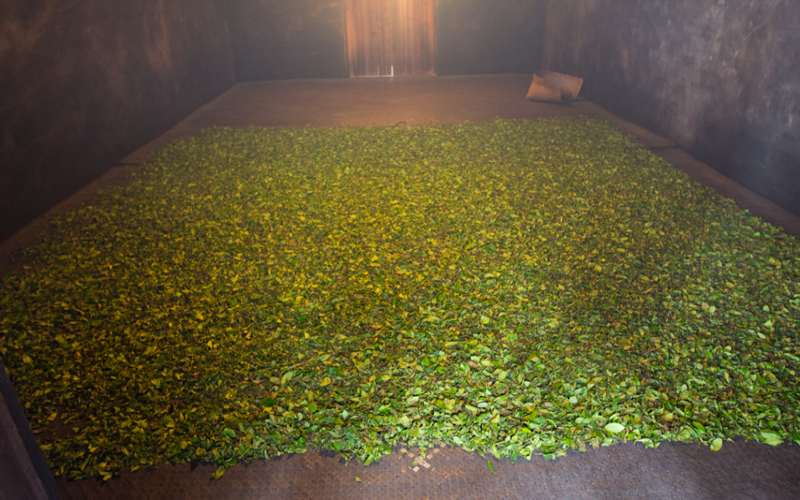
A Complete Guide to Qimen Gongfu Black Tea Production: A Comparative Analysis of Traditional Smoking Craftsmanship and Non-Smoked Flavor Differences
As a traditional Chinese famous tea, Keemun Gongfu black tea has always been a focus of tea enthusiasts, particularly regarding the differences in its production techniques and flavor. Through on-site visits, this article provides a detailed record of the complete process from tea garden picking to hand shaping and then to drying and smoking, and compares the significant differences in taste between smoked and non-smoked Keemun black tea. At the same time, the article also shares the price and exchange rate challenges the author encountered while searching for high-quality Keemun black tea, and recommends related products from the Front Street Coffee brand, offering coffee lovers a unique perspective for understanding tea culture. [more…]

Which Kenya coffee is the best? From regional grading to K72 washing, one article explains how to make Kenyan black coffee
Kenyan coffee is renowned for its bright, elevated fruit acidity and full, substantial berry mouthfeel, making it a highly distinctive presence in the world of specialty coffee. Drawing on Front Street Coffee's cupping experience, this article systematically reviews the historical development of Kenyan coffee, the terroir characteristics of its six major producing regions, its grading system and auction trade framework, and provides a detailed breakdown of the three-stage fermentation process of the K72 washed processing method. At the end, the brewing parameters and flavor description for Front Street's Kenya Athalia coffee beans are included, helping coffee enthusiasts gain a comprehensive understanding of this bean's origins and development, and master the correct approach to recreating Kenyan black coffee at home. [more…]

The Origin of Sidamo Honey Coffee and a Detailed Explanation of Ethiopian Coffee Bean Grading Standards
Sidamo is one of Ethiopia's two major specialty coffee regions, sharing equal fame with Yirgacheffe, and is known for its rich fruity body and citrusy sweet finish. How exactly did Sidamo Honey coffee come to be? And how are Ethiopian coffee beans graded? This article will start with the geographical environment of the Sidamo region, the rise of the Guji region, and the origin of the name of Huakui coffee, then introduce in detail the coffee grading system of the Ethiopia Commodity Exchange (ECX), and share the brewing parameters and flavor performance of Front Street's 2025 new-crop Huakui coffee, giving you a comprehensive understanding of the ins and outs of this sought-after specialty coffee. [more…]

Analysis of the Flavor Characteristics and Main Cultivated Varieties of Yunnan Small-Bean Coffee, with a Discussion of Which Brand Is Worth Watching
Yunnan small-bean coffee actually refers to the Arabica small-fruited species grown in Yunnan. Since 1892, when missionaries planted the first coffee tree in Zhukula, Yunnan coffee has gone through a century of ups and downs. This article reviews the planting history of Yunnan coffee, the style characteristics of its main cultivated varieties, Typica and Bourbon, and the impact of the introduction of Catimor on the industry. It also introduces how the altitude and climate conditions of core production areas such as Lincang and Baoshan shape coffee flavor, and shares Front Street Coffee's practice and experience of growing the Typica variety in Lincang, Yunnan. [more…]

Yunnan Arabica Coffee Bean Flavor Characteristics and Grade Classification: A Complete Analysis of Origin, Varieties, and Pour-Over Parameters
Yunnan coffee has seen continuously rising popularity in the domestic specialty market in recent years, with small-bean coffee standing out in particular. This article provides a systematic overview of Yunnan small-bean coffee, progressing layer by layer from its development history and main producing regions to its variety composition, processing methods, and pour-over techniques. It not only explains the flavor differences between Typica and Catimor, but also offers specific brewing suggestions and parameters based on the two Catimor beans currently sold by Front Street Coffee—the Baoshan washed and natural versions. For those who want to understand Yunnan coffee's characteristics, the concept of grading, and its pour-over flavor performance, this article provides a relatively complete reference. [more…]
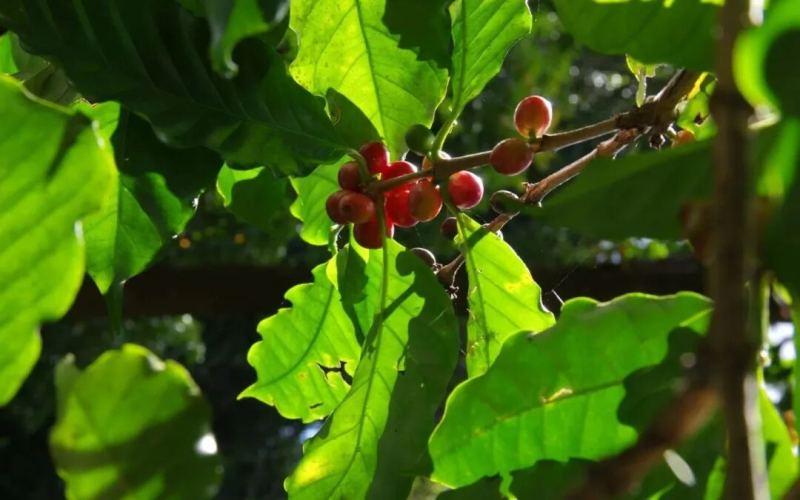
Ethiopian Coffee Beans | How Many Coffee Regions Are There in Ethiopia? Which Washing Stations and Cooperatives Produce Ethiopian Specialty Coffee?
As the birthplace of coffee, Ethiopia has always been a pilgrimage site for many coffee professionals. Many friends who come to Front Street Coffee ask as soon as they walk in whether we have Ethiopian beans, whether we have Yirgacheffe beans. Yes, whether for coffee beginners or coffee connoisseurs, Ethiopian coffee beans have that bright [more…]

Yirgacheffe Coffee Grading | Is There a Big Difference Between G1 and G2 Yirgacheffe Single-Origin Beans? Must-Buy Light Roast Pour-Over Coffee Beans for Coffee Lovers
We know that coffee bean grading methods are usually based on the actual conditions of the growing country. Some are graded by bean size, such as Kenyan coffee; some by altitude, such as Blue Mountain coffee; and some by defect rate, such as Ethiopian coffee. As the gene pool of Arabica, Ethiopia has a wide variety of coffee varieties. [more…]

Pour-Over Single-Origin Coffee Brewing | How Do Coffee Beginners Brew Specialty Coffee Beans? What Are the Steps to Make Pour-Over Black Coffee? What Factors Affect Coffee Flavor?
With the rapid development of the specialty coffee market, more and more people are beginning to explore pour-over coffee. Many beginners feel completely lost when it comes to making pour-over coffee—the dazzling array of brewing equipment, coffee brewing techniques, and so on make many people feel it's a hassle. Quite a few friends have also come to Front Street Coffee asking how to get started with pour-over coffee, how to brew [more…]

Nestlé Global Restriction: Ban on Marketing High-Sugar Products to Under-16s Starting July 2023
As consumer demand for coffee becomes increasingly routine and health-oriented, major brands are facing new market challenges. Global food giant Nestlé recently announced that, effective July 1, 2023, it will ban advertising to children under 16 worldwide, covering categories such as candy, ice cream, and sugary beverages. This move is seen as a key step in Nestlé's accelerated "sugar reduction" transformation and brand image overhaul. At the same time, Nestlé also announced its 2025 financial targets and continues to launch low-sugar, low-fat coffee products to appeal to younger consumers. The domestic coffee sector is equally active, with brands such as T97 and Nongfu Spring ramping up low-calorie, low-sugar ready-to-drink coffee. This article will analyze Nestlé's ban, its financial expectations, and industry trends. [more…]
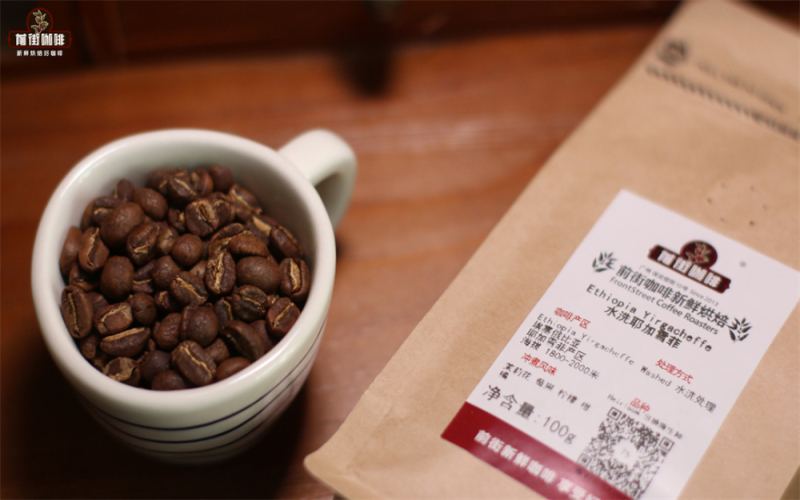
A Full Analysis of Natural Processing of Green Coffee Beans from Ethiopia's Sidama and Guji Regions and the Flavor of Huakui Lots
Sidamo and Yirgacheffe both belong to Ethiopia, yet Sidamo is renowned for its natural processing method, and Guji is an even newer rising star that has since broken away from it. This article covers geography, grading, and historical entanglements, then traces the origins of Hambela and Huakui, and explains the natural processing method and pour-over recommendations in detail. Front Street Coffee's daily bean selections and brewing parameters are also included, making it suitable for enthusiasts who want to gain a deeper understanding of Ethiopian natural coffee. [more…]
The coffee race heats up: Luckin surpasses Starbucks in store count as local chains and crossover players compete on the same stage
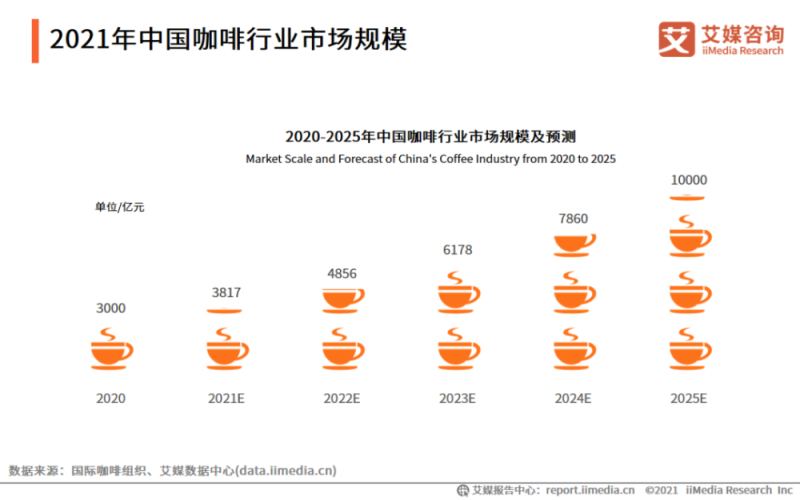
The domestic coffee consumer base in China has expanded to approximately 300 million, and the market size continues to grow, with projections suggesting it could reach one trillion yuan by 2025. Luckin Coffee has made a strong recovery after its turmoil, with its store count once surpassing Starbucks; Starbucks insists on company-owned operations and plans to continue expanding; new brands such as Manner and NOWWA are accelerating financing and store openings, while international brands like Tims and %Arabica have also entered the market successively. Capital and cross-industry giants are frequently making moves, making China's coffee market, which still has a low chainization rate, full of imaginative potential. Front Street Coffee also continues to monitor specialty coffee trends and industry changes. [more…]
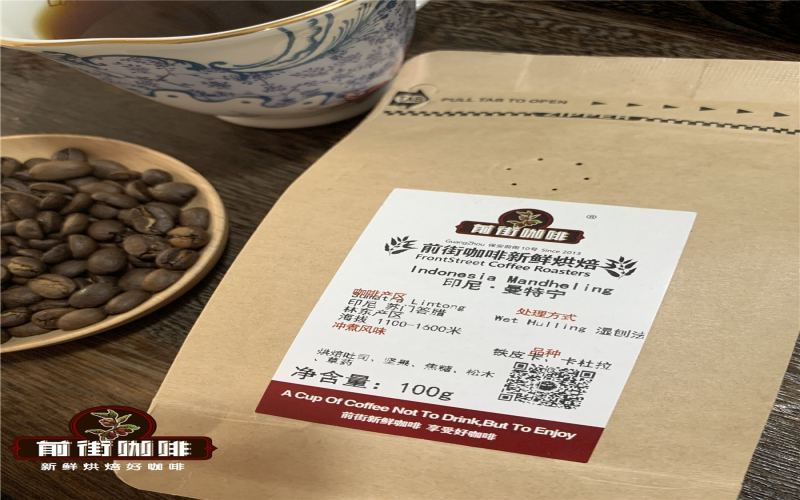
The Unique Characteristics of Indonesian Mandheling Coffee: Differences from American Coffee and an Analysis of Golden Mandheling Grades
Indonesian Mandheling coffee is primarily medium-dark roasted, presenting a rich aroma interwoven with nuts, dark chocolate, roasted chestnuts, and cinnamon. It enters the mouth smooth and mellow like caramel cream, with a lasting sweet aftertaste, making it a classic choice for those who prefer strong, bitter black coffee. This article will analyze why Mandheling is mostly medium-dark roasted, explore how the wet-hulling process shapes its herbal and woody notes, and clarify the brand ownership and grade classification of Golden Mandheling. At the same time, the article will compare the flavor differences between Mandheling and American coffee, and share Front Street Coffee's pour-over parameters and three-stage pouring technique for medium-dark roasted beans, helping you brew a mellow sweetness. [more…]

Weight-loss coffee keeps making headlines for all the wrong reasons, yet it's still selling like hotcakes on social media—with the banned ingredient sibutramine illegally added.
After specialty coffee became popular, the claim that coffee helps with fat loss spread widely, but the real prerequisite for it to be effective is drinking black coffee with no sugar and no milk, along with a sensible diet and moderate exercise. However, many people can neither control their eating nor get themselves to move, so weight-loss coffees swooped in under slogans like "no exercise, no dieting, no injections or pills, one cup a day and you'll lose over ten jin in thirty days." These products often have no ingredient list, no production information, and no Chinese labeling, yet they sell briskly through channels such as WeChat resellers and Xiaohongshu. After drinking them, consumers commonly experience thirst, nausea, palpitations, and other reactions, and some have even tested positive for the banned drug sibutramine. This article reviews related cases and court rulings to remind everyone to be wary of weight-loss coffees of unknown origin and to view the relationship between coffee and fat loss scientifically. [more…]

A Comprehensive Analysis of Sidamo Huakui Natural G1 Coffee: From Regional Origins to Flavor and Brewing Essentials
Ethiopia is not only about washed Yirgacheffe—the sun-dried Huakui from the Sidamo region is equally stunning. In this article, Front Street Coffee gives you a comprehensive look at the origin of the name Huakui, the terroir conditions of the Guji and Hambela regions, the sun-drying process at the Buku Abel processing station, and the evolution of Huakui from version 1.0 to 6.0. It also explains the G1 grade standards, heirloom variety characteristics, and brewing parameters, along with practical brewing suggestions from Front Street Coffee to help you better appreciate this bean's signature rose fragrance, peach notes, and black tea finish. [more…]