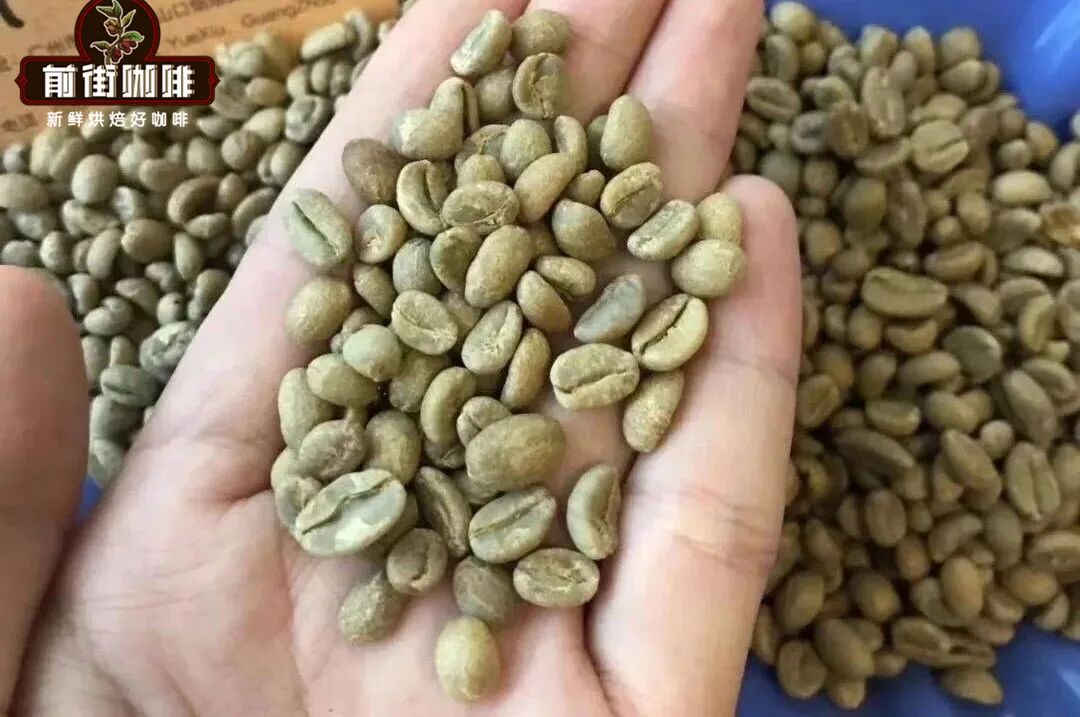
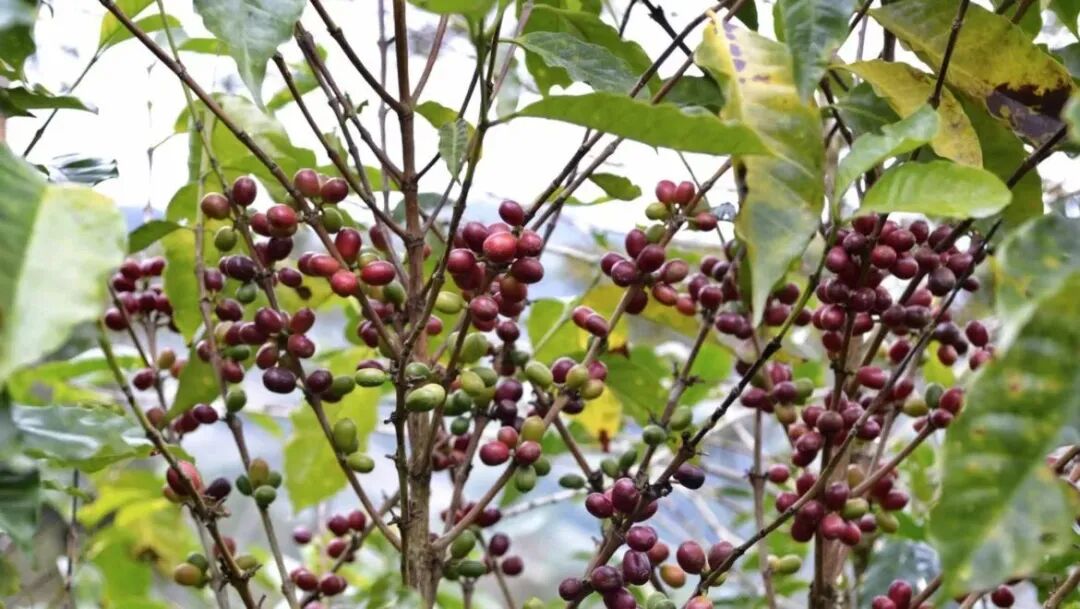
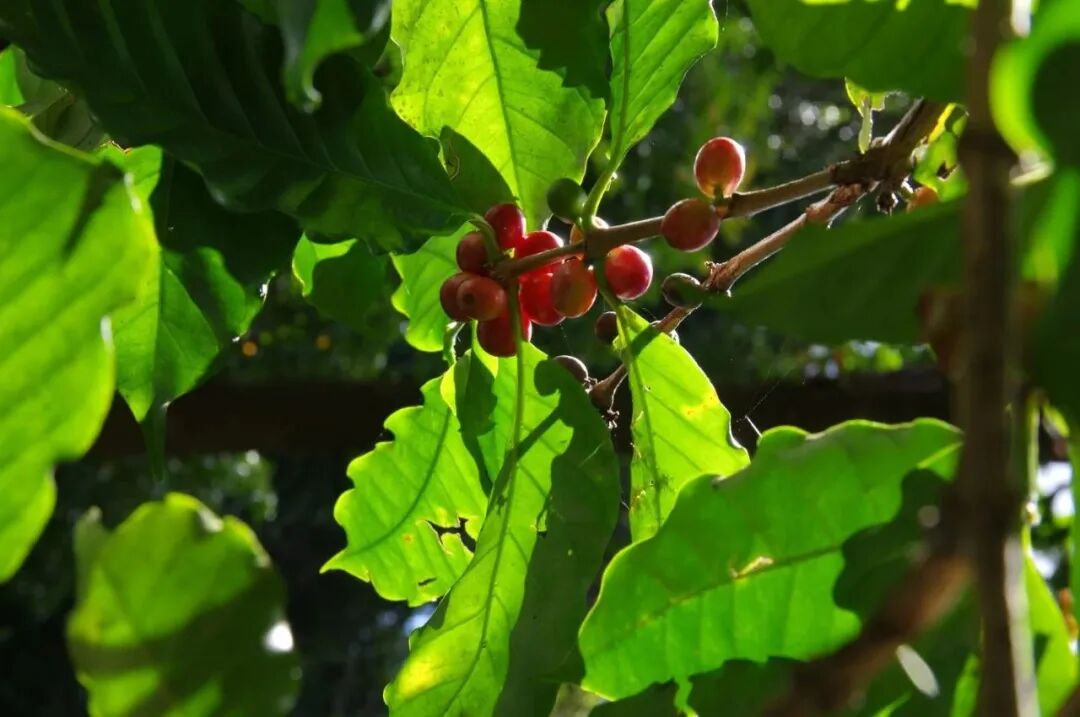
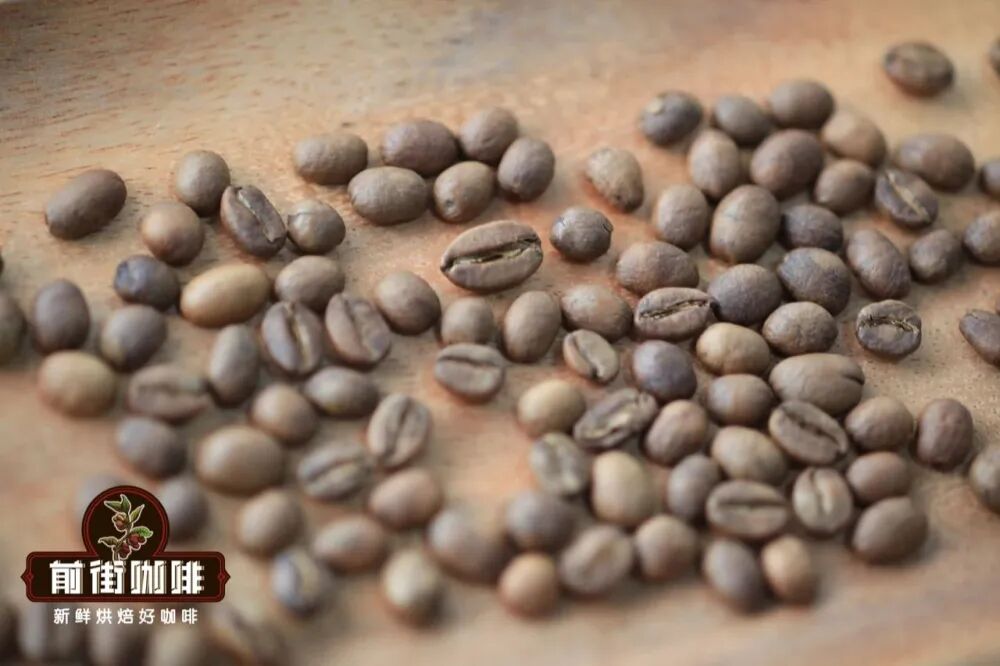
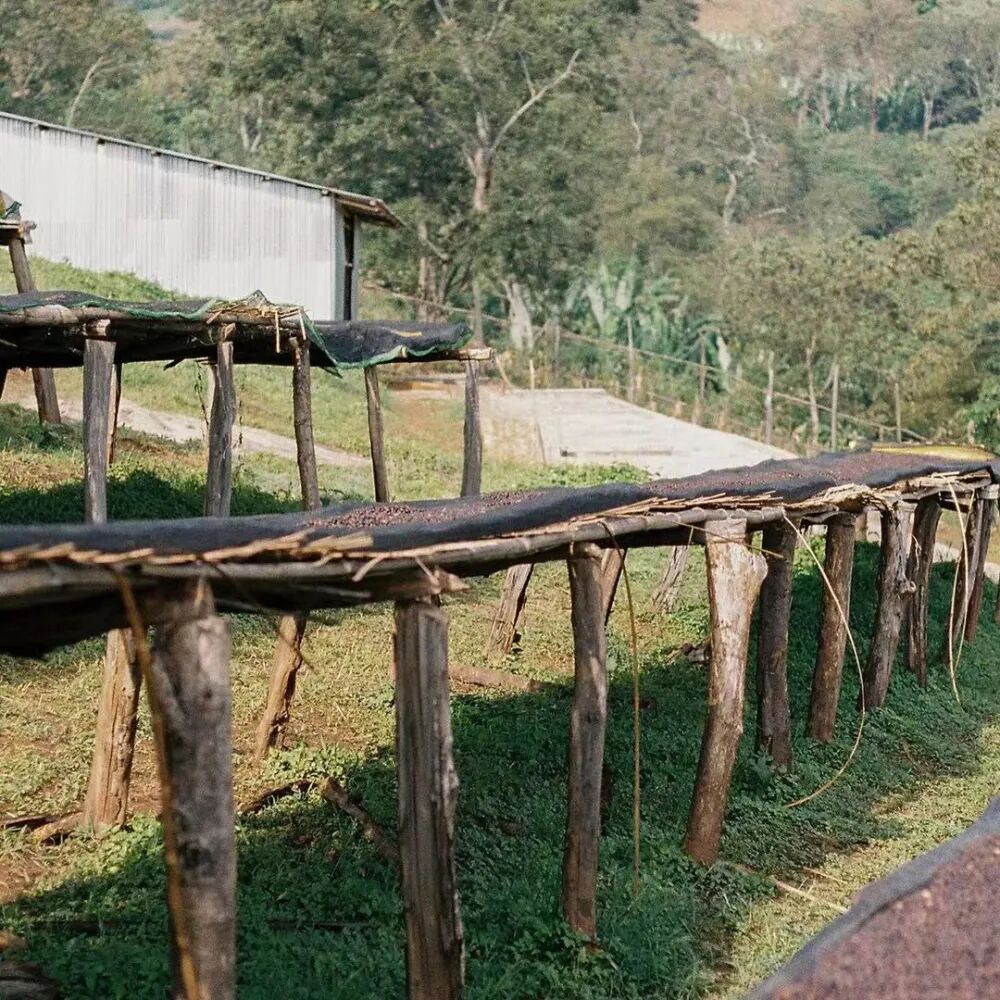
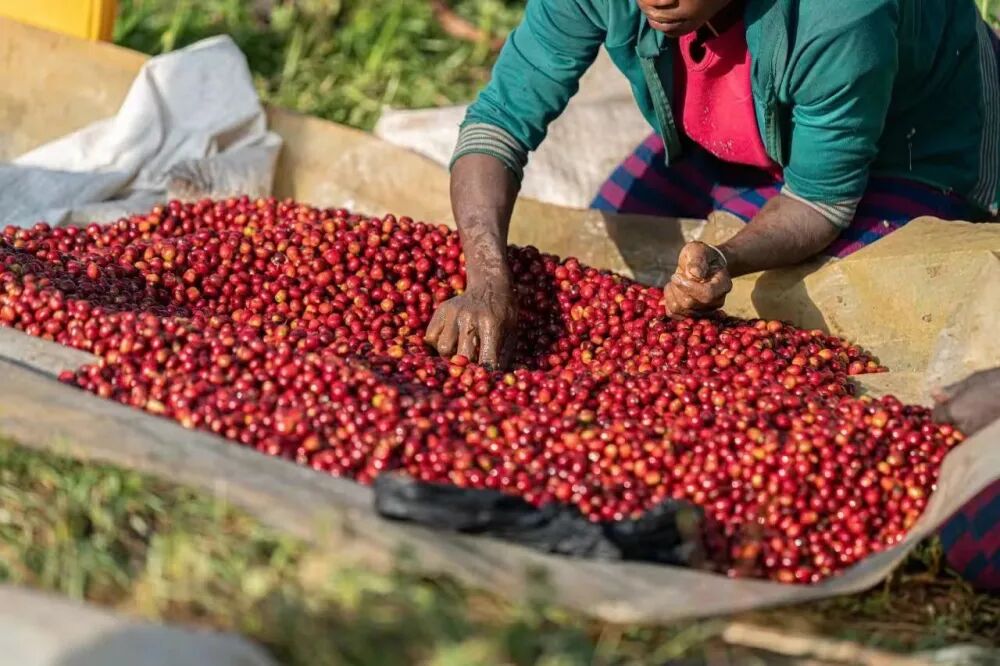
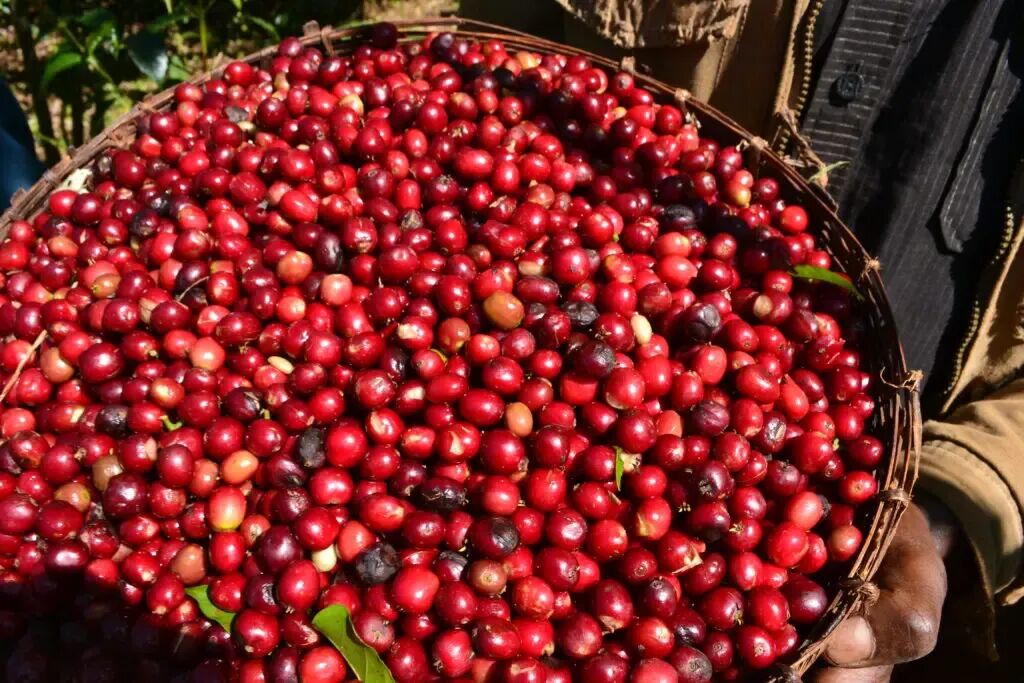
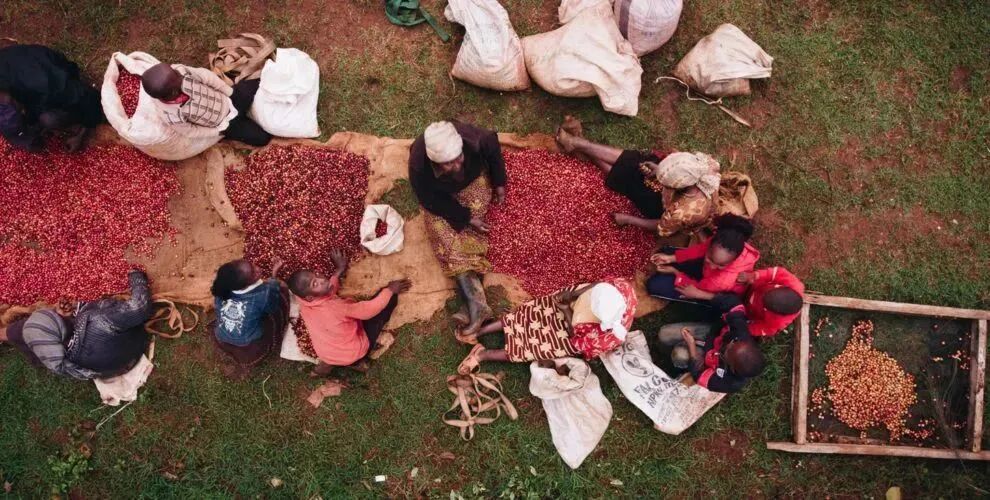
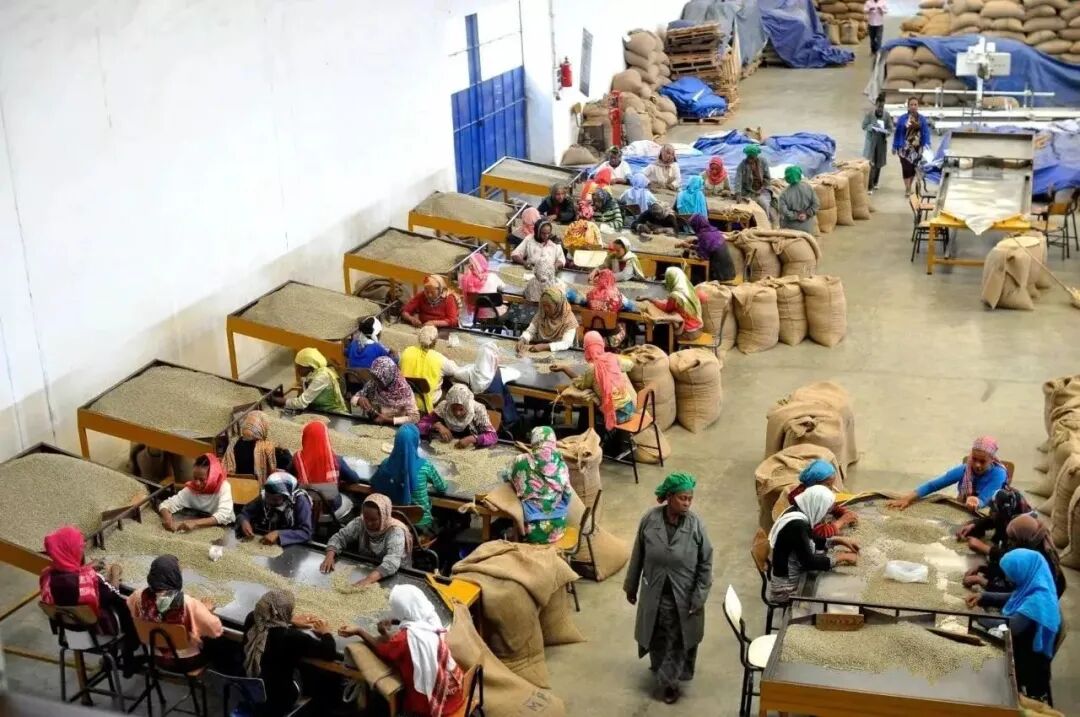
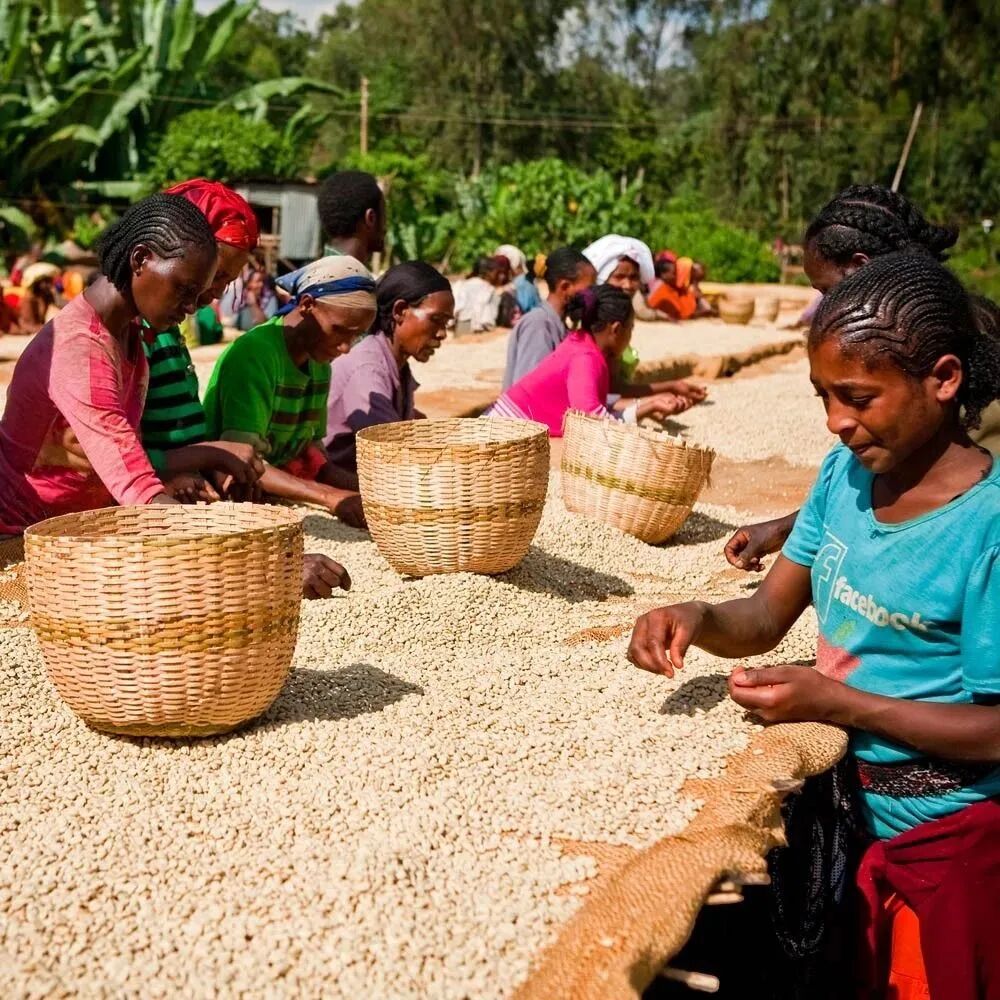
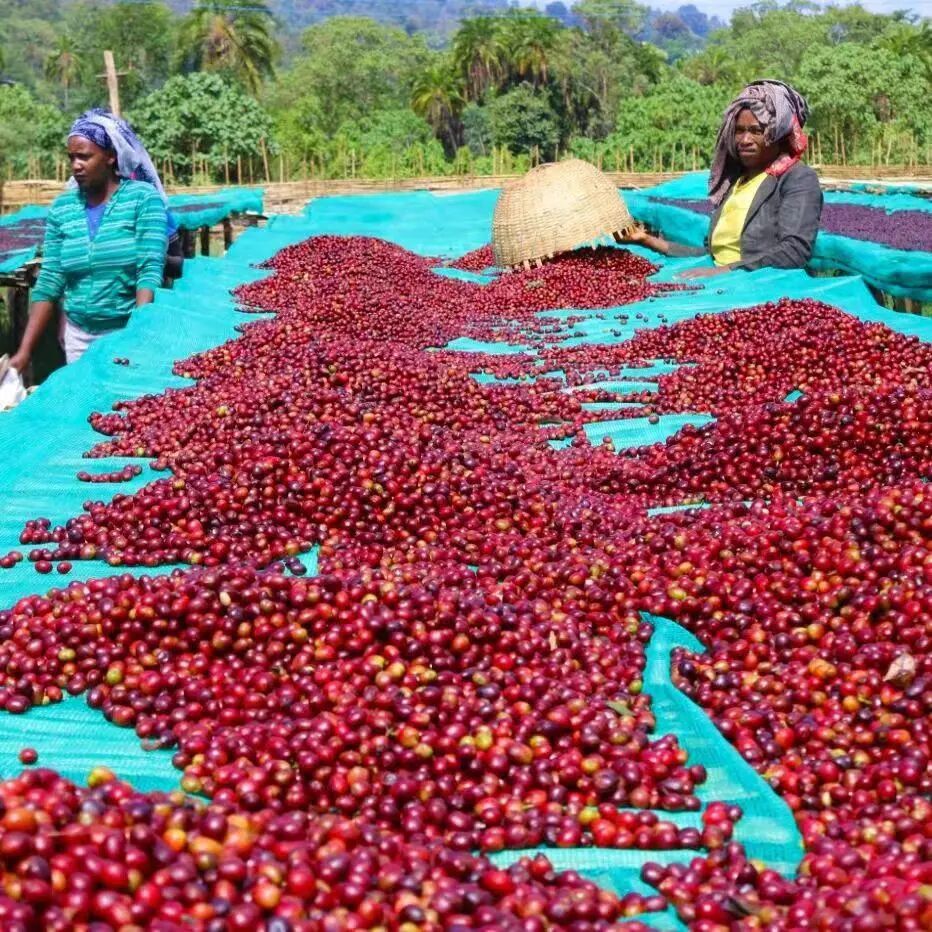
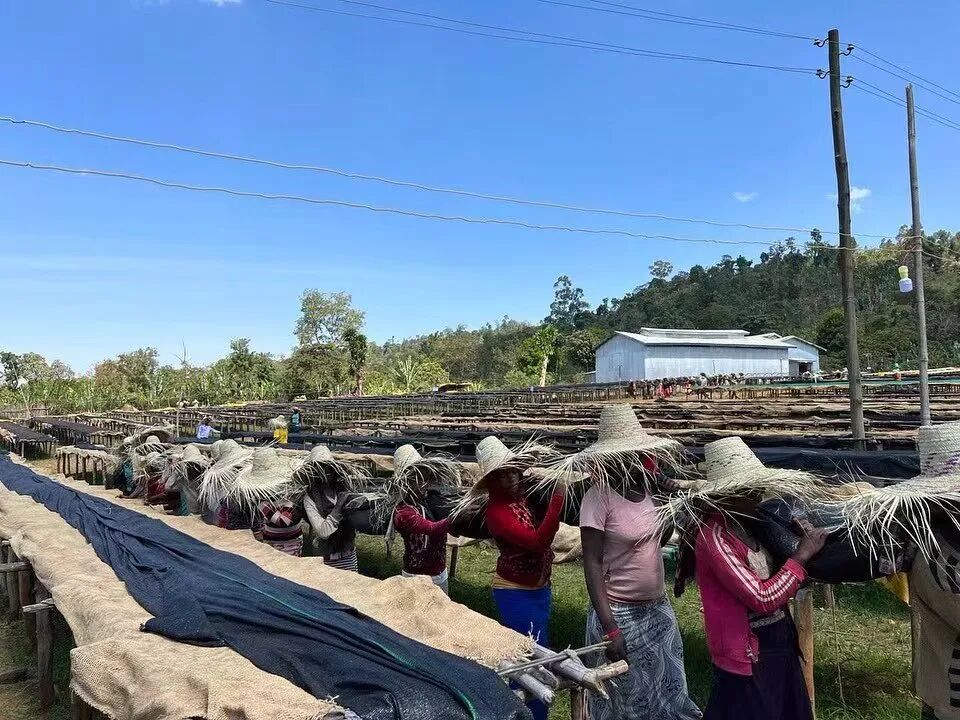
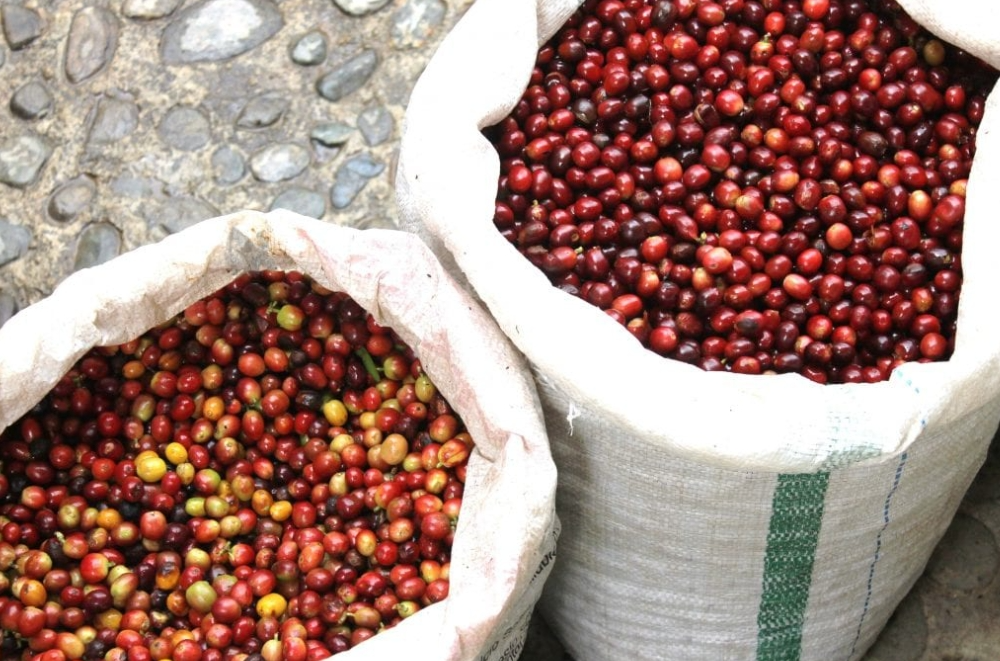
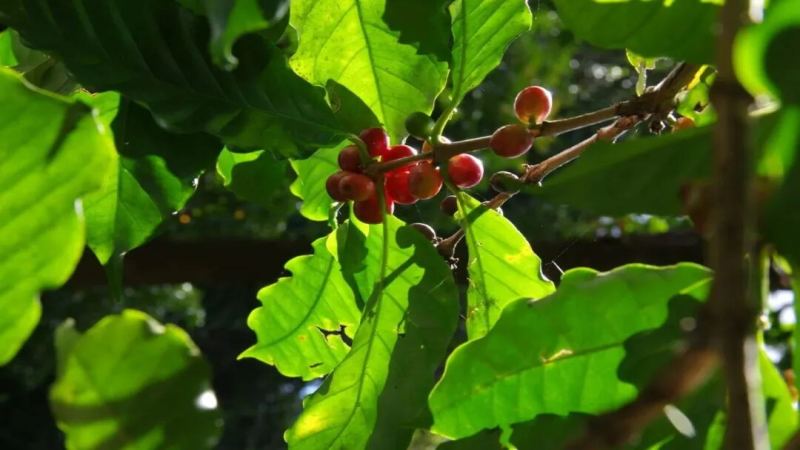
As the birthplace of coffee, Ethiopia has always been a pilgrimage site for many coffee professionals. Many friends who come to Front Street Coffee ask as soon as they walk in whether there are Ethiopian beans, whether there are Yirgacheffe beans. Yes, whether for coffee beginners or coffee connoisseurs, Ethiopian coffee beans are deeply loved by the public for their bright acidity, honey-like sweetness, and clean, fresh mouthfeel. In this article, Front Street will talk about Ethiopia, this coffee-producing country.Why are Ethiopian coffee beans always different in size?People who often drink Ethiopian coffee should have heard of the variety [Heirloom native species]. Most Ethiopian varieties are named under this name. Actually, it is because there are so many varieties in Ethiopia; it is like a natural gene bank of Arabica. On the one hand, the varieties are numerous and identification and classification are difficult; on the other hand, out of protection considerations, the Ethiopian government is unwilling and unable to disclose information about these varieties.The concept of variety: in the process of agricultural cultivation, only selected and bred crops are given names of species and genus. Coffee, as a native crop in Ethiopia, has varieties that were not artificially planted, so different varieties naturally mix together, and therefore they are collectively called [Heirloom native species]. This is also the reason why Ethiopian flavors are varied and uncontrollable.Well then, next let us understand how coffee in Ethiopia is grown and harvested.Generally speaking, coffee farmers may grow multiple varieties at the same time, and may also select the better varieties separately for sale. What is more special is Ethiopia. In this country, most coffee grows in a wild or semi-wild state in fields, backyards, or under forests. People in tropical regions like to let things grow naturally and are not very willing to engage in planting and cultivating activities. After the cherries ripen, what coffee farmers harvest is actually a big mix of many different natural mutations. Because these cherries all grow under the same terroir, they form a certain similar flavor. This is the basic framework of the flavor of a coffee-producing region. Nearly 2,000 coffee varieties have been recorded in Ethiopia, including 1,927 native varieties and 128 introduced exotic varieties. So judging by appearance alone, Ethiopian coffee varieties are a "grand garden," with everything inside: long, short, thin, fat. Local wild coffee trees are suited to growing under trees, especially under forests. The tree species that can shade coffee are called "shade trees(Shade Tree, or Shadow Tree)"; this planting method is called "shade-grown coffee(Shade-grownCoffee)." The advantage is that it can reduce the impact on the ecology, and diverse organisms also help suppress pests and diseases. When it develops to the cultivation stage, local food crops such as bananas are used to shade the coffee, which can be said to serve two purposes at once. In fact, if we pay attention to domestic tea garden producing areas, there is also the habit of planting flame trees for shade. Under primitive conditions, coffee farmers merely gathered together these coffees distributed together by natural factors, and later concentrated the harvest of the small amount of coffee planted together.After coffee leaves naturally growing Ethiopia, it inevitably undergoes selection and breeding, modern commercial cultivation, and the need for grading, gradually forming finished products with uniform varieties and uniform sizes. This is the biggest difference between Ethiopian beans and beans from other producing regions. Even Kenya, which borders Ethiopia, began to breed SL28 and SL34 as the main planted varieties in the 1930s and 1940s, fifty years after it began growing coffee, and also introduced a grading system based on size, such as AA, AB, etc. This is the difference between modern agriculture and primitive agriculture.[Long-shaped beans] exist in coffee-growing areas throughout Ethiopia. Judging from the proportions actually observed, the western Jimma region, including the Limu and Kaffa forests, has more long-shaped varieties, while Sidamo or Yirgacheffe have fewer.[Small-bean species] are relatively round in appearance and very small in size, mostly between screen 14-15. This variety should be the one we are most familiar with, because Huakui uses this type of variety.Since the sizes are uneven, why is it still called single-origin coffee beans?The original meaning of single-origin coffee beans is coffee beans from a single producing region, not coffee beans of a single variety.Front Street believes that as long as the beans are grown in the same producing region, whether it is a naturally harvested blend from mixed cultivation like Ethiopia, or an artificially post-blended blend like Panama Butterfly Geisha, they all belong to single-origin coffee.Introduction to the Regional Flavors of Ethiopia's Nine Major Specialty Producing Regions1. Yirgacheffe specialty producing region: altitude 1800~2000 metersYirga cheffe is a small town in Ethiopia, at an altitude of 1700-2100 meters. It is one of the highest coffee-producing regions in the world and also synonymous with Ethiopian specialty coffee. Lake Turkana, Lake Abaya, and Lake Chamo bring abundant moisture here. In the Rift Valley represented by the Misty Valley(Misty valley), fogyear-roundis pervasive, spring-like throughout the four seasons, with gentle breezes, cool and humid. Thousands of coffee trees thrive and multiply here, nurturing Yirgacheffe's unique terroir with interwoven floral and fruity aromas and ever-changing character. The so-called Yirgacheffe flavor refers to rich citrus-lemon fruit acidity, intense jasmine floral aroma, a light and elegant mouthfeel with tea-like notes, drinking like refreshing, clean lemon tea.Representative coffee: Front Street Coffee washed Gutingding2. Sidamo producing region: altitude 1400~2200 metersSidamo is located in southern Ethiopia. Sidamo coffee beans used to also include Yirgacheffe coffee(Yirgacheffe)and Guji(Guji)coffee. However, the ECX trading system has already separated Yirgacheffe and Guji from Sidamo. Sidamo coffee is rich in fruit acidity and has a strong aroma. Front Street Coffee believes that in terms of aroma, compared with Yirgacheffe, it is no less impressive. It is very suitable for people who like strong flavors but do not like tastes that are too heavy, achieving a perfect balance and neutralization between aroma and mouthfeel.Representative coffee: Front Street Coffee sun-dried Huakui 8.03. Limu producing region: altitude 1200~2000 meters|Production is relatively low, mainly exported to European and American markets. It is not easy to buy domestically, but it is very popular in Europe and America. There are three processing methods: washed, sun-dried, and semi-washed. Limu coffee has a noticeably lower body, and its floral and citrus expression is also inferior to Yirgacheffe and Sidamo, but it has an extra grassy fragrance and brown sugar aroma, with bright fruit acidity.4. Harar producing region: altitude 1500~2400 meters|Garden coffee system|Harar exclusively uses sun-dried processing. It is an ancient city in the east, but coffee is not grown in the urban area. The so-called Harar coffee refers to coffee produced on the Hararghe Plateau in the greater Harar region. Because annual rainfall is only 1000 millimeters, all coffee adopts the sun-dried processing method. In terms of flavor, Harar coffee is famous for its special [mixed aroma], a typical example of ancient popular flavors. If the defective beans in Harar can be sorted cleanly, it is easy to taste berry notes, with a slightly pleasant fermented mixed aroma.5. Jimma bulk commercial bean producing region: altitude 1350-1850 metersJimmais the capital of Kaffa Province in the Kaffa forest. The map shows it as Jimma, but coffee burlap bags spell it as Djimmah. This is Ethiopia's largest coffee-producing region, accounting for one third of export volume. The Kaffa forest is known for primitive wild varieties.Jimmais the distribution center for coffee in this region. Farmers are accustomed to transporting harvests from the forest areas to Jimma, then mixing hundreds and thousands of varieties together to sell as commercial beans, causing the aromas of many delicious varieties to be obscured.
 Although washed specialty Jimma does not have the orange fragrance and floral charm of Yirgacheffe, its flavor profile is quite clean and transparent, similar to Central American specialty coffee. Commercial-grade specialty Jimma is very common domestically, and with luck one can also buy inexpensive, high-quality Jimma that shows the fresh fragrance of lemon peel, not inferior to Sidamo. Overall, Jimma is a good low-to-mid-priced blend bean.6. Illubabor (bulk commercial bean producing region): altitude 1350-1850|forest/semi-forest coffee system|This region is located in western Ethiopia, bordering Sudan, and is the westernmost producing region. Its coffee genetic complexity is second only to the Kaffa forest. The beans are noticeably larger than Yirgacheffe and Sidamo, the fruit acidity is lower, the viscosity is good, and the flavor is balanced. Most coffee from here is transported to Jimma for blending and is rarely sold independently.7. Gimbi, Lekempti (bulk commercial bean producing region): altitude 1500-1800|forest/semi-forest coffee system|This region has both sun-dried and washed beans. The beans resemble Harar's long beans, and a small amount of specialty-grade coffee is quite popular in Europe and America. Most is reputed to be "the poor man's Harar." Its fruit acidity and fruity flavors are lower than Illubabor's, and the flavor is bright.8. Teppi/Bebeka (bulk commercial bean producing region): altitude 500-1900 meters|garden/forest/semi-forest coffee system|The two producing regions are very close, with Teppi north of Bebeka. It has corporatized, managerially operated coffee plantations. In recent years, the garden system has been promoted to increase farmers' income, with annual output of about 3,000 tons. Both places have wild coffee, and output is not high. The flavor is quite different from Harar and Yirgacheffe. Low fruit acidity is the biggest characteristic, making it suitable for blend beans. There are sun-dried and washed types.9. Lake Tana area (alternative producing region): altitude 1840 meters|forest system|Coffee from this producing region is also called monastery coffee, with extremely small annual output, less than 10 tons. In fact, it cannot really be called a producing region. The Orthodox monasteries, churches, religious murals, and myths standing around the lake area create the world's most "divine-tasting" coffee. European monks opened up the local coffee-growing industry, which was later operated by coffee communities or cooperatives in villages around the small town. There are no dedicated plantations here; coffee trees are naturally scattered in forests and fields. During harvest season, the Ethiopian coffee trading company goes to the town to purchase coffee beans collected by farmers.Ethiopian Coffee CultivationEthiopia's coffee cultivation is mainly concentrated in the western and southern regions. Smallholder families account for 90% of total cultivation. Nearly 1.2 million smallholder families make a living from coffee cultivation. Each household cultivates less than 4 hectares, with an average growing altitude between 1000-2300 meters, a planting density of 1000-1800 coffee trees per hectare, and an output of nearly 600 kg per hectare.Most coffee cultivation in Sidamo and Yirgacheffe belongs to the garden coffee model, that is, coffee farmers plant coffee trees near their living areas, harvest them themselves during harvest season, and then send them to nearby processing plants built near water sources for unified processing(or purchased in a unified way by middlemen). Apart from a small number of relatively capable plantations that independently grow, harvest, and process green coffee beans themselves, coffee beans from many different regions and different cultivated varieties are often centrally processed by processing plants and then sent to auction houses for official evaluation and grading.With Yirgacheffe as the center, from Wenago in the north to Gedeb in the south, broadly speaking, all belong to the "Yirgacheffe producing region." The producing areas closest to Yirgacheffe town:Yirgacheffe Misty Valley: English name Misty Valley. Since the Yirgacheffe producing region introduced the washed method in the late 20th century, defective beans have been greatly reduced. Local coffee merchant Baghi(Abdullash Bagersh), because he missed the traditional sun-dried bean flavor, improved the sun-dried bean processing method, enhanced the flavor, and reduced the proportion of defects, launching "Idido Misty Valley(Idido Misty Valley ), Biloya(Beloya), Aricha(Aricha)," three extremely famous Yirgacheffe sun-dried beans.Yirgacheffe Aricha: Yirgacheffe Aricha, formerly named Idido. A well-known coffee bean processing plant near Yirgacheffe town; Misty Valley(red marker): the producing area closest to Yirgacheffe(formerly: Idido/now: Aricha coffee bean processing plant)North of Yirgacheffe town: Wenago Yirgacheffe Wenago, Dormorso Yirgacheffe Dumerso, with the red dot being Yirgacheffe(Yirgacheffe)South of Yirgacheffe town: Konga Yirgacheffe Konga, Kochere Yirgacheffe Kochere: Yirgacheffe Kochere, some also say the correct pronunciation should be Kechare, Chelelektu Yirgacheffe Chelelektu.Yirgacheffe Gutingding: Yirgacheffe Gutingding, located in Gedeb south of the Yirgacheffe producing region.The Trading System of Yirgacheffe CoffeeAccording to Ethiopian law, there are three coffee export systems in total: (1) the private processing plant system, the largest, which exports through ECX bidding; (2) the cooperative system; (3) the single farm system. Among these three systems, cooperatives and single estates can export directly without going through ECX bidding, which can be said to have completely reliable traceability/product history(traceability). But if we get to the bottom of it, cooperatives after all also purchase cherries harvested by smallholders for centralized processing, so they are not 100% traceable. The plantationization of coffee cultivation is a development trend.Ethiopia Commodity Exchange"Ethiopia Commodity Exchange" (the Ethiopia Commodity Exchange, hereinafter referred to as ECX)was founded in 2008 by Eleni Gabre-Madhin, former senior economist at the World Bank(World Bank)and director of the International Food Policy Research Institute(IFPRI). The original intention of founding ECX was to create the first commodity exchange in Ethiopia and even Africa. By introducing modern trading rules and technologies such as pricing mechanisms, warehousing and logistics, and instant communication means, it aimed to change the situation of high trading risk and high transaction costs in Ethiopia's agricultural products market, and build an effective, reliable, and transparent commodity market.At its inception, ECX was widely praised and considered to be transforming Ethiopian agriculture and reducing famine and poverty. In the past, Ethiopian farmers often, amid overwhelming media reports, ECX claimed that through rural cooperatives, ECX provided market channels for more than 2.4 million smallholder farmers. ECX's trading model for coffee is roughly as follows: first, farmers sell coffee cherries to local washing stations. Some washing stations pay higher prices to purchase better-quality coffee cherries. The washing stations send the processed green beans to warehouses at delivery stations.ECX is equivalent to a "distribution center" and has achieved the following:1. Prices are better guaranteed. It purchases coffee beans from coffee farmers at a constant and relatively favorable price, then stockpiles them;2. Coffee is graded, with higher prices for better quality;3. Information is timely. Coffee farmers can immediately obtain information such as trading prices, processing stations in their area, and coffee warehouses in their area by making a phone call;4. Warehouses and processing plants were established. As of 2012, Ethiopia had 56 warehouses distributed across 17 locations, among which 9 locations had coffee warehouses, reducing transportation costs. Taking the Yirgacheffe area as an example, the delivery station is Dila(Dila). Green beans are labeled according to producing region and graded according to green bean quality and cup testing results. The higher the overall quality, the higher the selling price. Traders purchase green beans through ECX, but the packaging will at most indicate only the producing region and village, for example "Yirgacheffe: Konga"/"Yirgacheffe: Kochere."Coffee Cooperative Names and IntroductionsFarmers's Cooperative UnionIn order to facilitate direct export by farmer cooperatives to foreign buyers, farmer cooperatives in various places have jointly established their own cooperative unions. There are now 6 cooperative unions in Ethiopia (Farmers’ Cooperative Union), which are● Oromia Coffee Farmers Cooperative Union (OCFCU)● Sidama Coffee Farmers Cooperative Union (SCFCU)● Yirgacheffe Coffee Farmers Cooperative Union (YCFCU)● Kafa Forest Coffee Farmers Cooperative Union (KFCFCU)● Bench Maji Coffee Farmers Cooperative Union (BMCFCU)● Tepi Coffee Farmers Cooperative Union (TCFCU)The benefit of cooperative unions is that they unite scattered smallholders and cooperatives into a large collective to participate in international projects, such as Firetrade, provide a unified export channel for contacting buyers externally, and pay a certain proportion of the income to the cooperative. The cooperative deducts management fees, retains a portion for community development, and pays the remainder to smallholders. Smallholders can obtain income more stably and conveniently to cope with cultivation and living expenses. This is also the reason why more and more smallholders are willing to join cooperatives.Sigiga Cooperative (1600-2500 meters)Producing region: Gedeo-Kochere KochereLand type: red-brown soilCertifications: Fair Trade, UTZ sustainable cultivation, Organic coffeeFinchewan Cooperative (1450-2000 meters)Producing region: Gedeo-Wenago WenagoLand type: red-brown soilCertifications: Fair Trade, Organic coffeeKonga Cooperative (1750-2300 meters)Producing region: Gedeo-YirgacheffeLand type: red-brown soilCertifications: Fair Trade, Organic coffeeHafursa Cooperative (1750-2300 meters)Producing region: Gedeo-YirgacheffeLand type: red-brown soilAnnual green coffee bean output: 798,000 kgAverage farm size: maximum 4 hectares, annual output per hectare about 600 kgThe cooperative has a washing stationCertifications: Fair Trade, Organic coffeeResa Cooperative (1000-1400 meters)Producing region: Gedeo-Wenago WenagoLand type: red-brown soilCan provide two sets of coffee processing equipmentCertifications: Fair Trade, Organic coffeeAddis Katema Cooperative (1000-1400 meters)Producing region: Gedeo-Wenago WenagoThe cooperative has a washing stationLand type: red-brown soilCertifications: Fair Trade, Organic coffeeBiloya Cooperative (1600-2500 meters)Producing region: Gedeo-Kochere KochereLand type: red-brown soilProvides two sets of coffee processing equipmentCertifications: Fair Trade, Organic coffeeWorka Cooperative (1650-2700 meters)Land type: red-brown soilAnnual green coffee bean output: 457,000 kgAverage farm size: maximum 4 hectares, annual output per hectare about 699 kgThe cooperative has all processing equipmentCertifications: Fair Trade, Organic coffee Koke Cooperative (1750-2300 meters)Producing region: Gedeo-YirgacheffeLand type: red-brown soilCan provide one set of processing equipmentCertifications: Fair Trade, UTZ sustainable cultivation, Organic coffeeHama Cooperative (1600-2500 meters)Producing region: Gedeo-Kochere KochereCan provide one set of processing equipmentCertifications: Fair Trade, Organic coffeeChichu Cooperative (1410-2000 meters)Producing region: Gedeo-DilaLand type: red-brown soilAverage farm size: maximum 4 hectares, annual output per hectare about 591 kgCan provide one set of processing equipmentCertifications: Fair Trade, Organic coffeeMichile Cooperative (1410-2000 meters)Producing region: Gedeo-DilaLand type: red-brown soilAverage farm size: annual output per hectare about 592 kgCan provide one set of processing equipmentCertifications: Fair Trade, UTZ sustainable cultivation, Organic coffeeHase Haro Cooperative (1450-2000 meters)Producing region: Gedeo-Wenago WenagoLand type: red-brown soilAverage farm size: maximum 4 hectares, annual output per hectare about 591 kgCan provide one set of processing equipmentCertifications: Fair Trade, Organic coffeeDumerso Cooperative (1750-2300 meters)Producing region: Gedeo-YirgacheffeLand type: red-brown soilCan provide two sets of processing equipmentCertifications: Fair Trade, Organic coffeeTumticha Cooperative (1410-2000 meters)Producing region: Gedeo-YirgacheffeLand type: red-brown soilCan provide two sets of processing equipmentCertifications: Fair Trade, Organic coffeeAramo Cooperative (1750-2300 meters) (90+ producing region)Producing region: Gedeo-YirgacheffeLand type: red-brown soilCan provide two sets of processing equipmentCertifications: Fair Trade, Organic coffeeEdido Cooperative (1750-2300 meters)Producing region: Gedeo-YirgacheffeLand type: red-brown soilCan provide one set of processing equipmentCertifications: Fair Trade, Organic coffeeAdame Cooperative (1000-1400 meters)Producing region: Gedeo-Wenago WenagoLand type: red-brown soilCan provide one set of processing equipmentCertifications: Fair Trade, Organic coffeeBelekara Cooperative (1000-1400 meters)Producing region: Gedeo-Wenago WenagoLand type: red-brown soilCan provide one set of processing equipmentCertifications: Fair Trade, Organic coffeeAdado Cooperative (1200-1700 meters)Producing region: Sidamo-BuleLand type: red-brown soilCan provide one set of processing equipmentCertifications: Fair Trade, Organic coffeeHaru Cooperative (1200-1700 meters)Producing region: Gedeo-YirgacheffeLand type: red-brown soilCan provide one set of processing equipmentCertifications: Fair Trade, Organic coffeeThis is why many Ethiopian coffee beans are named and distinguished by processing plant or cooperative, and it is also one of the reasons why the same batch of coffee beans contains multiple coffee varieties. It may even be that different batches of coffee beans produced by the same processing plant have noticeably different flavors. Under the Ethiopian Ministry of Agriculture there is a department called Cupping and Liquoring Unit CLU, specifically responsible for approving the quality of exported coffee, and one of its very important duties is defining grades; CLU existed before ECX appeared.
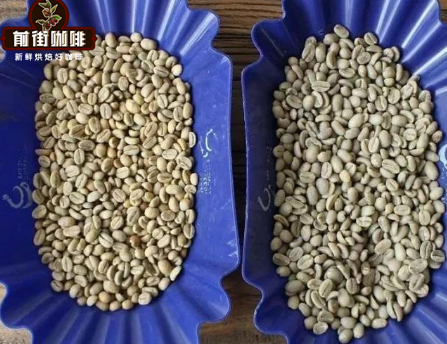
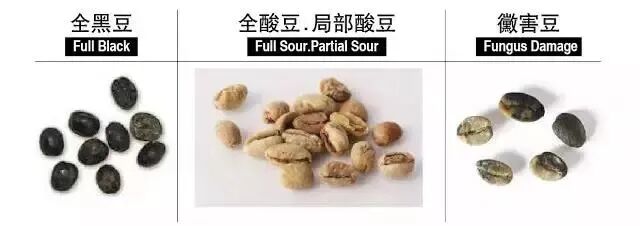
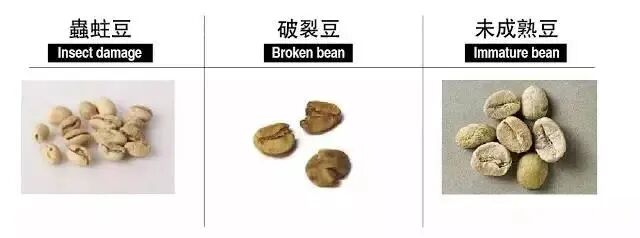
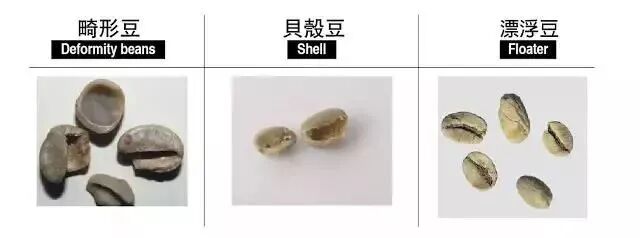
 Before ECX appeared, for washed coffee, export grades were divided into G1 and G2; for sun-dried coffee, export grades were G3, G4, G5, meaning the highest grade for sun-dried coffee was G3. After ECX appeared, grading was redefined. There was no difference in washed grading, but for sun-dried coffee, G1 appeared for the first time. This is also why Ethiopian sun-dried coffee on the market now appears as G1 and G2, while G3 is gradually becoming less common.In addition to varieties, let us also look at Ethiopia's coffee grading system.In Ethiopia's coffee grading system, the most common classification system starts with G and is divided into 5+1 levels(Z is a new level that has just appeared in recent years). The smaller the number, the better. Ethiopia mainly looks at the defect rate, based on "the number of defective beans allowed per 300 grams of green beans," listed as follows:Ethiopia introduced washed processing around the 1970s. At that time, washed processing was regarded as a higher-grade method because it made it easier to obtain uniform quality. Therefore, in the early years, only washed coffee could be ranked in G1-G3, while sun-dried coffee was in G4-G5. However, in recent years, the wave of sun-dried revival that has emerged in the market has meant that sun-dried beans able to rank in the top three grades have also begun to appear and have become the norm.Left: washed Sidamo Grade1 Right: washed Sidamo Grade2Washed Grade1 means 0-3 defective beans per 300 grams of green beans; Grade2 means 4-12 defective beans per 300 grams. Of course, in reality the defect standards of sellers and buyers are certainly somewhat different(otherwise why can we pick out so many defective beans?), but the comparison of defect rates is still very easy to distinguish. G1 clearly has fewer defective beans than G2. This also means that, excluding the influence of specific flavor and roast level, Ethiopian G1 coffee beans are of higher quality and score higher than G2 coffee beans. This is very obvious in defective flavors, but it does not necessarily mean that G2 beans taste worse than G1, only that G1 has fewer bad beans. According to this grading method, there is no necessary relationship between bean quality and uniformity. At the same time, G1 and G2 both belong to the Q1 grade.So what are defective beans?Green coffee beans often contain impurities and bad beans, and these bad beans are what we usually call "defective beans."Types of Green Bean Defects◎ Characteristics: the whole bean or part of the green bean appears black and opaque.◎ Cause: blackening is caused by excessive fermentation, such as fermentation or foul odor, dusty off-flavors, and moldy, sour, rotten flavors.● Full Sour. Partial Sour◎ Characteristics: beans that appear yellow-brown or red-brown are considered sour beans.◎ Cause: sour beans occur when beans undergo fermentation and are contaminated by bacteria during harvesting and processing.◎ Characteristics: in the early stage, fungus-damaged beans show yellow-brown to reddish-brown spots indicating erosion by bacterial spores.◎ Cause: fungus-damaged beans usually occur because mold spores are present on the beans, and after harvest they are stored at a certain temperature and humidity that allows mold to grow and infect the beans.◎ Characteristics: identified by small black holes 0.3-1 .smm in diameter, usually on the inner side of the coffee bean.◎ Cause: insect damage is the most serious in coffee agriculture. When the fruit is still on the tree, insects have already burrowed into the fruit to reproduce.◎ Characteristics: broken beans usually have a dark red area due to oxidation.◎ Cause: broken beans usually occur during pulp processing or dry processing when machines are incorrectly calibrated and excessive friction or squeezing causes the beans to break.◎ Characteristics: immature beans can be identified by their pale and yellow-green skin or white spots on the skin.◎ Cause: there are many reasons for incomplete growth and maturity, including improper harvesting of unripe fruit and cherries that fail to ripen before the end of the season in higher-altitude areas.◎ Characteristics: abnormal shape, with the cut slightly off-center and swollen.◎ Cause: growth defects, physiological factors.◎ Characteristics: shell beans are formed by separation and deformation from either the inside or the outside at the same time.◎ Cause: mainly caused by genetic mutation.◎ Characteristics: floating beans look especially white or faded, and the green beans have spots on their appearance.◎ Cause: due to processing, and this defect is caused by improper storage or drying, usually leading to fading or lower bean density.Because Ethiopia's grading is different from Indonesia and even neighboring Kenya, and is based on the defect rate of coffee beans, the coffee particles are noticeably uneven. Especially after roasting, different coffee varieties expand to different degrees during roasting, further widening the differences between coffee bean particles. But this does not mean these beans are bad.The bad beans are all left in Ethiopia, as the saying goes,you gain some and lose some. It is precisely the uneven particle size, the mixing of varieties, and the uneven particle size that have given Ethiopian coffee its rich flavors and colorful aromas.How does Front Street brew Ethiopian coffee beans?In order to fully extract the fruity acidity of the Ethiopian producing region, Front Street uses a higher water temperature and a finer grind for extraction, but to avoid over-extraction caused by high temperature, it uses a faster-flow dripper, such as the V60 dripper. The V60 dripper has a 60-degree cone shape. The conical angle allows the coffee grounds to concentrate, and when pouring water it also allows the water flow to automatically gather toward the center of the dripper, ensuring sufficient contact time between water and coffee grounds, thereby extracting suitable coffee liquid. In addition, the ribs on the inner side of the V60 dripper extend from the bottom to the top in a clockwise spiral, leaving enough gap between the filter paper and the dripper to improve water flow, and combined with the large hole at the bottom, the flow rate is relatively faster than many drippers.
 Front Street Coffee's specific brewing parameters are: V60 dripper, water temperature 90-91°C, water-to-coffee ratio 1:15, coffee dose 15g, grind size BG#6m (80% passing through a Chinese No. 20 standard sieve)Front Street Coffee uses staged extraction. The amount of water for blooming is twice the coffee grounds, that is, 30 grams of water for a 30-second bloom. Pour in a small stream in circles to 125 grams, then pause. When the water level drops and is about to expose the coffee bed, continue pouring to 225 grams and stop. The total extraction time is 2 minutes.
The above content is compiled by CoffeeHunters, a coffee news website.