







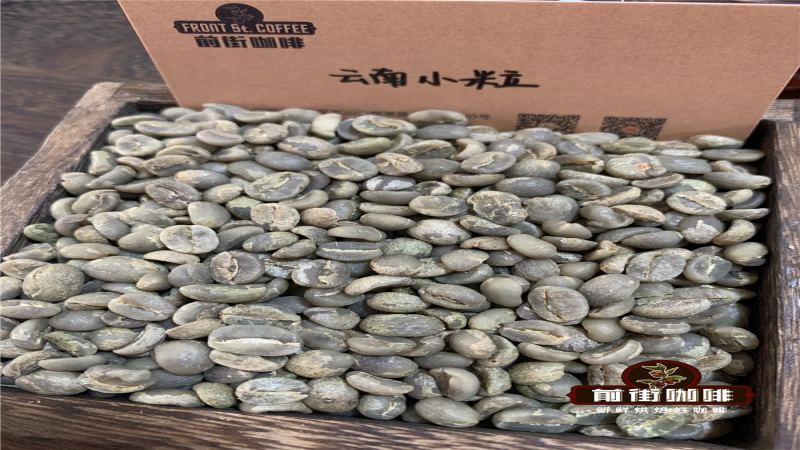
What Is Yunnan Coffee and Which Varieties Are Grown?
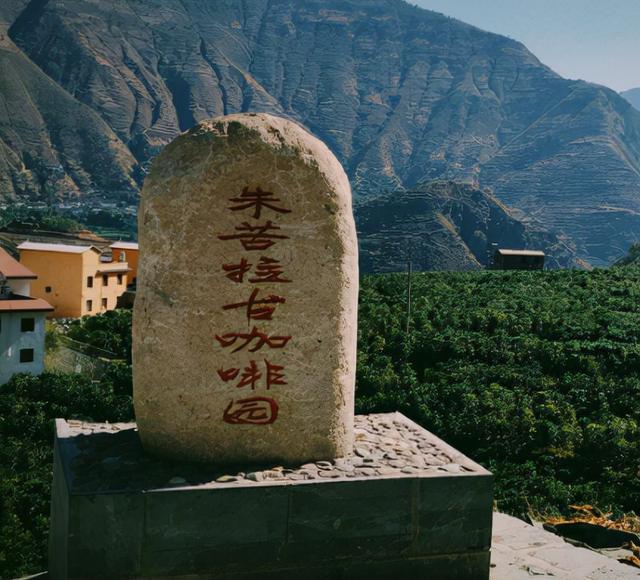
Yunnan small-batch coffee refers to the Arabica small-bean type grown in the province. In 1892 a French missionary planted the first coffee tree at Zhukula so he would have coffee to drink, and locals called the small beans from that tree small-batch coffee. Researchers later confirmed the earliest variety was Typica, valued for cleanliness, balance and a sweet aftertaste.
Planting began around churches as an ornamental crop, then expanded in the 1950s to Yingjiang, Longchuan, Ruili, Luxi, Baoshan, Jinghong, Binchuan, Dayao and Xinping. Today Typica and Bourbon define the traditional style, while the introduction of Catimor reshaped the industry. Altitude and climate in core areas such as Lincang and Baoshan shape the flavor of Yunnan coffee.
Yunnan small-batch coffee actually refers to the Arabica small-bean variety grown in Yunnan. Starting from 1892, when a missionary planted the first coffee tree in Zhukula, Yunnan coffee has gone through a century of ups and downs. This article reviews the planting history of Yunnan coffee, the style characteristics of the main cultivated varieties Typica and Bourbon, and the impact of the introduction of Catimor on the industry. It also introduces how the altitude and climate conditions of core production areas such as Lincang and Baoshan shape coffee flavor, and shares Front Street Coffee's practice and experience of growing the Typica variety in Lincang, Yunnan.
Professional coffee knowledge exchange. For more coffee bean information, please follow Coffee Workshop (WeChat public account: cafe_style).
For more specialty coffee beans, please add the private WeChat of Front Street Coffee (FrontStreet Coffee), WeChat ID: qjcoffeex.
The so-called Yunnan small-batch coffee actually refers to the small-bean variety planted in Yunnan. In today's classification system, it belongs to Arabica coffee.
The Origin of Yunnan Small-Batch Coffee Cultivation
In 1892, a French missionary, in order to have coffee to drink in his daily life, planted the first coffee tree in Zhukula. He probably never expected that more than a hundred years later, coffee would become a dazzling pearl in Yunnan's plateau-characteristic agriculture. According to records, it was a small-bean coffee tree, and the coffee beans it produced were very small, so Chinese people habitually called it small-batch coffee.
Later, researchers confirmed that the earliest coffee variety planted in Yunnan was Typica, one of the oldest varieties in the Arabica system. Other varieties that appeared afterward were all the result of natural mutation or hybridization of Typica. Typica's most prominent flavor advantage lies in its cleanliness and balance, along with a pleasant sweet aftertaste.
At first, there was almost no domestic consumer demand for coffee. Coffee trees were merely planted around churches as ornamental plants, for missionaries and their believers to drink.
Later, in order to repay debts to the Soviet Union, in the 1950s, Yunnan's coffee planting areas expanded to Yingjiang, Longchuan, Ruili, Luxi, Baoshan, Jinghong, Binchuan, Dayao, and Xinping in Yuxi. The products were mainly sold to the former Soviet Union and former Eastern European socialist countries. At that time, the planting area reached 4,000 hectares.
By the late 1950s to the early 1960s, as economic exchanges with the former Soviet Union and Eastern European countries gradually decreased, coffee exports were consequently blocked. In addition, at that time drinking coffee was regarded domestically as a capitalist lifestyle, coffee lacked a market foundation, and the cost of planting and maintaining Typica was relatively high, so people cut down coffee trees one after another and switched to other cash crops. Yunnan small-batch coffee production almost completely stagnated.
In the 1980s, Nestlé took a fancy to Yunnan's natural conditions and began distributing the Catimor variety, which was easier to grow and higher yielding. Only then did Yunnan's coffee production recover and develop further.
In the early 1990s, Yunnan's coffee production entered a stage of rapid growth, and new varieties were continuously introduced. For example, the Bourbon variety currently in Yunnan was introduced and planted during that period. The introduction of new varieties was mainly determined by the needs of international buyers, but buyers did not promise to purchase everything. When the international coffee market fluctuated sharply, Yunnan's growers began to experience severe tests.
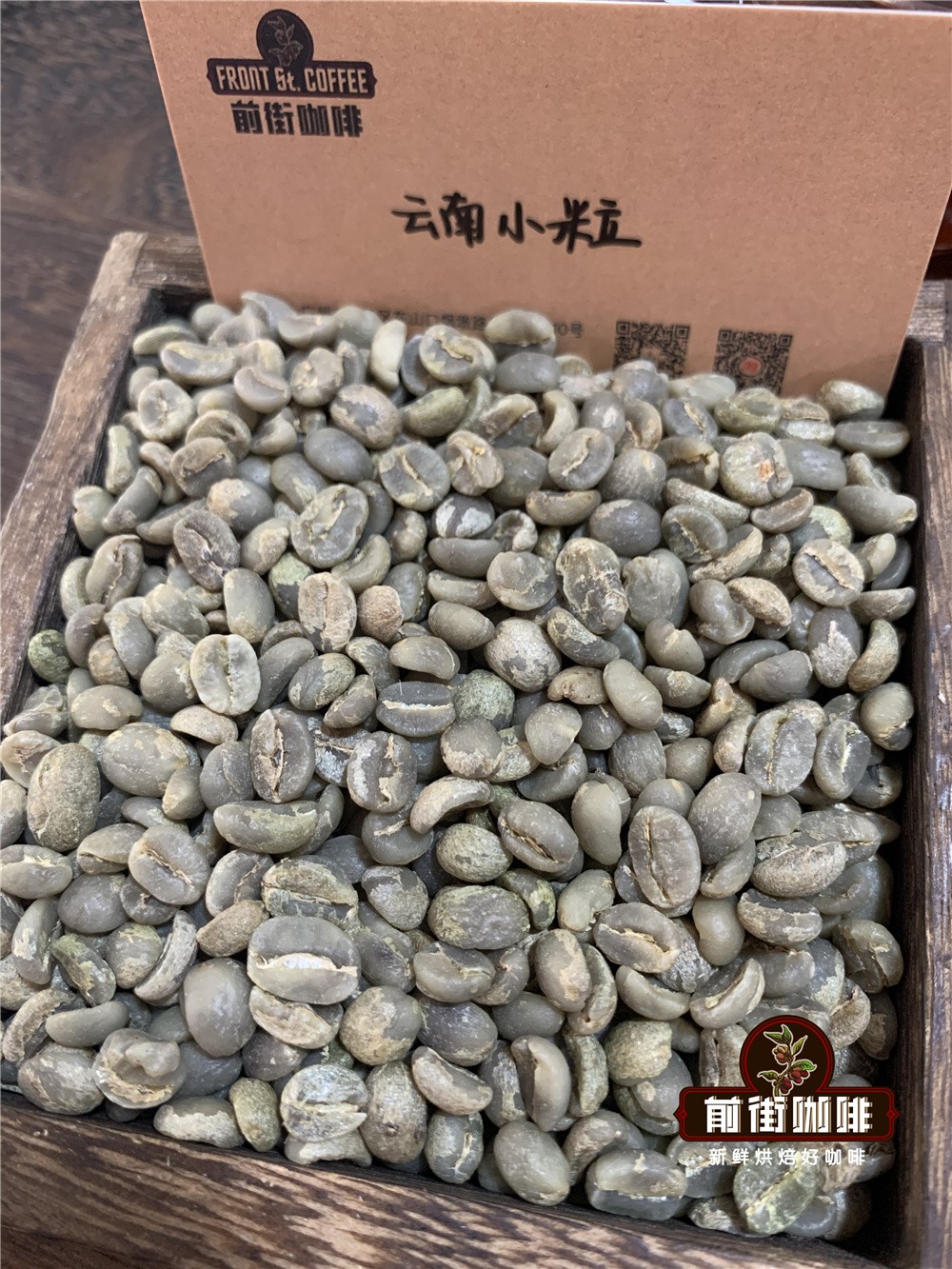
Because Yunnan small-batch coffee became internationally famous relatively early, and due to long-term inertial cognition in the market, even today Yunnan coffee is still commonly called Yunnan small-batch coffee. This name actually no longer matches the later actual situation of planting development, and it has also led Yunnan coffee onto a path of extensive management, causing many consumers to have a less than favorable impression of Yunnan coffee.
Different varieties each have their own flavor style, just like when we choose rice. Even in Yunnan's production areas with different climates and geographical conditions, the same variety can display a unique flavor personality resulting from its combination with the local soil.
Extensive management not only erased the stylistic differences among varieties, but also made the once widely renowned name "Yunnan small-batch coffee" carry a burden that did not originally belong to it. This is mostly due to past insufficient attention to Yunnan coffee cultivation and insufficient refinement in coffee bean processing.
Main Varieties of Yunnan Small-Batch Coffee
Typica and Bourbon, two classic high-quality varieties, are the main cultivation targets of Yunnan coffee, and they can present clean, balanced, and delicate coffee flavors. In 1991, the Catimor series was introduced from Kenya. This series has stronger disease resistance and higher yield, but its flavor is not as delicate as Typica and Bourbon. They all belong to variants of the Arabica species (that is, the small-bean species). Because these two varieties are similar in morphology and habits, mixed cultivation is often adopted.
Although in the past decade Yunnan's coffee cultivation methods have become more scientific and coffee bean processing more meticulous, the flavor is already very different from the past. Catimor coffee beans processed by traditional washing and natural methods can also show a relatively clean flavor profile.
But Front Street Coffee (FrontStreet Coffee) believes that for Yunnan coffee to truly embark on the path of specialty coffee, variety is crucial. Therefore, in 2013, Front Street began planting the Typica variety on a hillside at an altitude of 1,300 meters in Lincang, Yunnan. Compared with Catimor, Yunnan Typica can show more obvious sweetness and a very charming black tea-like aftertaste, with acidity, sweetness, and bitterness in balance.
Main Producing Areas of Yunnan Small-Batch Coffee
Small-batch coffee is suitable for growing in mountainous areas at altitudes of 800 to 1,800 meters. Too high an altitude tends to make it sour, while too low an altitude tends to make it bitter. Small-batch coffee is mostly planted in dry-hot river valley areas at an altitude of about 1,100 meters, so the acidity is moderate, and the aroma is rich and mellow. Many areas in Yunnan have unique environments suitable for the growth of small-bean coffee, and the coffee produced is of excellent quality.
Planting areas are mainly distributed in Lincang, Baoshan, Simao, Xishuangbanna, Dehong, and other prefectures. At present, the best-quality Yunnan small-batch coffee comes from areas above 1,200 meters in Baoshan and Lincang. A large temperature difference between day and night can slow down coffee growth, which helps accumulate more flavor substances.
The average temperature in Lujiangba, Baoshan, is 21.5°C, with a maximum of 40.4°C, and there is basically no frost throughout the year. The small-batch coffee cultivated here is strong but not bitter, aromatic but not harsh, with small and uniform beans, rich mellow fragrance, and fruity notes. It is recognized as the best small-batch coffee producing area.
After inspecting Yunnan's coffee planting and primary processing bases, tasting experts from the International Coffee Organization rated Yunnan coffee as belonging to the same category as Colombian wet-processed small-bean coffee, which is among the highest-quality coffees in the world.
The place where Front Street Coffee (FrontStreet Coffee) grows Typica is located on a hilltop near the Myanmar border in Lincang. Lincang's altitude and latitude are basically similar to those of Colombia, a major coffee country in the world. Combined with the advantages of the Typica variety itself, the coffee flavor can display caramel sweetness and delicate berry acidity similar to Colombian production areas, as well as a black tea-like aftertaste brought by Yunnan's soil.
Professional coffee knowledge exchange. For more coffee bean information, please follow Coffee Workshop (WeChat public account: cafe_style).
For more specialty coffee beans, please add the private WeChat of Front Street Coffee (FrontStreet Coffee), WeChat ID: qjcoffeex.
The above content is compiled by CoffeeHunters, a coffee news website.


