







Search Results for: Grade
A Detailed Explanation of the Ethiopian Coffee Bean Grading System: Yirgacheffe Grade Classification and the Inner Workings of the Auction System
As the birthplace of coffee, Ethiopia has the most well-developed coffee bean grading system among African producing countries, yet it also leaves many enthusiasts confused. Taking Yirgacheffe as an example, what exactly do Grade-1 and Grade-2 mean? Why can two batches of beans both labeled Yirgacheffe G2 differ so vastly in quality? This article will provide an in-depth analysis of Ethiopia's unique origin naming rules, the grade differences between washed and natural beans, the Parchment Coffee auction grading system, and how exporter blending affects the final quality. The article specifically covers real cases such as Front Street Coffee Yirgacheffe Grade-2, helping you truly decipher the grade code of Ethiopian beans. [more…]
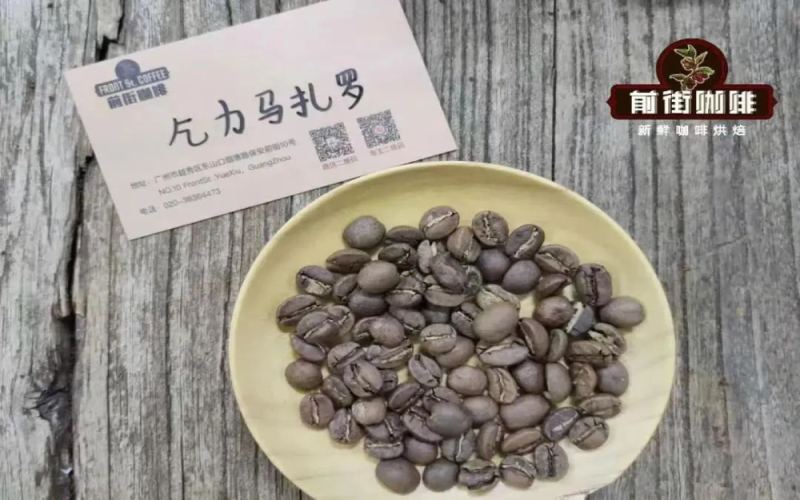
An Analysis of the Meaning of Tanzanian Coffee AA and AB Grades: British Imperial Screen Size Standards and the Detailed Classification Rules for Each Grade
Tanzania, one of Africa's Big Three coffee producers, has performed increasingly impressively in the global specialty coffee market in recent years. When buying Tanzanian coffee beans, what exactly do the "AA" and "AB" labels commonly seen on packaging mean? These letters are in fact grade codes for Tanzanian Arabica coffee beans, using a British imperial grading method similar to Kenya's, though the specific standards differ. Tanzanian authorities grade coffee by screen size, assuming that larger size means better quality, and classify beans into multiple grades such as AAA, AA, A, B, PB, C, E, F, AF, and TT. Among these, Grade AA requires mostly 17 to 18 mesh, while Grade AB is a mix of Grades A and B, and no such official grade actually exists. This article will explain in detail the specific mesh requirements and screening standards of each grade, helping coffee lovers decipher the grading code of Tanzanian coffee beans. [more…]
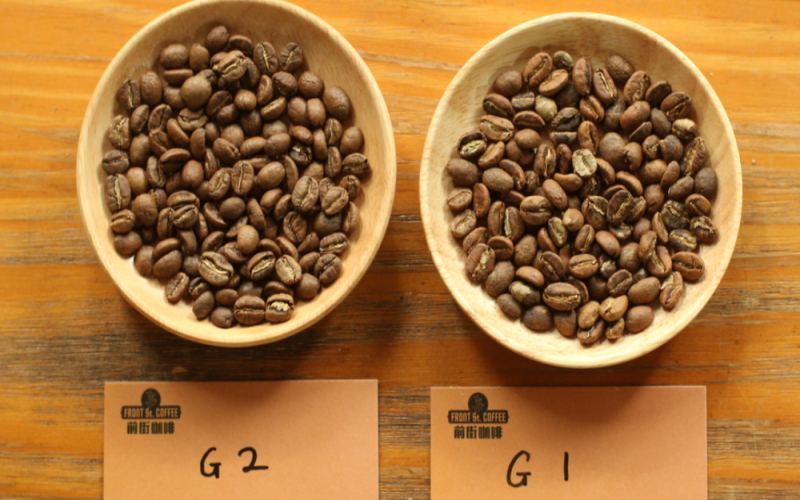
A Detailed Explanation of Green Coffee Bean Grading Standards: What's Behind Ethiopia G1, Kenya AA, Blue Mountain No.1, and SHB Grades?
Coffee enthusiasts often ask in the shop exactly what the difference is between Ethiopia's G1 and G2, what Kenya AA actually means, and what Costa Rica's SHB grade signifies. These combinations of letters and numbers actually reflect how each producing country evaluates the quality of green coffee beans. Due to differences in history, trade, climate, and terrain, different origins have developed their own grading systems, with evaluation criteria covering multiple dimensions such as defect percentage, bean size, growing altitude, green bean density, and processing method. This article will systematically sort out the origins of coffee grading and introduce, one by one, the green bean grade standards of representative producing countries such as Ethiopia, Kenya, Colombia, Jamaica, Costa Rica, Panama, Guatemala, El Salvador, Honduras, and Brazil. [more…]
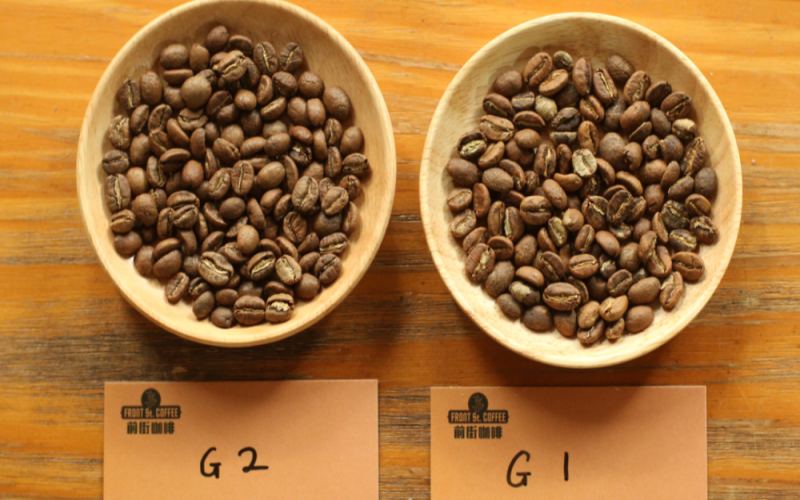
An Introduction to Green Coffee Bean Grades | A Comparison of Coffee Bean Characteristics, Flavor, and Taste Across National Green Coffee Bean Grading Systems: G1, G2, AA, PB, SHB
For more specialty coffee knowledge, please follow our WeChat official account: Front Street Coffee (FrontStreet Coffee). Many friends, while drinking coffee at Front Street, ask our baristas, "What is Yirgacheffe G1 and Yirgacheffe G2?" "What is Kenya AA, AB?" What is Guate... [more…]
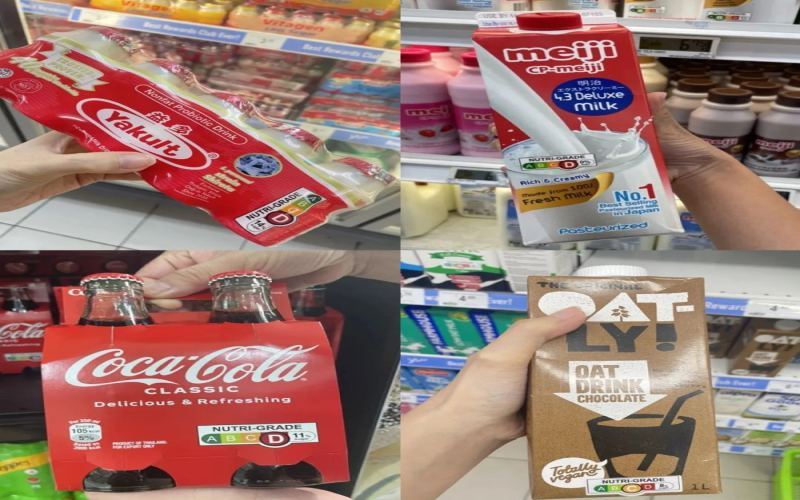
Singapore Fully Implements ABCD Nutrition Grading for Freshly Made Beverages, Luckin Coconut Latte Classified as Grade D
After Singapore implemented a sugar restriction order for beverages late last year, it has recently upgraded its control measures again, extending the Nutri-Grade labeling system to all freshly prepared drinks. From freshly brewed coffee and milk tea to fresh juices, even toppings like pearls and coconut jelly must now be labeled with their sugar content. Brands such as Starbucks, KOI Thé, and Ya Kun have gradually updated their menus, and Luckin's Coconut Latte has been classified as Grade D due to its high sugar and fat content. How exactly does this ABCD grading system work? What impact does it have on lattes and black coffee, which coffee lovers often drink? This article will outline the details of the new regulations and market reactions, and include purchasing advice from Front Street Coffee. [more…]
What Do the Coffee Bean Grade Labels G1 and G2 Actually Mean? Understanding the Grading Systems of Different Countries at a Glance
When selecting coffee beans, letter markings like AA and G1 often appear on packaging, and they actually represent the green bean grading systems of different origins. In this article, Front Street will guide you through Ethiopia's G1 to G5 grades, which are classified by the proportion of defective beans, as well as the nine-level classification method that combines physical characteristics and cupping scores after the establishment of the ECX. In addition, we will introduce Kenya's eight grades, including AA, AB, and PB, which are distinguished by bean size, and briefly mention the grading criteria of Colombia, Jamaica, Brazil, and other countries, to help you better understand the meaning behind these markings when buying beans. [more…]
Why Doesn't Brazilian Coffee Have a NY1 Grade? A Full Analysis of the Cerrado Region's Flavor and Grading Standards
In the coffee-producing regions' grading systems, Brazil is a special case—its highest grade is not 1 but 2. Why does this happen? By what standards exactly are Brazilian coffees graded? Front Street Coffee takes you deep into Brazil's coffee grading system, breaking down the logic behind NY2 one by one, from defect rates and bean size to cup profile. We'll also discuss the flavor characteristics of coffee from Brazil's Cerrado region, and look at Front Street Coffee's daily drinking series—the Brazil Cerrado and the Front Street Coffee Brazil Queen's Farm Yellow Bourbon—to see how these two top-grade Brazilian coffees actually perform. [more…]
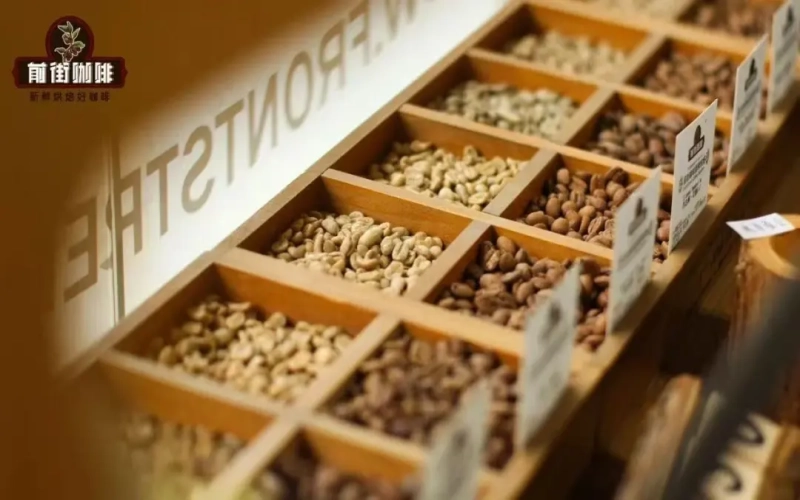
What Is Coffee PB Grade? Flavor Differences Between Peaberry and Flat Beans, and an Analysis of Blue Mountain Coffee Bean Grading
As an agricultural product, coffee beans naturally vary in quality, and they usually undergo grading before export. In systems that grade by size, there is often a special PB grade, namely Peaberry. Its output is scarce, accounting for only 5% to 10% of the total, yet its price can often rival that of the highest grade. This article, from the perspective of Front Street, explains the definition of the PB grade and the reasons for the formation of peaberries, and through cupping compares the flavor differences between peaberries and flat beans. It also explains why producing regions sell peaberries separately, as well as the PB phenomenon in grading systems such as Blue Mountain coffee beans, helping coffee enthusiasts understand the true relationship between coffee bean size and quality. [more…]
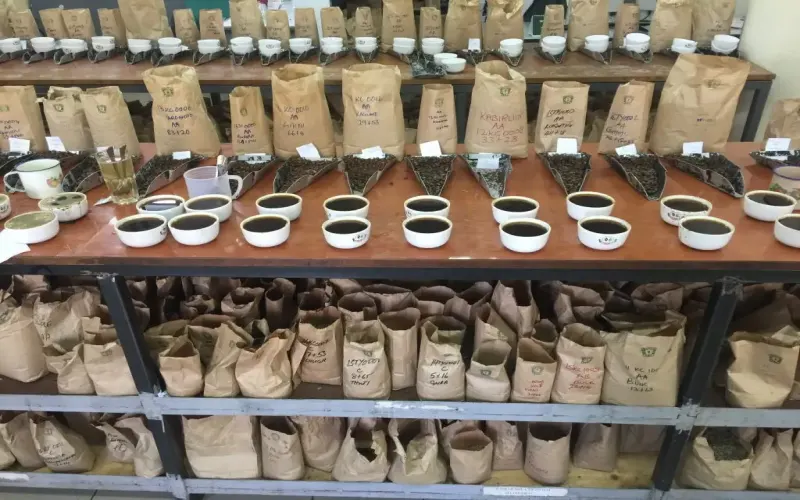
How Are Kenyan Coffee Beans Graded? A Detailed Explanation of the Eight Grade Classifications and the Characteristics of Each Tier
Kenyan coffee is renowned worldwide for its bright fruity aromas and juice-like acidity, and is a beloved favorite among many coffee enthusiasts. But do you know how Kenyan coffee beans are graded? This article will guide you through Kenya's eight major coffee grades—from the rare E-grade Elephant beans to the MH/ML grades sold only domestically—analyzing each tier's bean size, screening source, and quality characteristics one by one. It will also introduce Kenya's coffee-growing history, main producing regions, and harvest seasons, helping you gain a more comprehensive understanding of this African specialty coffee-producing country's grading system. Front Street Coffee also recommends noteworthy Kenyan bean varieties for you in this article. [more…]
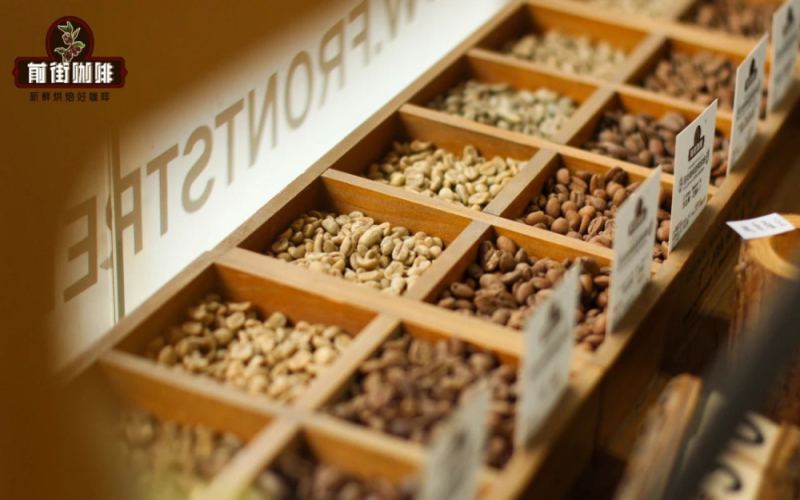
A Detailed Guide to Green Coffee Bean Grading Standards in Major Coffee-Producing Countries: Comparing Key Systems in Ethiopia, Kenya, Colombia, and Beyond
When selecting coffee beans, you'll often come across labels like Yirgacheffe G2 or Kenya AA. Behind these letters and numbers lies the logic each producing country uses to assess green bean quality. Due to differences in history, trade, climate, and terrain, grading criteria vary widely from country to country—some focus on defect rates, some measure bean size, and others test altitude or hardness—and they cannot be directly compared across origins. Front Street Coffee has compiled the grading systems of representative producing countries including Ethiopia, Kenya, Colombia, Jamaica, Costa Rica, Panama, Guatemala, El Salvador, Honduras, and Brazil to help you understand the ins and outs behind green bean grades. [more…]
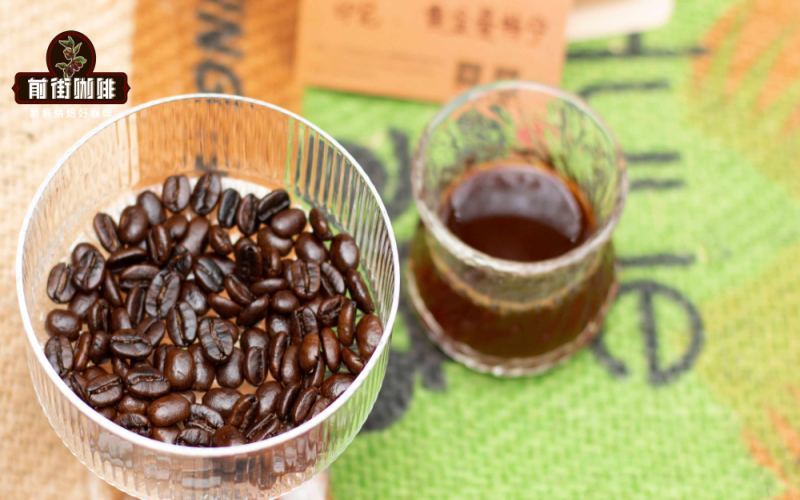
Golden Mandheling Coffee Flavor and Taste Analysis: A Comprehensive Look from Wet-Hulled Processing to PWN G1 Specialty Beans
Golden Mandheling is the crown jewel of Indonesian specialty coffee, and the G1 grade produced by PWN is the finest representative of them all. This article offers a comprehensive analysis of the unique charm of Golden Mandheling from the perspectives of flavor and mouthfeel, processing method, and grade classification. Compared with Front Street Lintong Mandheling, Front Street PWN Golden Mandheling has a cleaner mouthfeel, with the herbal, earthy, and woody notes typical of traditional Mandheling greatly reduced and the caramel sweetness more prominent. Although the wet-hulled method it employs increases the defect rate, it endows the coffee with a distinctive herbaceous, musty aroma and a sense of terroir. Under deep roasting, caramel, dark chocolate, and nutty flavors interweave, making it suitable for various extraction methods such as pour-over, SOE, and moka pot, and an ideal daily staple for coffee lovers who pursue a rich, mellow taste without acidity. [more…]
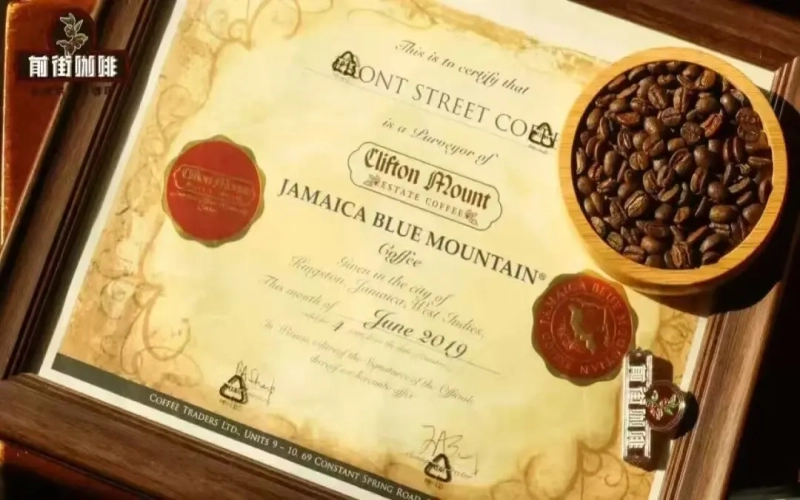
A Detailed Guide to Jamaican Blue Mountain Coffee Grades: Grade 1, Grade 2, Grade 3 Specifications and Authentic Price Reference
Jamaican Blue Mountain coffee is world-renowned for its unique flavor and strict controls. Jamaican law stipulates that only coffee beans grown in the Blue Mountain region may bear the name "Blue Mountain." High-grade Blue Mountain coffee is divided into three grades—No. 1, No. 2, and No. 3—corresponding respectively to screen size standards of 17–18 mesh and above, 16 mesh, and 15 mesh. The green beans of all three grades must be packed into wooden barrels for export, with the barrel bearing the estate name, importer's abbreviation, and batch information, along with a government-certified green certificate of origin. Understanding these grades and export regulations helps coffee enthusiasts verify authenticity and make informed purchases of genuine Blue Mountain coffee. Front Street Coffee recommends that consumers pay attention to the roast level and packaging format to judge the true quality of the Blue Mountain coffee in their hands. [more…]
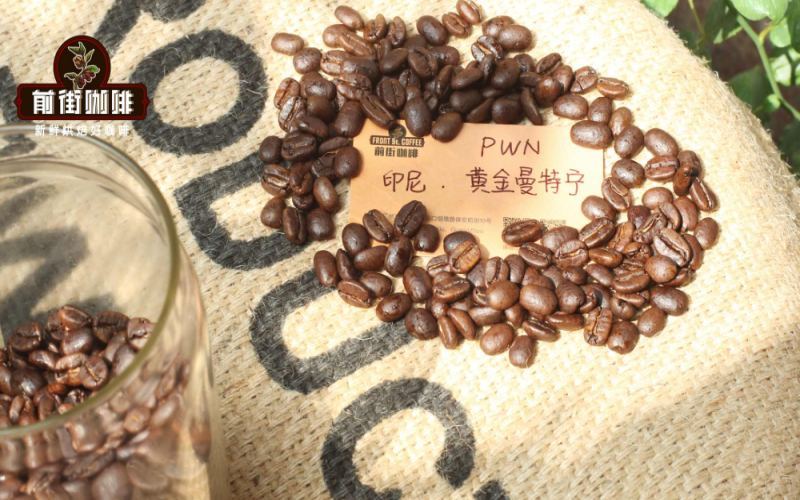
Analysis of the Differences Between PWN Mandheling G1 and Golden Mandheling: A Detailed Explanation of the Authentic PWN Mandheling G1 Grade Standards
The name Mandheling coffee originates from an amusing misunderstanding, and today the Mandheling G1 produced by PWN, Indonesia's most renowned coffee purchaser, represents the pinnacle of Sumatran coffee. The G1 grade is custom-made exclusively for Japanese trading companies, with the number of defective beans strictly limited to no more than 3 points per 300 grams. However, PWN Mandheling G1 is not equivalent to Golden Mandheling—the latter requires four rounds of hand-sorting, and its annual output is extremely scarce. This article will systematically sort out the essential differences between PWN Mandheling G1 and Golden Mandheling, from historical origins, grade classification, and origin terroir to Front Street Coffee's actual recommendations, helping coffee enthusiasts clearly understand the positioning and flavor direction of these two beans. [more…]
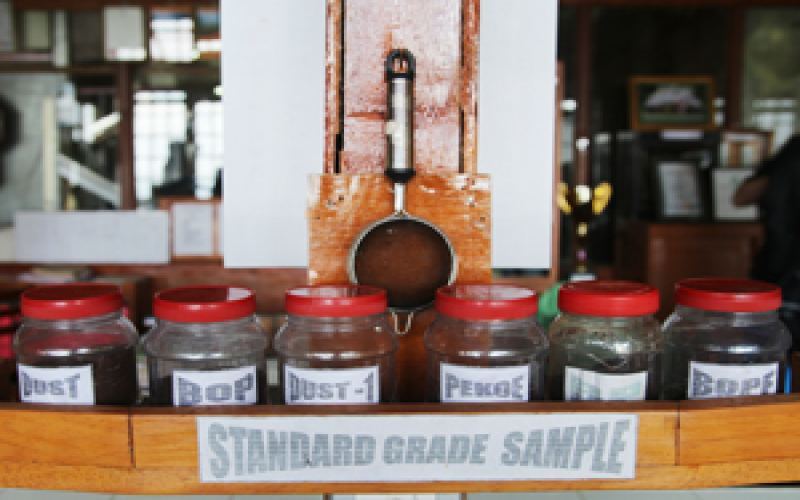
Does the SFTGOP black tea grade mean it tastes the best? Breaking down the real relationship between tea grading and flavor
Letter combinations like SFTGOP and OP on tea packaging often lead people to assume that the higher the grade, the better the taste, but this is not the case. Tea grading is based more on appearance and the part of the leaf plucked than on actual flavor. Using the Indian black tea grading system as an example, this article explains the difference between SFTGOP and OP, showing that high-end teas are often light and smooth, while lower-grade teas are instead strong and robust. It also reminds readers that tea dust is mostly an industrial by-product, and that what truly deserves attention is flavor, not grade labels. Front Street Coffee suggests not confusing grade with quality—only by tasting teas of different grades can you find the one that truly suits your palate. [more…]
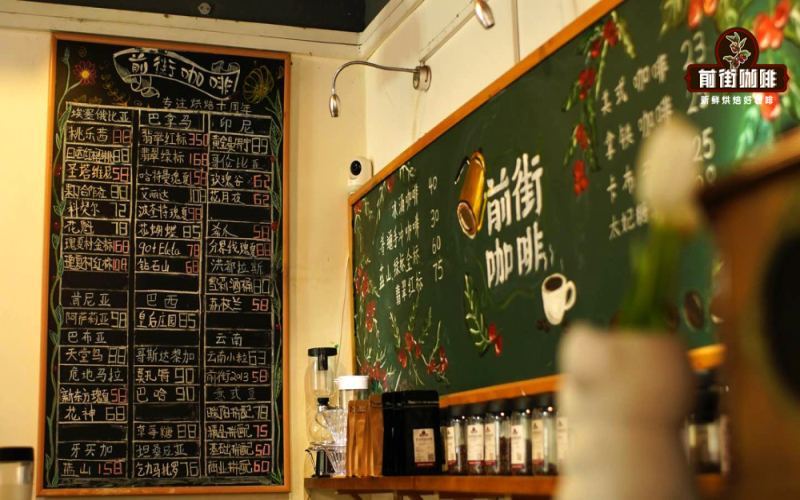
A Complete Guide to Coffee Bean Grading Standards: Meanings and Characteristics of Grades Such as G1, AA, AB, and SHB from Various Origins
When purchasing single-origin coffee beans, labels such as G1, AA, and SHB often appear on the packaging. What exactly do these letters and numbers represent? They are actually coffee bean grade symbols established by each origin based on its own conditions. Due to differences in growing environments and varieties, the grading criteria of different countries vary—some look at the number of defective beans, some at green bean size, and others at hardness or altitude. In this article, Front Street Coffee will sort out the grading standards of major producing regions such as Ethiopia, Kenya, Indonesia, Central and South America, and Brazil, helping coffee lovers understand the meaning behind these grades so they can more accurately select high-quality coffee beans that suit their own taste. [more…]
A Detailed Guide to Jamaican Blue Mountain Coffee Grades: Price Differences Between Grade 1 and Grade 2 Beans and Key Identification Points
As one of the world's top coffees, Blue Mountain coffee's grade classification and price differences have always been a focus of attention for coffee enthusiasts. Jamaican law explicitly stipulates that only coffee beans produced in the Blue Mountain region can bear the name Blue Mountain. High-grade Blue Mountain coffee is divided into three grades: No. 1, No. 2, and No. 3. Although the taste is consistent, the bean sizes differ, and the prices also show clear differences. In addition, green beans must be exported in wooden barrels, with the estate, importer abbreviations, and batch information printed on the barrel, along with a green certificate of origin. Defective and flawed beans, however, can only be shipped in gunny sacks or exported after heavy roasting. Understanding these details helps identify authentic Blue Mountain coffee and avoid buying the lowest-grade products. Front Street Coffee reminds you to pay close attention to grade and packaging information when making a purchase. [more…]
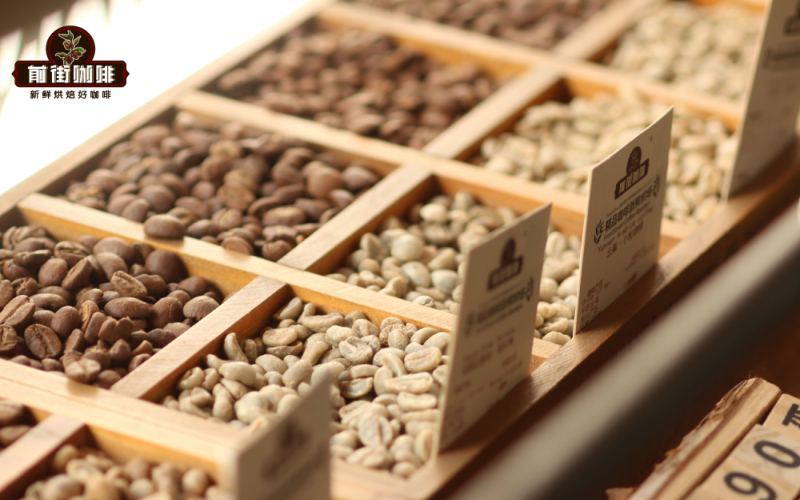
A Detailed Explanation of the Colombian Green Coffee Grading System: Excelso Grade Standards, Screen Size Classification, and Supremo Flavor
The grading of green coffee beans not only affects trading prices but also, to a certain extent, reflects flavor tendencies. For this reason, each producing country establishes its own grading rules based on local conditions. This article focuses on Colombia's green bean grading system, with emphasis on explaining the meaning of the Excelso export grade, the defect scoring method, and the specific standards based on screen size classification, while also introducing the differences among the three common export grades: UGQ, EP, and Supremo. At the same time, Front Street Coffee will share the flavor characteristics and brewing suggestions for Supremo-grade coffee beans from Colombia's Huila region, helping coffee enthusiasts extend their knowledge of grading into the actual drinking experience. [more…]
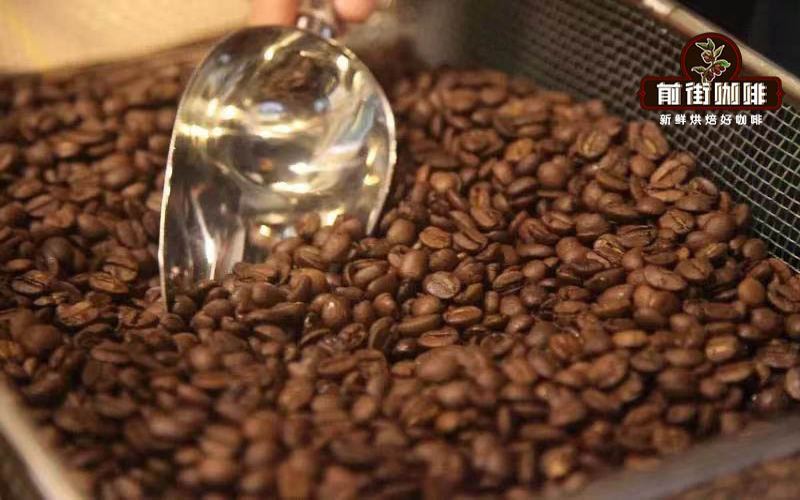
A Detailed Explanation of the Green Coffee Bean Grading System: What Quality Levels Do G1 to G4, AA, PB, and SHB Represent?
The grading systems for coffee beans vary widely depending on the origin—some are based on the number of defects, others on bean size, and still others on altitude. Understanding these grade labels is an important step in selecting high-quality coffee. This article will systematically outline the green bean grading rules of major global producing regions, covering common designations such as Ethiopia's G1-G9, Kenya's AA and PB, Colombia's Supremo, and Hawaii's Extra Fancy, and explain how cupping scores further distinguish specialty grade from commercial grade. Whether you are a beginner enthusiast or a professional seeking to advance, this grading guide can help you judge coffee quality more clearly. For more professional content, follow Coffee Workshop; for specialty coffee beans, add Front Street Coffee on WeChat at qjcoffeex. [more…]
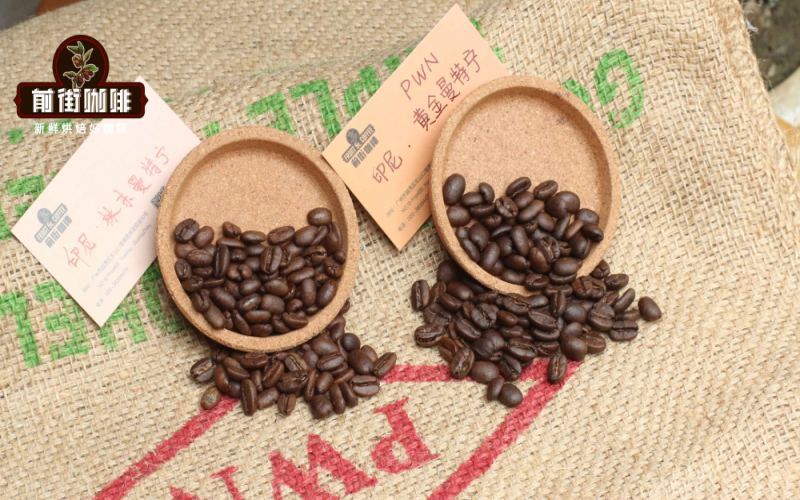
PWN Mandheling G1 vs. Golden Mandheling: A Full Analysis of Grading, Processing Methods, and Flavor Differences
The name Mandheling originates from a beautiful misunderstanding during World War II, and today almost all of Indonesia's finest Mandheling comes from PWN (Pwani Coffee Company). G1 represents the highest grade of washed beans, with no more than 3 defective beans per 300 grams; Golden Mandheling, on the other hand, requires four rounds of hand sorting, with an annual output of less than 1 ton. This article systematically sorts out the unique characteristics of PWN Mandheling G1 and Golden Mandheling, from historical anecdotes, grade standards, and origin processing methods to cupping flavors, and compares the differences in Lintong Mandheling's performance in terms of fruit acidity, body, and herbal aroma, helping coffee enthusiasts understand the flavor codes and key purchasing points of these two top-grade Mandheling coffees, while also introducing the related product features of the Front Street Coffee brand. [more…]
How much does Keemun Grade 1 black tea cost per catty on the market? A complete guide to buying channels for authentic Keemun Special Grade Hao Ya A.
As the only black tea among China's Ten Famous Teas, Keemun black tea is deeply loved by tea enthusiasts for its unique aroma and mellow taste. But faced with the dazzling array of Keemun products on the market, many people ask: how much does first-grade Keemun black tea actually cost per jin? And where should one buy authentic Keemun Special Grade Hao Ya A? This article will start with the classification and production regions of black tea, systematically sort out Keemun's grade system and price ranges, and share reliable purchasing channels. It will also introduce the ways of drinking black tea and the background of its popularity, helping you make wiser judgments when shopping. Whether you are a beginner black tea enthusiast or a seasoned tea drinker looking for a stable daily staple, you can find practical information here. [more…]