








How Will the Birr Reform Affect Ethiopia's Coffee Industry?
On July 29, 2024, the National Bank of Ethiopia introduced a market-based exchange rate mechanism, effective immediately. The birr fell about 30 percent against the US dollar in one day. For the coffee industry, the reform aims to ease a long foreign exchange shortage, lift export competitiveness, and attract foreign investment.
The measures let exporters and commercial banks retain foreign exchange, raise the share exporters may keep to 50 percent, abolish the import ban on 38 product categories, and open the securities market to foreign investors. Ethiopia is a major global coffee exports origin, so a weaker birr could shift export volumes and pricing on the international market.
On July 29, 2024, the National Bank of Ethiopia announced a major adjustment to the country's foreign exchange system, effective immediately, with the core being the introduction of a competitive exchange rate formation mechanism based on market supply and demand. This move is seen as a key step in resolving the country's long-standing foreign exchange shortage, but it also quickly triggered a sharp currency depreciation—the birr plunged about 30% against the US dollar in a single day. As an important global coffee-producing region, how will this policy change in Ethiopia affect its coffee industry and the international coffee market? This article will review the specific contents of the reform, the exchange rate changes, and their potential transmission effects on coffee exports and prices.
On July 29, the National Bank of Ethiopia publicly announced a major revision to the country's foreign exchange system and declared it effective immediately. The institution stated that this reform will introduce a market-based competitive exchange rate determination mechanism, which is expected to resolve the long-standing structural problems in Ethiopia's economy.
According to the announcement, the core direction of this foreign exchange reform is the transition to a market-oriented foreign exchange system. The specific measures cover multiple levels: shifting to a system in which the exchange rate is determined by market supply and demand; allowing exporters and commercial banks to retain foreign exchange; abolishing the previous import ban on 38 product categories; raising the proportion of foreign exchange earnings that exporters may retain to 50%; establishing non-bank foreign exchange exchange institutions; simplifying the management rules for foreign currency accounts; providing subsidies for residents to open foreign currency accounts; eliminating the interest rate ceiling when borrowing from abroad; opening Ethiopia's securities market to foreign investors; and relaxing the limits on the amount of foreign currency that can be carried when entering and leaving the country.
The Ethiopian government believes that this foreign exchange reform is indispensable for alleviating the severe foreign exchange shortage, enhancing export competitiveness, attracting foreign direct investment, and supporting other macroeconomic reforms, and that it will help create more favorable conditions for the growth and prosperity of the private sector in the country's economy.

The reform is expected to benefit millions of Ethiopians, especially those in foreign exchange-earning sectors, such as farmers engaged in the cultivation of export crops including coffee, sesame, beans, and flowers, herders exporting cattle and meat, workers in industries such as mining, and thousands of businesses in the service and tourism sectors.
It is reported that Ethiopia's economy has grown rapidly in recent years, but the foreign exchange shortage has always been a major chronic problem plaguing the country's economy. For this reason, Ethiopia has implemented strict foreign exchange controls for many years to curb capital outflows and maintain exchange rate stability.
However, strict foreign exchange controls have also given rise to many drawbacks, including a lack of transparency in foreign exchange market transactions, the proliferation of black market trading, and difficulties for businesses and investors in obtaining the foreign exchange they need. These are precisely the background to this foreign exchange policy adjustment. At the same time, Ethiopia's partners—the International Monetary Fund and the World Bank—provided a total of US$10.7 billion in financing support for this reform.
But shortly after the new mechanism was announced, the foreign exchange rate fell significantly. According to data reported by theCommercial Bank of Ethiopia, the buying rate changed from 57 birr per US dollar to 74 birr, and the selling rate changed from 58 birr per US dollar to 76 birr, a single-day depreciation of as much as 30%. By July 31, the latest exchange rate published by the Commercial Bank of Ethiopia had become 80 birr per US dollar. Some local residents said that an exchange rate of 100 birr per US dollar may appear in the future.
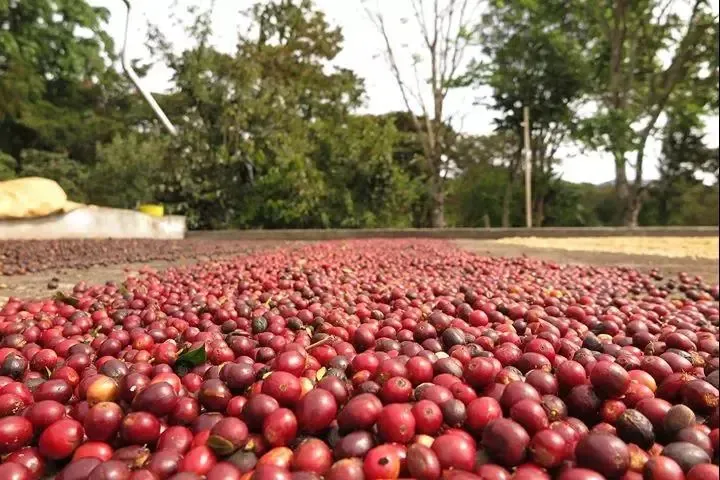
For coffee, Ethiopia's main export commodity, the depreciation of the country's currency, the birr, helps enhance the competitiveness of Ethiopian coffee in the international market and is beneficial to exports in the short term.
In addition, the Ethiopian government decided to minimize the price impact on basic imported goods such as fuel, fertilizer, medicines, and edible oil through temporary subsidies and price controls. But at present in Ethiopia, prices of various consumer goods have already risen sharply, with some goods increasing by 50% to 100%, putting considerable pressure on local consumers. The cost of coffee cultivation will also increase accordingly, and Ethiopian coffee prices may rise further in the future.
The above content is compiled by CoffeeHunters, a coffee news website.


