







Why the birr slump matters to the coffee industry
Ethiopia's birr has depreciated by nearly 100 percent since the country reformed its foreign exchange system at the end of July, moving to a market-based exchange rate. The rate went from about 57 birr per US dollar to roughly 110. Economists expect coffee exports, a key agricultural earner, to slow or stagnate in the short term rather than grow.
The shift narrowed the gap between the official and black market rates, but regional security tensions, high inflation, and spreading armed conflict are adding pressure on agricultural exports. A document about new 500 and 1,000 birr banknotes circulated on social media and was dismissed by officials as false, though the rumor reflected real worry about currency instability.
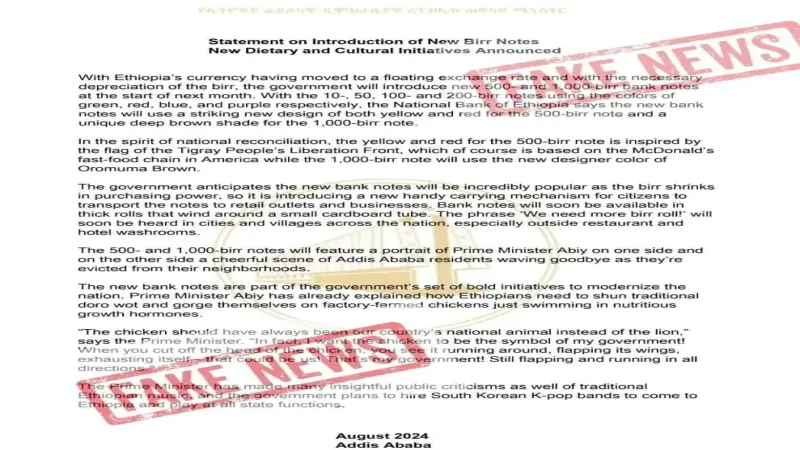
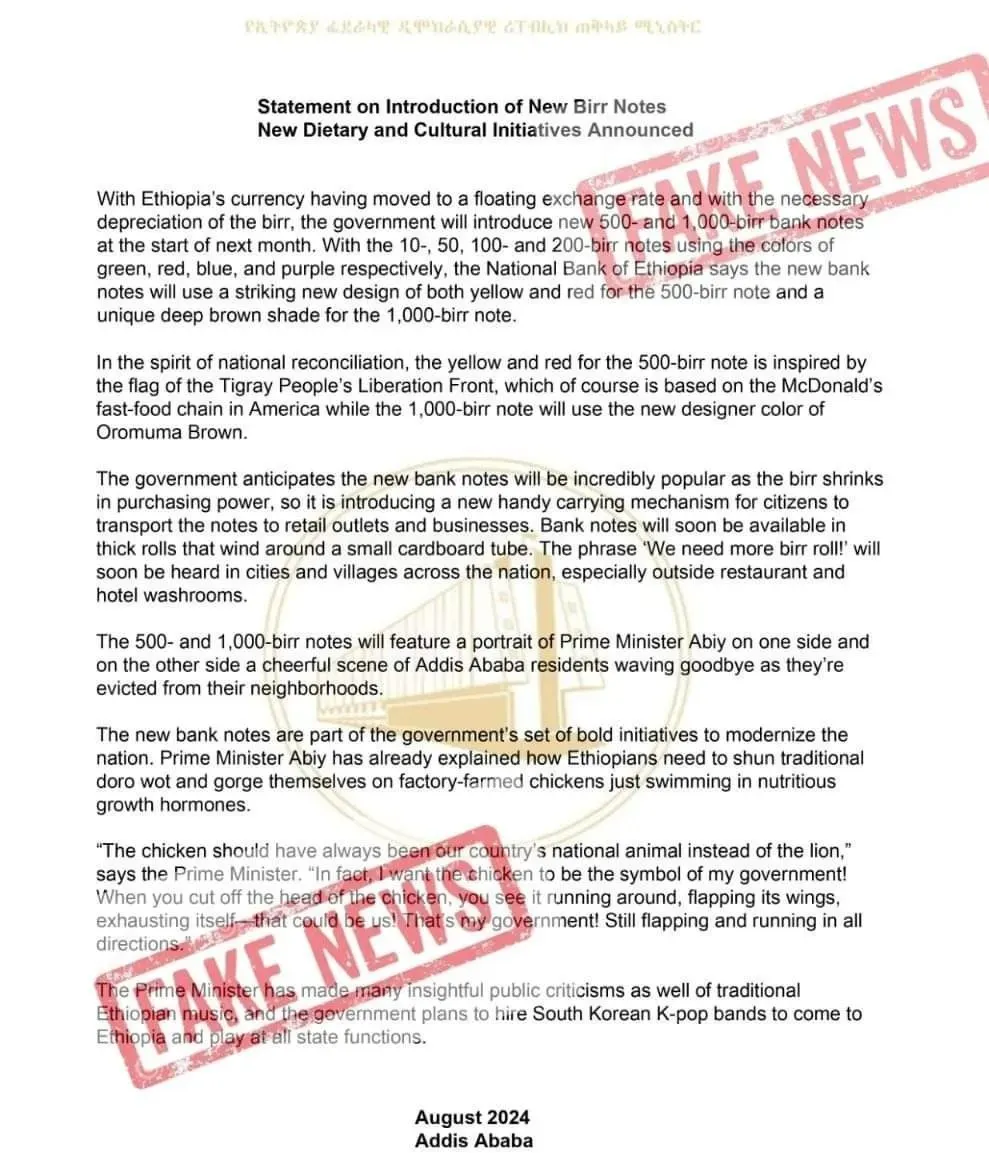
Recently, a document concerning the design of Ethiopia's new banknotes circulated on social media, drawing attention to the movement of the country's currency, the birr. Although the authorities have clarified that the related information is untrue, the reality of the birr's unstable exchange rate remains worrisome. Since Ethiopia implemented foreign exchange system reform at the end of July, the birr has depreciated by nearly 100%, and the gap between the official exchange rate and the black market rate has narrowed somewhat. However, factors such as tense regional security, high inflation, and spreading armed conflict are putting multiple pressures on agricultural exports, with coffee as a representative example. Economists expect that coffee exports will be unlikely to grow substantially in the short term, and may even slow or stagnate.
Recently, a document purportedly from the Ethiopian Prime Minister's Office circulated on social media, covering the sources of design elements for the country's new birr banknotes and stating that the front of the notes would feature a portrait of Prime Minister Abiy, while also describing color design plans and other information for newly added 500 and 1,000 birr denominations.
In response, Ethiopian officials have stepped forward to refute the rumor, clearly stating that claims the government will issue new 500 and 1,000 birr banknotes are purely false. The authorities believe that the forged document was spread on social media with the intent of disseminating false information harmful to Ethiopia's interests. In fact, various kinds of untrue reports about the country have appeared many times before.
Although officials have clarified the matter of issuing new banknotes, many people believe that behind this rumor lies deep concern caused by exchange rate instability. At the end of July this year, Ethiopia made a major adjustment to its foreign exchange system, introducing a market-based competitive exchange rate determination mechanism, that is, letting market supply and demand determine the birr exchange rate. On the day the policy was announced, the birr depreciated sharply in response, by as much as 30%.
It has now been a full month since the policy was implemented. At the end of July, 1 US dollar could be exchanged for 57 birr, while currently 1 US dollar can be exchanged for about 110 birr, bringing the cumulative depreciation of the birr to nearly 100%. The goal of this reform was to narrow the gap between the official exchange rate and the parallel market (black market) rate, and the gap between the two has now narrowed to about 10%.
However, Ethiopia's current security situation is very severe, and its relations with neighboring Somalia and Eritrea have also become tense. According to Ethiopian media reports, two Egyptian military aircraft arrived in neighboring Somalia on the 27th of this month. It is reported that after Egypt and Somalia signed a defense agreement, Egypt plans to deploy 10,000 troops in Somalia, and the military aircraft and equipment that arrived this time are part of that deployment.
Therefore, Ethiopian officials issued a statement saying that they are closely monitoring regional developments that may threaten national security. Ethiopia remains committed to resolving differences through peaceful means and to working with the Somali people and the international community to avoid endangering regional peace and stability.
In response to the current situation, the vice governor and chief economist of the National Bank of Ethiopia has expressed concern about the risk that disruptions in foreign exchange supply could cause the exchange rate gap to widen again. In theory, the depreciation of the birr after the reform helps promote exports and makes exported goods more price-competitive, but export demand itself is unstable, while domestic inflation triggered by exchange rate fluctuations has pushed up prices, leading to higher costs.
Of particular note is that Ethiopia is highly dependent on exports of agricultural products such as coffee, and these products are highly vulnerable to fluctuations in the prices of expensive imported inputs such as fertilizer, domestic inflation, and security problems, which do not help improve product competitiveness. In addition, armed conflict has continued to occur in many parts of Ethiopia recently, and the fighting is spreading from the north to the south.
The security situation also has a significant impact on the exchange rate, and the exchange rate is expected to remain unstable in the near term, with the possibility of continuing to decline. As for the coffee industry, according to analysis by Ethiopian economists, exchange rate fluctuations may intensify inflationary pressure, cause commodity prices to rise further, and may stimulate a surge in illegal trade, because exporters find it more profitable to bypass formal export procedures. Therefore, in the short term, exports of agricultural products such as coffee are unlikely to grow substantially, and exports will slow or even stagnate. Front Street Coffee reminds enthusiasts that the stability of the supply chain for Ethiopian coffee deserves continued attention.
The above content is compiled by CoffeeHunters, a coffee news website.


