







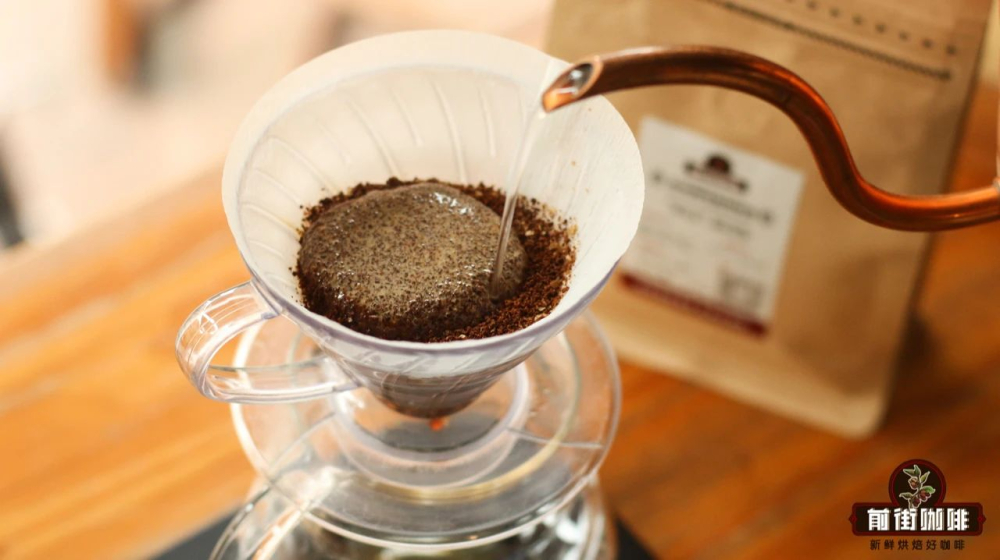
With the rapid development of the specialty coffee market, more and more people are beginning to explorepour-over coffee. Many beginners are completely at a loss when it comes to pour-over coffee—the dazzling array of brewing equipment, brewing techniques, and so on make many people feel it's too much hassle. Quite a few friends have come to Front Street asking how to get started with pour-over coffee, how to make pour-over coffee... In this article, Front Street will discuss the 7 elements of pour-over coffee and theprinciples of pour-over coffee.
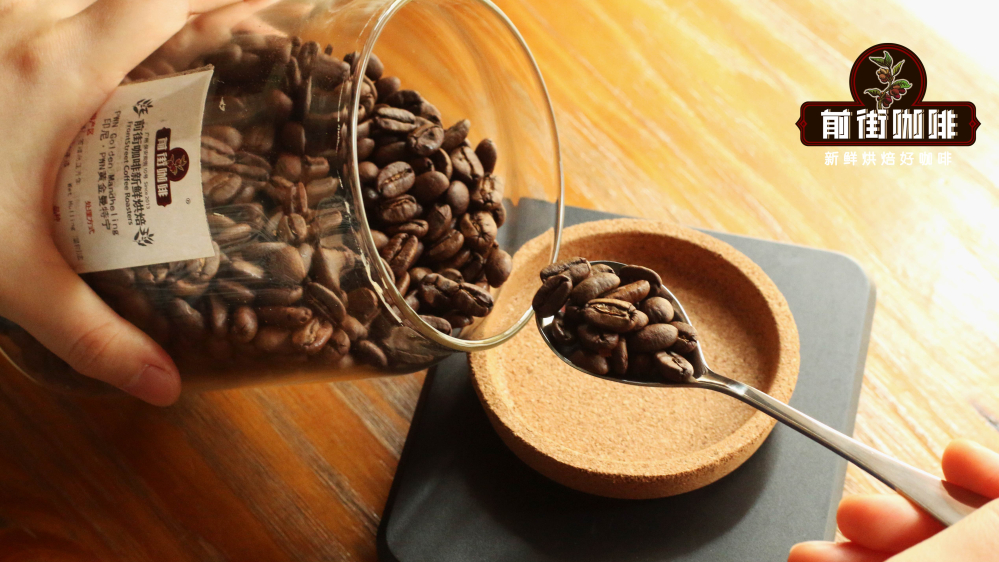
Pour-over7elements are a simple and easy-to-understand littleFrontStreet Coffeecompiled by the baristas at Front Street Coffee (tips) based on their ongoing pour-over coffee experience. The goal is that everyone learning doesn't need to dig through piles of materials to figure out what to pay attention to when brewing coffee.
1.Fresh Coffee Beans
Front Street believes that the optimal flavor window for coffee beans is 30 days. After 30 days, the aroma molecules in the coffee beans decrease as carbon dioxide is released, so coffee beans past their flavor window may taste bland and flat when brewed. This is also why Front Street always emphasizes "use freshly roasted coffee beans" before discussing any brewing knowledge.
2Coffee Bean Grind Size
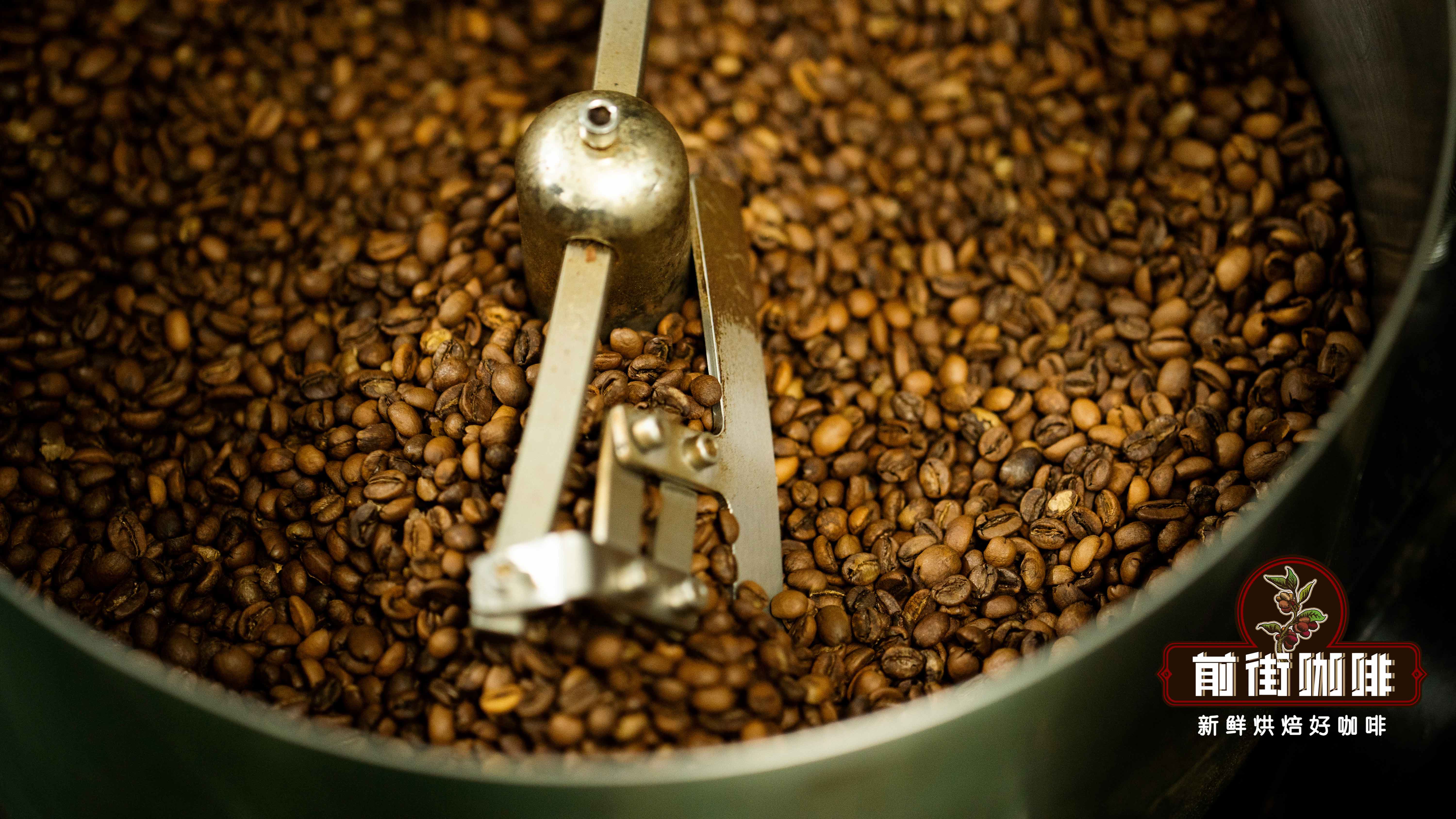
The finer the coffee beans are ground, the more easily the coffee grounds accumulate at the bottom of the filter paper, creating greater extraction resistance, so the flow rate is slower and the extraction time is longer. The resulting coffee is prone to unpleasant flavors like woody or off notes. The coarser the coffee beans are ground, the larger the gaps in the coffee bed, the less coffee grounds come into contact with hot water, the weaker the extraction resistance, the faster the coffee drips, and the lower the extraction yield—so the coffee flavor is also weaker.
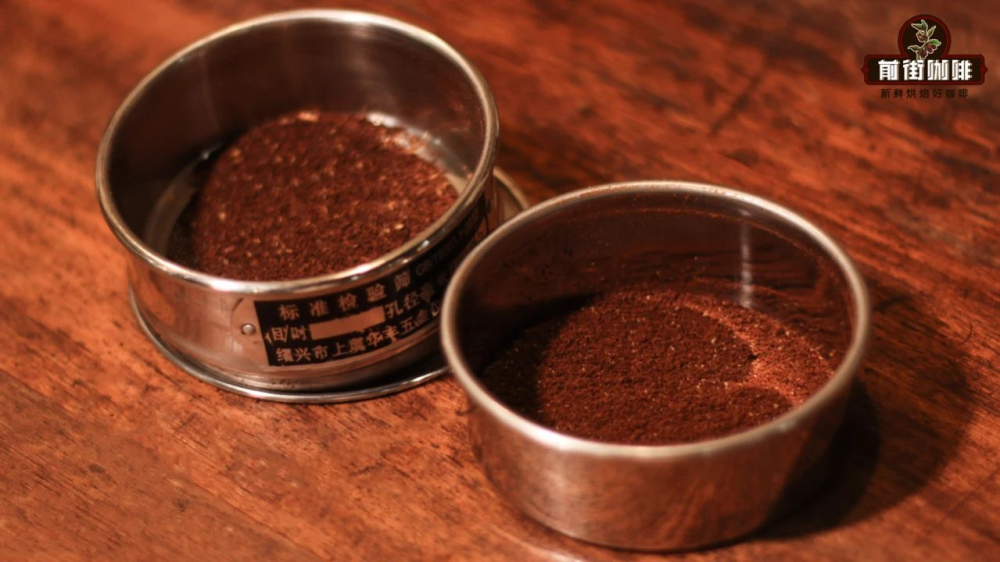
To ensure that each bean's grind size is optimal for brewing, Front Street recommends purchasing a No. 20 cup testing correction sieve with a mesh aperture of 0.85mm. Weigh out 10g of coffee beans, grind them at an approximate setting into coffee grounds, then pour them into the sieve to sift. Weigh the sifted coffee grounds (you must sift until no more coffee grounds can pass through to consider the sifting complete). A pass-through rate of 80% (8g passing through from 10g of grounds) is the most suitable grind size for medium-light roasted coffee beans, and a pass-through rate of 70%-75% (7-7.5g from 10g of grounds) is the most suitable grind size for medium-dark roasts. If the pass-through rate exceeds the suitable range, adjust the grind coarser; if it falls short, adjust the grind finer.
3.Brewing Water Temperature
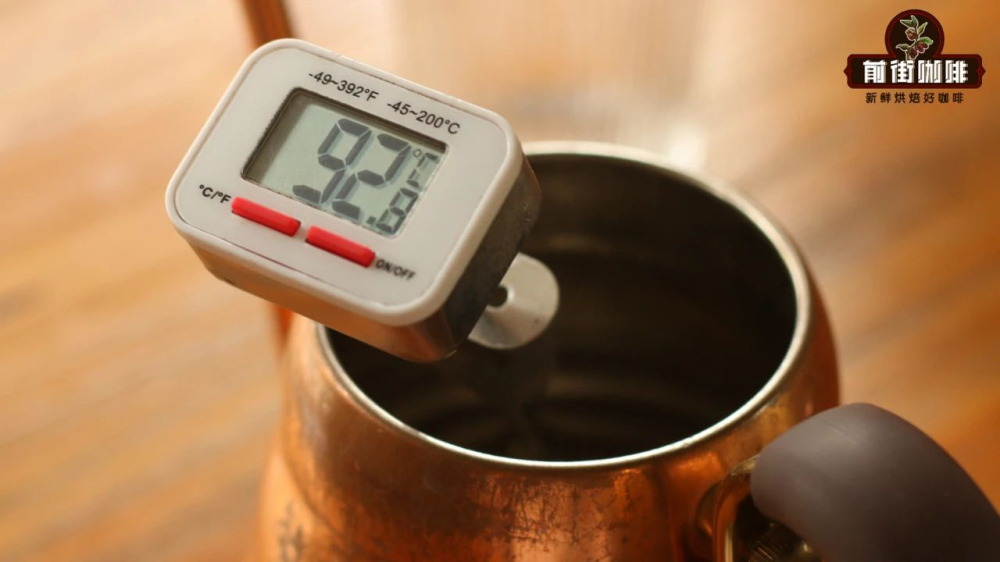
Front Street Coffee (FrontStreet Coffee) also chooses different water temperatures when brewing pour-over coffee with coffee beans of different roast levels. During roasting, the substances contained in coffee beans are lost as the roast level deepens, so dark-roasted coffee beans require lower temperatures to avoid extracting excessive off-flavors. For medium-light roasted beans, Front Street Coffee (FrontStreet Coffee) recommends a water temperature of 90-91°C, and for medium-dark roasted beans, a water temperature of 87-89°C is recommended.
4.Water Quality
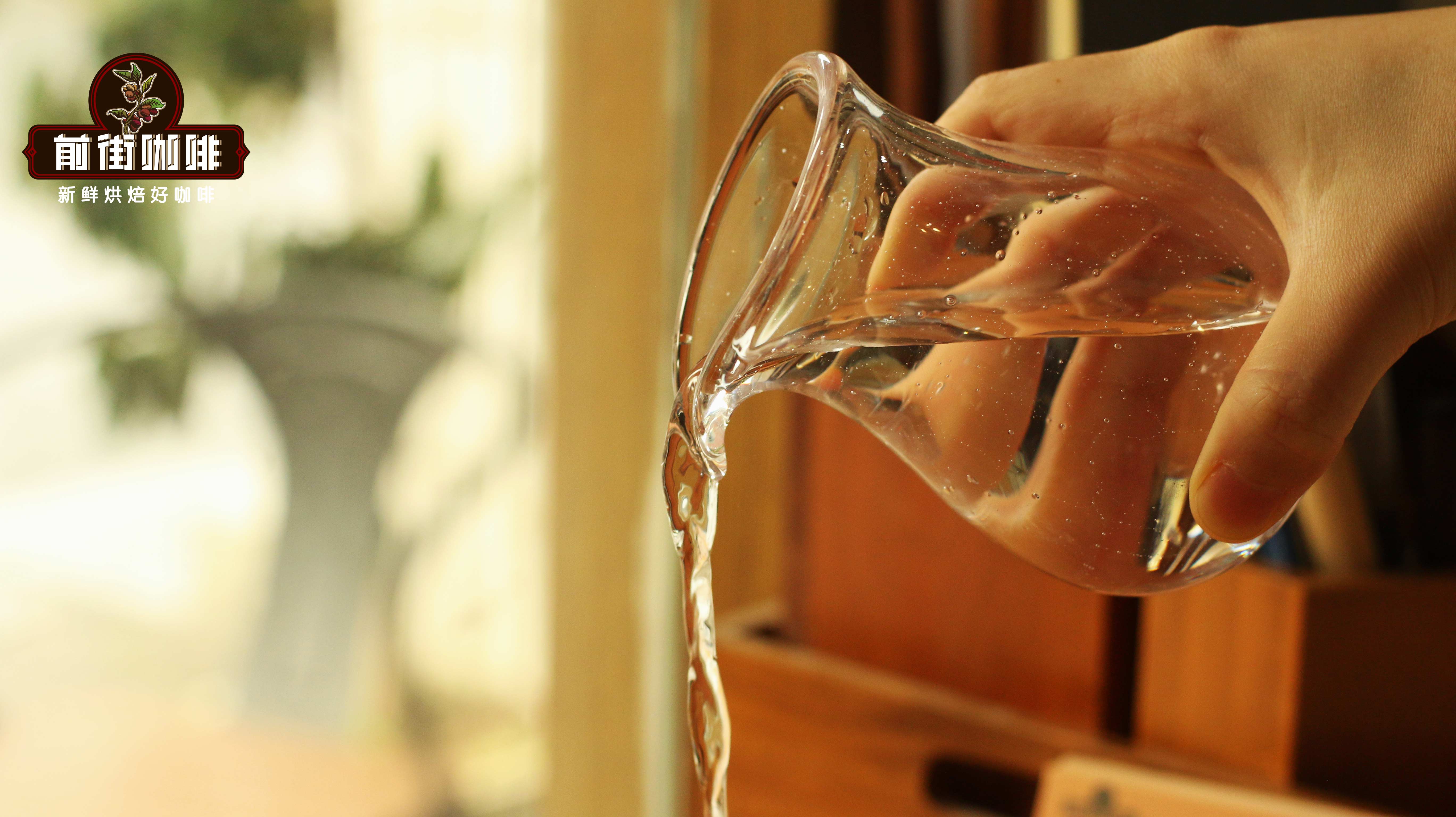
The mineral composition in water—mineral ions such as calcium, magnesium, sodium, and potassium—affects coffee's thermodynamic extraction capacity, thereby altering the coffee's flavor. Front Street Coffee (FrontStreet Coffee) does not recommend using tap water directly heated for brewing. Tap water contains many impurities, and the resulting coffee is prone to unpleasant experiences.
5.Dripper Selection
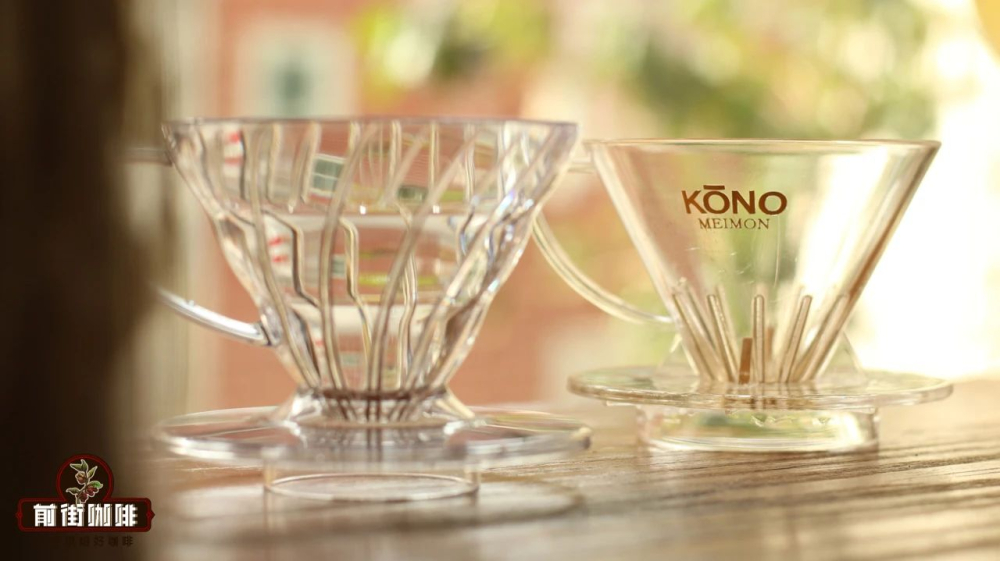
Front Street recommends beginners choose the V60 01 dripper. The V60 conical dripper has a relatively large opening, and combined with its unique spiral curved ribs, air is more easily expelled, thereby improving extraction quality. The body may not be thick enough, but the bright acidity and distinct aroma brought out by its high concentration are its signature characteristics.
6. Pour-Over Coffee Grounds-to-Water Ratio
This is based on the SCA Golden Cup extraction theory—the differences in taste from pour-over coffee water-to-coffee ratios and extraction parameters
[Bold flavor] 1:10–1:11, i.e., 1:12.5–1:13.5 on the Golden Cup standard
[Moderate flavor] 1:12–1:13 (i.e., 1:14.5–1:15.5 on the Golden Cup standard)
[Light and refreshing] 1:14–1:16 (i.e., 1:16.5–1:18.5 on the Golden Cup standard)
A coffee grounds-to-water ratio of 1:14.5–1:15.5 is most likely to achieve the golden range of 18%–22% extraction yield and 1.15%–1.35% concentration. This is why Front Street Coffee (FrontStreet Coffee) always recommends brewing at 1:15.
7. Pour-Over Coffee Brewing Time
During coffee extraction, the aroma and flavor are intense and the concentration is high in the early stage. The further along the extraction goes, the more the flavor and aroma diminish. At the same time, the amount of water poured also affects the coffee's extraction time. Front Street Coffee (FrontStreet Coffee) generally uses 15g of grounds, varying by bean. With a 1:15 water-to-coffee ratio, the brewing time will be within 2 minutes to 2 minutes 30 seconds, making it unlikely to cause over-extraction or under-extraction.
Having covered the7elements, next let's discuss the brewing principles of pour-over coffee.
Brewing coffee is essentially the process of extracting molecules from coffee cells, and this process consists of the following three steps: wetting, dissolution, and release. These three steps occur sequentially and influence each other, ultimately producing the coffee's flavor.
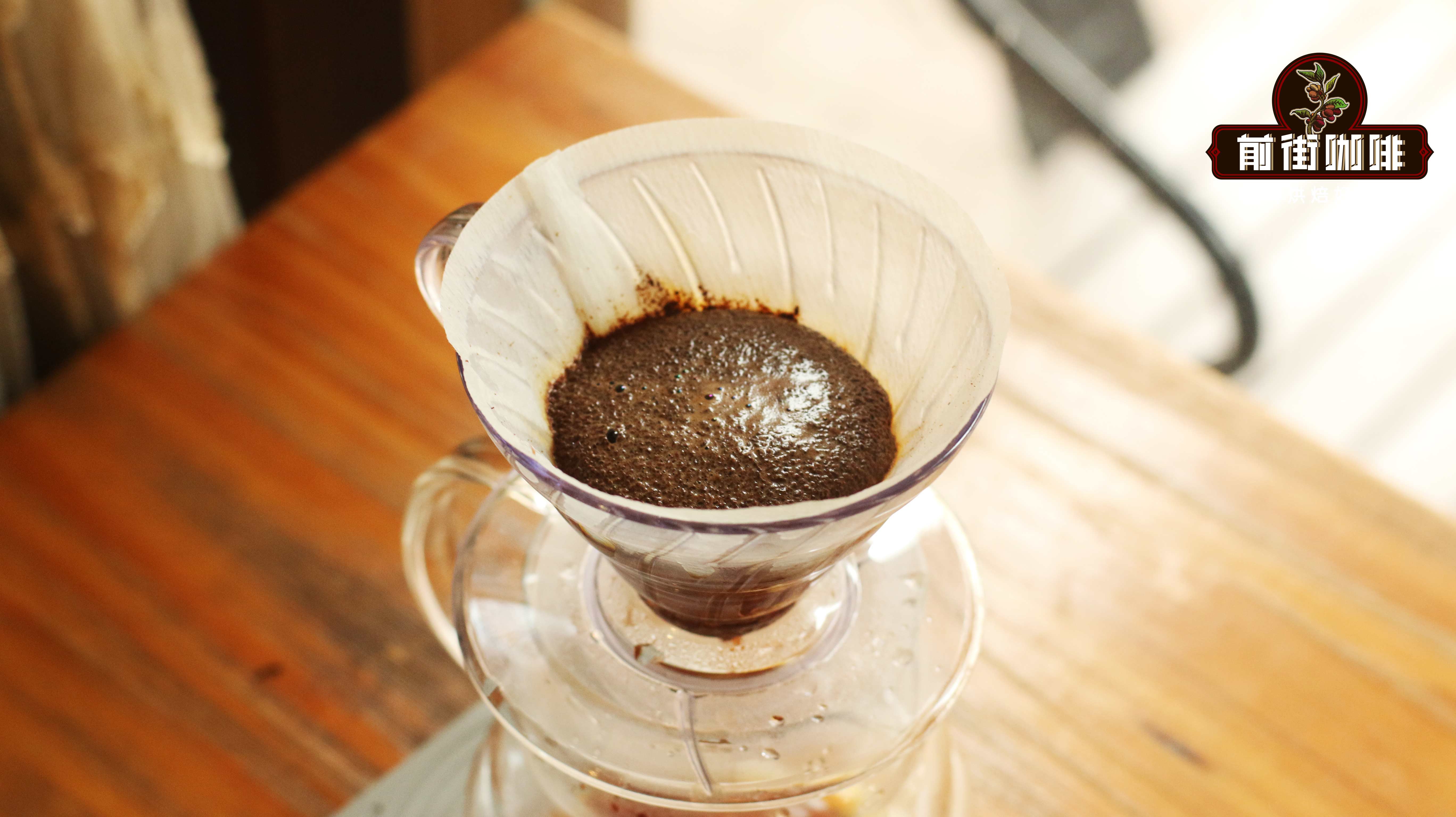
[Wetting]
Literally, this means the coffee grounds are moistened after contacting water. This is the starting point for coffee cells to begin releasing molecules—what Front Street often calls the blooming process.
[Dissolution]
Dissolution refers to the process of soluble molecules in coffee cells dissolving into hot water. This is the most important step, determining the extracted coffee's flavor—what Front Street often calls the extraction process.
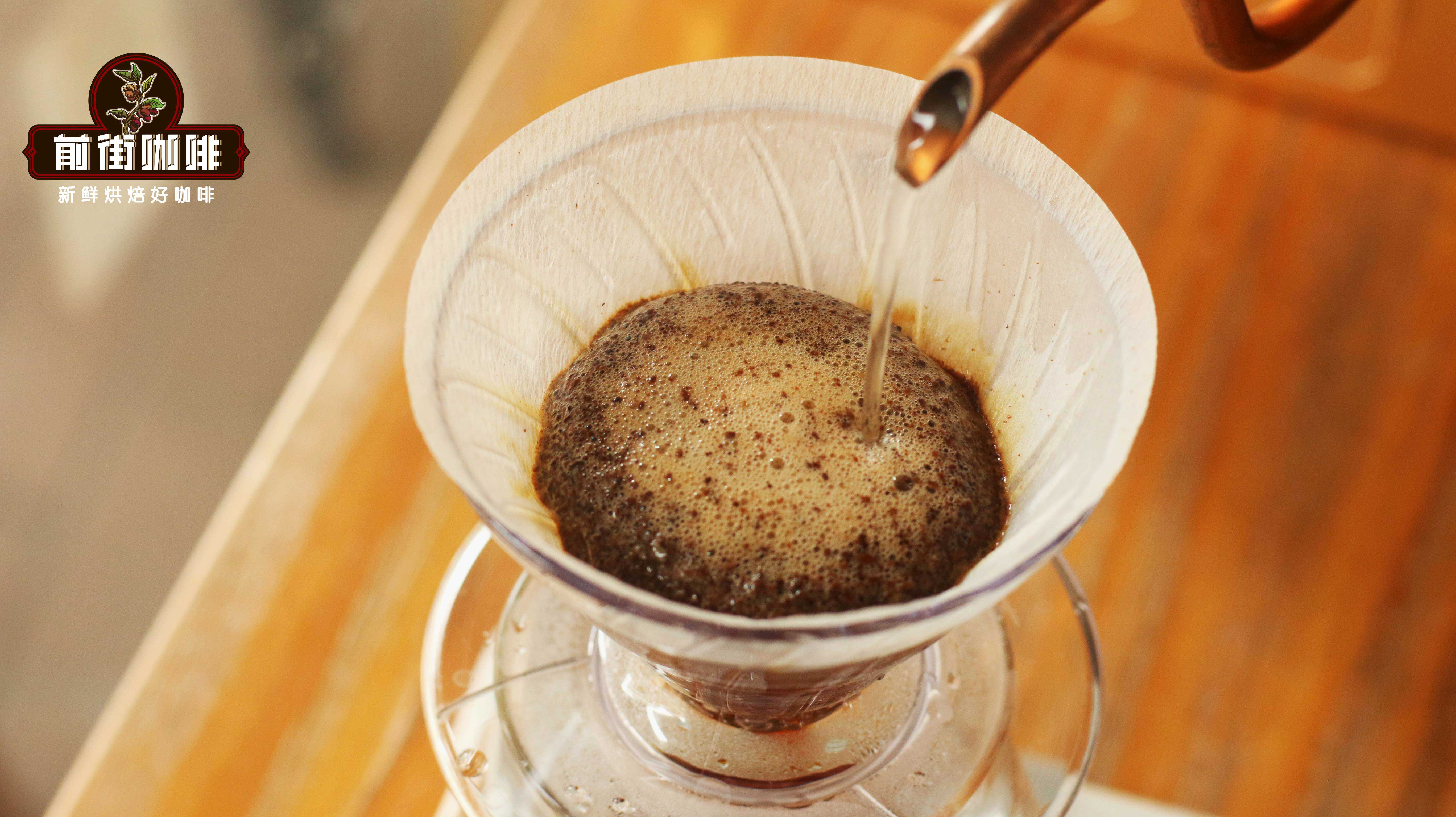
A coffee bean is composed of 70% insoluble cellulose and 30% soluble aroma molecules. Upon contact with water, these are dissolved out in order of molecular size. The smallest molecules dissolve first, including acids and aromas such as floral notes and citrus acidity; then medium-sized molecules like sweetness—fruit juice sweetness, honey, brown sugar sweetness; and finally large molecules with roasted bitterness. This is how coffee's different layers of flavor come about. Therefore, if you prefer a sweeter, more aromatic taste, the extraction time should be shorter, because the longer hot water stays on the coffee grounds, the more bitter molecules will be dissolved out.
[Diffusion]
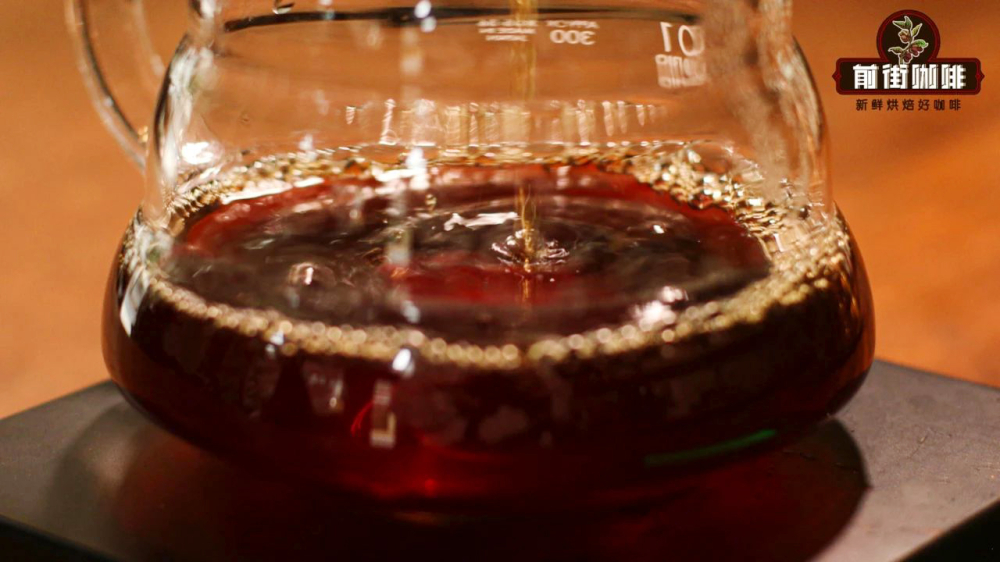
After aroma molecules dissolve, they leave the coffee cells through permeation—this process is called diffusion. The aroma molecules diffuse into the hot water, forming the final coffee extract. As Front Street mentioned above, a cup of coffee is extracted first with acidity, then sweetness, and finally bitterness. So after a cup of coffee is brewed, you must swirl it a few times to allow the coffee liquid to blend evenly, so you can taste the most complete coffee flavor.
Having covered the brewing principles, next Front Street Coffee (FrontStreet Coffee) will brew Front Street's Ethiopia Sidamo Natural Huakui8.0, to see how the baristas brew this coffee bean.
Front Street Coffee (FrontStreet Coffee) · Ethiopia Sidamo Natural Huakui8.0Coffee Beans
Region: Guji Hambela
Washing Station: Buku Able
Altitude: 2350m
Variety: Local heirloom varieties
Processing Method: Natural
Front Street Coffee (FrontStreet Coffee) pour-over parameters: Hario V60, grounds-to-water ratio 1:15, grind size BG#6S (80% pass-through rate on China standard No. 20 sieve), water temperature 90°C.
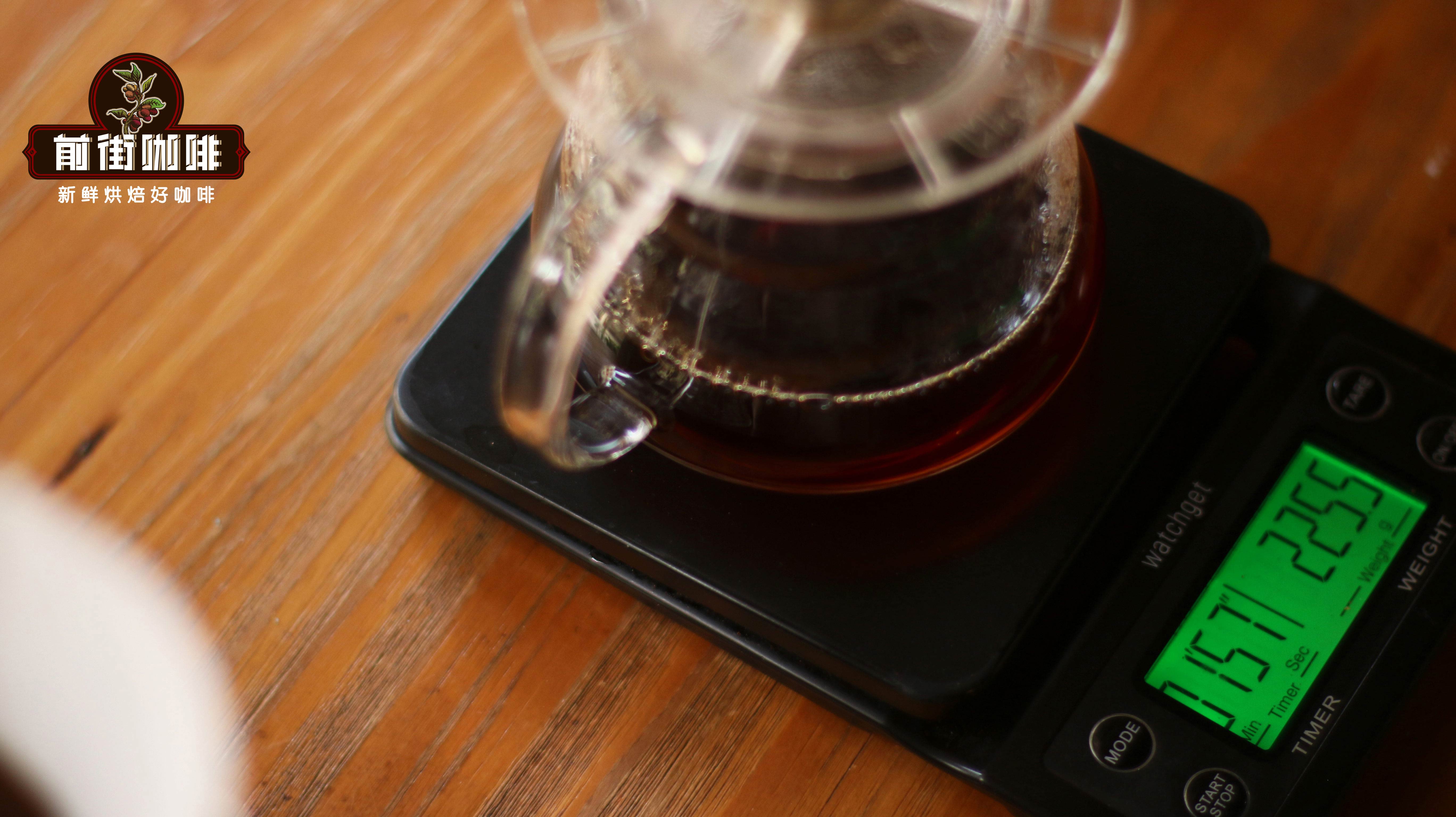
For the brewing technique, Front Street Coffee (FrontStreet Coffee) uses a blooming water amount that is twice the weight of the coffee grounds—that is, 30g of water for blooming—with a bloom time of 30 seconds. Pour in a slow circular stream until reaching 125g, then pause. When the water level is about to expose the coffee bed, continue pouring until 225g and stop. When the water level is about to expose the coffee bed again, remove the dripper. (Timing starts from the beginning of the bloom.) Total extraction time is 2'00".
[Front Street Ethiopia Sidamo Natural Huakui8.0] Brewing flavor: almond aroma when hot; as it cools, citrus acidity emerges, full-bodied berry juice, lemon black tea tea-like quality, with lingering sweetness.
For professional coffee knowledge exchange and more coffee bean information, please follow Coffee Workshop (WeChat public account: cafe_style)
For more specialty coffee beans, please add the private WeChat of Front Street Coffee (FrontStreet Coffee), WeChat ID:kaixinguoguo0925
The above content is compiled by CoffeeHunters, a coffee news website.


