







Search Results for: belittling competitors
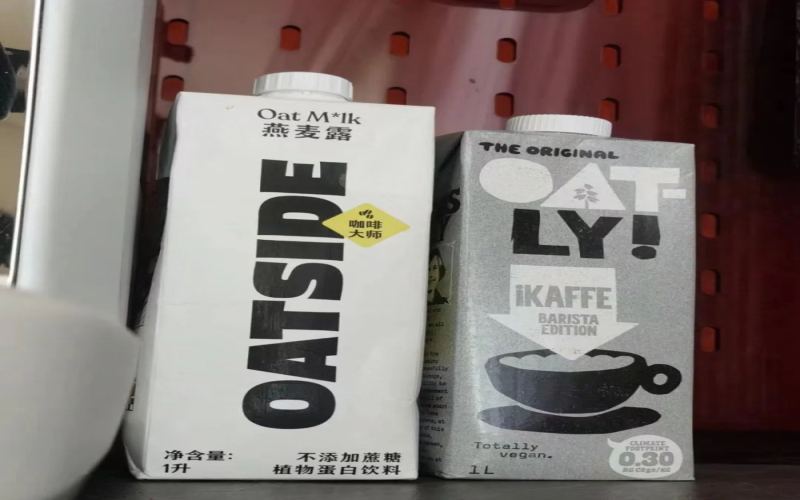
OATSIDE oat milk suspected of being disparaged by paid posters; social platform search pages flooded with posts praising OATLY and belittling OATSIDE, sparking heated discussion.
For consumers who are lactose intolerant yet can't live without caffeine, oat lattes have become a preferred alternative to traditional lattes. As the oat milk market expands rapidly, brands such as OATLY and OATSIDE have gradually entered the public eye. Recently, however, some netizens noticed that when searching for OATSIDE on social platforms, the page would be flooded with a large number of posts praising OATLY while bashing OATSIDE, with posting times concentrated, accounts mostly newly registered, and copy formats strikingly similar, sparking fans' suspicions that a competitor had hired paid internet trolls. Is this controversy a case of malicious smearing, or is there another story behind it? And what do malicious attacks mean for brands and consumers? [more…]

Lele Tea Employee's Slip of the Tongue Brings Guming into the Spotlight, Brand Crisis PR Becomes an Industry Model
A controversy sparked by a cup of milk tea unexpectedly brought benefits to a competitor. Recently, an employee at a Lelecha store, when responding to a customer's inquiry about non-dairy creamer, inadvertently used Guming as a comparison, which caused customer dissatisfaction and was exposed on social media. Lelecha officially apologized quickly and launched a compensation plan, one part of which offered a 50% discount to Guming employees, prompting netizens to say Guming "won without doing anything." How did this customer complaint turn into a positive case of brand PR? From rapid response to substantive compensation, Lelecha's handling won recognition from many consumers and was even praised as "something other brands could study for a hundred years." This article will recount the entire incident and analyze the PR wisdom and industry lessons within it. [more…]
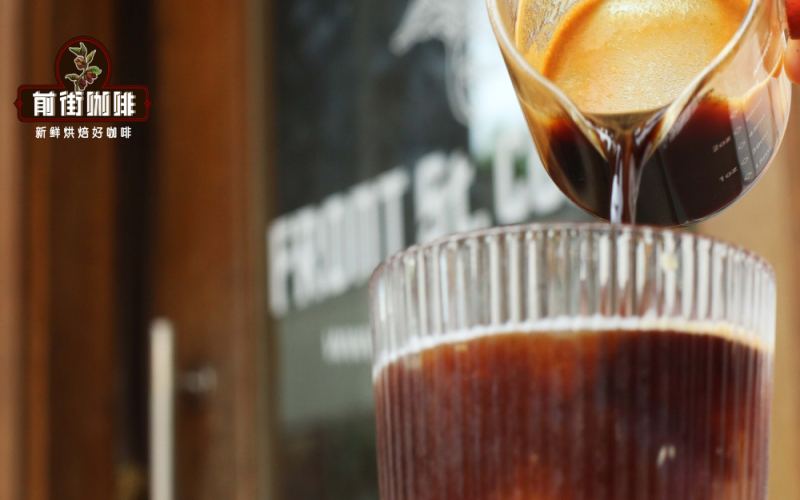
An Analysis of the Differences Between SOE Single-Origin Espresso and Blended Espresso Coffee Beans: Flavor Characteristics, Suitable Scenarios, and Selection Recommendations
In recent years, SOE (Single Origin Espresso) has frequently appeared on the menus of domestic coffee shops, and many people mistakenly believe that it must be of higher quality and more expensive than espresso blends. This is not the case. From the perspective of Front Street Coffee, this article systematically sorts out the definitions, development history, respective advantages and disadvantages of SOE and espresso blends, as well as the problems that may arise when single-origin beans are used for high-pressure extraction, and gives practical selection advice. The article also lists several espresso blend beans currently sold by Front Street and their flavor descriptions, helping coffee enthusiasts make rational judgments based on their own needs, and no longer blindly pursue or belittle a certain type of coffee bean. [more…]

Milk Tea Shop Slogan Sparks Controversy: Calling Customers "Idiots" Backfires as Marketing Strategy
A milk tea shop in Hunan has sparked heated discussions online due to controversial slogans posted inside the store. The slogan, in white text on a red background, reads "This shop does not serve idiots," and suggests customers go to milk tea shops that haven't been open for "a few days" to drink self-produced milk. This way of expressing things not only left many netizens confused, but was also seen as "taking passive-aggressive jabs at peers and insulting consumers." It is worth noting that this shop previously imitated Mixue Bingcheng, recently shifted to the pearl milk tea track, and its promotional slogan has also been accused of being similar to Baozhu Gong. Is this kind of marketing strategy clever, or is it shooting itself in the foot? Let's take a closer look. [more…]
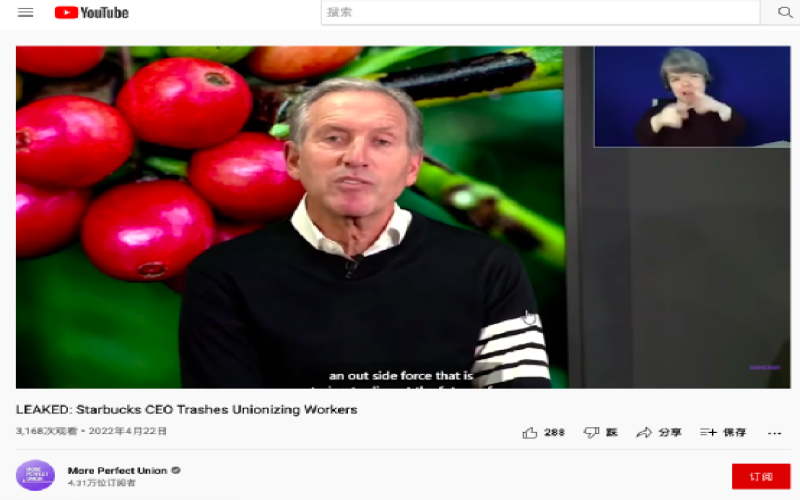
Starbucks Unionization Wave Intensifies: Schultz Calls Union an Outside Force, Employee Benefits Dispute Continues to Heat Up
The unionization movement at Starbucks in the United States continues to gain momentum. A video exposed by More Perfect Union shows interim CEO Howard Schultz referring to unions as an "outside force" trying to disrupt Starbucks and expressing dissatisfaction with part-time partners. Meanwhile, a BTIG survey indicates that most consumers will not change their consumption habits because of unionization. Starbucks has more than 9,000 stores in the United States, of which more than 200 have applied for union elections. Schultz has historically opposed unions and once lobbied against the Employee Free Choice Act. The video triggered a large number of negative comments, with employees complaining about pay cuts and emotional belittlement. Under the heavy pressure of post-pandemic supply crises, inflation, and pandemic prevention measures, Starbucks cut costs but did not improve pay and benefits, prompting partners to seek a channel for union negotiations. After Schultz returned, he suspended stock buybacks, but part-time and union partners were excluded from benefits. This incident sparked widespread discussion. [more…]

Chengdu cafe's "unfriendly to lower-class people" sign sparks outrage, review platform menu collectively rewritten by netizens
A Japanese-style café located in Jinjiang District, Chengdu, caused an uproar online after the owner wrote phrases such as "Not photo-friendly | Not office-friendly | Not friendly to lower-class people" in their social media bio. What were originally just in-store rules prohibiting standing photos and photos after changing seats were interpreted by netizens as a public belittlement of customers due to the insulting wording "lower-class people." After the incident escalated, the café's recommended menu on review platforms was collectively edited, with joking names such as "Lower-Class Coffee" and "Lower-Class Latte" topping the list. Although the owner once posted an explanation of what "lower-class people" referred to, both the bio and the post have been deleted. This conflict also sparked widespread discussion about the boundaries of merchant rules and customer dignity. [more…]
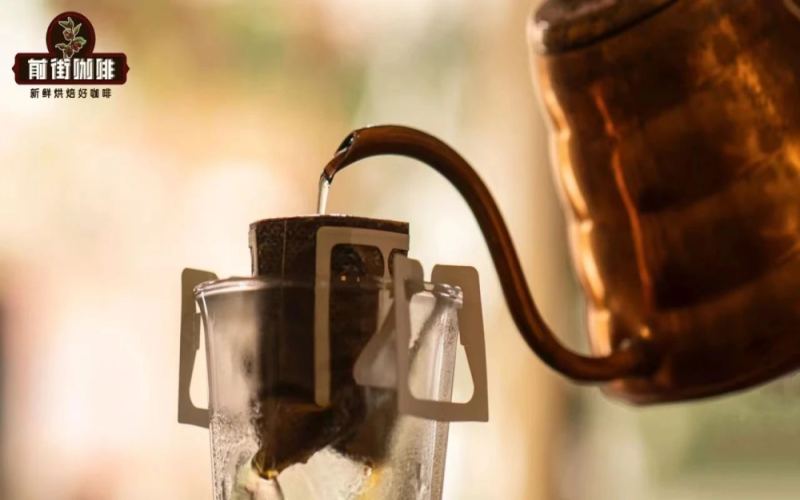
Advantages of Drip Bag Coffee | Drip Bag Coffee Brewing Ratios: Coffee-to-Water Ratio, Water Temperature, Extraction Time Parameters, Pouring Steps | Which Coffee Beans Can Be Used for Drip Bag Coffee Packs?
The emergence of drip bag coffee is undoubtedly a boon for enthusiasts who love specialty coffee but don't want to buy all the equipment needed for pour-over brewing. Many people have questioned the rise of drip bag coffee, saying it's not professional. Front Street Coffee believes there's no need to belittle drip bag coffee this way—after all, for a delicacy to enter the mainstream, [more…]
With the 2022 WBC and WBrC about to kick off in Melbourne, past competitors are calling for transparent and inclusive reforms to the competitions.
The 2022 World Barista Championship (WBC) and World Brewers Cup (WBrC) will be held concurrently in Melbourne, Australia, from September 27 to 30. As top-tier events in the coffee world, WBC and WBrC have for years driven the development of the specialty coffee industry and the professionalization of baristas. However, in recent years, multiple past champions and competitors have pointed out shortcomings in the events regarding scoring transparency, judge selection, theme setting, and gender inclusiveness, calling for reform. This article will walk you through the latest developments of the events and take an in-depth look at competitors' views and suggestions for the future development of WBC. [more…]
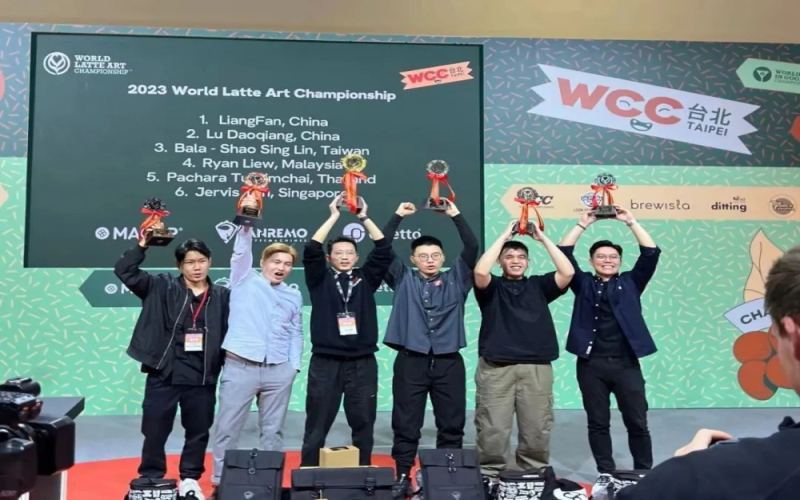
China's Latte Art Reaches the Pinnacle of the World for the First Time: Liang Fan Wins the 2023 WLAC Championship, with Competitors from Mainland China and Taiwan Sweeping the Top Three
The 2023 World Latte Art Championship (WLAC) concluded successfully in Taiwan, China, with Chinese competitor Liang Fan taking the championship in one fell swoop, becoming the first Chinese world champion in the history of the event. Lu Daoqiang and Lin Shaoxing won second and third places respectively, marking the first time Chinese competitors have swept the top three. Liang Fan integrated mathematical Boolean operations and photographic composition into his latte art creations, conquering the judges with three works featuring a rooster, a dinosaur, and a kangaroo. This article takes you through a review of this peak showdown, letting you feel the rise of China's latte art power, and includes an appreciation of the champion's daily works along with Front Street brand recommendations. [more…]

Coffee shop blames competitors for bad reviews? Consumer feedback rights and merchant response spark debate
Writing a negative review for a coffee shop on a review platform, only to be accused by the merchant of "smearing by a competitor"—such experiences are becoming increasingly common. Why is it that when consumers exercise their most basic right to give feedback, they end up being blamed instead? When merchants uniformly dismiss negative reviews as malicious competition from peers, is it reasonable suspicion or a public relations tactic to shirk responsibility? Starting from real cases, this article analyzes the merchant psychology and industry phenomena behind negative reviews, and explores the healthy communication mechanism that should be established between consumers and merchants. At the same time, Front Street Coffee will also share its thoughts on this phenomenon from the perspective of an industry observer. [more…]
A Full Analysis of the WBrC Top Six Pour-Over Techniques: From Champion Recipes to Specialty Coffee Brewing Details
Although the 2015 WBrC World Brewers Cup has already concluded, the brewing approaches of the top six competitors are still worth savoring for coffee enthusiasts today. This competition requires contestants to present both skill and service in front of the judges. The preliminary rounds include a compulsory brewing round and an open brewing round, and ultimately only six people advanced to the final in Gothenburg, Sweden. From the Russian competitor's natural Geisha to the Norwegian champion's Honey Kiss beans and Bluetooth scale temperature-control setup, each competitor showed unique insights in bean selection, dripper pairing, water temperature control, and extraction rhythm. This article provides a complete overview of the brewing methods from sixth place to first place, including coffee-to-water ratio, blooming time, and flavor descriptions, for pour-over enthusiasts to reference and learn from. [more…]
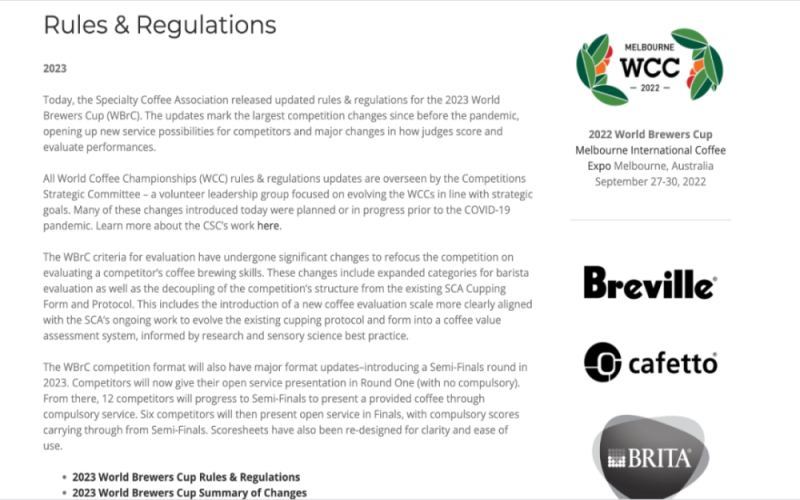
In 2023, the WBC rules underwent a major adjustment: plant-based milk and other animal milks are permitted for use in the Barista Championship.
The Specialty Coffee Association announced on December 22 the new rules for the 2023 World Barista Championship (WBC), World Brewers Cup (WBrC), World Cup Tasters Championship, and Cezve/Ibrik Championship. Among them, the most notable change in the WBC is allowing competitors to use plant-based milk or other animal milks to make milk coffee, breaking the long-standing restriction of using only cow's milk. The WBrC adjusted its evaluation criteria, refocusing on competitors' brewing skills and introducing a new coffee evaluation scale and a semifinal format. This series of changes has sparked widespread discussion in the industry, with some supporting the increased inclusivity and others worried about scoring fairness. This article will outline the specific contents of each rule update and the reactions from all parties. [more…]
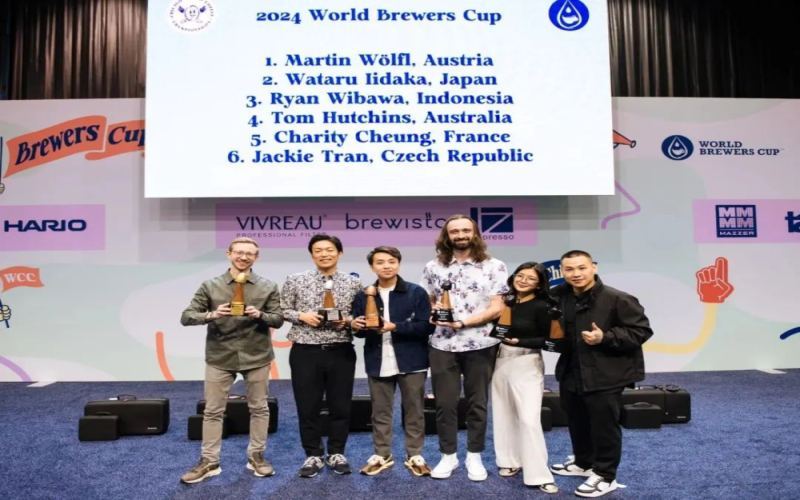
The Rise of Blended Beans: New Trends at the 2024 World Brewers Cup and an Analysis of the Champion's Brewing Approach
The 2024 World Brewers Cup (WBrC) and World Cup Tasters Championship concluded in Chicago, USA, with Austrian competitor Martin Wolf taking the crown. One of the biggest highlights of this year's event was that four of the six finalists independently chose blended coffee beans, ranging from two-bean blends to three-bean blends, and from cross-origin mixes to combinations of different processing methods, showing an unprecedented diversity in blending strategies. This article reviews the competition results, analyzes the competitors' blending approaches, and explores why blended beans have become a new trend in specialty coffee competitions. [more…]

Half Box Field Coffee's slogan sparks controversy among working mothers, reigniting debate over the boundaries of brand marketing
Recently, Half Box Farm Coffee has found itself in a public opinion storm due to a slogan on its product packaging: "Every working mom owes her child an apology." The slogan was criticized by netizens as discriminatory against working women. The brand's customer service explained that the original intention was to encourage mothers to spend more time with their children on weekends, but this failed to quell the controversy. As the incident continued to escalate, working mothers spoke out one after another, expressing their dissatisfaction with such copywriting. The brand has no flagship store on mainstream e-commerce platforms and sells only through Douyin, and its customer service responses have been vague. This storm not only exposed the brand's lack of sensitivity on gender issues, but also sparked discussions about the boundaries of marketing. For professional coffee knowledge exchange and more coffee bean information, please follow Coffee Workshop. For specialty coffee beans, you can add Front Street Coffee on WeChat. [more…]

What Is the WBC? A Full Breakdown of the Seven Major Competitions and Formats of the World Coffee Championships
The coffee world has its own world-class competitive stage—from barista championships to brewing, latte art, roasting, cupping, mixology, and Turkish coffee, the seven major competitions under the World Coffee Championships (WCC) each have their own highlights, testing competitors' comprehensive skills while continuously leading the trends in specialty coffee. Today, Front Street Coffee takes you through these international competitions one by one to understand their content and rules, and to see what exactly the world's top coffee professionals compete in and how they compete. [more…]

Coffee shop's "1-yuan beauty coffee" package sparks controversy: reappears after being removed by platform, lawyer analyzes legal boundaries
A coffee shop sparked strong public outrage and a wave of collective negative reviews after launching a "1-yuan beauty coffee, choose one of three" group-buy package that required purchasers to be women under 35 during specific evening hours, with a note stating "if the boss doesn't think you're pretty, you need to pay the difference." The shop once explained it wanted customers to match the store's style, but this failed to quell the controversy, and it was subsequently taken offline by the platform and had its social media account canceled. Recently, the shop relaunched, and although the controversial package had disappeared, netizens once again gave low ratings, causing it to be taken offline a second time. A lawyer from Legal Daily pointed out that the package was suspected of violating the Advertising Law and the Civil Code, while the netizens' excessive criticism may constitute cyberbullying. Front Street Coffee reminds that both merchant promotion and platform review need to strictly adhere to legal bottom lines. [more…]
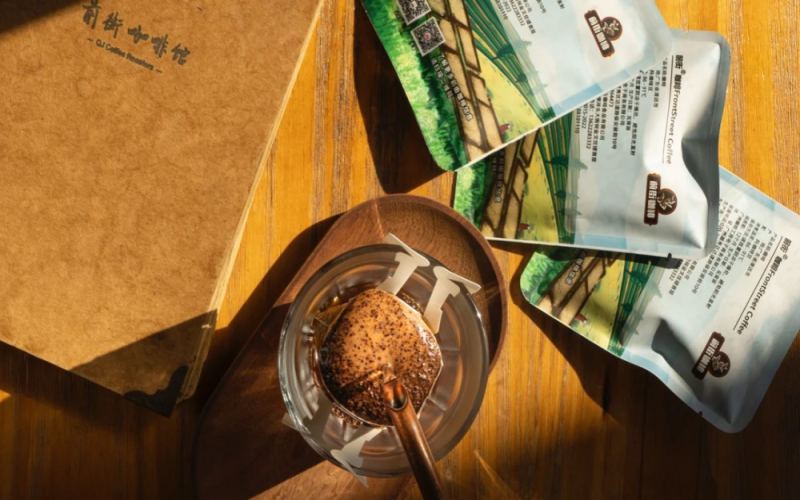
Drip Bag Coffee Powder-to-Water Ratio | Where Does Drip Bag Coffee Come From? How Do Drip Bag Coffee Packets from Different Regions Taste? Why Can't Drip Bag Packets Be Reused?
As modern society's demand for coffee grows ever greater, so too does the demand for specialty coffee. For today's busy enthusiasts, the equipment and steps required to brew specialty coffee are undoubtedly a hassle and a waste of time. To solve this problem, Front Street Coffee has launched drip bag coffee, precisely so that [more…]

Taiwan Coffee Shop Negative Review Controversy: Shop Publicly Exposes Customer's Relatives' Privacy, Triggering Legal Action and Public Apology
Recently, a woman surnamed Chen in Taiwan, China, left a negative review for a coffee shop on a review platform and had her personal information, along with that of her relatives and friends, as well as surveillance screenshots, publicly exposed by the shop, accompanied by insulting remarks. The incident sparked strong outrage among netizens, the shop's rating plummeted, and Ms. Chen called the police and filed a lawsuit. The shop subsequently deleted the post and issued a public apology, but Ms. Chen said she had not been contacted privately and would continue to pursue legal action. In this episode of Coffee News, we take you through the whole story, while also focusing on the professional coffee knowledge exchange brought to you by Front Street Coffee. [more…]
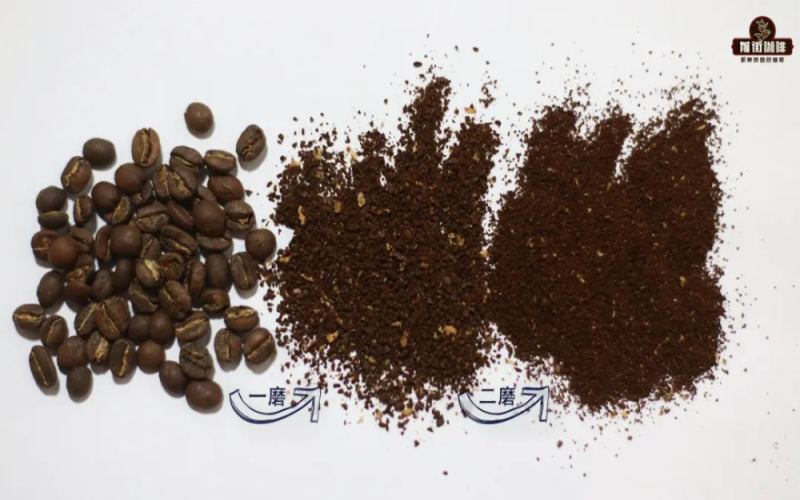
Is secondary grinding of coffee grounds really feasible? An analysis of the principles, risks, and practical approaches of WBC competitors
Some coffee enthusiasts might think: since a grinder can grind coffee beans into fine powder, grinding already-ground coarse powder finer again should not be a problem, right? This idea seems reasonable, but in practice it can cost the grinder dearly. This article focuses on regrinding, first explaining why putting coffee grounds back into the grinder can lead to clogging, breakdowns, and other risks, and mentioning a real case in which a Front Street Coffee shop's grinder was ruined as a result; then introducing how 2017 WBC Japanese competitor Tetsu Suzuki and 2019 WBrC Chinese competitor Du Jianing used techniques such as liquid nitrogen cooling and coarse grinding followed by fine grinding to pursue a more concentrated particle size distribution and higher uniformity, and finally reminding everyone to make a decision based on their own grinder conditions and budget. [more…]
Luckin Plans Malaysia Expansion: Partners Still Undecided, Southeast Asia's Tea Beverage Battle Heats Up
Luckin Coffee plans to enter Malaysia, negotiating cooperation with local listed companies and formulating a five-year expansion blueprint. Currently, Luckin has over 20,000 stores in China, with only 38 directly operated stores overseas, all in Singapore. Malaysian netizens have reacted enthusiastically to the brand's entry, looking forward to discounted pricing but also concerned about intensifying market competition. Rumors point to the partner being Berjaya Group, the operator of Starbucks, but other sources say the contact is with a different party, and the final choice awaits official announcement. This overseas expansion comes as the domestic tea beverage market becomes saturated and price wars intensify; Luckin went from profit to loss in the first quarter, making Southeast Asia key to breaking the deadlock. [more…]