







Search Results for: Malaysia
Luckin Plans Malaysia Expansion: Partners Still Undecided, Southeast Asia's Tea Beverage Battle Heats Up
Luckin Coffee plans to enter Malaysia, negotiating cooperation with local listed companies and formulating a five-year expansion blueprint. Currently, Luckin has over 20,000 stores in China, with only 38 directly operated stores overseas, all in Singapore. Malaysian netizens have reacted enthusiastically to the brand's entry, looking forward to discounted pricing but also concerned about intensifying market competition. Rumors point to the partner being Berjaya Group, the operator of Starbucks, but other sources say the contact is with a different party, and the final choice awaits official announcement. This overseas expansion comes as the domestic tea beverage market becomes saturated and price wars intensify; Luckin went from profit to loss in the first quarter, making Southeast Asia key to breaking the deadlock. [more…]
Boycott Wave from the Israeli-Palestinian Conflict Hits Starbucks Malaysia: Losses Exceed 100 Million in Half a Year, Franchisee Issues Urgent Clarification
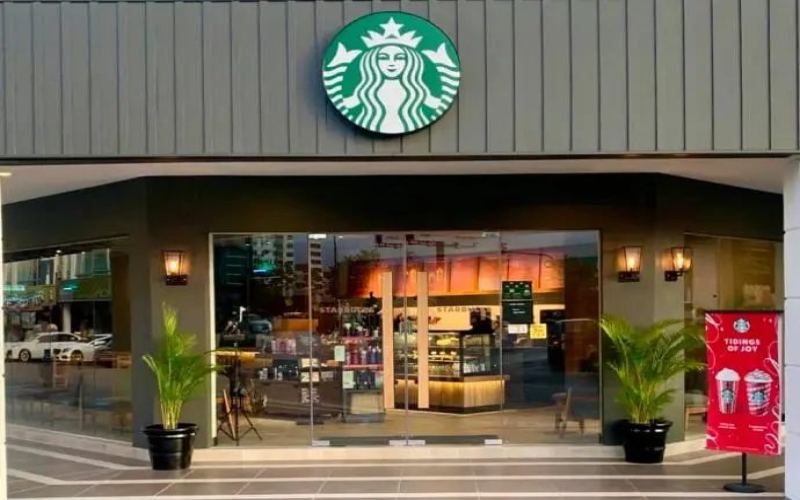
Since the outbreak of the Israeli-Palestinian conflict, American chain brands have faced waves of boycotts in Muslim-majority regions, with Starbucks bearing the brunt. In Malaysia, a Muslim-majority country, local consumers' boycott of Starbucks has led to a sharp drop in foot traffic. The latest financial report from franchise operator Berjaya Food shows that in the first half of this year, its Starbucks business suffered a massive loss of 87.34 million ringgit (approximately 143 million RMB). To reverse the decline, Berjaya Food has repeatedly stated that Starbucks Malaysia is wholly owned by a local listed company, with employees almost entirely local and mostly Muslim, in an attempt to distance itself from the US headquarters. However, the boycott continues, even affecting employees' livelihoods and stock performance. How this situation will unfold and whether Starbucks can regain local consumers' trust is worth watching. [more…]

Luckin Coffee partners with Dazi Industries to expand into Malaysia, will open multiple stores in the first quarter of 2025
Luckin Coffee has officially obtained the franchise rights for the Malaysian market, and the partner is not the previously rumored Berjaya Group, but Global Aroma Sdn Bhd, a subsidiary of Grand Industrial. According to the agreement, GASB will develop, open, and operate stores under the Luckin Coffee brand in Malaysia over a 10-year period, with the right to renew for two consecutive 5-year terms. Major shareholder of Grand Industrial, Wang Ziming, stated that this is a strategic investment aimed at aggressive nationwide expansion and replicating Luckin's success. Luckin Coffee CEO Guo Jinyi also noted that this move marks an important step in the brand's international expansion. Grand Industrial plans to open multiple Luckin stores in Malaysia in the first quarter of 2025, with initial costs covered by a combination of internal funds and bank loans. [more…]

Starbucks Malaysia faces sustained boycott, nearly 50 stores have suspended operations
Affected by the global boycott wave triggered by the Israeli-Palestinian conflict, Starbucks has suffered a severe blow in the Malaysian market. According to multiple media reports, nearly 50 Starbucks stores in the country have suspended operations over the past year, and operator Berjaya Food has fallen into losses for four consecutive quarters. Although the brand has repeatedly clarified its position and taken public welfare measures in an attempt to win back consumer trust, the boycott movement has still not subsided, and store sales have been slow to recover. This turmoil not only reflects the profound impact of geopolitics on commercial brands, but also leaves Starbucks' future in the Southeast Asian market full of uncertainty. [more…]
Luckin Opens Two Stores Simultaneously in Malaysia: Shrinking Menu and Price Wars Test Its Second Overseas Stop
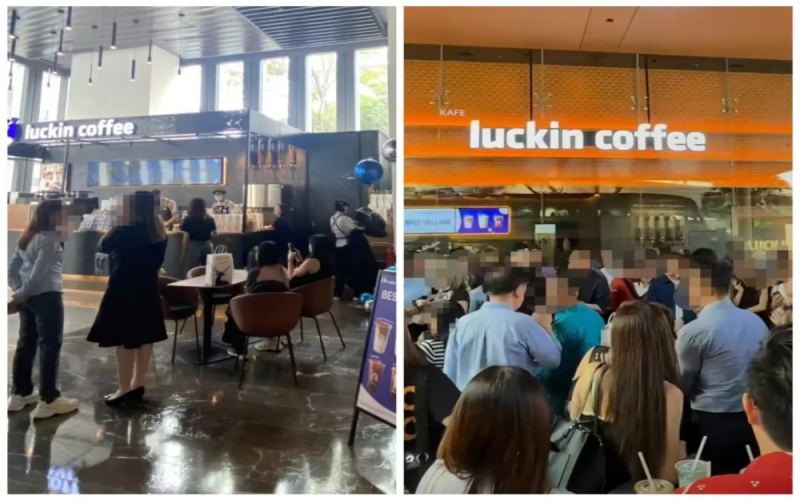
Luckin Coffee has officially entered Malaysia, with two stores opening simultaneously at Sunway Pyramid and Menara EcoWorld in Kuala Lumpur, regarded as its second overseas market after Singapore. On the first day of opening, many consumers queued up to try it out, and with prices ranging from 8 to 17 ringgit plus a 2.99 ringgit first-cup discount for new users, it appeared to be continuing its low-price strategy from China. However, beneath the excitement, local netizens questioned the value for money, as Cotti, Starbucks, and the local brand Zus had long dominated the market; even more surprising to domestic fans was that bestsellers such as Orange C Americano and Meteorite Latte did not appear on the local menu. With a relatively small number of stores and a conservative product selection, whether Luckin can gain a firm foothold in Malaysia amid fierce rivals has become the focus of attention. [more…]
The Rise of Malaysian Specialty Coffee: From White Coffee Tradition to the Transformation of the Third Wave
Malaysia's specialty coffee culture is undergoing a profound transformation. From Kuala Lumpur to Penang and then to Johor Bahru, a growing number of passionate coffee professionals are driving a shift from traditional white coffee to specialty coffee. This article explores in depth the development of Malaysia's specialty coffee scene, from specialty coffee's initial entry into the market in 2010 to today's proliferation of independent roasting workshops and coffee classrooms. We interviewed several industry pioneers, including Joey Mah, Michael Wilson, Cheryl Lee, and others, who shared how they have advanced the upgrading of the entire industry by educating consumers, improving roasting techniques, and enhancing customer service. At the same time, the article also focuses on the development of key cities such as Penang and Johor Bahru, as well as the efforts of institutions like the Asian Barista Guild in coffee education. For coffee lovers, this is a complete picture for understanding the changes in Malaysia's coffee culture. [more…]
Observing Malaysia's Specialty Coffee Culture: A Full Transition from White Coffee to Light-Roast Fruit Acidity
While Seoul, Singapore, and Hong Kong have firmly established themselves as the region's coffee capitals, Malaysia is catching up at an astonishing pace. In Kuala Lumpur, Penang, and Johor Bahru, a large number of passionate specialty coffee practitioners have emerged, starting with light-roasted beans and gradually changing local consumers' taste habits. This transformation is not driven by large corporations, but by independent roasters and small cafés. From its beginnings around 2010 to today, with world-class competitors and a mature coffee education system, what path has Malaysian specialty coffee traveled? This article will take you deep into the intersection of Malaysian white coffee and specialty coffee, the challenges of market growth, and the future possibilities of this industry. [more…]
The White Mystery of White Coffee: The Origins, Production, and Difference from Flat White of Malaysia's Specialty White Coffee
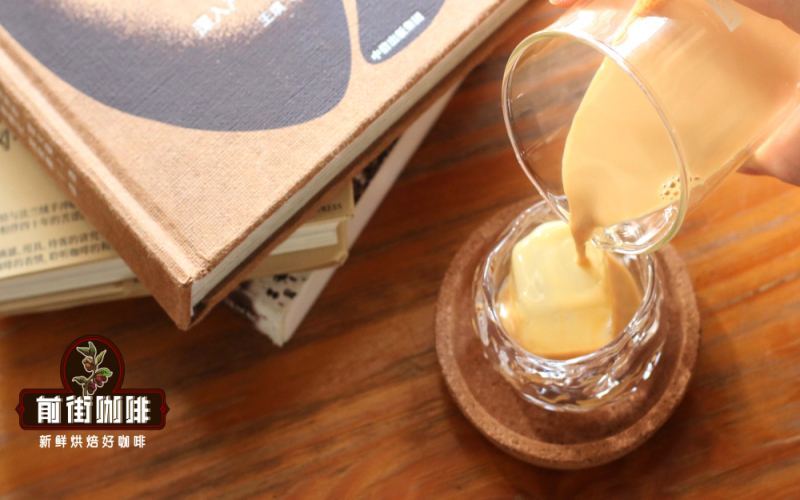
White coffee is a highly representative specialty coffee of Malaysia, but it is not named for being white in color. Rather, it is made by processing coffee beans together with skimmed milk powder, giving the finished product a lighter color than regular coffee and a more refreshing taste. This beverage, invented by Chinese who migrated to Malaysia, uses a blend of three types of coffee beans—Liberica, Arabica, and Robusta—which are roasted, extracted, and then combined with sugar and non-dairy creamer to make an instant powder. Today it has become a daily necessity for locals and a must-buy souvenir for tourists. At the same time, another popular claim online points white coffee toward Australia's Flat White. This article will help you clarify the true meaning of white coffee, understand the production process of Malaysian white coffee, and get to know the unique features of the Aussie white, an espresso-based milk coffee. [more…]
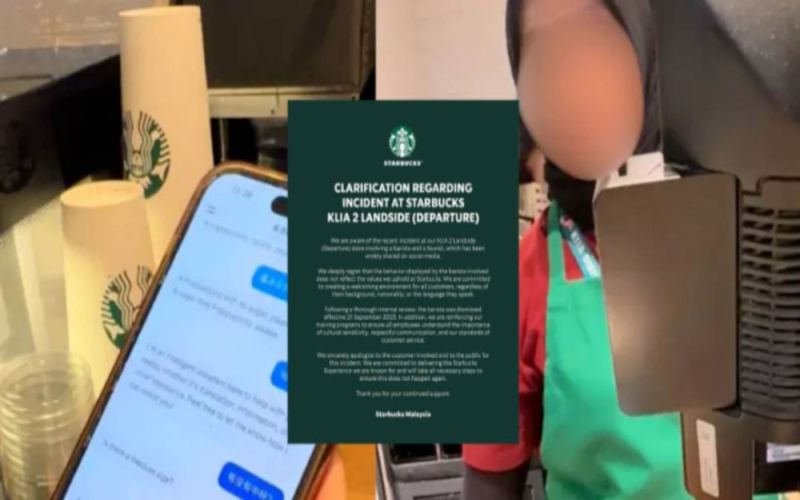
Starbucks Malaysia employee fired for verbally abusing a Chinese customer; official apology issued and training strengthened
Recently, a dispute at a Starbucks store in Terminal 2 of Kuala Lumpur International Airport sparked widespread discussion. A Chinese tourist, struggling with English, was using an AI translation tool to communicate with a staff member when the employee muttered an insult in Malay under their breath: "bodoh" (meaning stupid). After the video was uploaded, Malaysian netizens quickly pointed out the meaning of the insult and filed complaints on the tourist's behalf. Starbucks Malaysia subsequently issued a statement saying the barista involved had been fired on September 21, that the company apologized to the customer and the public, and that it pledged to strengthen training on cultural sensitivity and service standards for employees. The incident also serves as a reminder to coffee industry professionals that respect and patience are crucial in cross-cultural communication. [more…]
What exactly is white coffee? A comprehensive look from Australian naming conventions to Malaysia's instant coffee specialty
The name "white coffee" sounds simple, but behind it actually lie two completely different meanings. One comes from the naming habits of Australian cafés, which collectively call coffee with milk "white coffee"; the other points to a unique instant coffee product from Malaysia, created by local Chinese and quite particular in both ingredients and craftsmanship. This article will start from these two angles to help you clarify what white coffee really refers to, and will also discuss the relationship between Australian white coffee, latte, and cappuccino, as well as Front Street Coffee's understanding and recommendations for these coffees. [more…]
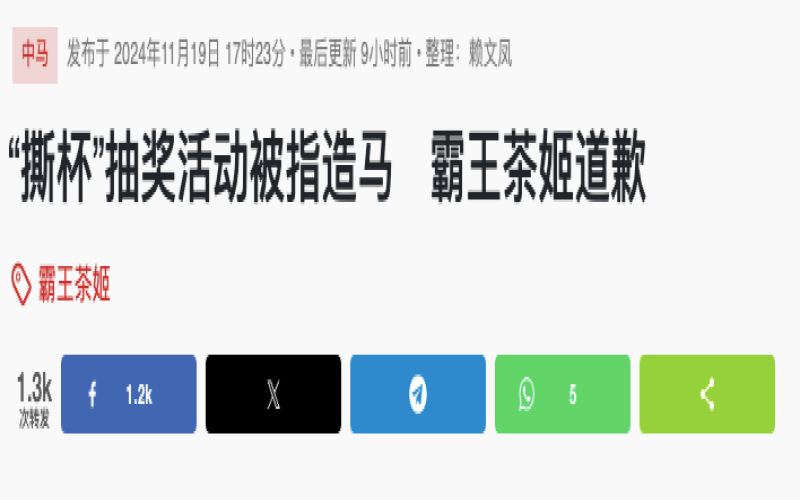
CHAGEE Malaysia's cup-tearing lucky draw accused of rigging, official apology issued and switch to QR codes
Recently, the "tear-the-cup" lucky draw campaign launched by Chagee in Malaysia has become mired in controversy. A video exposed that store employees were suspected of screening prize cards inside cups in advance and keeping the grand prizes aside, triggering strong consumer doubts about the fairness of the campaign. The brand initially demanded that netizens delete their posts through legal means, then responded successively on November 18 and 19 and issued an apology statement, admitting that the employees' conduct did not conform to corporate principles and announcing that starting in December it would switch to QR codes instead of paper lucky draw slips. Although the brand promised to make rectifications, public doubts about its handling approach and transparency have still not been completely dispelled. [more…]
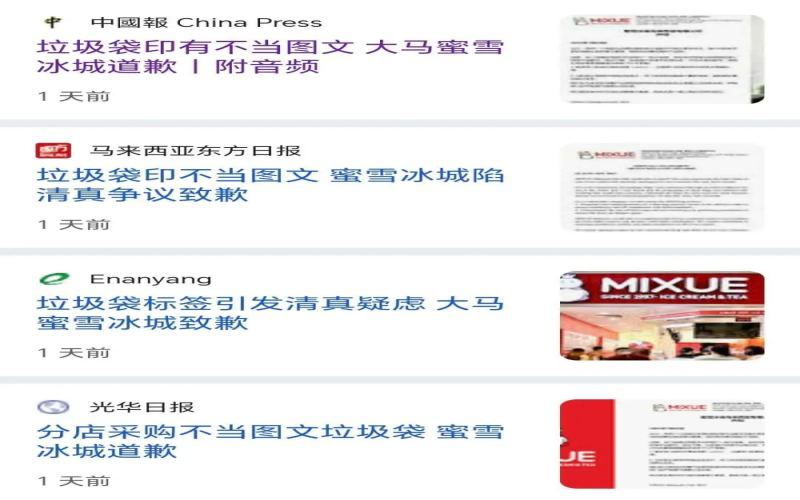
Mixue Malaysia Store Garbage Bag Incident: Brand Apologizes and Launches Halal Cleaning Process
Recently, Mixue Bingcheng publicly apologized after a branch in Malaysia used garbage bags printed with inappropriate images and text. The brand stated that the garbage bags purchased by the store were only used for handling trash and were not involved in food preparation. However, to dispel local consumers' concerns about halal standards, it has required the store involved to implement Islamic-compliant cleaning procedures, destroy the problematic garbage bags, and re-review its procurement process. The incident sparked heated discussion online, with some questioning, "Do garbage bags also need to be halal?" while others praised the brand's swift response. What exactly were the inappropriate images and text? Neither official reports nor the apology letter explained, and the truth remains to be clarified. [more…]
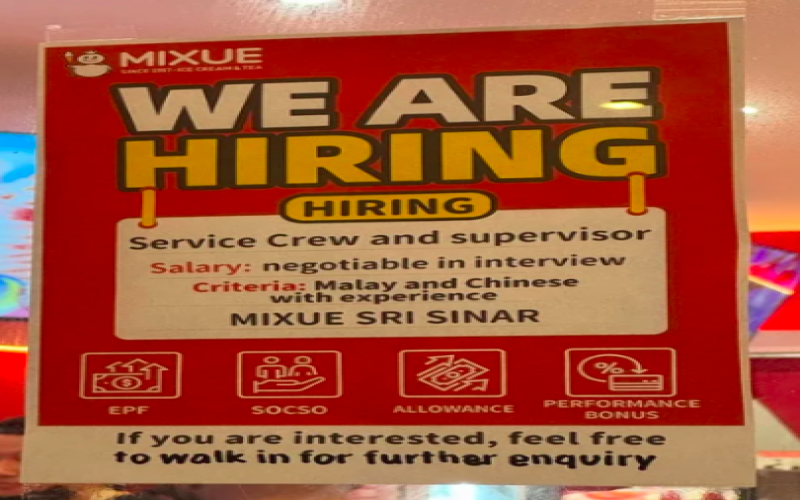
Racial Controversy Erupts Over Hiring Conditions at Mixue Malaysia Stores, Company Responds Indirectly with Unity-Themed Content
Recently, a Mixue store located in Segambut, Malaysia, came under scrutiny from netizens due to a job advertisement that specified "experienced Malays and Chinese are required," which was accused of being racially discriminatory. As a multi-ethnic nation, Malaysia's main ethnic groups include Malays, Chinese, and Indians. The poster believed that this requirement excluded Indians and other ethnicities, which was unfair. The incident quickly went viral on social media, sparking widespread discussion. Some netizens criticized the brand's inappropriate practice and called for a boycott, while others argued that the controversy stemmed from a misinterpretation of the language proficiency requirement. Notably, Mixue did not directly respond to the controversy but instead released a series of promotional content themed "United as One," showcasing employees of diverse races, seemingly intending to emphasize its inclusiveness. [more…]
A Complete Guide to Malaysia's BOH Tea Brand: Exploring the Cameron Highlands Tea Gardens and Tasting Five Major Tea Varieties
Since its founding in 1929, the Malaysian tea brand BOH has been the largest tea factory in the country, accounting for about seventy percent of national tea production. Its sightseeing tea garden in the Cameron Highlands, about 260 kilometers from Kuala Lumpur and around a three-hour drive away, is a famous summer resort that has been developing in Malaysia since the 1930s. Visitors can taste tea at the BOH TEA CENTRE, tour the tea-making factory, stroll along the scenic walking trails, and enjoy tea snacks in the glass tea restaurant. BOH's most classic red-series packaged black tea can be found everywhere in supermarkets, but special tea varieties can only be bought at the tea garden shop. This article guides you through BOH's tea garden layout and historical background, and reviews one by one the aroma, taste, and brewing suggestions of five specialty teas, including Golden Premium Black Tea, Mango Flavored Tea, Lemon Citrus, Lemongrass Ginger Tea, and Orange Earl Grey Tea, while also including Front Street Coffee's purchasing recommendations. [more…]

Sarawak's Long Banga indigenous community switches to growing Liberica coffee, hoping to enter the international market and boost ecotourism
In the Long Banga area of northeastern Sarawak, Malaysia, indigenous farmers are turning their attention to coffee cultivation, hoping to bring local coffee beans to the international market and to inject new vitality into local tourism through coffee estates. Sarawak's economy has long relied on oil, natural gas, rubber, and hardwood, and excessive logging has brought ecological pressure, with coffee and tourism seen as directions for transformation. The main local crop is Liberica, valued for its tolerance of low altitudes, strong disease resistance, larger fruit, and faster ripening. Although coffee was introduced in the 19th century, it faded into obscurity due to poor management and the priority given to pepper and rubber, and only in 2019 did a turning point arrive. Today, farmers run homestays while growing coffee, and the government also hopes to use historic buildings, rivers, and jungle resources to attract more tourists. [more…]
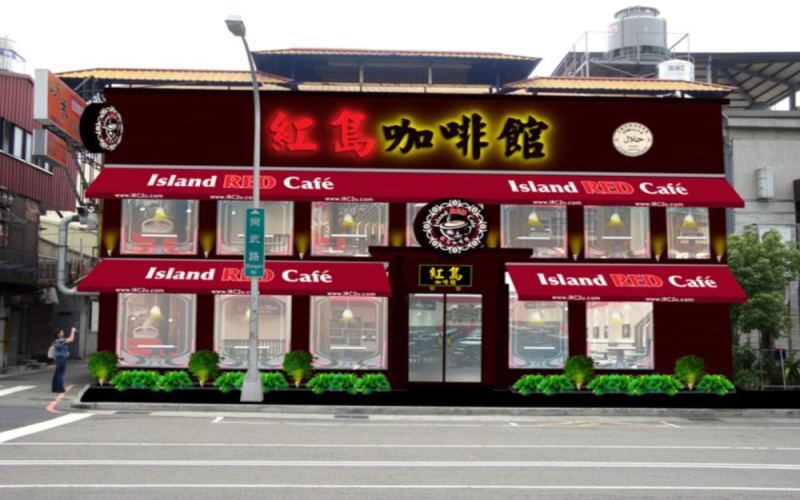
Chain Coffee Franchise Trap: Red Island Coffee Pyramid Scheme Swindles Over 30 Million Yuan, Founder Flees to Thailand and Is Finally Caught
During the 2008 financial crisis, a brand called "Red Island Coffee" was born in Malaysia, attracting Chinese businessmen with its upscale decor and high pricing. Founder Zhang Yufa claimed that investing 10,000 yuan would yield substantial monthly dividends, with an annual interest rate of 10%, and that recruiting downlines could bring even more returns. The temptation of low investment and high returns led many Chinese businessmen to open their wallets, and in the end Zhang Yufa absconded back to Malaysia with over 30 million yuan, with nearly 2 million Chinese people defrauded over the years. Although he once used money to smooth over relationships and evade justice, he was ultimately arrested under a joint operation by China, Thailand, and Malaysia. This case warns us: when faced with coffee franchise projects promising low investment and high returns, we must keep our eyes wide open. [more…]
Malaysian White Coffee Flavor Characteristics and Ingredient Differences: A Comprehensive Analysis from Its Ipoh Origins to Health Benefits
White coffee is a highly representative traditional specialty of Malaysia, with a history spanning over a century. It is not white in color; rather, it is made from three types of coffee beans—Liberica, Arabica, and Robusta—subjected to medium-light low-temperature roasting and special processing that greatly reduces caffeine, burnt bitterness, and astringency, resulting in a pale milky-golden hue and a mellow, gentle flavor. Compared with black coffee, white coffee differs fundamentally in bean selection, roasting methods, and brewing techniques; it contains no trans fats, has lower caffeine and calories, is gentler on the stomach, and does not easily turn sour after cooling. This article will systematically outline the flavor components, processing characteristics, historical origins, health benefits, and brewing methods of white coffee, offering you a comprehensive understanding of this classic Nanyang coffee. [more…]
What is the origin of the name white coffee? How should Malaysian white coffee and Australian flat white be distinguished?
Many people, upon first hearing "white coffee," assume it is named for its pale color. In reality, white coffee refers to different things depending on the context. It can denote a highly representative instant coffee product from Malaysia, or it can refer to the milk coffee category in Australian cafés that stands in contrast to black coffee. Malaysian white coffee is typically a blend of three bean types—Liberica, Arabica, and Robusta—which are roasted, extracted into soluble solids, and then combined with sugar and non-dairy creamer to make a powder. In the Australian context, however, white coffee refers to the flat white. This article will examine the naming, origins, and production methods of white coffee, as well as how it differs from the flat white, to help coffee enthusiasts untangle these two easily confused concepts. [more…]
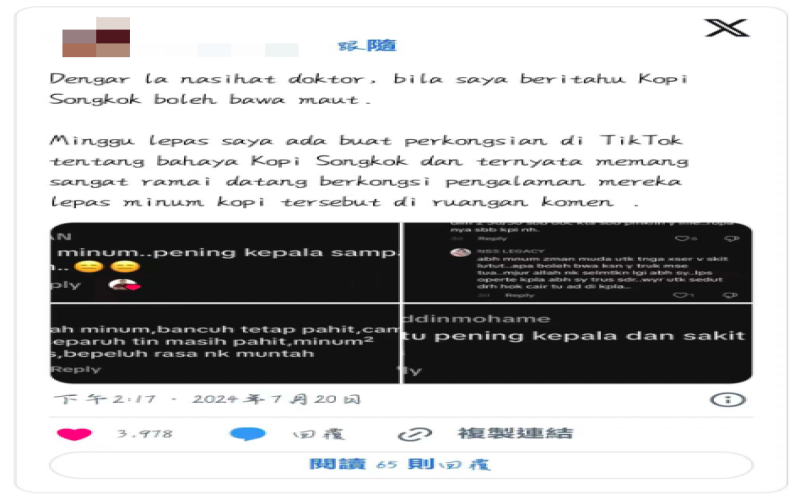
Tongkat Ali coffee containing the prohibited ingredient sildenafil is still in circulation, even though Malaysia's Ministry of Health has long ordered a ban on its sale
A pre-mixed coffee called "Kopi Songkok" contains sildenafil, a prescription ingredient that can be fatal, and has been placed on Malaysia's Ministry of Health ban list, yet it is still circulating on the market. Malaysian doctor Amusankhan posted a warning on social platform X that drinking this coffee may cause headaches, palpitations, a sudden drop in blood pressure, and even death. What is worrying is that many Malaysians continue to buy and drink it. This article reviews the coffee's ban history, health risks, netizens' personal experiences, and a domestic case in which someone was sentenced for selling coffee containing sildenafil, reminding consumers to be more vigilant. [more…]
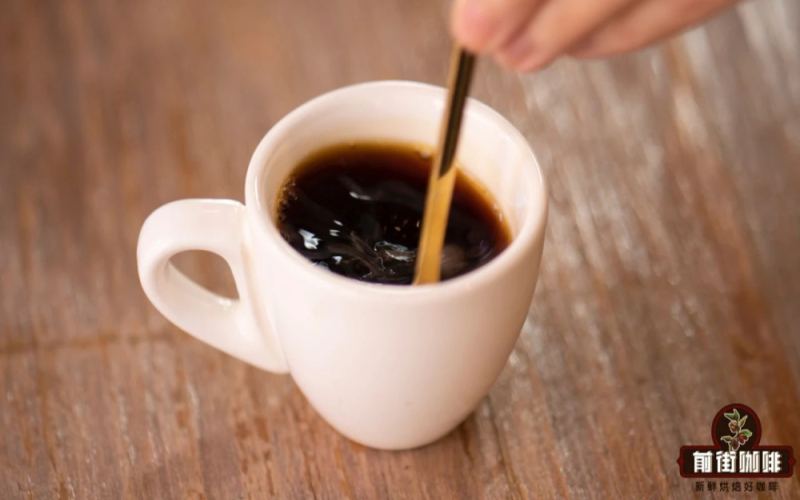
Why exactly is Malaysian White Coffee called "white"? And what connection does it have with Australia's Flat White?
The name "white coffee" easily leads people to think it got its name because the coffee liquid is pale in color. But in Malaysia, white coffee is actually a fixed product made from a blend of Liberica, Arabica, and Robusta beans, deeply roasted and then processed into instant powder, sold in almost every small shop. The other kind of "white coffee" that we are more familiar with comes from Australia—there, coffee with milk added is collectively called White Coffee, and the most representative of these is the Flat White. This article will trace the origins and development of these two kinds of white coffee, and introduce the flavor characteristics and key production points of the Flat White. [more…]