








What is the WBC coffee championship and what do competitors do?
The WBC, or World Barista Championship, is the headline event among the seven competitions run by the World Coffee Championships. First held in Monte Carlo in 2000, it brings together regional champions each year. Competitors get 15 minutes to serve four espressos, four milk coffees, and four signature drinks, explaining their ideas as judges score.
The other six competitions cover brewing, latte art, roasting, cupping, coffee in good spirits, and Turkish coffee. Together they test a wide range of skills and set reference points for specialty coffee trends. The WBC is widely treated as the stage where baristas build international recognition, and its rules shape how many cafes train staff.
The coffee world has its own world-class competitive stage—from barista championships to brewing, latte art, roasting, cupping, coffee in good spirits, and Turkish coffee, the seven competitions under the World Coffee Championships (WCC) each have their own highlights, testing competitors' comprehensive skills while continuously leading specialty coffee trends. Today, Front Street Coffee will walk you through the content and rules of these international competitions one by one, to see what the world's top coffee professionals are actually competing in and how they compete.

The film industry has the Oscars, the music world has the Grammys, the sports world has the Olympics, and in the world of coffee, there likewise exist international-level competitions representing the highest honor. These events are not only a stage for global coffee professionals to showcase their skills and strength, but also an important reference for specialty coffee trends, while continuously driving industry innovation and development.
If you also love coffee, you must be quite interested in these professional competitions. Today, Front Street will walk you through: what exactly are the world-class coffee competitions? What are they each competing in? Let's go ~
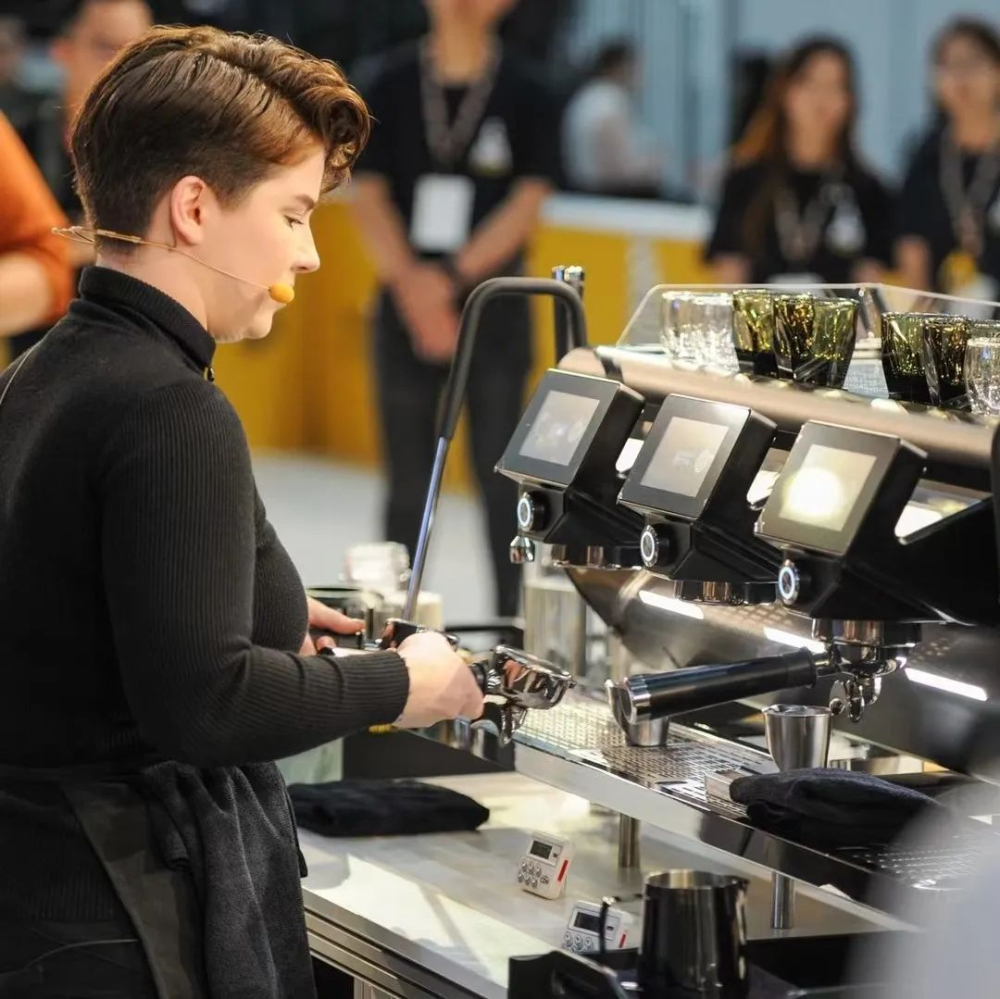
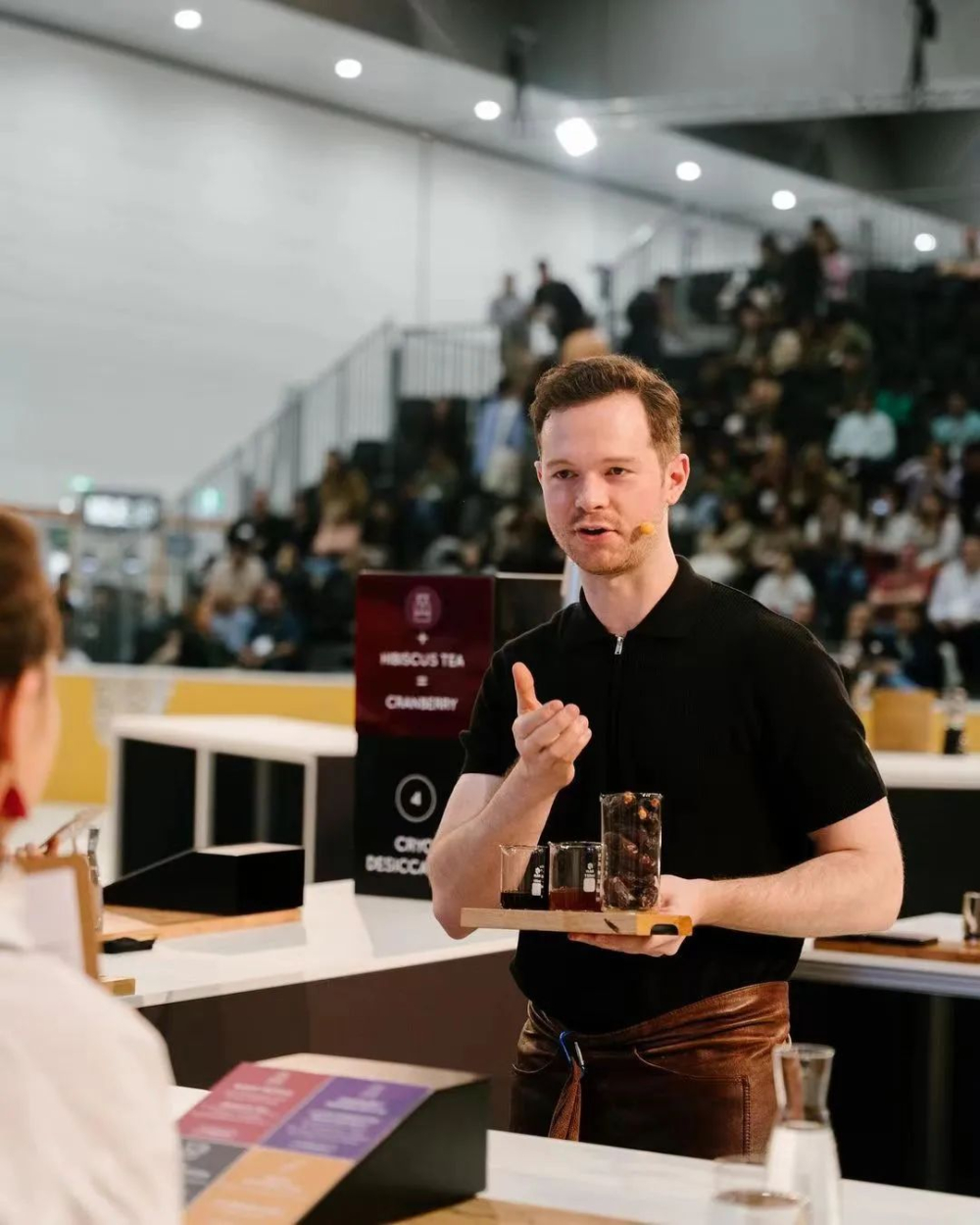
World Barista Championship (WBC) Among the seven competitions organized by the World Coffee Championships (WCC), the WBC (World Barista Championship) can be called the "headliner," enjoying the reputation of the "Olympics of world coffee." It is a coffee-making competition that examines a barista's comprehensive abilities and carries international certification validity, and is also one of the most closely followed international coffee events. Since the first WBC was successfully held in Monte Carlo, Morocco in 2000, more than 50 competitors (regional champions) who have emerged from major competition zones around the world gather on the same international stage each year to compete and exchange with one another. The purpose of the WBC is to discover and guide coffee trends, spread coffee culture, and build a platform for performance, competition, and exchange for professional baristas worldwide.
Rules: Competitors must, within 15 minutes, make 4 espressos, 4 milk coffees, and 4 signature beverages based on espresso. At the same time, they must smoothly explain their creations and concepts. Judges score multiple aspects including the use of coffee equipment, the selection of coffee beans, coffee-making techniques, the taste and appearance of the finished coffee, and the creativity of the signature beverage.

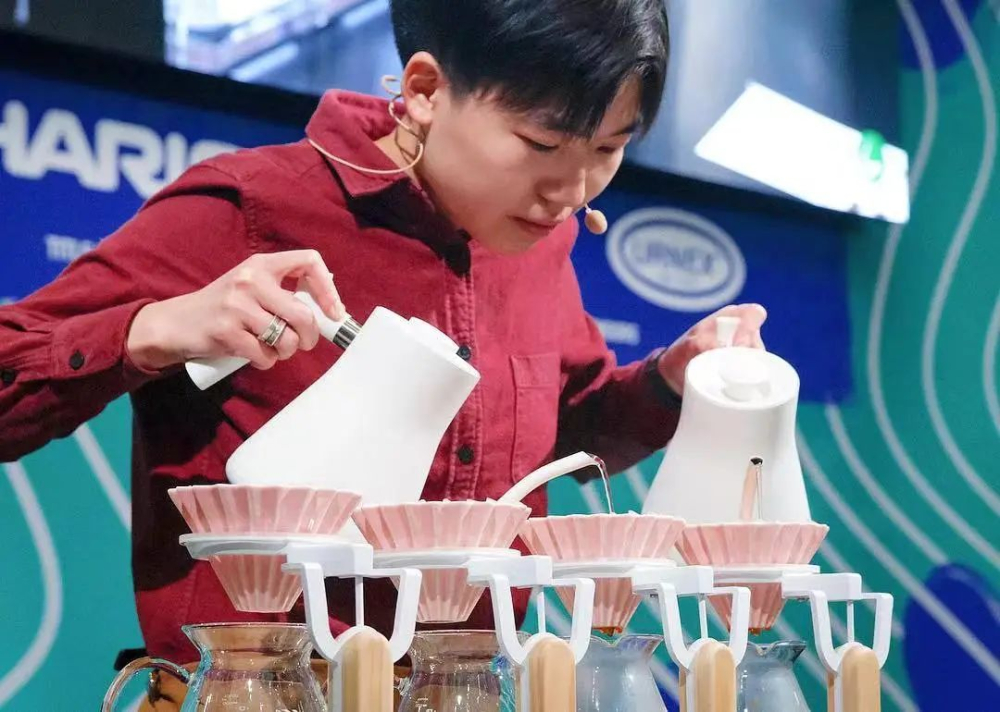
World Brewers Championship (WBrC) The WBrC (World Brewers Championship) is a competition that tests pour-over coffee extraction skills. This event aims to bring baristas back to their roots, making a high-quality black coffee for customers, and is dedicated to raising the professional standard of manual coffee extraction and service.
Rules: The WBrC has two parts: the compulsory brewing and the open brewing. In the compulsory brewing part, competitors use the same designated roasted beans and the same standard equipment to make three cups of coffee. In the open brewing, competitors use their own roasted beans and may choose different brewing devices for extraction. The smoothness of the entire introduction, brewing, and service process will also be included in the judging scope.
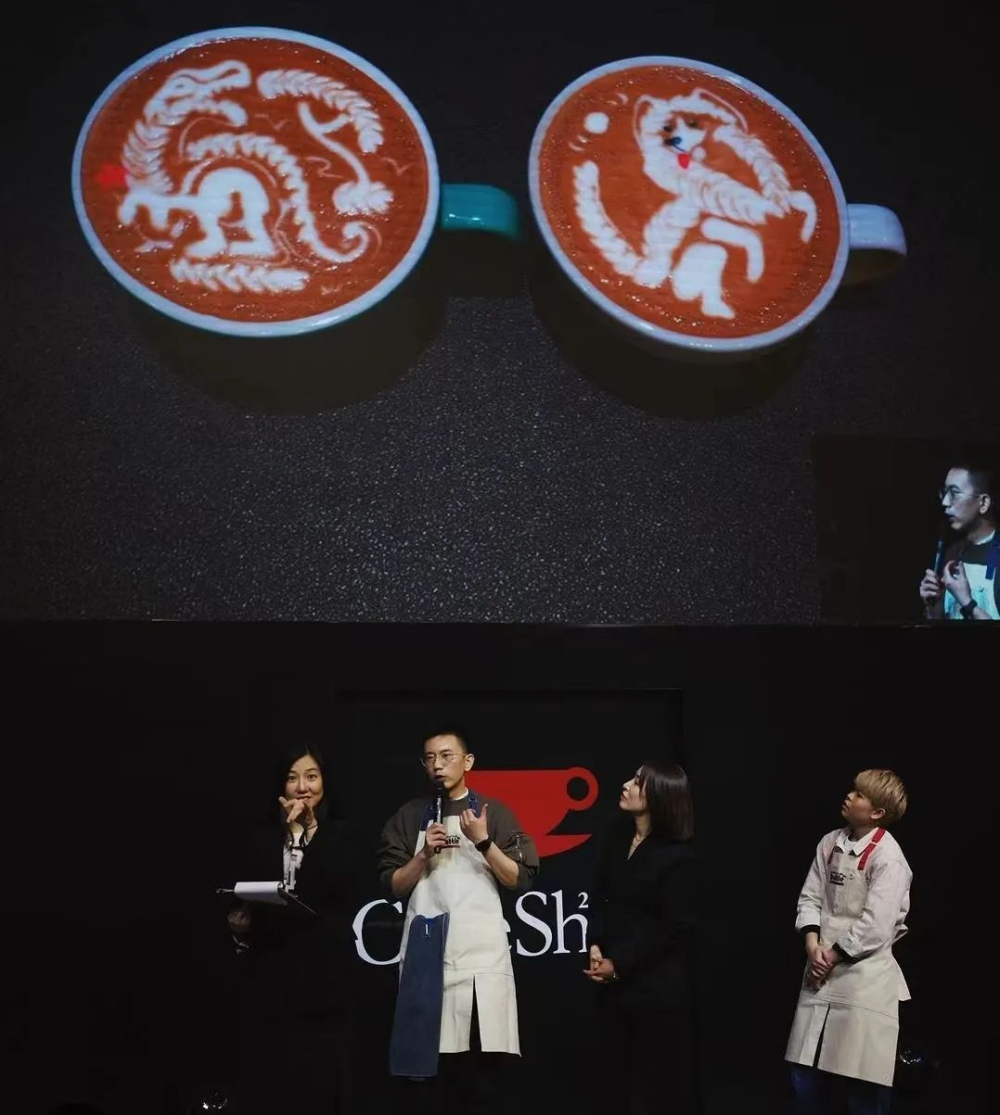
World Latte Art Championship (WLAC) Latte art, a technique that has drawn countless people into coffee, has baristas using the classic combination of espresso and steamed milk to create various exquisite patterns. The WLAC (World Latte Art Championship) can be said to be the most artistically watchable coffee competition. Baristas must compete in both innovative designer latte art and complete designated conventional complex patterns, comprehensively demonstrating professional technique and artistic expression ability.
Rules: There are three rounds: preliminaries, semifinals, and finals. In the preliminaries, competitors are required to first create a latte art within 5 minutes for a photographer to photograph, and judges score based on the photo. Then, according to the work photos provided before the competition, they must within 8 minutes present two identical conventional latte arts and two identical designer latte arts (engraving needles are allowed). The rules for the semifinals and finals are similar, both requiring 6 latte art beverages to be made within the specified time. Judges will give a comprehensive score based on the visual effect of the latte art patterns, creative expression, contrast, consistency between each group of patterns and the picture, and the barista's overall stage presence. In addition, to ensure fairness in the competition, the equipment and materials used in the competition are all provided by the organizer, including espresso machines, grinders, milk, coffee beans, etc.
World Coffee Roasting Championship (WCRC) Front Street has mentioned in several articles that a suitable roasting curve not only allows green beans to maximize the beans' own essence and flavor, but also avoids some unpleasant defect characteristics, making extraction even better, so roasting plays a very important role in the entire coffee chain. Similar to other competitions, the World Coffee Roasting Championship tests competitors' selection of coffee beans and the perfection of the roasting flavor presentation. Participants are usually roasters from around the world as well as experienced baristas who handle both production and roasting.
Rules: The WCRC is generally divided into three sections, including competitors' on-the-spot performance in evaluating green coffee beans, setting the optimal roasting curve for designated coffee beans, and the finished roasted coffee beans, among three aspects. It is a comprehensive test of participants' roasting experience and academic knowledge. The finished roasted products will be cupped blind by professional judges, and the final score determined.
World Cup Tasters Championship (WCTC) Perhaps many people have long heard of "cupping," a specialized term in the coffee world, but do not know that there is actually a global cupping competition held in different countries and regions every year. In the World Cup Tasters Championship, competitors must demonstrate fast and accurate coffee identification ability, testing both the barista's speed and skill, and distinguishing their accuracy in identifying differences in coffee flavors through the exam process, aiming to select the world's baristas with the most outstanding cupping ability.
Rules: The format of the cupping competition is to place three cups in a triangular formation, of which 2 cups are the same coffee and 1 cup is different. Competitors use smell, taste, observation, and their own experience to identify the different cup of coffee as quickly as possible. The competitor presentation portion also includes flavor description and customer service, looking like a specialty coffee bean introduction show. Each round has a total of 8 groups of coffee. The top eight competitors with the highest accuracy and fastest speed advance to the next semifinal round. Finally, the top four in the semifinals advance to the finals, competing for the championship trophy of that edition of the World Cup Tasters Championship. Front Street would like to add one more point here: when two or more competitors have correct answers and the same score, the one with the shortest time wins.
World Coffee in Good Spirits Championship (WCIGS) Founded in 2022, the World Coffee in Good Spirits Championship is a high-level stage that uses various mixing methods to combine coffee with different spirits, thereby creating ingenious mixed drinks.
Rules: The competition also has two rounds, preliminaries and finals. In the preliminaries, competitors must, within the specified time, use the spirit randomly selected by the organizer as the base to first create 2 identical signature coffee cocktails. Then, using the specific spirit designated by the competition sponsor, they must create one hot and one cold signature beverage, 4 cups in total.
Finalists must, within the same specified time, create 2 cups (cold or hot signature drinks based on coffee and spirits) + 2 cups of traditional Irish coffee. The ingredients of Irish coffee may only include coffee, whiskey, sugar, and dairy cream, and it is stipulated that the Irish coffee cups provided by the organizer must be used. Finally, the on-site judges will give a comprehensive score from perspectives such as the balance, flavor, and commercial value of the beverage, combined with the competitor's preparation techniques.
World Turkish Coffee Championship (TC/IC) As shown in Front Street's article yesterday, the Turkish coffee pot (Cezve / Ibrik) is a cylindrical device specially made for brewing the long-historical Turkish coffee, generally made of brass, with a long handle for holding and moving over heat, and a pot rim design that makes it easy to pour out the liquid. Users obtain brewed coffee by boiling it multiple times.
In the eyes of industry practitioners, The Cezve Ibrik Championship is a large-scale event that promotes traditional coffee culture in the form of competition and encourages baristas to add their own style or elements to showcase ancient coffee making. Rules: In the competition, baristas need, within 15 minutes, to use a Turkish coffee pot to make 2 cups of basic black coffee (containing only water and coffee grounds) and 2 cups of signature Turkish coffee.
In addition to the above coffee competitions hosted by World Coffee Events, there are actually other world-class coffee competitions with other themes held on schedule every year, allowing baristas with skills to show their talents, such as the World Siphonist Championship (WSC) and the World Aeropress Championship (WAC).
- END - FrontStreet Coffee No. 10, Bao'an Qian Street, Yandun Road, Dongshankou, Yuexiu District, Guangzhou City, Guangdong Province
The above content is compiled by CoffeeHunters, a coffee news website.


