







Search Results for: anti-burning bottom
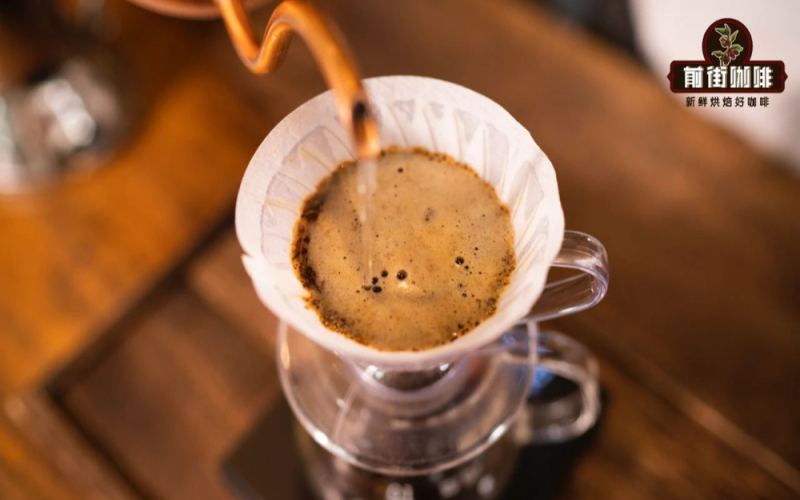
French Press vs. Moka Pot Brewing Comparison: Equipment Features, Bean Selection Tips, and Key Points to Prevent Moka Pot Burning
The French press and the moka pot are both home brewing tools with a relatively low barrier to entry, but the two differ in their extraction principles, flavor profiles, and the beans they suit. The French press excels at immersion extraction, preserving coffee oils and aromas more completely, for a round, sweet cup; the moka pot, by contrast, uses steam pressure to produce a richer, fuller brew, suiting coffee lovers who prefer bold flavors. Drawing on Front Street Coffee's practical experience, this article outlines bean selection advice, grind size, coffee-to-water ratio, and step-by-step instructions for each device, and focuses on why the moka pot tends to scorch at the bottom and how to prevent it by controlling water temperature and heat, while also offering extended methods for milk coffee, to help readers reliably reproduce a good cup at home. [more…]
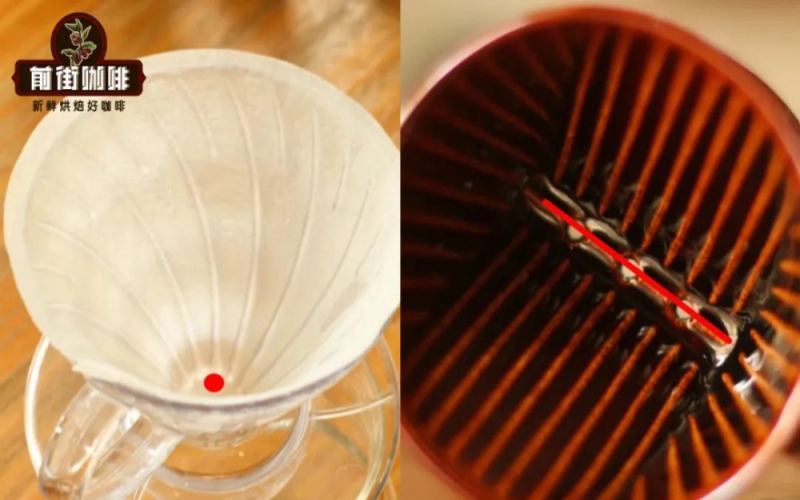
Flavor Characteristics and Key Operational Points of Flat-Bottom Dripper Coffee Brewing: From Structural Principles to Front Street Coffee's Practices with the Sidra Variety
Flat-bottom drippers have gradually drawn attention in the pour-over field in recent years. The extraction performance brought by their flat bottom and special flow-guiding structure differs noticeably from common conical drippers. This article starts with the background of the birth of the Kalita Wave, sorting out the design origins of flat-bottom drippers, the distribution characteristics of their flow-guiding ribs, and their influence on water flow paths, then compares them with the extraction logic of conical drippers such as the V60. After that, using Front Street Coffee's Colombia·Frontera Chiroso as an example, it shares a three-pour brewing recipe suited to flat-bottom drippers, recording the actual brewing time and tasting impressions to help coffee enthusiasts understand the unique aspects of flat-bottom drippers in flavor presentation. [more…]
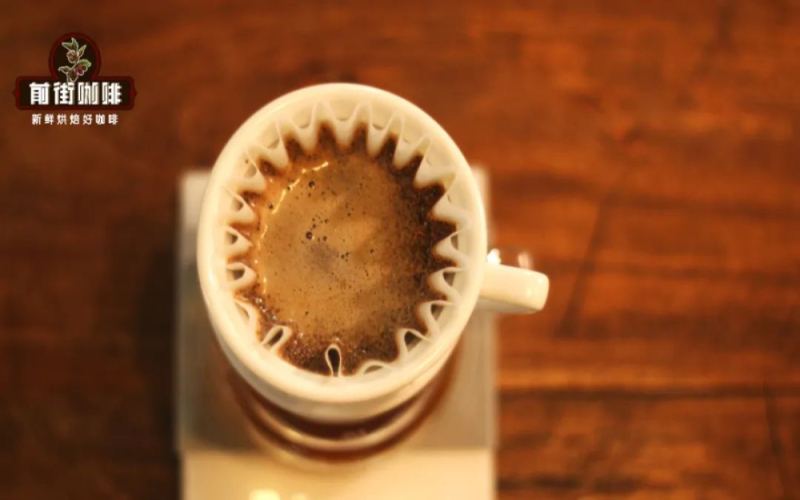
Why Is the Flat-Bottom Dripper Considered Beginner-Friendly? A Full Breakdown of the Cake Filter Cup Structure and Compatible Brewing Methods
When it comes to choosing a dripper, there is a common consensus: flat-bottom drippers offer a larger margin for error and are friendlier to those just getting into pour-over. Front Street Coffee has also mentioned in several articles that the flat-bottom structure has a natural advantage when it comes to even extraction. So what mechanism actually makes this possible? This article will clarify the differences between flat-bottom and conical drippers from the perspectives of coffee bed shape, rib design, and drainage hole layout. With the cake dripper as the main thread, it will also introduce the approaches of different schools such as Melitta 101, Lili, Ice Eye B75, Torch Donut, and April Brewer, helping you understand what kind of brewing approach flat-bottom drippers are suited to, and the role they play in the "fine grind, fast brew" trend. [more…]
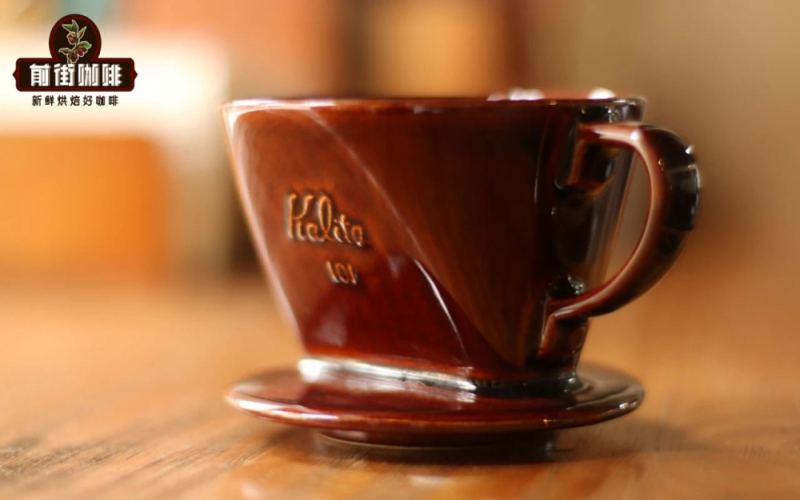
Conical vs. Flat-Bottom Dripper Showdown: Extraction Differences and Brewing Essentials of the Hario V60 and Kalita Wave
In the third wave of specialty coffee, pour-over coffee has become the top choice for many enthusiasts thanks to its clean cup profile and its ability to showcase origin flavors. As the core piece of equipment, the dripper's shape design directly affects the extraction path—conical drippers represented by the Hario V60 emphasize layers and fruit acidity, while the flat-bottom dripper pioneered by the Kalita Wave focuses on balance and sweetness. Front Street Coffee commonly uses the V60 in its daily production. This article will systematically compare the extraction logic of the two drippers from the perspectives of pouring uniformity, coffee bed depth, rib structure, and drain hole design, and will include three-pour brewing parameters for the flat-bottom dripper to help you find a clearer direction in equipment selection and technique adjustment. [more…]
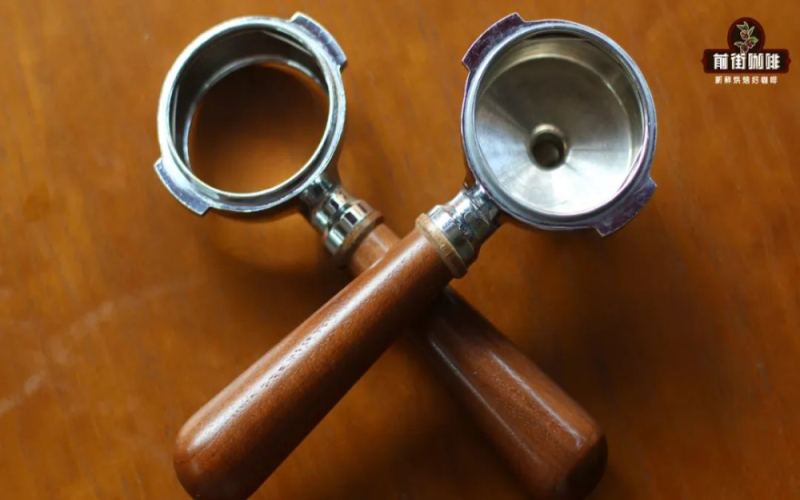
Analysis of the Differences Between Bottomed and Bottomless Portafilters for Espresso Machines | A Full Comparison of Features and Pros and Cons
In the operation of a semi-automatic espresso machine, the portafilter is an indispensable core accessory, and the common types on the market are mainly divided into two major categories: bottomed split portafilters and bottomless straight-through portafilters. Front Street stores use bottomless portafilters for their daily output. What advantages and disadvantages do these two types of portafilters each have during actual extraction? This article will start with structural differences, compare in detail the different performance of bottomed and bottomless portafilters in terms of operating experience, extraction observation, cleaning and maintenance, and include a complete extraction demonstration process and parameters for Front Street’s classic blend coffee beans, to help coffee lovers gain a deeper understanding of how portafilter choice affects espresso quality. [more…]
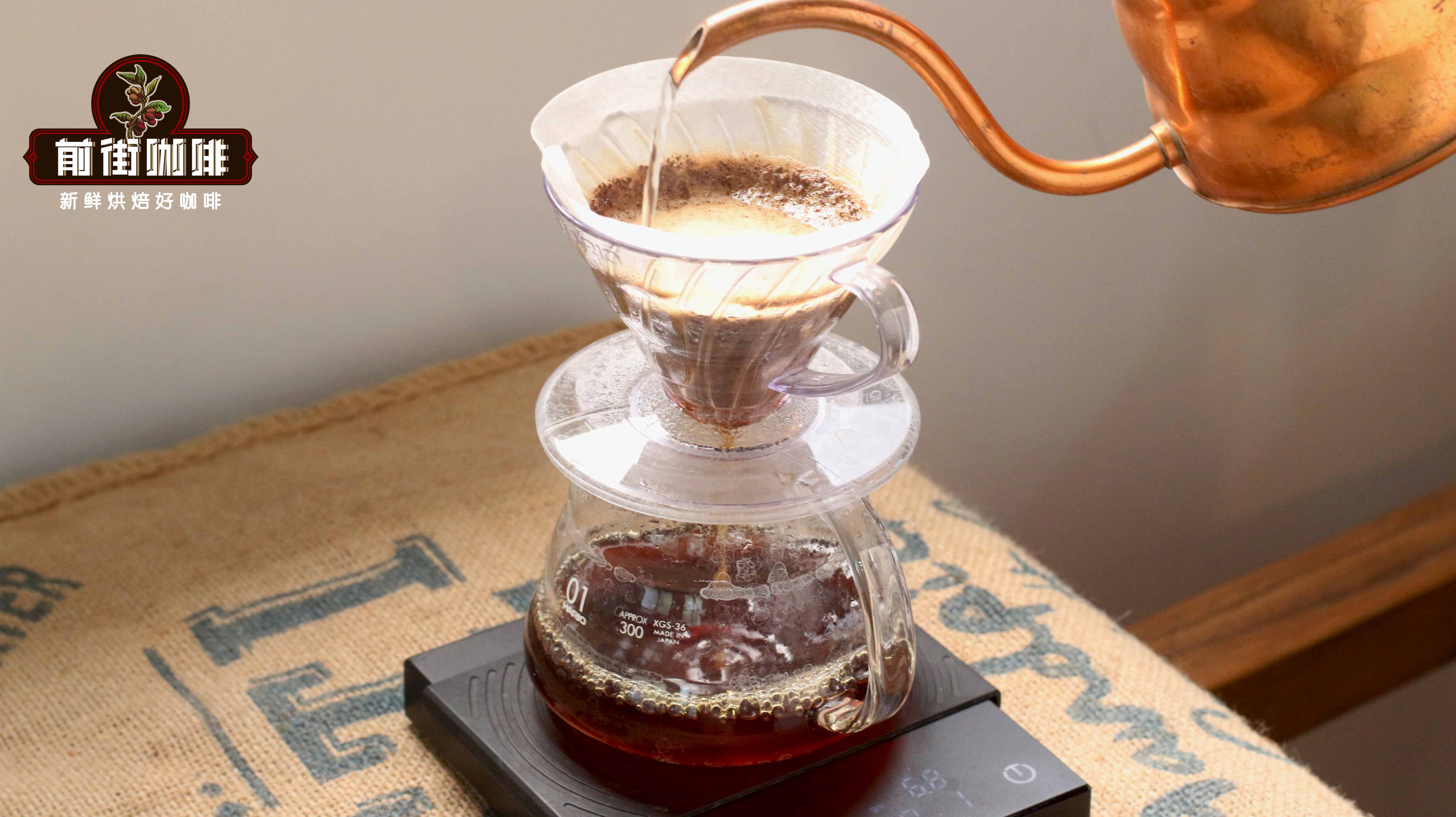
Which dripper should a pour-over beginner choose? A comprehensive comparison of the pros and cons of flat-bottom cake drippers and V60 conical drippers
For friends who are just getting into pour-over coffee and aren't yet skilled at pouring techniques, choosing the right dripper is often more crucial than honing your skills. Front Street Coffee believes that compared to the V60 conical dripper, which is touted as a "jack of all trades," the cake dripper (also called a flat-bottom dripper) demands less pouring expertise and makes it easier to brew a sweet cup. This article starts with the origin of the cake dripper's name and the extraction principles of its flat-bottom structure, analyzes why it is beginner-friendly and why its sweetness stands out, compares the pros and cons of conical drippers, helps enthusiasts understand the characteristics of different drippers, and includes Front Street Coffee's bean recommendations suited to flat-bottom drippers. [more…]
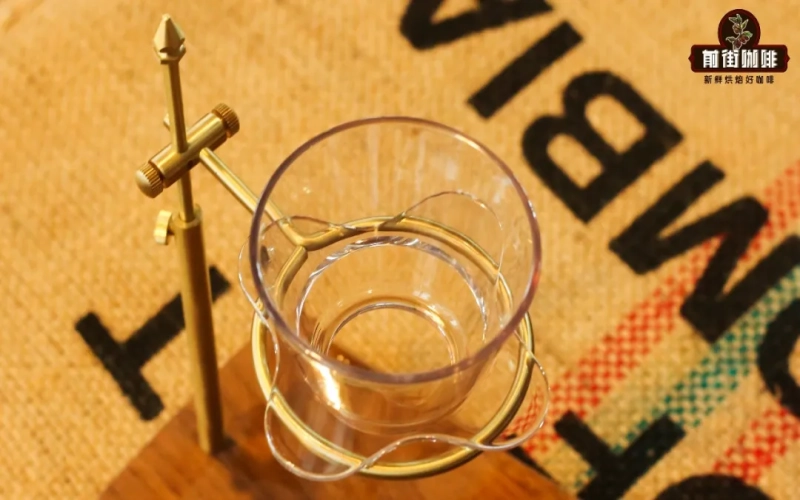
How to Choose Between a Flat-Bottom and a V60 Conical Dripper? Hand-Brew Parameters and Practical Analysis of the Large-Hole Cake Dripper
In the world of pour-over coffee, the shape of the dripper often determines the structure of the coffee bed and the direction of extraction. Flat-bottom drippers and V60 conical drippers each have their own followers, while the large-hole flat-bottom drippers that have emerged in recent years have attracted considerable attention for their combination of immersion and percolation characteristics. This article will compare the differences between the two types of drippers from the perspectives of coffee bed distribution, flow rate, and extraction balance, and, using Front Street Yirgacheffe Gutingding as an example, share in detail the adjustment approach for brewing parameters and practical techniques for the large-hole flat-bottom dripper, helping you find a brewing solution that suits you better. [more…]
A Practical Guide to Bottomless Portafilters for Espresso Machines: Structure, Principles, Pros and Cons, and a Front Street Coffee Extraction Demonstration
For users of semi-automatic espresso machines, the portafilter is an indispensable accessory in daily operation. Portafilters on the market broadly fall into two types: the bottomed portafilter, which is closed at the bottom and fitted with spouts, and the bottomless portafilter, which is completely open and allows direct observation of the bottom of the filter basket. Front Street Coffee's stores currently use the latter. The two types have their own strengths and weaknesses in extraction performance. This article will start from the structural differences, sort out in detail the respective advantages and disadvantages of bottomed and bottomless portafilters, and, using Front Street Coffee's classic blend coffee beans, give a complete demonstration of the operating procedure and parameter settings for extracting espresso with a bottomless portafilter, helping coffee enthusiasts more intuitively understand the practical value of the bottomless portafilter in observing flow rate, judging channeling, and adjusting extraction plans. [more…]
Comparison of Bottomless and Spouted Portafilters for Espresso: Pros, Cons, and a Front Street Coffee Extraction Demo
The portafilter is an indispensable accessory for semi-automatic espresso machines. Among the common types available on the market, the bottomed spouted portafilter and the bottomless straight-exit portafilter each have their own characteristics. Front Street's stores have long used bottomless portafilters. This article will start from the structural differences and a comparison of advantages and disadvantages, and provide an in-depth analysis of how the two types of portafilters differ in extraction observation and operational convenience. It will also include a practical demonstration of bottomless portafilter extraction using Front Street's classic blend coffee beans, helping coffee enthusiasts understand the espresso extraction process and quality assessment more intuitively. [more…]
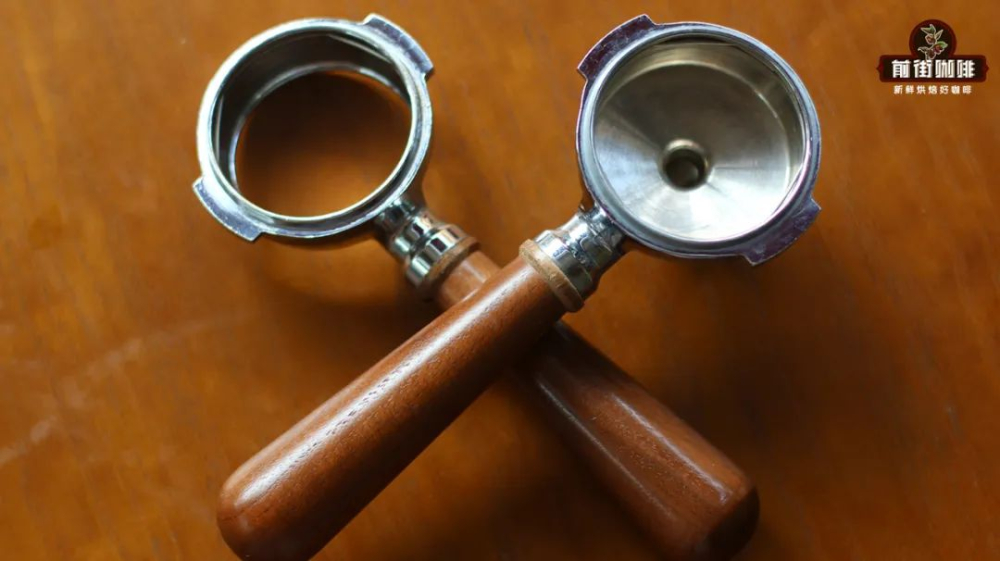
Espresso Bottomless Portafilter | What's the Difference Between a Spouted and Bottomless Portafilter on an Espresso Machine? Which Coffee Portafilter Is Suitable for Coffee Beginners?
For more specialty coffee knowledge, please follow our WeChat official account: Front Street Coffee (FrontStreet Coffee). The coffee extraction portafilter is an important tool for semi-automatic espresso machines. There are mainly two types of coffee portafilters: the first is the bottomed split portafilter, and the second is the bottomless straight-out portafilter. [more…]
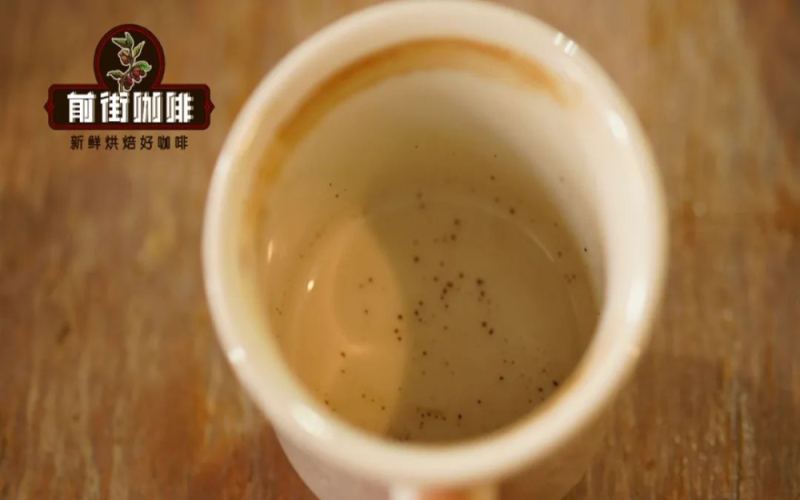
Why Does Fine Sediment Appear at the Bottom of an Espresso Cup? Analyzing the Causes and Practical Solutions for Improvement
Many people, after drinking an Americano or espresso, notice some fine black particles settling at the bottom of the cup—are these actually coffee grounds? And why are they rarely seen in iced drinks? Drawing on Front Street Coffee's practical experience in production, this article explains the sources of very fine particles in espresso extraction, including grinding particle size, the mesh of the portafilter basket, and cleaning of the group head, and offers four actionable improvement measures. The article also records the results of Front Street's test of placing a circular filter paper in the portafilter basket—although it effectively intercepts fine particles, the extraction flow rate and flavor change, requiring readjustment of the grind and dose parameters. [more…]
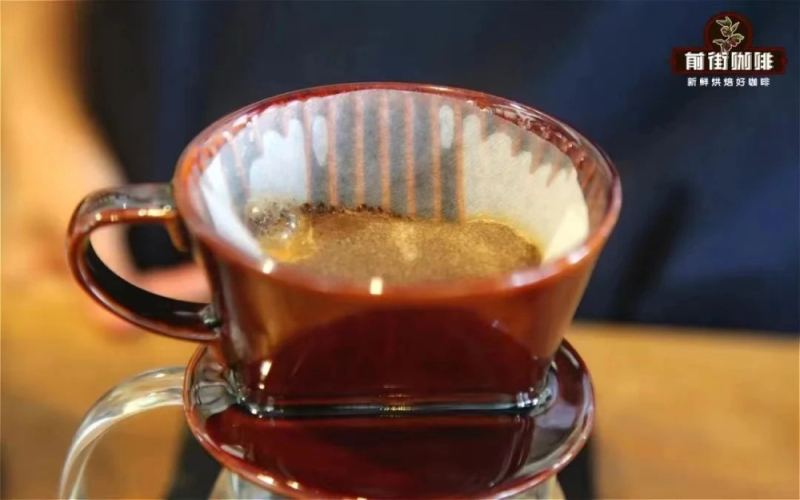
A Detailed Guide to Cake Dripper Brewing Techniques: Extraction Characteristics and Key Points for Using Flat-Bottom Pour-Over Drippers
In the world of pour-over coffee, even extraction has always been the core goal pursued by brewers. Whether choosing equipment or adjusting technique, everything ultimately revolves around giving each coffee particle a relatively consistent extraction. Front Street Coffee has discussed many times why conical drippers have become mainstream, and one key factor is the uniformity of pouring. Today, however, we introduce the cake dripper, a representative of flat-bottom drippers, which has a unique design logic for even extraction. What exactly are its differences from conical drippers? How do the bottom structure and rib design affect water flow? What usage characteristics does the way cake filters fit bring? This article, from Front Street's perspective, systematically analyzes the brewing characteristics of the cake dripper to help coffee enthusiasts gain a deeper understanding of this device's pros, cons, and suitable scenarios. [more…]
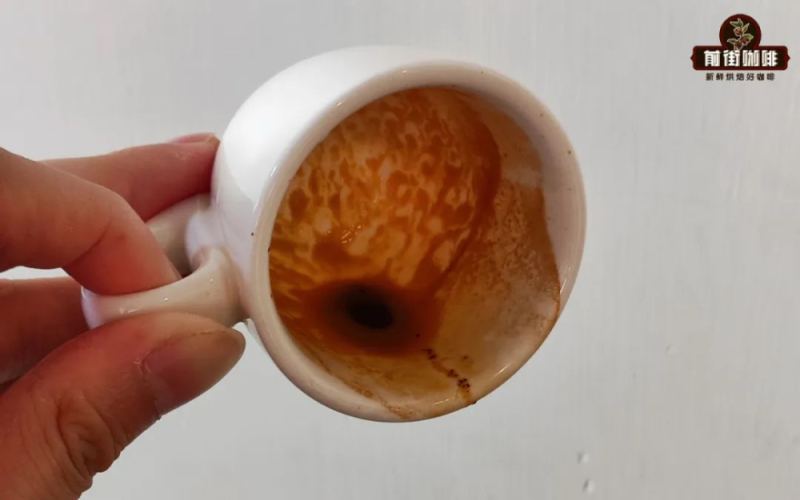
Is it normal for black sediment to appear at the bottom of an espresso cup? Explaining why fines pass through the filter basket
Many coffee enthusiasts, while enjoying an espresso, notice black particles settling at the bottom of the cup and worry whether this means something went wrong with the extraction. In fact, in most cases this phenomenon is perfectly normal. These sediments are extremely fine coffee grounds that have passed through the holes of the portafilter basket, and they usually sink to the bottom gradually after the coffee has rested for a few minutes. This article will explain in detail the principle behind how these fines appear, their relationship with tiger-striped crema, and several factors that may cause a sudden increase in sediment, including grinding too fine and deformation of the basket's mesh. At the same time, Front Street Coffee will also use examples to help you determine when you need to adjust your grinding parameters, so you can face that layer of fine grounds at the bottom of your cup with greater ease. [more…]
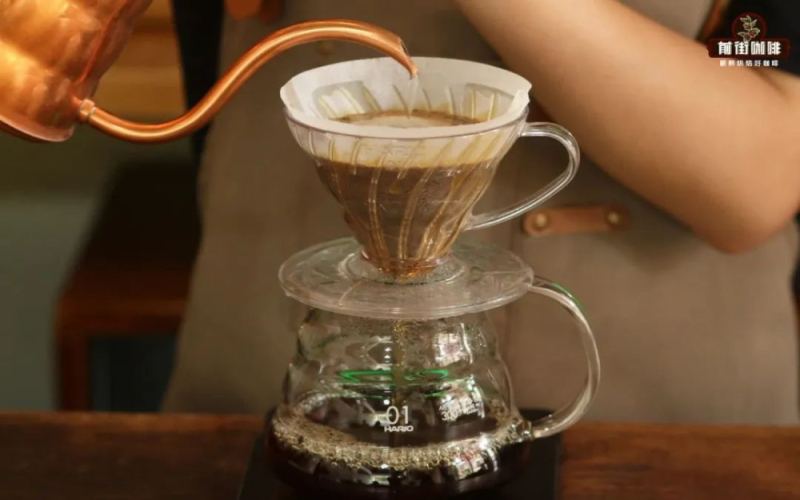
Pouring Differences Between Conical, Fan-Shaped, and Flat-Bottom Drippers: A Full Breakdown of V60, Kalita, and Wave Pouring Patterns
One of the joys of pour-over coffee lies in the extraction differences that different drippers bring. Front Street Coffee often receives questions from beginners: Do you also need to draw circles with a fan-shaped dripper? What should you pay attention to when pouring water with a flat-bottom dripper? This article takes three representative drippers—V60, Kalita, and Wave—as examples, starting from the coffee bed structure, explaining one by one the specific routes for circular pouring, and includes solutions for when the water flow is unstable. Whether you are just getting into pour-over or want to advance your understanding of how drippers and pouring techniques pair together, you will find practical reference here. [more…]

How to Use a Flat-Bottom Dripper with Adjustable Flow Rate? Hero Variable-Speed Cake Dripper Hands-On Review and Three Brewing Recipes
What kind of brewing experience does a flat-bottom dripper with manually switchable extraction modes actually deliver? Front Street recently got its hands on Hero's variable-speed cake dripper, which uses a knob mechanism to offer three flow-rate settings—immersion, slow, and uniform—while its flat-bottom design makes it quite beginner-friendly. Front Street has brewed beans such as washed Butterfly Flower, Mozart, and Juliette Geisha with it, and also tried extending the variable-speed function to iced pour-over scenarios, comparing it with the V60. This article provides a complete record of three sets of brewing parameters, flavor performance, and detailed issues found during use, for coffee enthusiasts' reference. [more…]
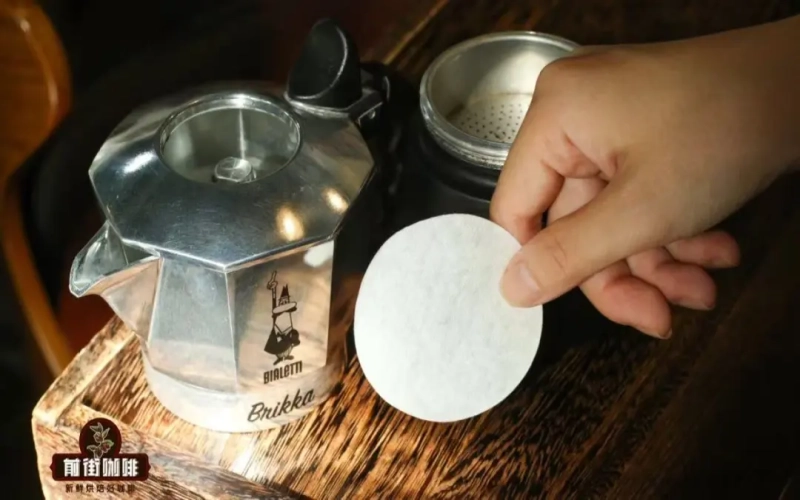
Should the moka pot filter paper be placed at the bottom of the filter basket or on top of the coffee puck? What extraction and cleaning effects does each bring?
Whether to add a filter paper to a moka pot depends on what problem you're trying to solve. Placing filter paper at the bottom of the basket mainly helps distribute hot water more evenly, reduces clogging, and makes it easier to knock out an intact puck for simpler cleaning; placing it on top of the puck increases filtration precision, reduces off-flavors from fine particles, gives a cleaner taste, and slightly increases extraction pressure. Front Street Coffee ran comparisons using a classic blend and found that adding filter paper at the bottom has very little effect on flavor but offers a clear cleaning advantage. This article explains the principles, practical effects, and suitable scenarios for each placement method, helping you choose according to your needs. [more…]
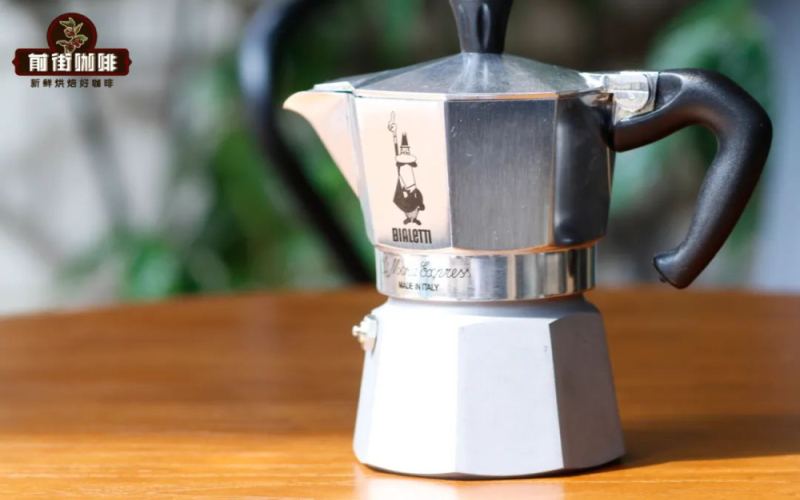
Moka Pot Bean Selection Guide: How to Choose Between Single-Origin and Blends, A Full Analysis of Espresso Brewing Techniques
As an essential coffee device in Italian households, the moka pot has been easily extracting rich coffee with 1-2 bar of pressure since its invention by Bialetti in 1933. But many coffee lovers are often confused: should a moka pot use single-origin or blended beans? How can common operating mistakes be avoided? This article will systematically analyze the moka pot's structure and principles, key points for use, and, based on Front Street Coffee's practical experience, recommend suitable coffee bean types and brewing plans to help you easily make a cup of full-bodied, solid espresso. [more…]
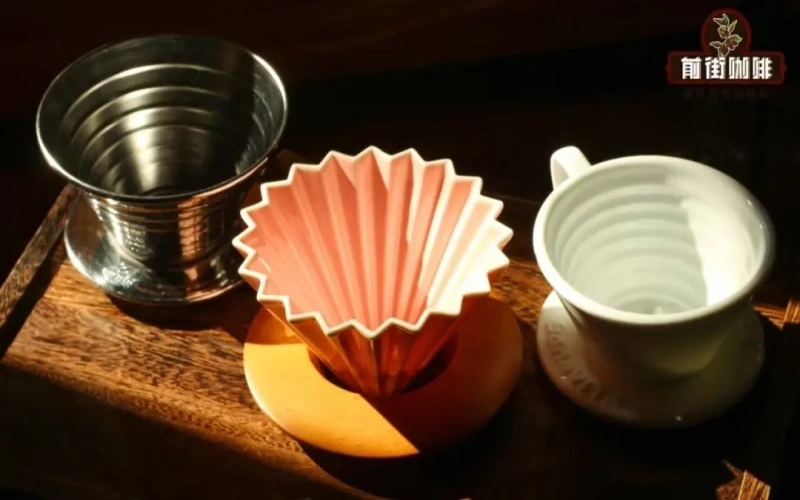
Analysis of the Differences Between Cake Filter Cups and V60 Cone Filter Cups: Sharing the Brewing Pros and Cons of Flat-Bottom Filter Cups and Practical Parameters
Among pour-over coffee equipment, cone-shaped drippers and flat-bottom drippers are two completely different choices. The cake dripper gets its name because its filter paper resembles baking paper, and its flat bottom brings extraction characteristics opposite to those of the V60: the coffee bed is thinner and more uniform in depth, pouring does not require deliberately controlling the range, and even beginners can easily brew a balanced and full-bodied cup of coffee. Of course, the relatively slow flow rate also requires us to make targeted adjustments in our parameters. In this article, Front Street will analyze the structural principles and flavor tendencies of the cake dripper, and share a specific method for brewing Ethiopian Hamashu with the Origami dripper, including coffee dose, water temperature, grind size, and staged pouring technique, to give you a comprehensive understanding of the advantages and disadvantages of flat-bottom drippers. [more…]
Ice Eye B75 Flat-Bottom Dripper Review: How a Large-Hole Design Unlocks Coffee's High Sweetness and Cleanliness
Front Street Coffee has previously introduced the concave-designed conical Ice Pupil dripper, and today we bring its younger sibling—the Ice Pupil B75. This flat-bottom dripper, co-designed by Li Jinlong and Timemore in 2022, gets its name from the Basket and its 75° angle. It features a 5cm extra-large drainage hole and a thick-walled heat-retaining structure, bringing the coffee bed closer to a cylindrical shape, allowing for smooth and even drainage. Front Street conducted both hot and iced brewing tests using Ethiopian 74158 Santa Vini and Emerald Green Label Geisha: during hot brewing, the B75 maintained a stable flow rate throughout, completing extraction in 2 minutes and 9 seconds, with prominent notes of dried mango, strawberry, and black tea, and an extremely strong sweetness; during iced brewing, it presented a balanced juice-like quality of honey, cream, and mandarin orange. The B75 is also very friendly to beginners who are not skilled at flow control, making it a powerful tool for amplifying the strengths of sweet beans. [more…]
Is It Normal for Black Sediment to Appear at the Bottom of an Espresso Shot? A Full Analysis of the Causes of Fine Particles and How to Fix Them
Many people notice a layer of fine black powder at the bottom of the cup after finishing a latte or espresso, and sometimes dark particles float at the bottom of an iced latte as well. Is this actually normal? Does it affect flavor or health? In fact, this sediment consists of ultra-fine particles that pass through the filter basket holes during espresso extraction. A trace amount is normal, but if a large amount of grounds is visible to the naked eye, it means something has gone wrong in the extraction process. This article starts with where these fine particles come from, analyzes possible factors such as grinding, the portafilter basket, and barista technique, and offers practical solutions like adjusting the grind setting, switching baskets, and adding a paper filter, to help you enjoy a cleaner cup of coffee. [more…]