







For more specialty coffee knowledge, please follow our WeChat official account: Front Street Coffee (FrontStreet Coffee)
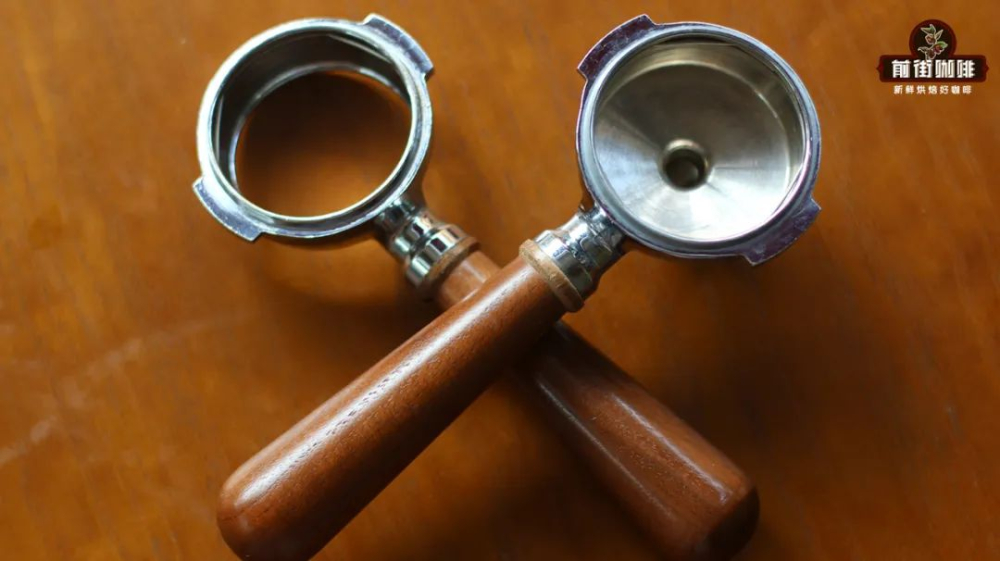
The portafilter is an essential tool for semi-automatic espresso machines. There are mainly two types of portafilters: the first is the bottomed spouted portafilter, and the second is the bottomless straight-through portafilter. Front Street's store currently uses a bottomless portafilter. So what are the pros and cons of using a bottomed versus a bottomless portafilter?
What's the difference between the two?
A bottomed portafilter seals off the outlet, leaving only a small opening, which is usually fitted with a splitter that can evenly divide one espresso into two. A bottomless portafilter, on the other hand, has no obstruction at the bottom, so you can directly see the bottom of the filter basket.
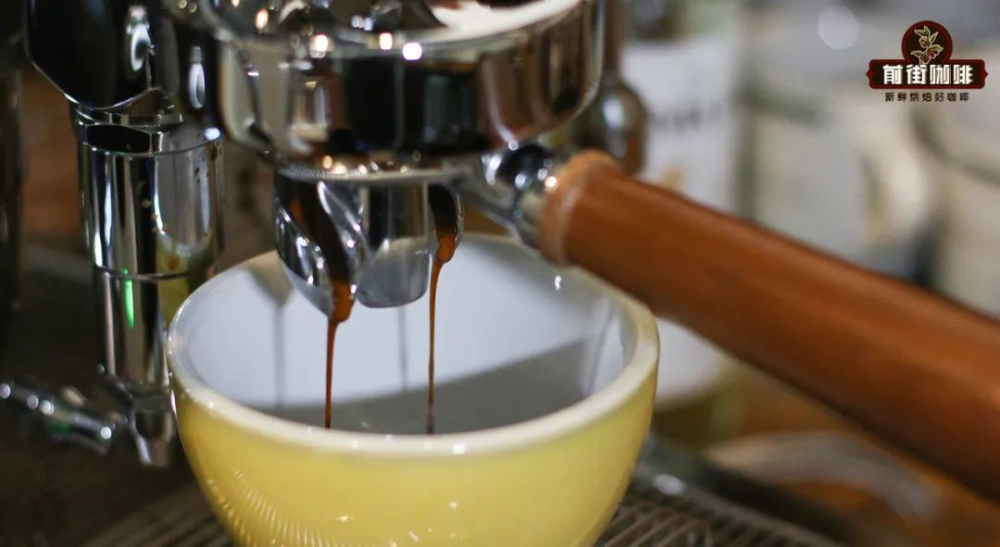
The difference between a bottomless portafilter and a bottomed one is that the bottom sealed portion is removed, allowing you to see the filter basket directly from the bottom. The advantage is that you can directly observe the flow of the espresso, and also effectively observe channeling, because when channeling occurs, spritzing appears at the bottom of the filter basket—easy to spot with a bottomless portafilter, but hard to see with a spouted one.
If the coffee machine you bought only comes with a bottomed portafilter and you want a bottomless one, you just need to find a craftsman at the street corner to saw off the bottom of the bottomed portafilter, and it becomes a bottomless portafilter with exactly the same effect.
What are the pros and cons of a bottomed portafilter?
Pro 1: A bottomed portafilter has a spout that prevents the coffee liquid from splashing after flowing into the cup.
Pro 2: A bottomed portafilter can be fitted with a splitter, allowing one espresso to be evenly divided into two cups.

Con 1: A bottomed portafilter needs to be preheated before extraction, because the large piece of metal at the bottom absorbs heat, affecting coffee quality.
Con 2: A bottomed portafilter easily accumulates coffee residue and needs frequent disassembly of the filter basket for cleaning, otherwise it will make subsequently extracted coffee taste off.
What are the pros and cons of a bottomless portafilter?
Basically, the bottomless portafilter was created to compensate for the shortcomings of the bottomed portafilter. However, the most important reason for its emergence is that it allows for more intuitive observation of coffee quality. Because when channeling occurs, spritzing appears at the bottom of the filter basket—easy to spot with a bottomless portafilter, but hard to see with a spouted one.
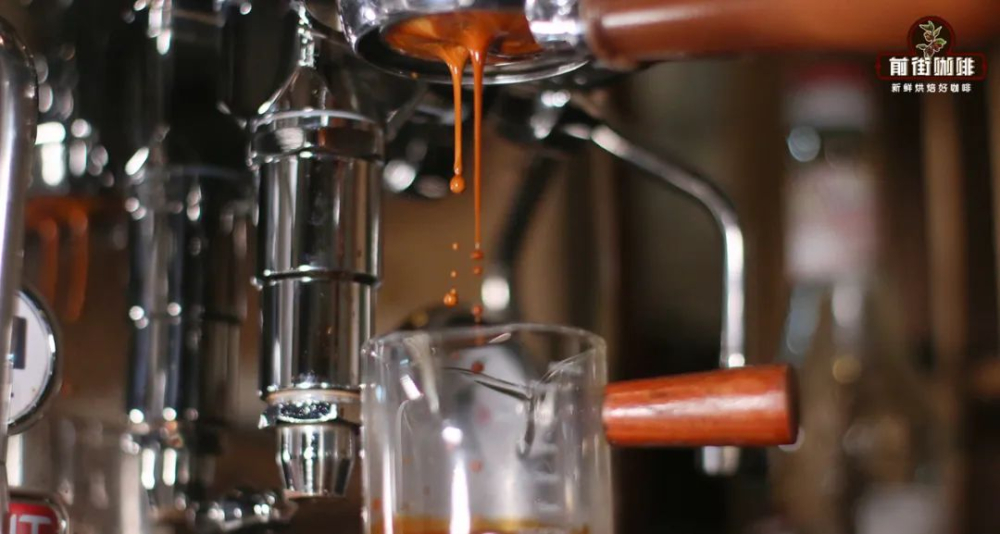
Furthermore, if you're making layered coffee like a Dirty, a bottomless portafilter is more convenient. Because some coffee machines have limited space between the group head and the drip tray, and if you use a spouted portafilter, a 7cm-tall cup might not fit, while a bottomless portafilter saves 3-4cm of space.
The downside is also obvious: the extracted coffee liquid tends to splash.
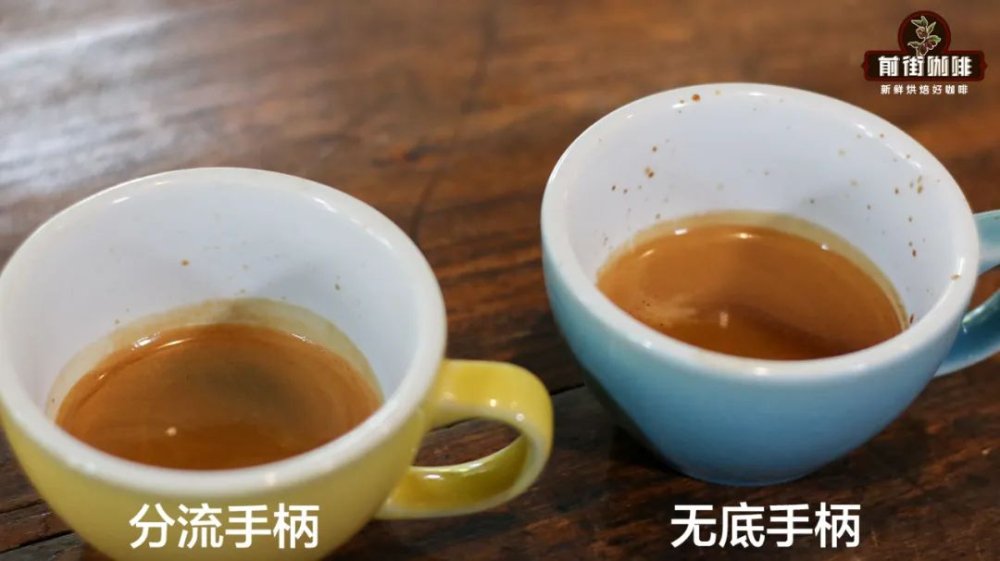
The main reason Front Street has always used a bottomless portafilter to extract espresso is the hope of better observing the espresso flow rate and the crema state falling into the cup, and once extraction goes wrong, the bottomless portafilter also helps to quickly adjust parameters. Here, to give everyone a more intuitive demonstration, we use Front Street's classic blend coffee beans, which have the richest crema, to show how to extract espresso with a bottomless portafilter:
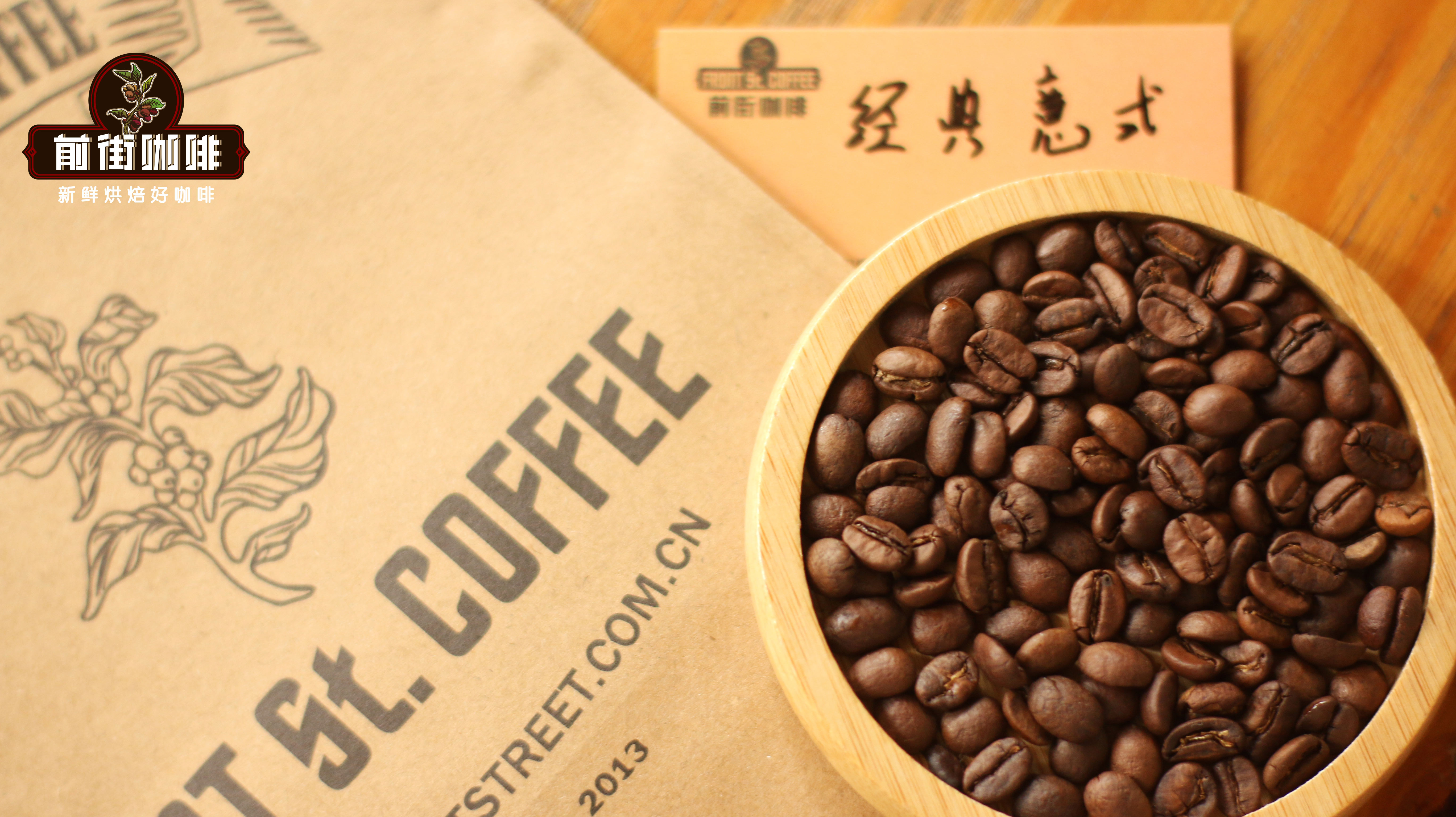
Front Street Coffee (FrontStreet Coffee)'s espresso extraction parameters
Grinder: Galileo Q18
Grind setting: 2.1
Coffee machine: Pegasus E98
Pressure: 9±2 bar
Temperature: 90–96°C
Dose: 19.5g
Yield: 35g
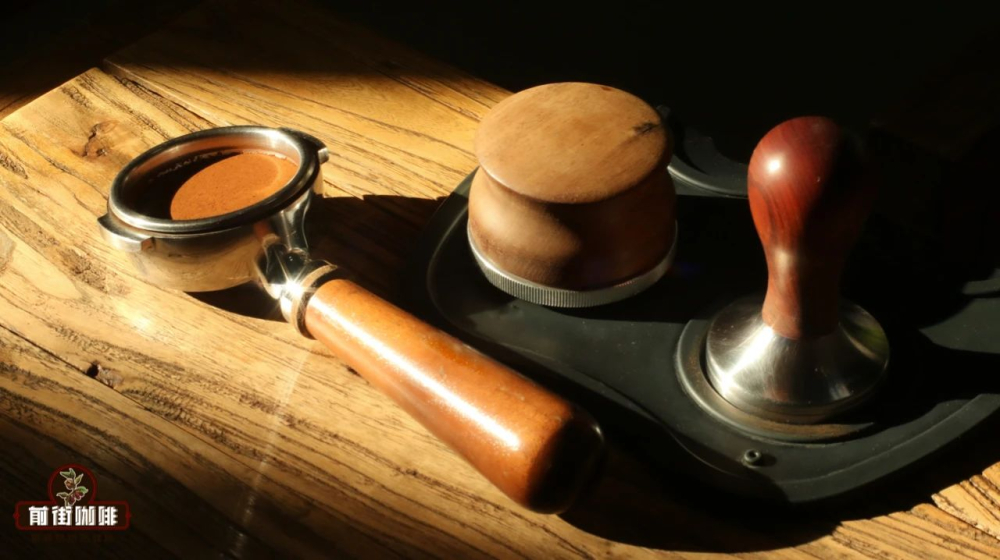
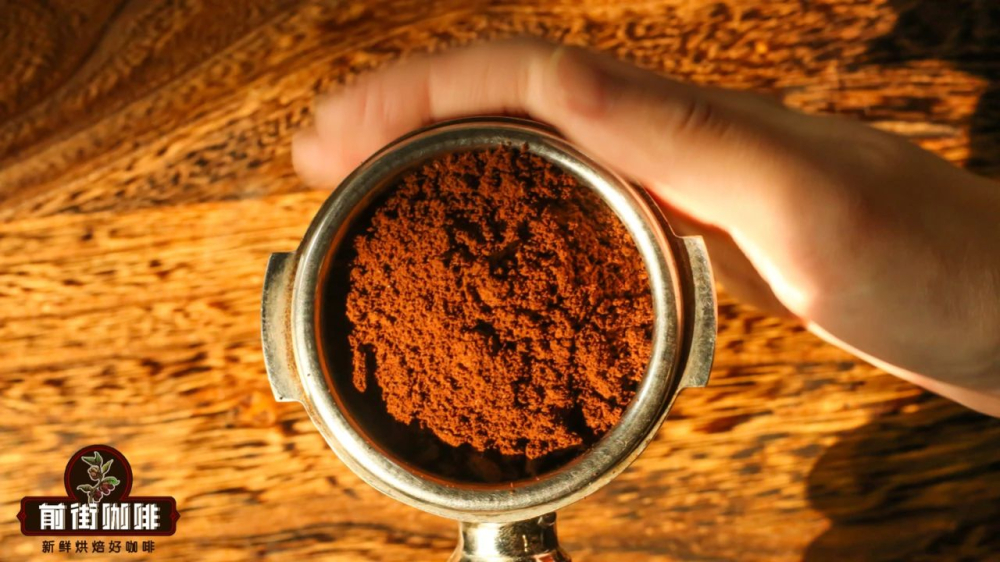
First, turn on the coffee machine switch and wait for the machine to heat up automatically. Then prepare freshly roasted coffee beans and grind them into a very fine coffee powder. Then lock the filter basket into the portafilter, and fill in the corresponding amount of coffee powder according to the recommended capacity of the filter basket.
After filling in the coffee powder, use your finger to distribute the coffee powder as evenly as possible in the filter basket, then use the tamper supplied with the coffee machine (or the flat end of the coffee bean/grounds spoon), and press down the coffee powder bed vertically.
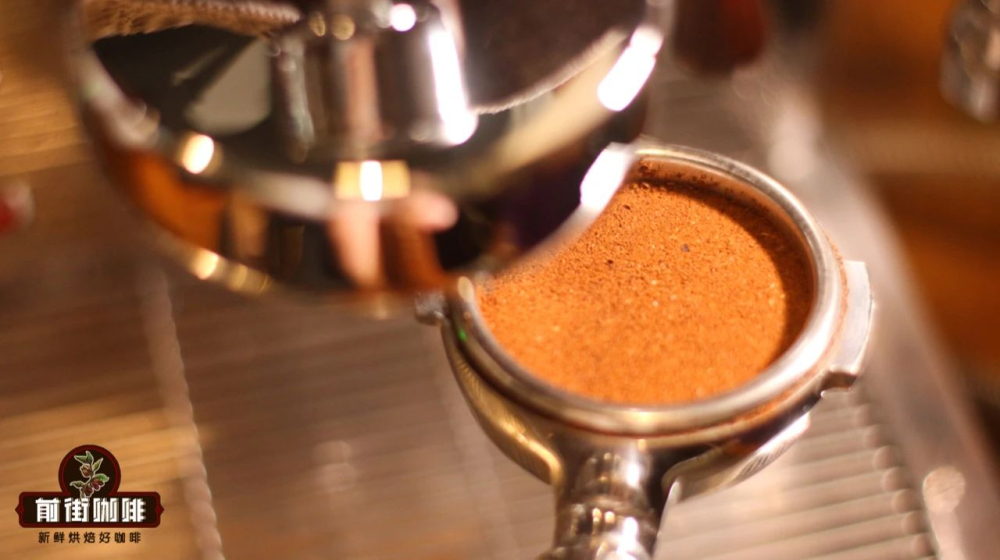
Then lock the portafilter onto the brew position of the coffee machine and confirm it's locked tight. Then press the switch, extract to your desired state, and the espresso is ready.
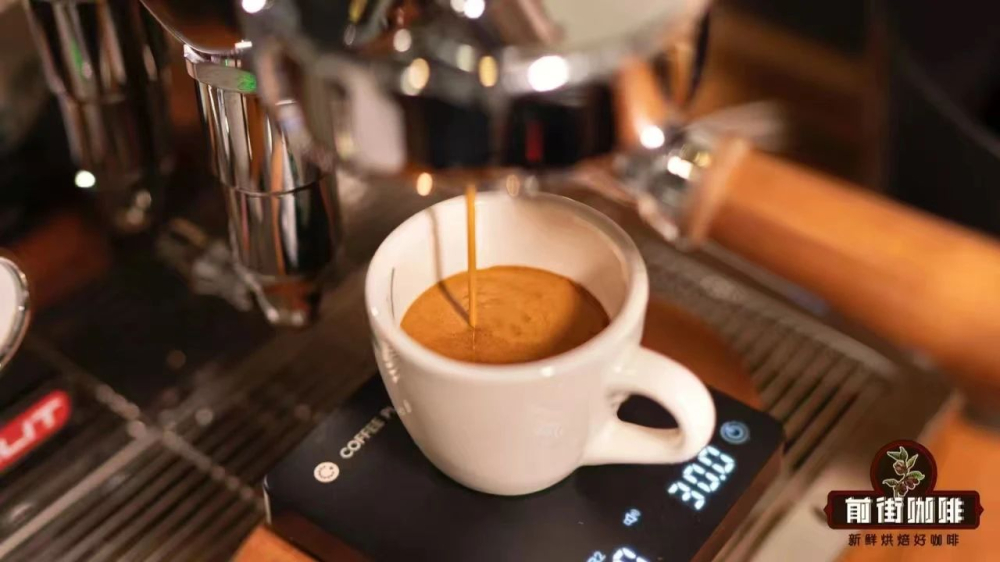
By observing the espresso falling from the bottomless portafilter, you can see that the espresso extracted with Front Street's classic espresso blend has a beautiful, visible crema—thick and dense, with a rich nutty cookie aroma. Front Street usually adds it to fresh milk to make a latte, so the texture is not only smooth and mellow, but you can also taste the nutty flavor of the espresso itself—simply delicious.
The above content is compiled by CoffeeHunters, a coffee news website.


