







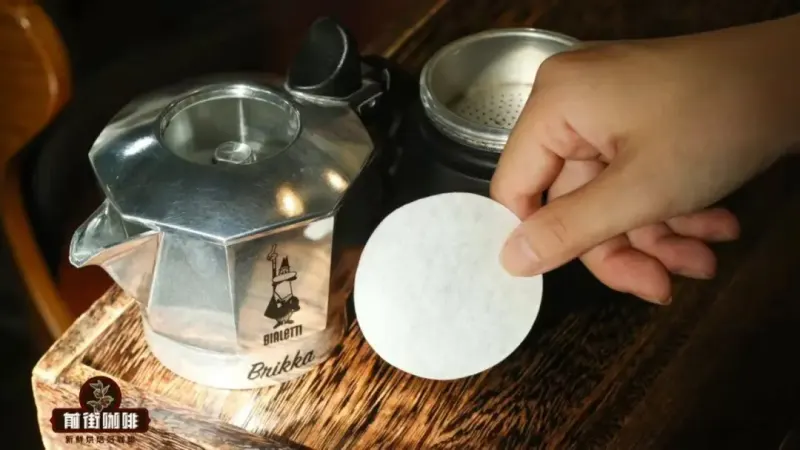
How Does a Moka Pot Paper Filter Affect Coffee Extraction?
A paper filter in a moka pot can go at the bottom of the filter basket or on top of the coffee puck, and each placement does a different job. A bottom filter spreads hot water more evenly, limits clogging, and lets the puck knock out in one piece. A top filter tightens filtration, cuts fines and off-flavors, and slightly raises pressure for a cleaner cup.
Testing with a Classic Blend showed the bottom filter made little difference to coffee extraction: both cups carried chocolate, nut, and cream notes with a full body, and the filtered cup was only slightly stronger. The bottom filter's real gain is cleanup. Top placement is the one that changes flavor, so the choice depends on whether clarity or easier puck removal matters more.
Whether or not to add a paper filter to a moka pot depends on what problem you're trying to solve. Placing a filter at the bottom of the basket mainly helps hot water distribute more evenly, reduces clogging, and makes it easier to knock out a whole puck for simpler cleanup. Placing one on top of the puck, on the other hand, improves filtration precision, reduces off-flavors from fines, gives a cleaner taste, and slightly increases extraction pressure. Front Street tested this with the Classic Blend: a bottom filter had very little effect on flavor but offered a clear cleaning advantage. This article explains the principles, actual effects, and suitable scenarios for both placements, so you can choose based on your needs.
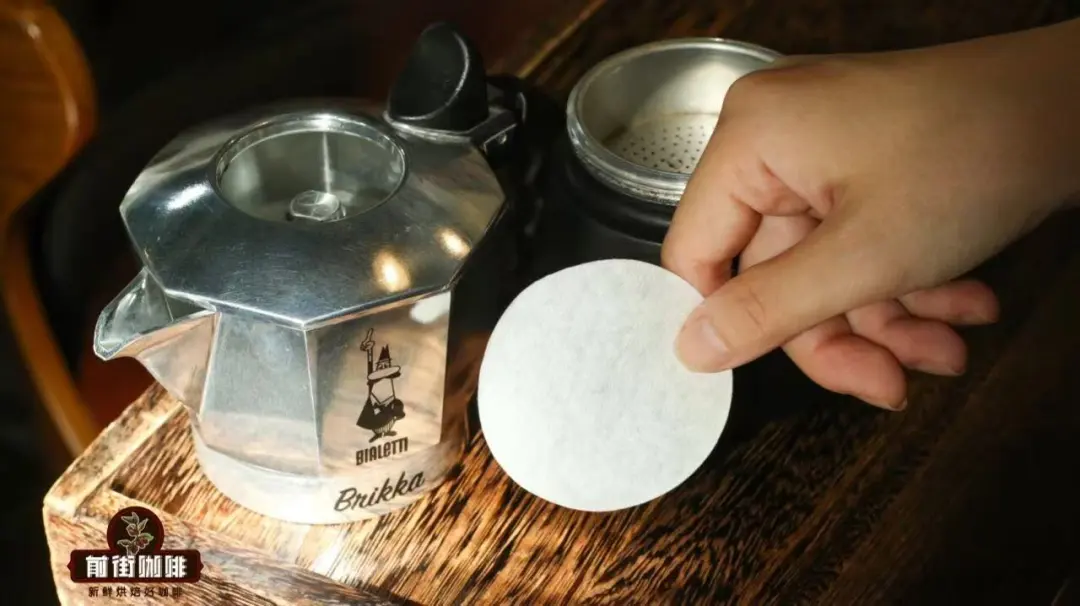
In the end, whether it's necessary to add a paper filter still comes down to personal needs. If the effects of adding a filter match your expectations, then go for it. So what exactly can a paper filter do for a moka pot? There are mainly two aspects!
1. Make extraction more even while preventing clogging
The most common purpose is to make extraction more even. Similar to an espresso machine, as long as hot water contacts the paper filter first, the filter can "distribute" the hot water evenly across the puck, resulting in more even extraction. However, unlike an espresso machine, a moka pot's hot water travels from bottom to top, so to achieve this you need to place the filter at the bottom of the basket.
But after actual testing, Front Street found that adding a paper filter doesn't change coffee extraction very much. The beans used at the time were Front Street Classic Blend, which is very suitable for espresso and moka pot coffee on the Front Street bean list. Front Street brewed two groups of moka pot coffee with it, one with a filter at the bottom and the other without.
The result was that there wasn't much difference in taste. Both groups of moka pot coffee showed the rich chocolate, nut, and cream aromas of Front Street Classic Blend, with a full body and prominent finish—both were delicious!
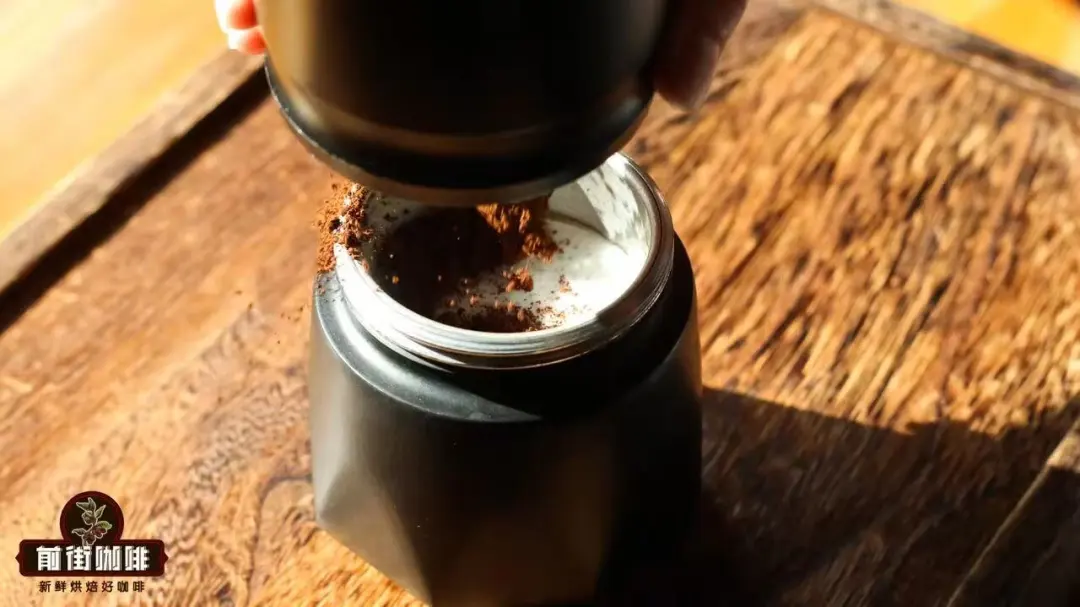
If you really must find a difference, the cup with the filter was slightly stronger than the one without, but only slightly—hard to notice without a side-by-side comparison, because the difference really is very small. Rather than extraction, what Front Street likes more about the bottom filter is another feature—it lets you knock out a perfect coffee puck.
In the past, when knocking out a moka pot puck, it often wouldn't hold together, and a lot of coffee grounds would remain in the basket and need to be dug out by hand. With a paper filter added, because the filter catches everything, you can knock out a complete whole puck directly. Not only that, no coffee grounds get stuck in the moka pot's filter screen holes either—so it's fair to say cleanup is much easier with a filter.
So if you want to make cleaning your moka pot easier, Front Street would recommend placing a paper filter at the bottom of the basket, because it really does save you a lot of cleaning time and steps—though not an especially large amount~~
2. Reduce coffee grounds and optimize taste
Compared with the bottom of the basket, many friends prefer to place the paper filter on top of the puck. That's because it brings two notable changes to moka pot coffee, the first being an optimized taste.
A moka pot's filter screen isn't as precise as paper, so some finer particles pass through the screen into the coffee. Although these particles can add some body to the coffee, they also bring negative qualities like grittiness and bitterness. Placing a paper filter on top of the puck increases filtration precision, reduces coffee grounds overflowing, and gives the coffee a cleaner taste.
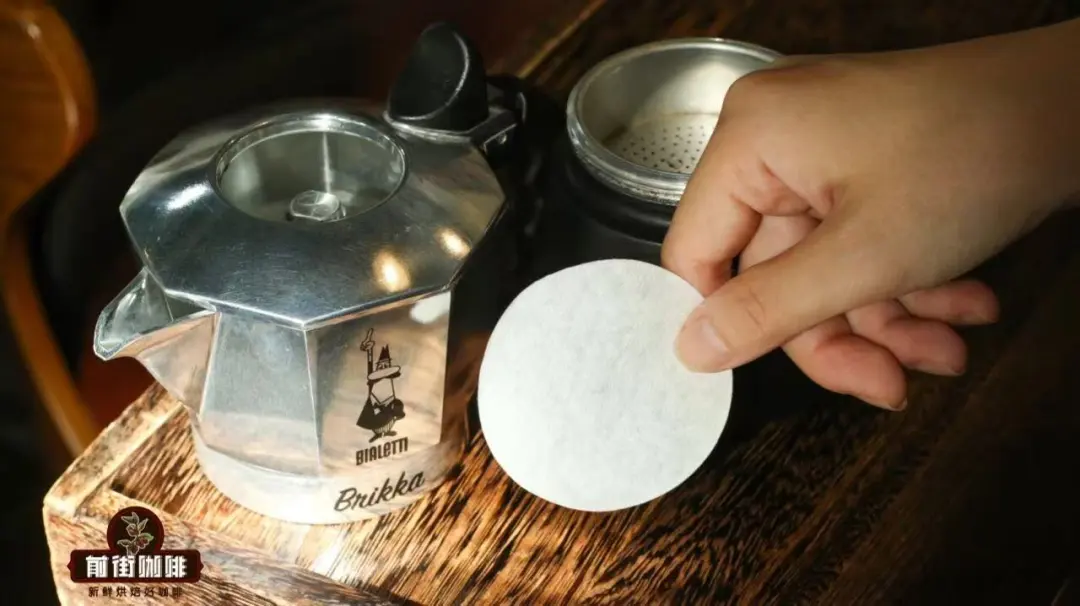
Besides that, placing a paper filter on top of the puck has another advantage: it can slightly increase the pressure during coffee extraction. The reason is simple—adding the filter narrows the channels through which the coffee liquid seeps out, so the liquid needs greater pressure to break through. Although the added pressure won't be much, when the coffee grounds aren't ground finely enough or there isn't enough coffee, adding a few filters is a good way to improve extraction efficiency~
Those are the two advantages of using a paper filter in a moka pot. You can choose whether to add one based on your own needs. If you want to make cleaning the moka pot easier, place the filter at the bottom of the basket; if you want the coffee you make to taste cleaner, or to increase extraction efficiency, then place the filter on top of the puck~
- END -
The above content is compiled by CoffeeHunters, a coffee news website.


