







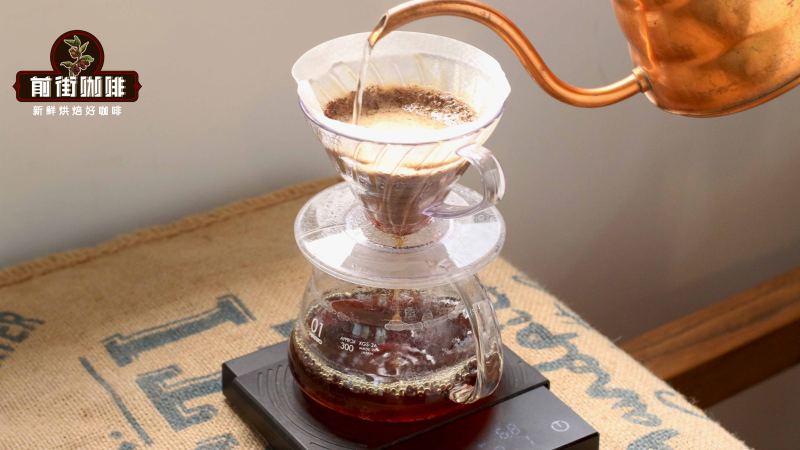
Which dripper suits a pour-over beginner's coffee making skills?
A flat-bottom cake dripper is the easier choice for pour-over beginners. Its flat bed takes a filter paper shaped like a cupcake liner, and the even depth of coffee gives a slower, more forgiving flow, so uneven pouring matters less. Compared with a V60 cone, the cake dripper asks for less pouring control and tends to bring out sweetness in the cup.
The name comes from the paper, not the drink, and most cake drippers share one flat bottom, unlike cone or fan-shaped models. Because the bed is level, water spreads across the grounds instead of running down one side. That structure lowers the demand on technique, which matters when a new brewer is still learning. Medium-roast beans with clear sweetness work well here.
For friends who are just getting into pour-over coffee and are not yet skilled at pouring techniques, choosing the right dripper is often more crucial than honing your skills. Front Street Coffee believes that compared to the V60 cone-shaped dripper, which is touted as an "all-purpose" tool, the cake dripper (also called a flat-bottom dripper) has lower demands on pouring proficiency and makes it easier to brew out sweetness. This article will start from the origin of the cake dripper's name and the extraction principles of its flat-bottom structure, analyze why it is beginner-friendly and why its sweetness stands out, while comparing the pros and cons of cone-shaped drippers, helping enthusiasts understand the characteristics of different drippers, and include Front Street Coffee's bean recommendations suitable for flat-bottom drippers.
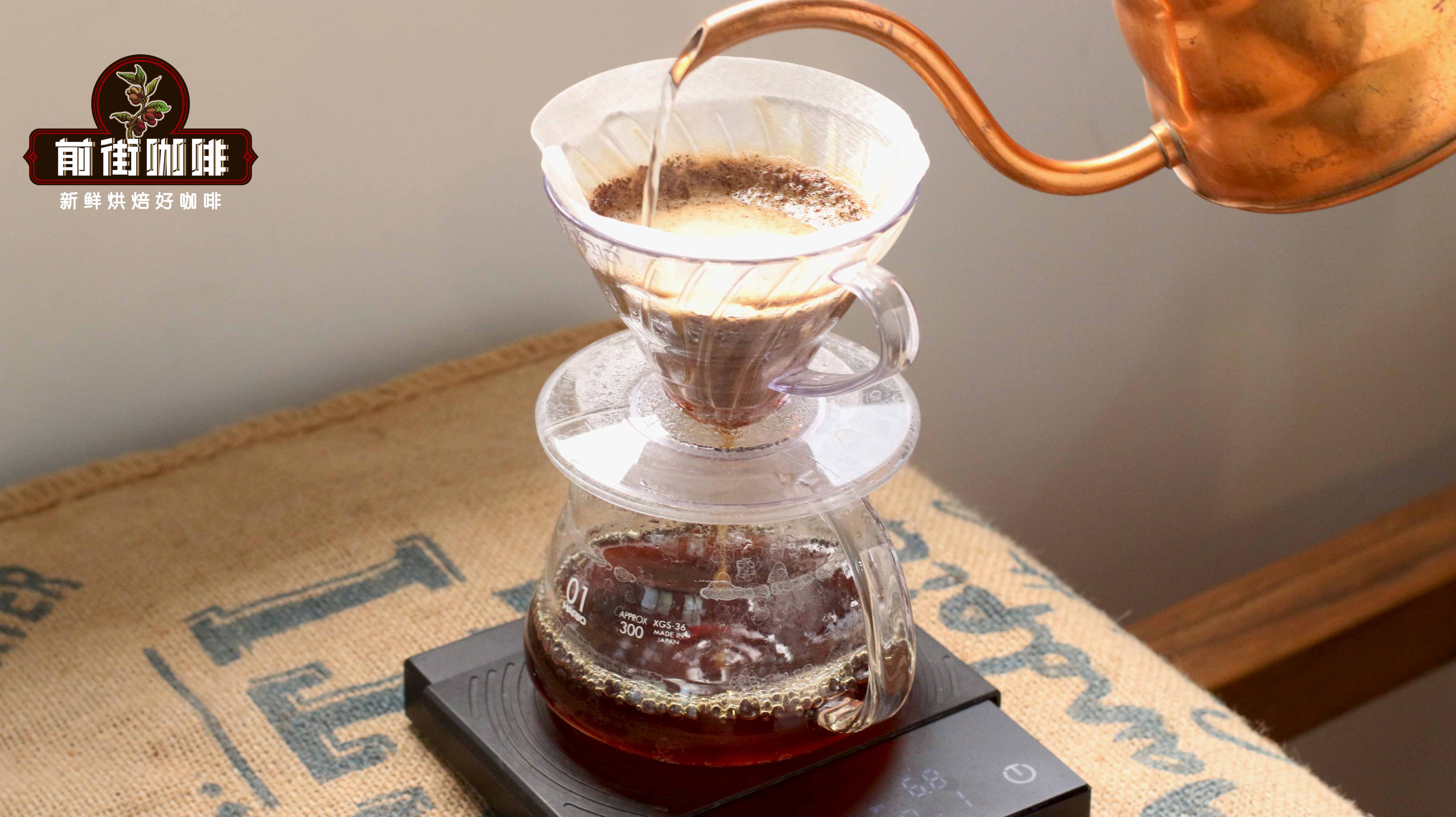
If a complete novice with no pouring experience were asked to brew a good cup of coffee, Front Street Coffee believes most veterans in the coffee circle would not first recommend the V60, known as the "all-purpose" tool of the dripper world, but would suggest using a cake dripper. The reason is that the cake dripper sets a relatively low threshold for pouring technique, and it more easily brings out the sweetness of the coffee.
So today, Front Street Coffee will walk you through what characteristics the cake dripper actually has, why it is not so picky about pouring technique, and why it can brew out sweetness more easily!
What is a cake dripper?
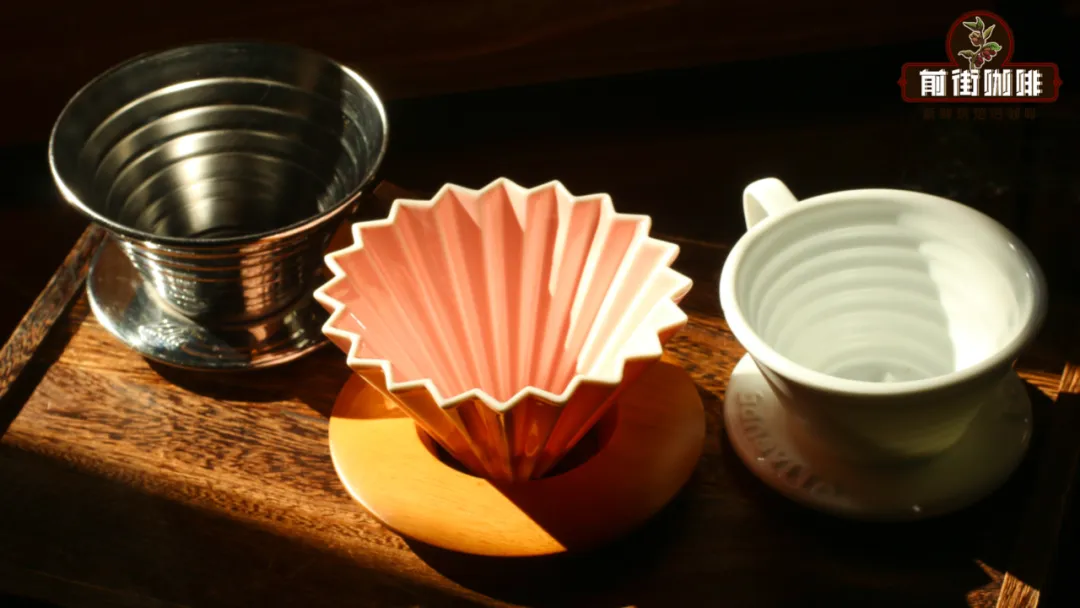
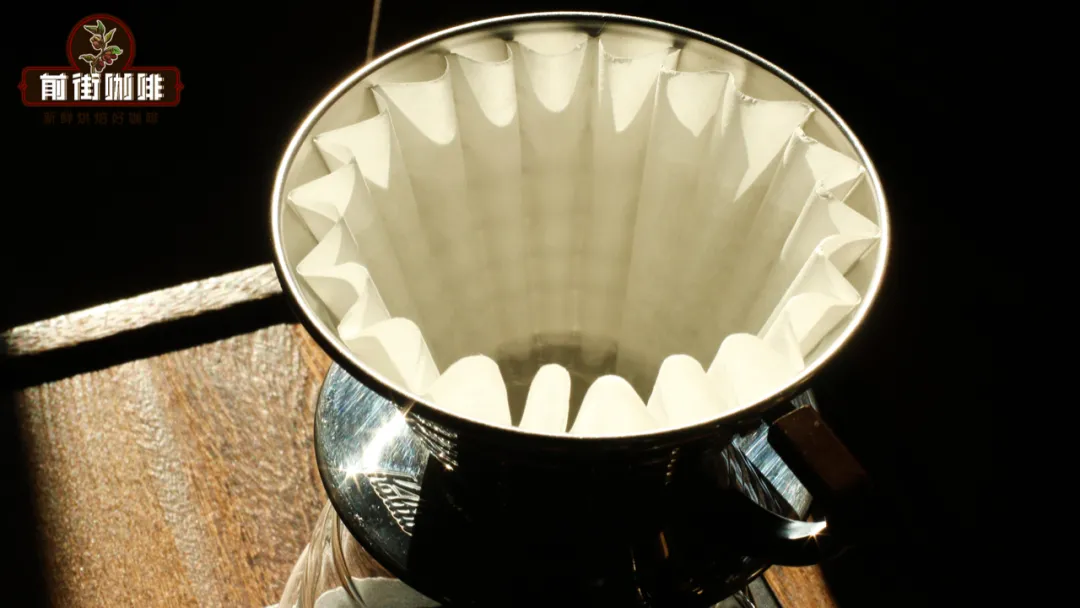
Many people, upon first hearing the name "cake dripper," probably guess that its shape or design has some connection to cake. But as can be seen from the pictures below, these devices called cake drippers have almost no visible association with cake in their appearance.
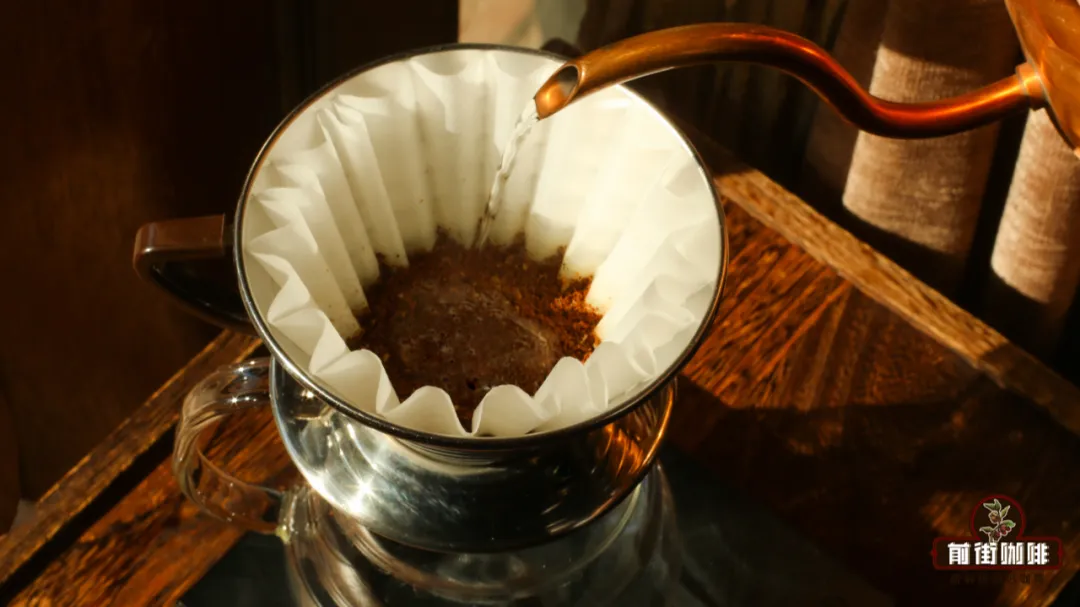
That's right, they really have nothing to do with cake itself. The reason they are given the name "cake dripper" is that the filter paper used by this type of dripper is shaped very much like the paper liners used for making cupcakes, so people just started calling them that.
However, upon closer observation, you will find that these drippers share one thing in common: the bottom is not pointed like cone-shaped or fan-shaped drippers, but flat (except for the origami dripper). It is precisely because the bottom is flat that the matching filter paper is different from others, and they have thus acquired another alias—flat-bottom dripper.
The world's earliest dripper was actually a flat-bottom model, invented by Mrs. Melitta. But it did not become popular at the time, until 2010, when the well-known Japanese coffee equipment brand Kalita launched a dripper called Kalita Wave (meaning wave), and flat-bottom drippers truly became known to the public.
In recent years, many competition participants have won championships with flat-bottom drippers, showing that the strength of flat-bottom drippers is not inferior to pointed-bottom drippers, and they have their own unique advantages.
What are the advantages of cake/flat-bottom drippers?
The advantages of the cake dripper mainly stem from its flat-bottom design. As Front Street Coffee mentioned earlier, whether it is a cone-shaped dripper or a fan-shaped dripper, the bottom is pointed, and after coffee grounds are poured in, the coffee bed as a whole takes an inverted cone shape.
An inverted cone-shaped coffee bed means that the cross-sectional area of each layer is different, decreasing from top to bottom, so the overall thickness of the coffee bed is relatively thick. At this point, the position and force of pouring will have a great impact on extraction. Because water poured at different positions passes through different thicknesses of the coffee bed, the liquid concentration and penetration force change accordingly, and the extraction efficiency obtained by the coffee grounds also differs.
As shown in the figure, because the cake dripper has a flat and relatively large bottom, the coffee bed formed after pouring in coffee grounds is an inverted truncated cone. Some drippers with even less slanted walls have a coffee bed structure closer to a cylinder.
Whether it is a truncated cone or a cylinder, the cross-sectional area of each layer of the coffee bed is quite similar, which means the thickness of the coffee bed is reduced. Even if the pouring position is not standardized enough or not uniform enough, and the flow rate is inconsistent, the extraction rate received by the coffee grounds in each place is still very close. In other words, when pouring with a flat-bottom dripper, you do not need to deliberately adjust the pouring range and position as with pointed-bottom drippers, such as pouring in a large circle or a small circle.
In addition, the vast majority of flat-bottom drippers have few outlet holes and small hole diameters, and the liquid penetration speed is relatively slow. This can bring a certain soaking effect to extraction, allowing all coffee grounds to further obtain roughly consistent extraction. Although this cannot achieve the outstanding layering of cone-shaped drippers, the brewed coffee flavor will be more balanced, and the sweetness will therefore be more prominent.
When using a cake dripper, it is best to choose coffee beans with a balanced mouthfeel such as Front Street Coffee Strawberry Candy, Front Street Coffee Sidra, and Front Street Coffee Queen's Estate. They use medium roasting, with no obvious bitterness and no pungent acidity, and extraction with a flat-bottom dripper can show a round and smooth body.
This is one of the reasons why cake drippers are often recommended for beginners! That said, drippers themselves have no distinction between superior and inferior, each has its own strengths, and we can also adjust parameters and brewing techniques to allow different drippers to achieve similar extraction results.
The above content is compiled by CoffeeHunters, a coffee news website.


