







Search Results for: Wild Extraction Mountain
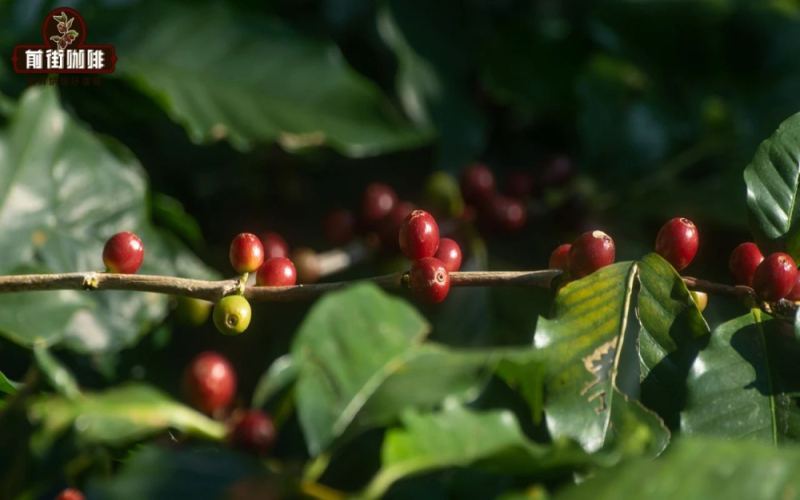
Ethiopian Coffee vs. Geisha Variety Comparison: Flavor Characteristics of Kafa Wild Forest Washed Beans and V60 Brewing Method
Ethiopia, as the birthplace of Arabica coffee, is home to numerous well-known growing regions, and the Geisha variety takes its name from the Geisha Mountain in the country's Kafa forest. Starting from Front Street Coffee's everyday bean series, this article systematically reviews Ethiopia's coffee-growing conditions, its main producing regions, and the wild coffee characteristics of the Kafa Biosphere Reserve, while comparing in detail the essential differences between the native heirloom varieties of the Kafa forest and the Panamanian Geisha variety. It also introduces the flavor profile of Front Street's washed Kafa Forest coffee beans, along with the specific parameters and techniques for three-stage extraction using a V60 dripper, helping coffee enthusiasts understand more clearly the relationship between Ethiopian coffee and Geisha. [more…]
Exploring the Birthplace of Geisha Coffee: The Legendary Journey from Gesha Mountain in Ethiopia to Geisha Village Estate
Geisha coffee is hailed as the new king of specialty coffee, conquering countless coffee lovers with its rich floral aroma and tropical fruit notes. Yet where exactly does this legendary coffee originate? And how did it travel from the wild forests of Ethiopia to the world stage? This article will trace the mystery of Geisha coffee's origins—from the native variety on Gesha Mountain to the founding of Gesha Village Coffee Estate, from the forest expeditions of Bench Maji to the astonishing prices at international auctions—offering a comprehensive overview of Geisha coffee's origin history and variety classification. At the same time, Front Street Coffee will also share the brewing parameters and flavor profile of Gesha Village Red Label Geisha, providing a professional reference for your tasting. [more…]
Front Street Kopi Luwak Pour-Over Full Guide: Indonesian Sumatra Flavor Profile and Low-Temperature Extraction Technique Tutorial
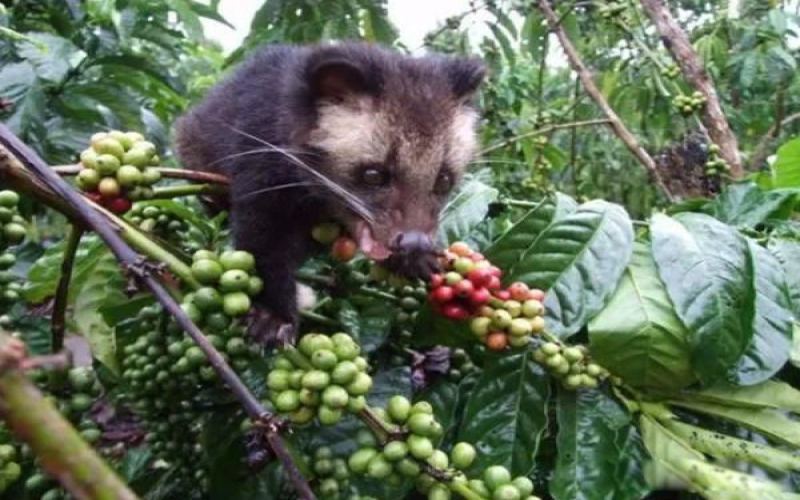
Front Street Kopi Luwak comes from the central mountain region of Aceh in Sumatra, Indonesia, and is an extremely rare specialty Arabica coffee. What makes this coffee unique is that ripe coffee cherries are eaten by wild civets, undergo fermentation and breakdown by special enzymes within their bodies, and are then excreted, washed, and lightly roasted, ultimately presenting a rich, mellow flavor completely different from regular coffee. Global annual production does not exceed 120 pounds, and the price is high, making it truly difficult to obtain even a single cup. This article will introduce in detail the origin background and flavor formation of Front Street Kopi Luwak, and focus on explaining two brewing methods: low-temperature pour-over and cold drip, along with key parameters such as water temperature, grind size, and coffee-to-water ratio. It also includes tasting methods and the wonderful uses of coffee grounds for skincare, helping coffee lovers fully master the brewing and tasting essentials of this rare coffee. [more…]
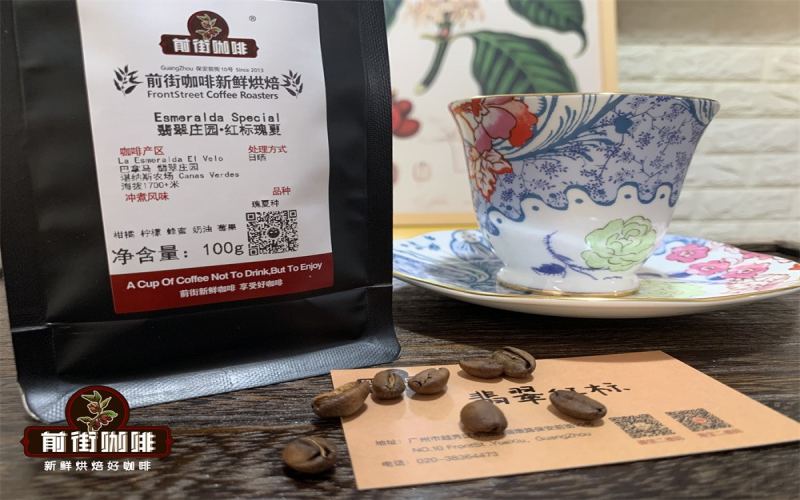
The Rise of Geisha Coffee and a Guide to Selecting Cost-Effective Geisha Beans
Geisha, called "艺妓 coffee" because its pronunciation resembles the Japanese word for geisha, has become a legendary variety in the specialty coffee world thanks to its extremely bright, rich aroma and auction prices that keep setting new records. From its wild collection in 1936 in the Geisha Mountains of Ethiopia, to its stunning debut at Hacienda La Esmeralda in Panama, and then to its sweep of major cupping competitions, Geisha took more than half a century to complete its rise from an obscure wild species to the king of coffee. This article will sort through Geisha's legendary record and flavor characteristics, and, in combination with Front Street Coffee's sales rankings, recommend three Geisha coffee beans with excellent quality and friendly prices, helping enthusiasts appreciate Geisha's captivating charm at a more reasonable cost. [more…]
A Comprehensive Analysis of the Characteristics of Ethiopia's Southwestern Kafa Forest Coffee Region and the Origins of Wild Arabica
Ethiopia is globally recognized as the birthplace of coffee, and its southwestern Kafa Forest is widely regarded as the original homeland of Arabica coffee. Starting from Ethiopia's overall coffee-growing conditions, this article outlines the distribution of well-known producing regions such as Yirgacheffe, with a focus on the geography, ecology, and coffee cultivation patterns of the Kafa region and the Kafa Biosphere Reserve. It also clarifies a common misconception: the Kafa Forest and the Panama Geisha variety are not the same thing. The article also introduces the flavor profile of Front Street Coffee's Kafa Forest washed beans and V60 brewing parameters for coffee enthusiasts' reference. [more…]
The Mystery of Indonesian Kopi Luwak's Flavor Formation and Price: From Wild Civets to Front Street Coffee Brewing Suggestions
The fame of Kopi Luwak is on par with Jamaican Blue Mountain coffee; even those who don't often encounter specialty coffee have likely heard of it. Why does this coffee from Indonesia have such a unique flavor and high price? And how can authentic Kopi Luwak be identified? This article, from the perspective of Front Street Coffee, will sort out the historical origins of Kopi Luwak, the real impact of the fermentation process within the civet's body, its flavor characteristics and the reasons for its high cost, and will also include detailed information and brewing parameters for this Indonesian Kopi Luwak bean available at Front Street's shop, providing a complete reference for curious coffee enthusiasts. [more…]
The Origin, Flavor Characteristics of Indonesian Kopi Luwak, and the Brutal Truth Behind Captive Farming
Kopi Luwak is arguably one of the most expensive coffee categories in the world. Its proper name is civet coffee, and its core production region is Indonesia. Products bearing this name abound on the market, yet only those produced in Indonesia count as authentic; other regions can at best be considered flavor imitations, much like the ubiquitous "Blue Mountain coffee" whose authenticity is hard to tell. This article will trace the peculiar natural fermentation bond between civets and coffee cherries, analyze the unique herbal and nutty notes of these beans, recount the painful history of evolution from collecting droppings in the wild to artificial caged farming, and include Front Street Coffee's medium-dark roast brewing parameters and technique suggestions, to give you a comprehensive understanding of this highly controversial cup of coffee. [more…]
Indonesian Sumatra Mandheling Coffee Flavor Analysis: The Unique Charm of Low-Acidity, Full-Bodied Taste and Wet-Hulling Processing
For those who prefer bitter notes and dislike acidity, Indonesian Mandheling is undoubtedly a classic choice. This coffee from Sumatra, with its low-acid, rich and mellow taste and unique herbal aroma, won the favor of older-generation coffee lovers even before Blue Mountain became famous. Front Street Coffee's bean list currently features two options: Lintong Mandheling everyday beans and PWN Golden Mandheling, both medium-dark roasted, presenting dark chocolate and caramel flavors while retaining a wild herbal character. This article will take an in-depth look at Mandheling's growing environment, wet-hulling processing method, as well as Front Street's brewing suggestions and flavor comparison, to give you a comprehensive understanding of this Southeast Asian coffee's unique charm. [more…]
The Rise of Geisha Coffee: From Ethiopia's Wild Forests to the Legendary Fame of Hacienda La Esmeralda
Geisha coffee is now a dazzling star in the specialty coffee world, and its signature floral aroma and complex fruity flavors fascinate countless coffee lovers. But few people know that this variety took more than seventy years from its discovery to truly making a name for itself. In this article, Front Street Coffee traces the origins of Geisha, from its collection in Ethiopia's Kaffa forests in 1931, to trial cultivation in Kenya, Costa Rica, and elsewhere, and then to its discovery and cultivation by the Peterson family at Hacienda La Esmeralda in Panama, laying out in detail the rise to fame of this legendary variety. The article also provides an in-depth introduction to the microclimate characteristics and lot division system of Hacienda La Esmeralda's three major plots, and includes the complete pour-over parameters and three-stage extraction steps for the Emerald Red Label Natural Geisha served at Front Street stores, for coffee lovers to refer to and put into practice. [more…]
The Origins and Legend of Geisha Coffee: From Ethiopia's Gesha Mountain to Gesha Village's Red Label
Geisha coffee is one of the most sought-after varieties in today's specialty coffee world, having won over countless coffee lovers with its intense floral aroma, tropical fruit notes, and light tea-like body. But did you know that this variety, which now shines so brightly in Panama, Colombia, and beyond, originally came from the Gesha mountainous region in southwestern Ethiopia? This article, from the perspective of Front Street Coffee, traces the origins of Geisha, tells the story of the founding of Gesha Village, and provides a detailed introduction to its Red Label Geisha—its variety, plots, processing methods, and Front Street's brewing recipe—taking you through the complete story of this legendary coffee, past and present. [more…]

The Truth About Wild Kopi Luwak from Sumatra, Indonesia: Historical Origins, Bean Source Controversy, and Front Street Brewing Suggestions
Kopi Luwak is known as the luxury item of the coffee world, with a retail price starting at at least six hundred dollars per pound, and its scarce production has made it an object of pursuit among the wealthy. But controversy surrounding this coffee has never ceased: do the beans actually come from wild civets or captive-bred individuals? Is the flavor truly as outstanding as legend says? How did European colonial history give rise to this method of drinking coffee from beans found in feces? This article systematically sorts through the past and present of Indonesian Sumatra Kopi Luwak, from historical origins, animal habits, and certification difficulties to brewing parameters, and shares Front Street Coffee's tested brewing method and flavor evaluation, helping coffee enthusiasts view this expensive beverage rationally. [more…]
Is Indonesian Kopi Luwak Sour or Bitter? Origin, the Truth About In-Body Fermentation, and Why It's So Expensive
The fame of Kopi Luwak is almost on par with Jamaican Blue Mountain coffee; even those who don't often drink specialty coffee have likely heard of it. The name may not sound elegant, but why is it so famous and so expensive? From the perspective of Front Street, this article sorts out the historical origins and flavor profile of Indonesian Kopi Luwak, clarifies whether it is sour or bitter, and analyzes the real impact of the in-body fermentation process of the civet on coffee beans. It also explains the reasons for its high price and scarcity, as well as the difference between wild and artificially fed beans, and finally includes the parameters and brewing suggestions for this Front Street Indonesian Kopi Luwak coffee bean. [more…]
Why Is Geisha Coffee So Fruity? A Flavor Analysis from Its Origins to Hacienda La Esmeralda's Three Grades
Geisha coffee, with its intense floral aroma and bright fruity acidity, has become a star variety in the specialty coffee world. But its rise to fame was not smooth sailing—from the wild forests of Ethiopia to Hacienda La Esmeralda in Panama, it took decades to be discovered. This article traces the variety's journey of dissemination, explains in detail the grade classifications and flavor differences of Hacienda La Esmeralda's Red Label, Green Label, and Blue Label, and shares Front Street Coffee's brewing recommendations and cupping comparisons, offering you a comprehensive understanding of this legendary variety's unique charm. [more…]
A Comprehensive Guide to the Price of Wild Kopi Luwak from Sumatra, Indonesia, and the Flavor Characteristics of Kopi Luwak
Kopi Luwak is hailed as one of the most expensive coffees in the world, with a retail price of at least six hundred dollars per pound, and the wild civet coffee from Sumatra, Indonesia, is the top representative among them. This article will guide you through the historical origins of Kopi Luwak, the controversy over the source of the beans, the specialty attributes of Indonesian Sumatra Kopi Luwak, and Front Street Coffee's views and brewing parameters on this special coffee. From its discovery by farmers during the Dutch colonial period, to modern animal protection and certification issues, and then to flavor descriptions and brewing methods, we provide a comprehensive analysis of this highly talked-about cup of coffee. [more…]
Costa Rica Hacienda La Esperanza Sun-Dried Geisha: A Full Analysis of Flavor Characteristics and Pour-Over Parameters
Located in the Brunca region of southern Costa Rica, Finca Montaña was founded in 2005 by the Ureña Rojas family, at an altitude of 1,550 to 1,600 meters, adjacent to Cerro de la Muerte and Chirripó, enjoying a unique microclimate and pristine ecology. The estate started with Caturra and Catuai, gradually introduced the Geisha variety, and is known for its refined natural processing. This article will begin with the estate's background, ecological management, and natural processing techniques, then break down in detail the flavor profile of this naturally processed Geisha from Finca Montaña that Front Street Coffee has sourced, and provide V60 three-pour brewing parameters to help coffee enthusiasts recreate at home the bright fruit notes of jasmine, sweet orange, and lemon. [more…]

A Complete Guide to Yemeni Coffee Regions: Historical Heritage, Mattari Flavor, and a Front Street Coffee Natural Mocha Brewing Guide
In the coffee landscape of Asia, Yemen occupies a historical position that cannot be overlooked. As one of the countries with the longest history of coffee cultivation in the world, Yemen is renowned for its all-natural sun-dried processing method and wild flavors, and the Mattari region is a high-altitude specialty representative. This article begins with the history of coffee's spread in Yemen, traditional cultivation and processing methods, analyzes the unique conditions behind its flavor formation, and presents the complete brewing parameters and tasting notes for Front Street Coffee Yemen Mocha Mattari coffee beans, suitable for coffee enthusiasts who want to gain a deeper understanding of Asian coffee-producing regions and ancient sun-dried flavors. [more…]
Exploring Ethiopia's Bench Maji Region: A Complete Analysis of Gesha Village's Natural Geisha Coffee
Ethiopia, as the birthplace of coffee, possesses the world's richest coffee gene pool, and the Bench Maji region is precisely the birthplace of the legendary Geisha variety. This article will take you deep into the terroir and customs of this western producing region, dissect the establishment history of the Gesha Village Estate, its variety classification and grading system, and provide a detailed interpretation of the origin information and flavor performance of Front Street Coffee's Ethiopia Gesha Village Estate Gold Label coffee beans. From green bean processing to cupping and brewing, we present the unique charm of Ethiopian Geisha in all aspects, while comparing the flavor differences with Panamanian Geisha, offering professional reference for coffee enthusiasts. [more…]
Tracing the Name of Geisha Coffee: The Legendary Story of the Geisha Variety from Ethiopian Forests to Fame in Panama
Geisha coffee is a leader in today's specialty coffee world, named after the variety rather than a region or estate, and behind this lies a legendary story that spans continents. Its roots can be traced to the Geisha Mountain Kaffa forest in southwestern Ethiopia, yet it rose to fame through its discovery at Hacienda La Esmeralda in Panama. This article will walk you through Geisha's complete journey from a wild variety to a world champion, explain how Geisha evolved from a Japanese homophone for "geiko" into the Chinese name "瑰夏," and analyze the unique floral aroma and juicy mouthfeel bestowed by the terroir of Panama's Boquete region. At the same time, Front Street Coffee's roasting and brewing suggestions will be woven in to help you recreate this charming "floral bomb" flavor at home. [more…]
A Complete Guide to Indonesian Civet Coffee: History, Bean Origins, Flavor Characteristics, and Pour-Over Steps Explained
Kopi Luwak is known as the "world's most expensive coffee," with Indonesia as its core producing region. This article will systematically explore the full picture of this special coffee from aspects including its historical origins, the differences between wild and farmed beans, Indonesia's coffee grading standards, the varieties and processing methods of Sumatran cat poop coffee, and Front Street Coffee's brewing parameters and flavor descriptions. At the same time, it will also introduce another Indonesian specialty representative—Golden Mandheling—and share Front Street Coffee's stance on cat poop coffee and brewing recommendations, helping readers rationally understand this highly controversial coffee category. [more…]
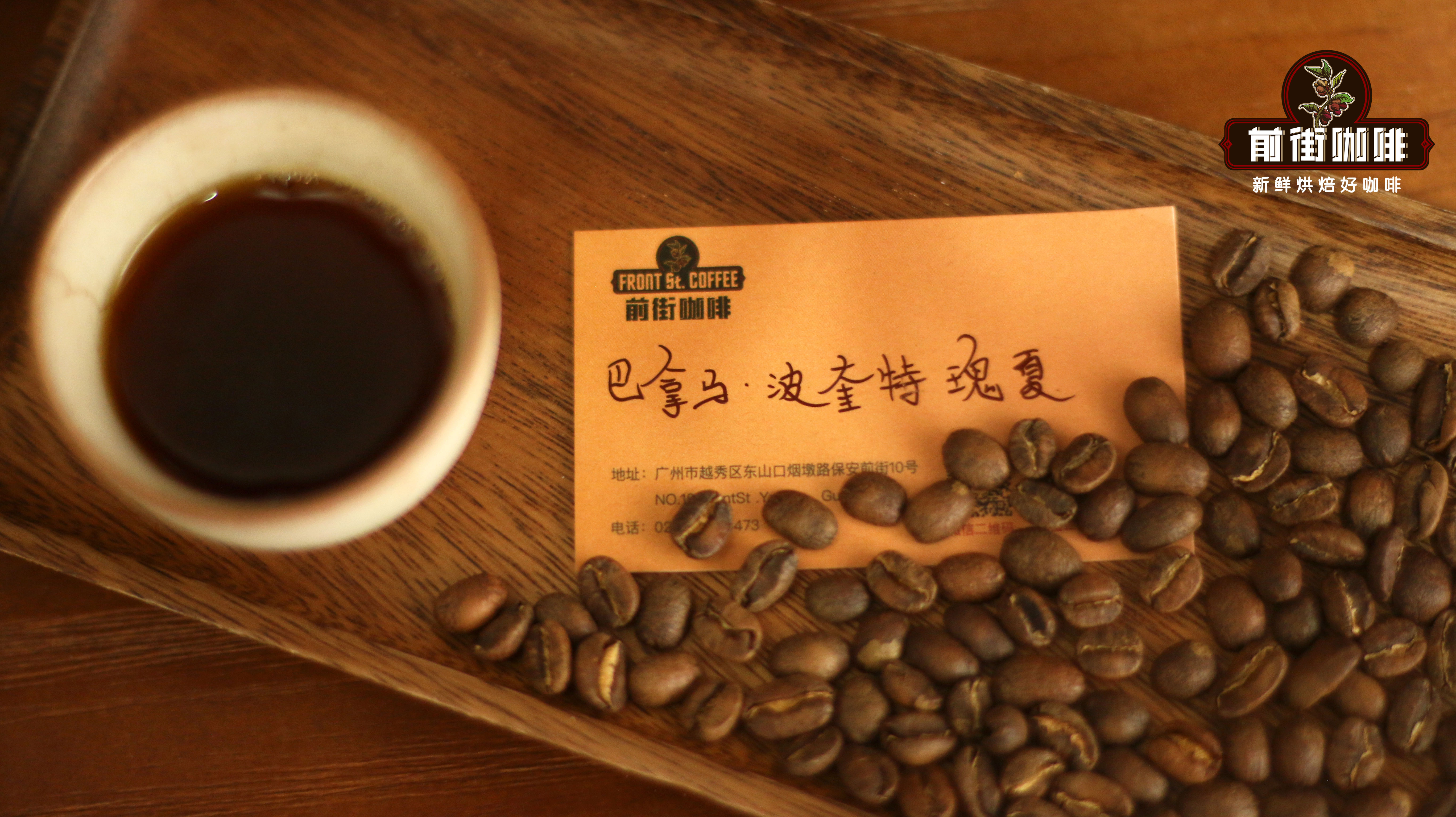
Exploring Panama's Boquete Region: The Origins of Geisha and the High-Value Choice of Butterfly Coffee
Although Panama is a small country, it occupies a pivotal position in the world of specialty coffee. Its western mountainous region, bordering Costa Rica, nurtures coffee beans of exceptional flavor thanks to its unique microclimate and high-altitude volcanic soil. This article takes you into the core production area of Boquete to learn about the origin and characteristics of Geisha, a rare wild variety, analyze where the rich flavor of Panama's high-altitude coffee comes from, and focus on Front Street Coffee's Butterfly, a high-value everyday drinking bean featuring a Geisha blend—from terroir to brewing method, all explained in one go. [more…]