







Ethiopia, as the birthplace of coffee, possesses the world's richest coffee gene pool, and the Bench Maji region is precisely the birthplace of the legendary Geisha variety. This article will take you deep into the terroir and culture of this western region, analyze the establishment history of Gesha Village Coffee Estate, its variety classification and grading system, and provide a detailed interpretation of Front Street Ethiopia Gesha Village Coffee Estate Gold Label coffee beans' origin information and flavor performance. From green bean processing to cupping and brewing, it comprehensively presents the unique charm of Ethiopian Geisha, while comparing the flavor differences with Panama Geisha, providing professional reference for coffee enthusiasts.
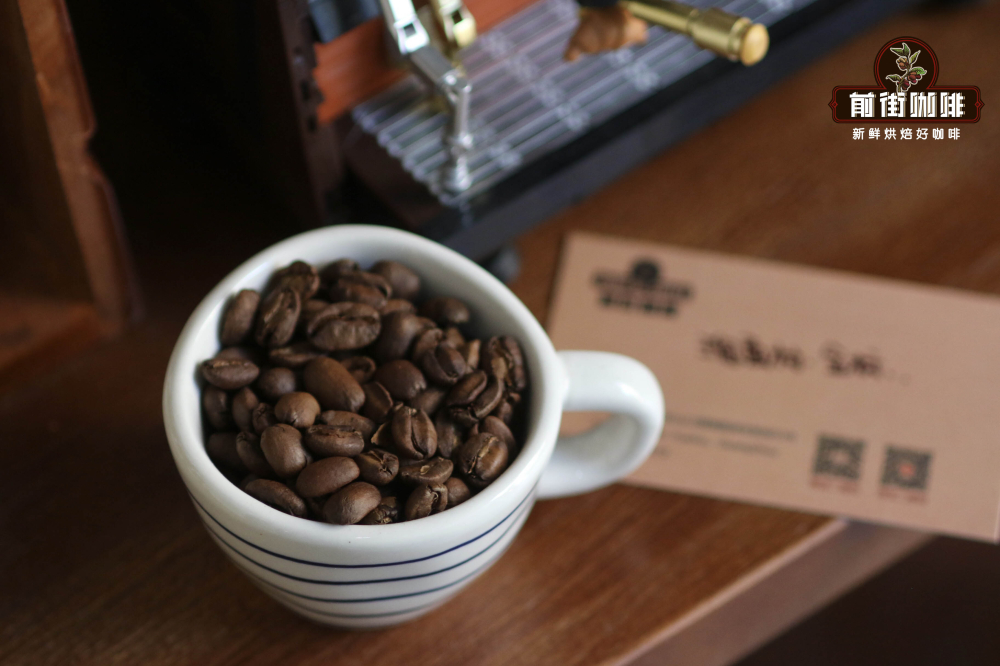
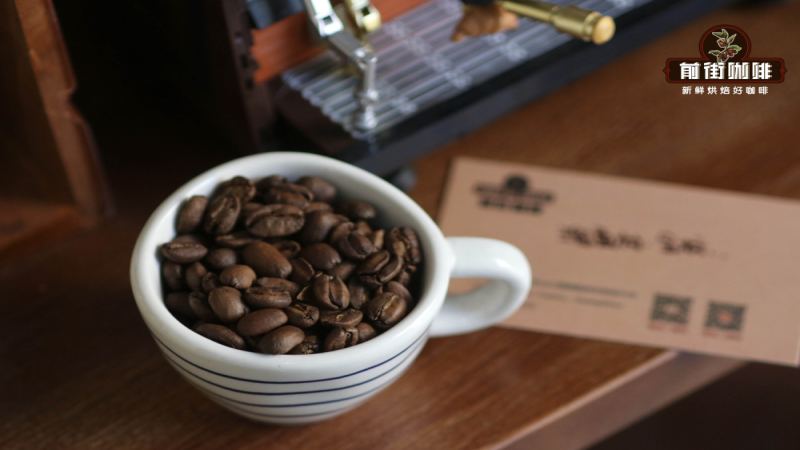
Front Street Ethiopia Gesha Village Coffee Estate Gold Label Coffee Beans
Region: Bench Maji Region
Estate/Processing Station: Gesha Village Coffee Estate
Altitude: 1931-2040 meters
Variety: Geisha 1931
Processing Method: Natural
Flavor: Citrus, Berries, Chamomile, Melon, Tea-like
For coffee enthusiasts, Ethiopia is undoubtedly a holy land. As the birthplace of coffee, it is now also the largest Arabica coffee producing country in Africa, and preserves the world's largest coffee gene pool with extremely rich variety resources. The famous Geisha variety emerged from the primitive forests here.
The origin story of Geisha is surely familiar to veteran enthusiasts, who can also rattle off the names of famous Panama estates. However, when it comes to Ethiopian Geisha coffee, many friends are limited to having heard of "Gesha Village" and a place called Bench Maji, with limited knowledge of deeper information. Today, Front Street will guide everyone through this region and see what makes Ethiopian Geisha unique.
Ethiopia
Ethiopia is located in northeastern Africa, bordering Djibouti, Somalia, Sudan, South Sudan, Kenya, and Eritrea. The country is dominated by mountains and plateaus, with most areas belonging to the Ethiopian Highlands. The central and western parts form the main body of the plateau, accounting for about two-thirds of the country's area. The East African Rift Valley runs through the entire country from north to south, with mountain elevations averaging nearly 3,000 meters.
Thanks to the higher altitude, the local climate is mild and pleasant, with an average annual temperature of about 16°C. The plateau areas have a tropical savanna climate, the mountains have a highland mountain climate, while the low-altitude areas in the east and north have a tropical desert climate. The year is roughly divided into dry and rainy seasons, with annual rainfall of about 1,237 millimeters. The country is rich in water resources, with numerous lakes and rivers, earning it the title of "East African Water Tower." Nearly 50 volcanoes, abundant water sources, diverse climate conditions, and high-altitude mountain areas together constitute an extremely ideal coffee growing environment.
In Ethiopia, coffee producing regions can be broadly divided into three major sections: eastern, southern, and western. After consulting relevant materials, Front Street learned that the eastern region is centered on Harar, with the vast majority of its coffee exported to Middle Eastern countries; the southern region includes more representatives of Ethiopian specialty coffee, such as Yirgacheffe, Sidamo, and Guji, and is also recognized domestically as a major premium coffee producing area; the western region mainly covers the relatively lower-altitude Jimma and Limmu, as well as Kaffa and Bench Maji, which are primarily forest-cultivated.
Bench Maji
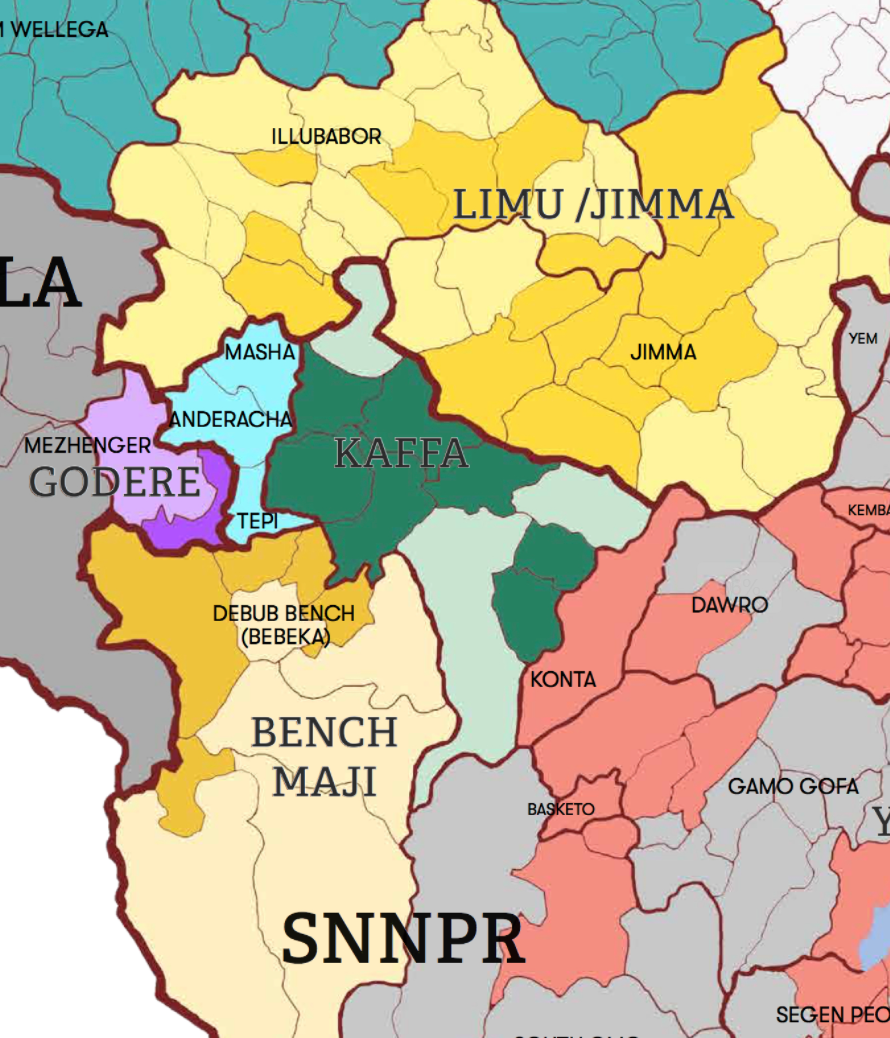
From an administrative perspective, Bench Maji is a Zone under the Southwest Ethiopia Region, located on the western border of the country, not far from South Sudan. The name of the area comes from the Bench people, the ethnic group with the highest population proportion in the area. This ethnic group is known for its exquisite agricultural techniques, most notably cultivating local staple crops such as Teff.
The Bench Maji producing region is also called the Bebeka producing region, because Bebeka is the capital of Bench Maji Zone. It is located in southwestern Ethiopia, a zone under the Southern Nations, Nationalities, and Peoples' Region, only a few kilometers from South Sudan. Here sits a well-known coffee estate — Gesha Village Coffee Estate — and the mother trees of the Geisha variety planted at Gesha Village Coffee Estate were discovered in the wild forests of Bench Maji.
Unlike the central and southern regions famous for specialty coffee, the western highlands are covered by large areas of primitive forest. Bench Maji was originally protected more as a biodiversity forest, so for a long time few people planted coffee here. But in recent years, as the fame of Gesha Village and Bench Maji has continued to rise, more and more farmers have begun to turn to coffee cultivation.
Compared with other western producing regions, Bench Maji is adjacent to Kaffa, the birthplace of coffee, and its most notable feature is its extremely high forest coverage. Coffee production in Bench Maji is supervised and managed by farmers who, out of respect for the natural ecosystem, take measures to minimize intervention in this forest, such as occasionally removing aging coffee trees or poorly growing plants and replacing them with new seedlings sprouting in the same wild forest.
As the region where Geisha originated, Bench Maji also has its own coffee smallholder alliance — the Bench Maji Coffee Farmers' Cooperative Union. This is a large coffee production organization composed of 65 cooperatives, serving 130,000 smallholder farmers. Local coffee trees are usually intercropped with other crops among the tall plants of the primitive forest. To ensure more stable economic income, farmers sometimes also plant spices such as ginger. This semi-forest cultivation model, relying on the shade of the primitive forest and natural soil, water, and nutrients, keeps coffee trees in good growing condition without the need for additional pesticides and fertilizers, thereby achieving mutual promotion of ecological environment and economic benefits.
Gesha Village Coffee Estate
Gesha Village Coffee Estate is located in the Bench Maji producing region, covering 471 hectares, and was co-founded by documentary director Adam Overton and his photographer wife Rachel Samuel.
In 2007, while filming a documentary about Ethiopian coffee for the Ethiopian government, documentary director Adam Overton and his photographer wife Rachel Samuel came into contact with the Gera coffee forest in the Bench Maji area, which planted the idea of establishing their own coffee estate and brand. In 2009, they had the good fortune to meet the famous Mule Estate owner and BOP judge Willem Boot, and Willem Boot's philosophy also provided the couple with an opportunity: to return to Ethiopia and search for the birthplace of Geisha. Eventually they came to Bench Maji, the area in southwestern Ethiopia near South Sudan, where many places are called Gesha Village and which is the most likely place to find original Geisha.
Adam followed Willem Boot in "exploring" the forests around the estate. In a jungle magically wrapped in dense forest, they discovered multiple wild tree species, and what surprised them most was finding wild Geisha. They later learned that this was the Gori Gesha forest, where the Geisha variety was first discovered. So they collected seeds from the original Geisha trees, selected from them, and then planted them at Gesha Village. They decided to establish the estate here and named it Gesha Village Coffee Estate, a 475-hectare coffee farm located about 12 miles from the Gori Gesha forest. Gesha Village has three varieties, each named after members of the expedition when the coffee was discovered: Gesha 1931 and Gori Gesha, as well as Illubabor provided by the Ethiopian Coffee Research Center. Gori Gesha (GG): This variety replicates the genetic diversity found within the Gori Gesha coffee forest. Gesha 1931 (G31): A combination of various different forest varieties, very similar to Panama Geisha, selected by observing plant morphology, bean appearance, screen size, and cup profile. Illubabor Forest 1974 (IF): Discovered during an expedition to the Illubabor forest in 1974, later developed by the Ethiopian Research Center into a disease-resistant variety.
Ethiopia originally had no estates or estate grading system. After Willem Boot and Adam discovered the Geisha forest, they decided to bring the Panama coffee estate business model here, making Gesha Village Coffee Estate the only coffee estate in Ethiopia. Their approach is that each lot, each label, can be traced back to detailed information about the beans. Gesha Village has a strict internal grading system: Auction, Gold Label, Red Label, Green Label, and Chaka lots. Front Street Coffee's most popular Gesha Village Geisha coffee is Red Label Geisha.
Red Label Lot A fully traceable lot with typical Gesha Village flavor. Its flavor intensity and complexity are slightly weaker than the Gold Label lot, making it a very cost-effective single-origin lot.
Front Street Gesha Village Red Label Geisha Coffee Beans Gesha Village Coffee Estate Grower's Reserve Country: Ethiopia Region: Bench Maji Altitude: 1909-2069m Variety: Gori Geisha Processing Method: Natural
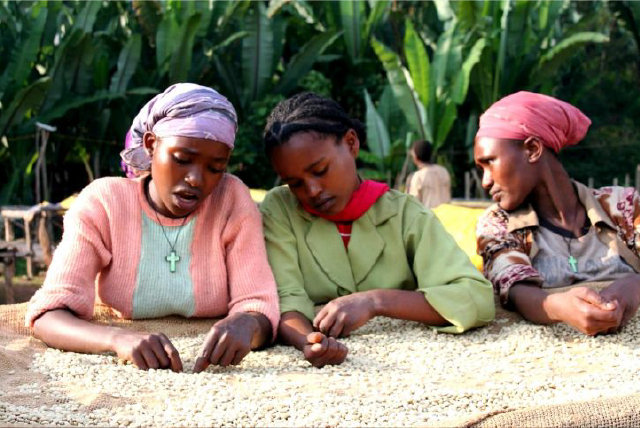
Gesha Village Natural Processing First remove floating impurities, then dry on African raised beds in thin layers covered with plastic sheeting under the sun. During drying on the raised beds, a second sorting is performed to pick out insect-damaged beans and greenish-colored coffee beans. Total drying time is 18-30 days. Front Street believes naturally processed coffee has obvious sweetness, soft acidity, and produces complex fruity flavor tones.
Through cupping, Front Street found that Gesha Village Geisha coffee is not highly similar to the Panama Geisha we know well. Panama-grown Geisha coffee beans have alluring floral aromas in both dry and wet fragrance and on the palate, while Gesha Village Geisha is characterized by stone fruit notes in dry fragrance, wet fragrance, and on the palate, with floral notes appearing somewhat inferior compared to Panama Geisha.
Front Street Coffee Brewing Notes Dripper: V60 Dose: 15g Coffee-to-water ratio: 1:16 Grind size: fine sugar coarseness (80% passing through No. 20 sieve) Water temperature: 91°C
Front Street brewing method: First rinse the filter paper and preheat the dripper and coffee pot. Use 30 grams of water for blooming for 30 seconds, then pour in a small circular stream until reaching 125 grams for a pour pause. When the water level is about to expose the coffee bed, continue pouring until 240 grams and stop. When the water level is about to expose the coffee bed again, remove the dripper. (Timing starts from the beginning of blooming.) Extraction time is 1'55" to 2'05".
Gesha Village Brewing Flavor: At high temperature, it is citrus acidity without losing body. As the temperature drops slightly, the acidity turns softer, and the flavor leans toward yellow stone fruits, creamy sweetness, slight floral notes, and a slight dark cocoa finish. At low temperature, it is maple syrup and berries.
The above content is compiled by CoffeeHunters, a coffee news website.


