







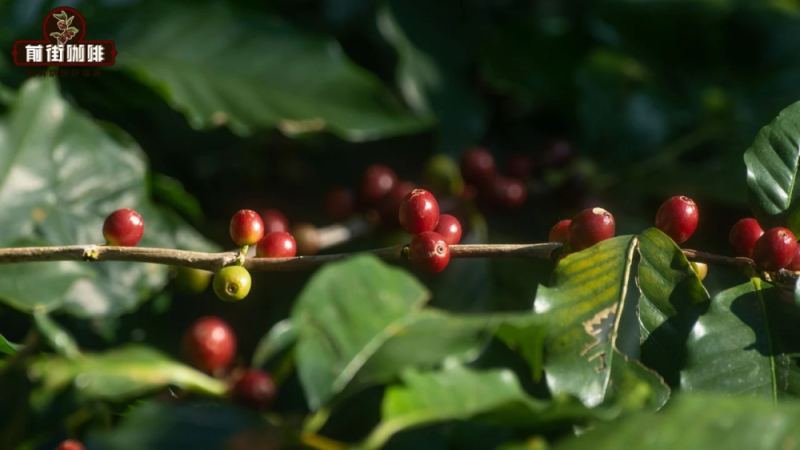
Why does coffee cultivation in Ethiopia's Kafa Forest matter?
Ethiopia is recognized as the birthplace of coffee, and the Kafa Forest in the southwest is treated as the original home of Arabica. Coffee trees need warm, humid conditions, steady sunlight and moderate rainfall, which confines commercial growing to the band between the Tropics of Cancer and Capricorn known as the Coffee Belt.
Ethiopia sits in East Africa, dominated by highlands and cut by the Rift Valley, with mountain averages near 3,000 meters and a national average temperature around 16°C. That altitude tempers the tropical heat and suits coffee cultivation. Regions such as Yirgacheffe sit within this system, while the Kafa Forest should not be confused with the Panamanian Geisha variety.
Ethiopia is globally recognized as the birthplace of coffee, and the Kafa Forest in its southwest is considered the original home of Arabica coffee. This article starts from Ethiopia's overall coffee-growing conditions, outlines the distribution of well-known producing regions such as Yirgacheffe, and focuses on the geography, ecology, and coffee-growing model of the Kafa region and the Kafa Biosphere Reserve. It also clarifies a common misunderstanding: the Kafa Forest and the Panamanian Geisha variety are not the same thing. The article also introduces the flavor performance of Front Street Coffee's Kafa Forest washed beans and V60 brewing parameters for coffee lovers' reference.
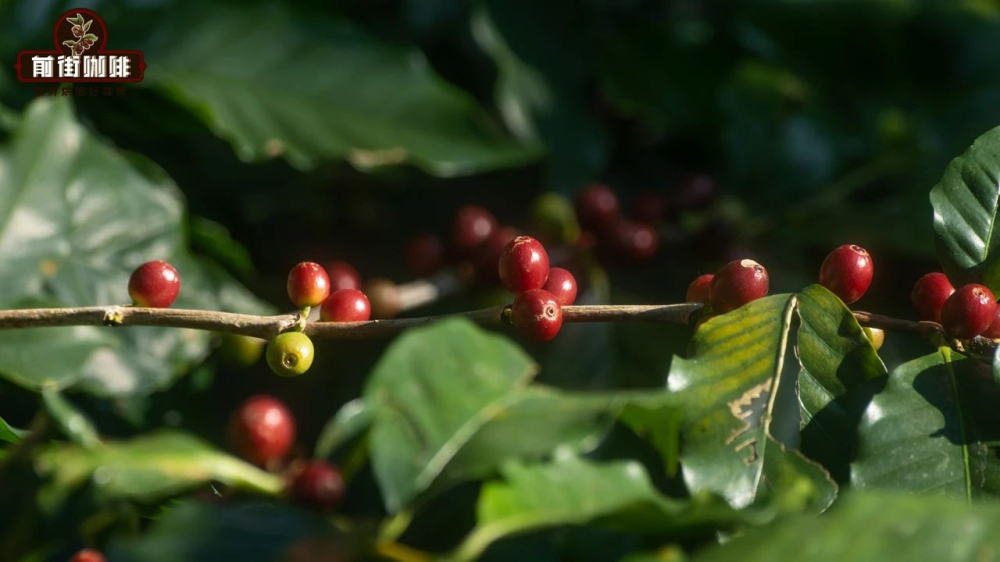
The cultivation of coffee trees is quite demanding regarding natural conditions, and they are only suitable for growing in tropical and subtropical regions, requiring a warm and humid climate, sufficient sunlight, and moderate rainfall. The zone between the Tropic of Cancer and the Tropic of Capricorn on both sides of the equator happens to meet these conditions, so the industry calls it the "Coffee Belt."
Three-quarters of the African continent's land lies between the Tropic of Cancer and the Tropic of Capricorn, and most areas have an average annual temperature above 20°C, with an overall warm climate, hence the title "Tropical Continent." This continent is not only vast and rich in natural resources, but its terrain is also mainly plateaus, with an average elevation of about 750 meters, and it also has a large number of volcanoes, rivers, and lakes. Thanks to this, Africa has a good agricultural foundation, and many countries are known for coffee exports, Ethiopia being one of them. It is both Africa's largest Arabica coffee producer and globally recognized as the birthplace of coffee, enjoying an extremely high reputation in the international market.
Ethiopia is located in East Africa, with a terrain dominated by mountains and plateaus, and most of the country belongs to the Ethiopian Highlands. The East African Rift Valley runs through the entire country from north to south, and along both sides of the rift are many mountain ranges, volcanoes, and rivers. The average elevation of these mountains is close to 3,000 meters. The relatively high terrain gives the country a mild climate despite being in the tropics, with an average annual temperature of about 16°C, obvious temperature differences between day and night, and a year roughly divided into dry and rainy seasons. Numerous volcanoes, abundant water sources, and high altitude create ideal conditions for coffee cultivation and growth.
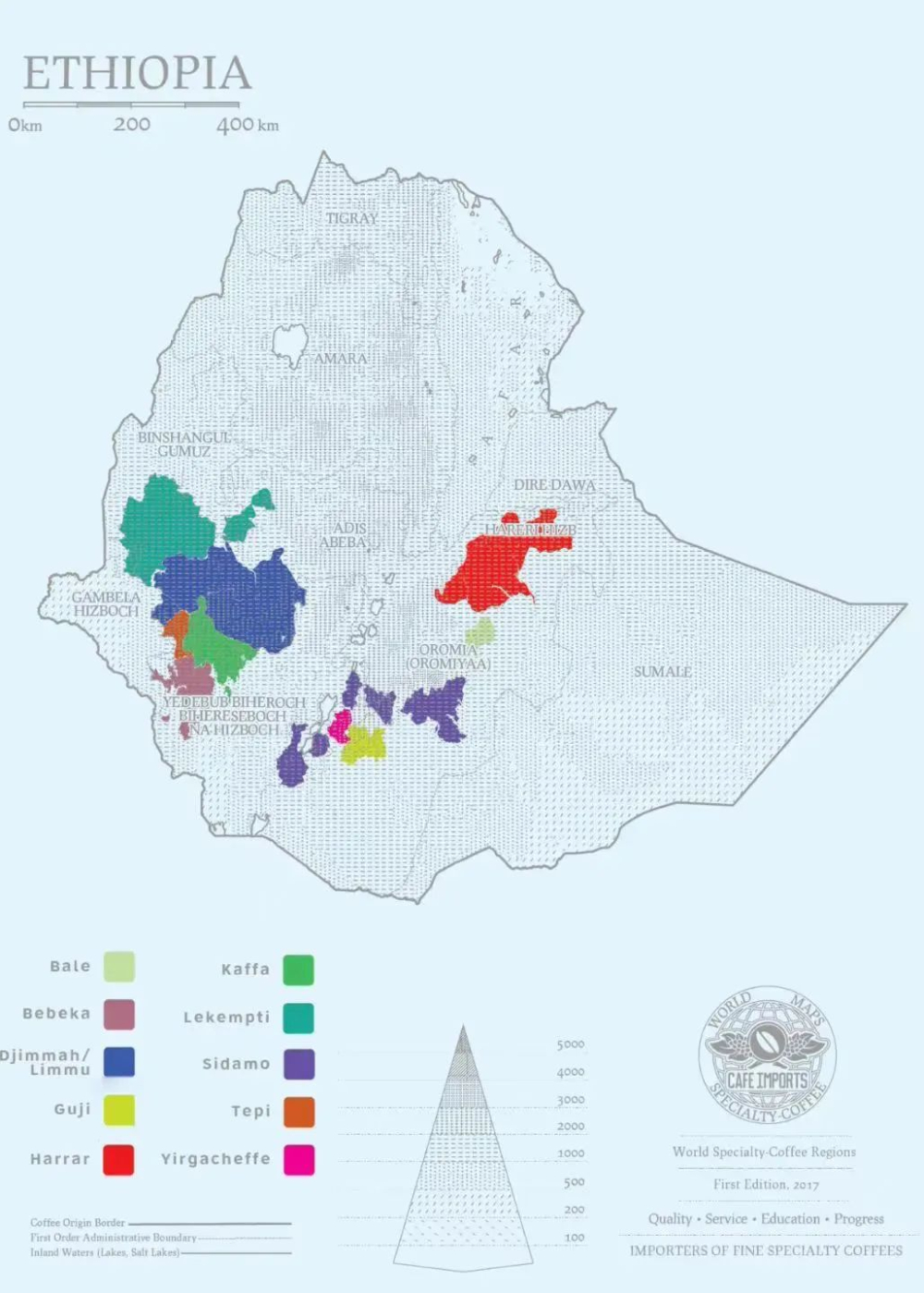
At present, Ethiopia is divided into 12 regional states and 2 chartered cities, while coffee-producing areas are divided into 10, many of which have globally renowned names, such as Sidamo, Jima, Harrar, Kaffa, Guji, and Yirgacheffe. Guji and Yirgacheffe originally belonged to the Sidamo producing region, but were later separated into independent coffee-producing regions because of their unique flavors.
Yirgacheffe was originally a small town under Sidama Zone, but the Yirgacheffe coffee-producing region is not limited to this; it also includes Wenago town about 26 kilometers north of Yirgacheffe town, as well as sub-regions such as Kochere and Gedeb to its south. The terrain in this area is rugged and varied, with Lake Abaya to the west, abundant water resources, a humid and mild climate, and plentiful rainfall. Coffee is grown at elevations between 1,750 and 2,200 meters. Fertile soil and abundant sunshine make this a very suitable area for coffee cultivation.
In FrontStreet Coffee's daily drinking bean series, there is also a product from this famous Ethiopian producing region—FrontStreet Yirgacheffe coffee beans, using Heirloom varieties and processed by the washed method. After brewing, they present floral, citrus, and berry flavors, with acidity resembling lemon and a refreshing mouthfeel.
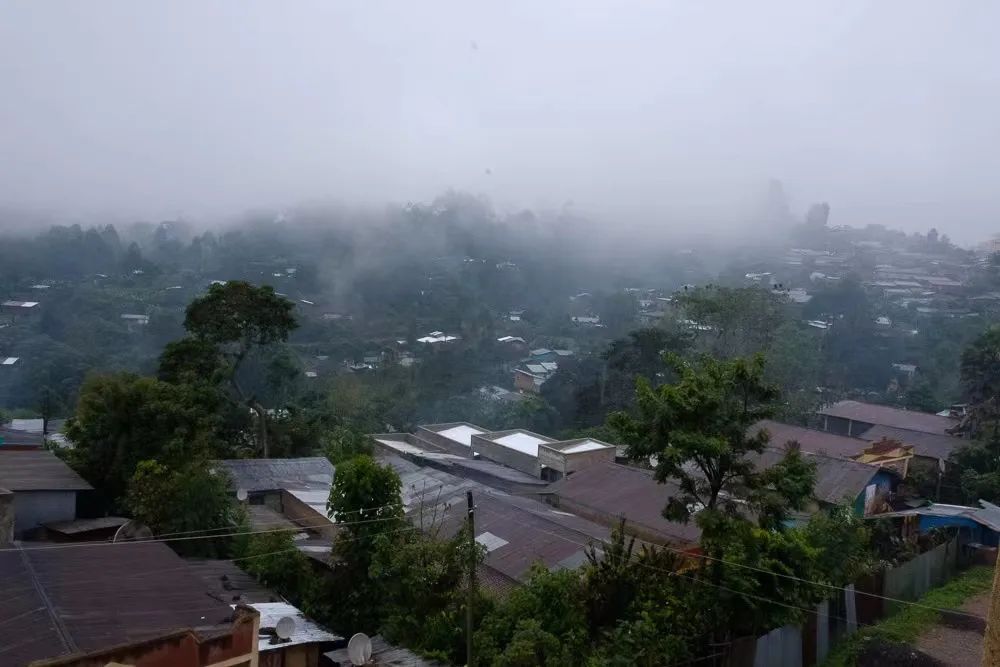
As the recognized birthplace of coffee, Ethiopia's coffee was first discovered in the Kaffa Zone in the southwest, and a large number of Arabica coffee mother trees still grow there today.
After reviewing historical materials, Front Street learned that the name Kaffa comes from an ancient kingdom in local history—the Kingdom of Kaffa. Today some places spell it as "Kafa" or "Kefa." The Kingdom of Kaffa was annexed by the Ethiopian Empire at the end of the 19th century and thereafter became part of Ethiopia's territory.
In terms of administrative divisions, the Kaffa Zone belongs to the South West Ethiopia Peoples' Region. This region was originally part of the Southern Nations, Nationalities, and Peoples' Region and became independent after a referendum in 2021. The Kaffa Zone is located in the northern part of this region. The Kaffa area is mainly characterized by humid and mild rainforest terrain, and its most famous feature is the Kafa Biosphere Reserve.
The Kafa Biosphere Reserve is surrounded to the south by the Bonga National Forest Priority Area, extends to Adiyo Woreda and the Gojeb River on the east, is surrounded to the north by the Gewata-Yeba (Boginda) National Forest Priority Area, and to the west is the Gesha National Forest Priority Area.
The Kafa Biosphere Reserve has a total area of about 760,144 hectares and contains more than 50% of Ethiopia's montane forest area. It has more than about 5,000 coffee tree species and is the origin and center of genetic diversity of wild Arabica coffee. At present, about 30 coffee production cooperatives have been established around the reserve, harvesting coffee cherries in the forest area at maturity, processing them, and selling them externally.
Unlike the pastoral model in our impression where farmers plant coffee trees in their own backyards, the most representative feature of the Kafa cloud forest is wild coffee. The coffee trees here all grow in shaded environments at elevations of 1,400 to 2,100 meters. Favorable conditions such as an original ecological environment, microclimate, red soil, and sufficient rainfall create an excellent growing environment for coffee trees.
On FrontStreet Coffee's bean list, there is a Front Street washed coffee bean from Ethiopia's Kafa Forest, using a medium-light roast. After grinding, it has obvious white floral notes; on the palate there is bright citric acidity, accompanied by sweet orange and bergamot flavors, with a faint melon and nutty aroma in the aftertaste, and a mouthfeel similar to green tea.
Flavor: bergamot, white floral, orange, apricot
Here, Front Street needs to clarify one point in particular: because the Kafa Forest is precisely the place where the origin story of the Geisha we know took place, and the name of the Geisha variety comes from the Geisha Mountain area here, some merchants therefore directly label this bean as "Geisha" and market it under the name "Kafa Forest Geisha." But in fact, it is completely different from the Geisha variety in our impression.
Usually, when baristas say "Geisha," they refer to a coffee variety originating from the Panama producing region that was once recorded as "T2772." The biggest characteristic of this variety's beans is that they are large and slender, pointed at both ends and plump in the middle, and after roasting they curl outward on the inside. Front Street always thinks they look like "sausage buns." Panamanian Geisha is highly sought after because, unlike the traditional strong coffee flavor in most people's impressions, it is more like a cup of fresh floral and fruity tea, often with rich fragrance and complex fruit flavors, reminiscent of a series of unusual aromas, and at different temperatures one can still feel delicate texture and sweet-and-sour fruitiness filling the mouth.
Compared with the Geisha variety, this Front Street Kafa Forest that Front Street obtained this time places more emphasis on its place of origin, so in the variety labeling, Front Street classifies it as the common Heirloom variety of Ethiopia. In order to taste the flavor of this "wild coffee," Front Street uses a medium-light roast level to highlight its distinct floral and fruity notes.
In order to improve coffee extraction yield, avoid over-extraction, and at the same time highlight the sweet-and-sour layers of fruit flavors, FrontStreet Coffee's baristas routinely use the V60 dripper. The V60 dripper's cone has guiding ribs connecting the top and bottom, and the large round hole in the center can speed up the flow of water downward, while the spiral-shaped vent grooves extend the water flow path and increase the contact time between coffee grounds and hot water. Each stream of water converges along the grooves toward the center point of the dripper, concentrating the pressure on the coffee grounds and extracting coffee with richer layering.
Dripper: V60 Water temperature: 91-92°C Coffee dose: 15g Coffee-to-water ratio: 1:15 Grind size: fine granulated sugar size (sift to 80% with a No. 20 sieve)

Three-stage extraction: In the first stage, use 30g of water to bloom for 30 seconds, pouring evenly in circles to form a dome; in the second stage, pour 95g of hot water, and when the coffee bed drops by half, begin pouring the third stage of 100g until all the coffee has finished dripping. Note to start pouring from the center point, using a gentle small stream in circles throughout to avoid uneven extraction. Finally, after the coffee liquid has finished dripping, gently swirl to even it out, then you can begin tasting the flavors from high temperature.
The Front Street washed Kafa brewed with this method has a very refreshing mouthfeel. The first sip brings mouthwatering sweet-and-sour notes like yellow peach, sweet orange, and pomelo, with an overall tendency toward yellow stone fruit aromas. Because of the stirring action, in addition to rich fruity acidity, the coffee also has a clean, moist sweetness, just like drinking a cup of refreshingly sweet juice.
The above content is compiled by CoffeeHunters, a coffee news website.


