







Why Sumatra Mandheling Tastes So Different
Mandheling is not a region or a botanical variety. It is a trade name for coffee grown in northern Sumatra, largely in the Lake Toba area, and it usually means the arabica processed by smallholder farmers. The cup is famous for low acidity, heavy body, and savory notes like cedar, dark chocolate, and tobacco. A rarer grade sold as golden mandheling shows similar weight with a cleaner, sweeter finish.
The distinctive flavor comes from wet hulling, a local method called giling basah. Farmers remove the outer skin soon after picking, then let the beans dry with the mucilage still attached before hulling them while the moisture is still high. This step produces the deep blue-green color and the earthy, syrupy character people either love or find too heavy.
For friends who prefer a bitter profile and dislike sourness, Indonesian Mandheling is undoubtedly a classic choice. This coffee from Sumatra, with its low acidity, rich and mellow taste, and unique herbal aroma, won the favor of older generations of coffee lovers even before Blue Mountain became famous. Front Street Coffee's bean list currently features two options: Lintong Mandheling everyday beans and PWN Golden Mandheling, both medium-dark roasted, presenting dark chocolate and caramel flavors while retaining a wild herbal character. This article will provide an in-depth analysis of Mandheling's origin environment, wet-hulling process, as well as Front Street's brewing recommendations and flavor comparison, taking you through a comprehensive understanding of this Southeast Asian coffee's unique charm.
When encountering friends who dislike sourness, the baristas at Front Street Coffee (FrontStreet Coffee) generally recommend several single-origin coffees with a bitter-dominated profile, such as Brazil Queen's Estate, Indonesian Mandheling, and Jamaican Blue Mountain. If you're after a clean sweetness, choose Brazil; if you want a balanced and rounded mouthfeel, Blue Mountain is the top choice; and if you prefer a heavy, rich, and mellow flavor, then Mandheling is the one.
Among Asian coffee-producing countries, Indonesian Mandheling can be considered the "veteran" of bitter-profile single-origin coffees. Long before Jamaican Blue Mountain rose to fame, Indonesian Mandheling was already a quality representative in the minds of seasoned coffee enthusiasts. Its low acidity, rich and heavy mouthfeel, combined with the fresh scent of herbs, together shaped the classic flavor of that era.
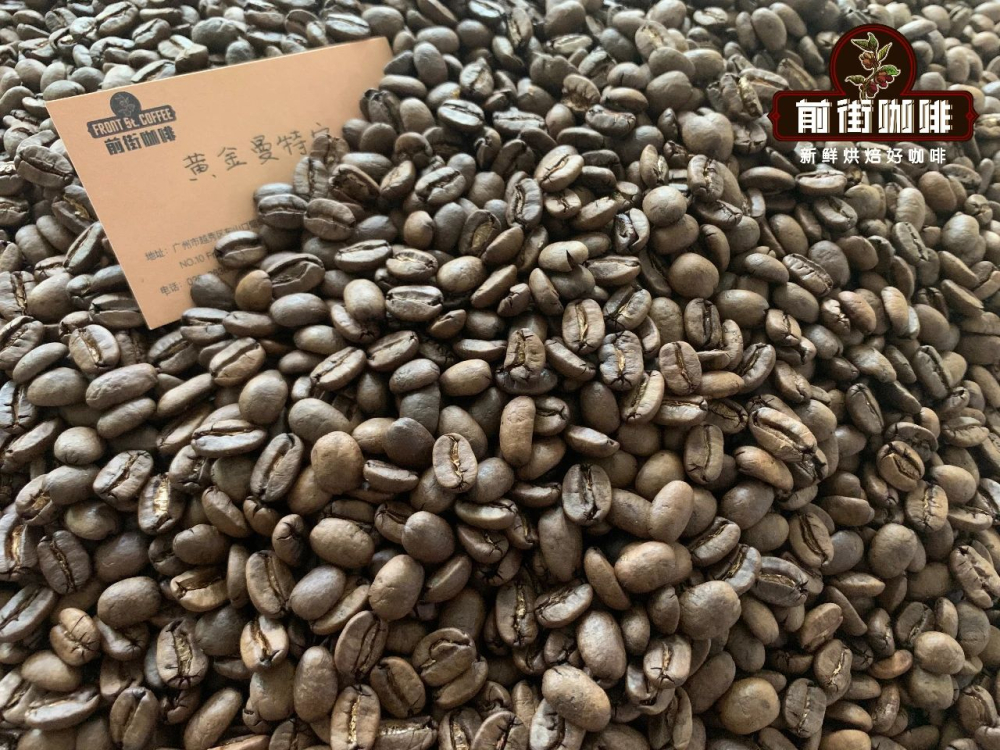
The Mandheling coffee we typically drink is mostly dark roasted, with the aim of reducing acidity and highlighting the rich bitterness. Front Street's bean list currently has two Mandheling options: Lintong Mandheling everyday beans and PWN Golden Mandheling, both medium-dark roasted. Front Street aims to bring out dark chocolate and caramel flavors while preserving Mandheling's wild herbal character. This unique fragrance originates from Mandheling's growing environment and processing method.
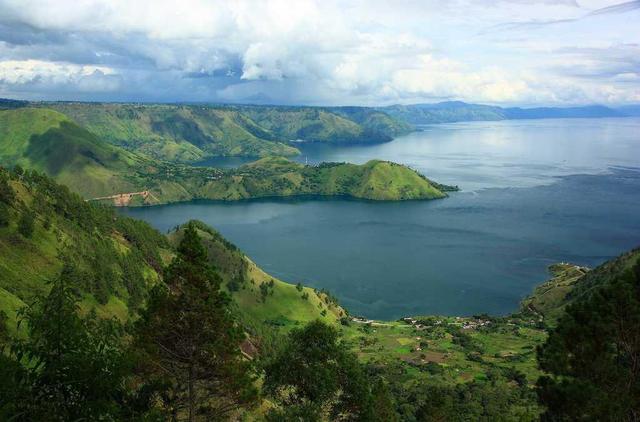
Mandheling comes from the mysterious island of Sumatra in Indonesia. Sumatra is divided into eight provinces, but only the high-altitude Aceh Province and North Sumatra Province cultivate Arabica coffee on a large scale. Sumatra has a tropical rainforest climate, with clouds and mist shrouding the mountains and forests year-round, adding a touch of mystery to this land. Locals grow coffee around two major volcanic lakes — Lake Tawar and Lake Toba. The Gayo mountain range around Lake Tawar has ideal conditions for coffee cultivation, widely adopting organic farming methods, and combined with a long history of cultivation, the coffee produced here is superior in both quality and yield. Many green coffee buyers also place great importance on this region, including the well-known local Pwani Coffee Company (PWN).
PWN primarily purchases high-quality Mandheling green coffee beans. After procurement, the beans undergo one round of machine sorting plus three rounds of hand sorting to select plump, flawless beans. The coffee beans produced all reach specialty grade, and "Golden Mandheling Coffee" is their signature product. In the early days, in order to become the exclusive supplier of Golden Mandheling Coffee, PWN registered the English trademark "Golden Mandheling," meaning that only their Golden Mandheling coffee is the genuine Golden Mandheling. Front Street's Golden Mandheling coffee beans are naturally the "authentic product" purchased from PWN, processed using Indonesia's unique wet-hulling method.
African countries can rely on long hours of high-temperature sunlight to dry green beans, while Central and South American countries have the conditions for refined washed processing. Indonesia's wet-hulling method, however, is a processing approach that had to be adopted to adapt to the local island-type tropical rainforest climate. The island is hot and humid year-round, and typhoons are commonplace. In this unstable environment, coffee farmers can only shorten the drying time to prevent the coffee beans from becoming moldy and deteriorating in the humid air.
The wet-hulling method first removes the skin and pulp of the coffee fruit, followed by a brief fermentation and then sun-drying. While the beans are semi-dry, the parchment layer is removed, and drying continues until the moisture content drops to 12%. Since every step is completed in a 70–90% humidity environment, and the parchment layer has already been removed before the final drying step, the "naked" green beans easily absorb moisture from the air, giving the resulting coffee a musty aroma of wood, herbs, and spices. Lintong Mandheling coffee also uses the wet-hulling method. After roasting, its acidity is reduced, its body is increased, and it still retains grassy and spicy notes, carrying the distinctive flavor profile of Indonesian Mandheling coffee. So Front Street also added it to the everyday beans series, offering it in a 25 yuan/100g small package, so everyone can taste the flavor of Southeast Asian coffee.
I believe some friends are already curious about what the taste of Southeast Asia is really like. Below, Front Street brews these two coffees separately as a reference, and curious readers can try them at home.
Considering that Mandheling coffee is at a medium-dark roast level, the beans expand more than at a medium-light roast, and the internal gases are more abundant. Freshly roasted Mandheling coffee needs 7–10 days of degassing and resting before entering its optimal flavor period. Since Front Street ships coffee beans freshly roasted within 5 days, you can let them rest for a few days after receiving them until they've properly degassed and entered the optimal flavor period before brewing, which is more conducive to extraction.
Medium-dark roasted coffee beans undergo a significant change in their internal structure, becoming porous and more absorbent when ground into coffee powder. If the brewing parameters aren't properly adjusted, the coffee will easily be over-extracted and bitter. To have enough aroma without over-extraction, the extraction rate needs to be reduced. Front Street uses a lower water temperature and a coarser grind to reduce the release of bitter large molecules in the coffee.
Dripper: KONO
Water temperature: 87°C
Dose: 15g
Coffee-to-water ratio: 1:15
Grind size: 70% passing through a Chinese standard No. 20 sieve
Pouring method: Three-stage pouring
First pour 30g of hot water and bloom for 30 seconds, then pour from the center with a thin stream in slow circles until reaching 125g. When the water level in the dripper drops to the point where the coffee bed is about to be exposed, continue pouring in circles until reaching 225g. Total extraction time is approximately 2 minutes. Gently swirl the coffee liquid before tasting.
Lintong Mandheling everyday beans: Aromas of nuts, chocolate, and caramel, with a rounded and full mouthfeel, and abundant herbal and woody notes.
Front Street PWN Golden Mandheling Coffee: Intense dark chocolate aroma, with roasted hazelnut, caramel, and melon flavors blending beautifully, a pronounced spice note in the mouth, a rich and clean mouthfeel, and a lasting finish.
For professional coffee knowledge exchange and more coffee bean information, please follow Coffee Workshop (WeChat public account: cafe_style)
For more specialty coffee beans, please add the private WeChat of Front Street Coffee (FrontStreet Coffee), WeChat ID: qjcoffeex
The above content is compiled by CoffeeHunters, a coffee news website.


