







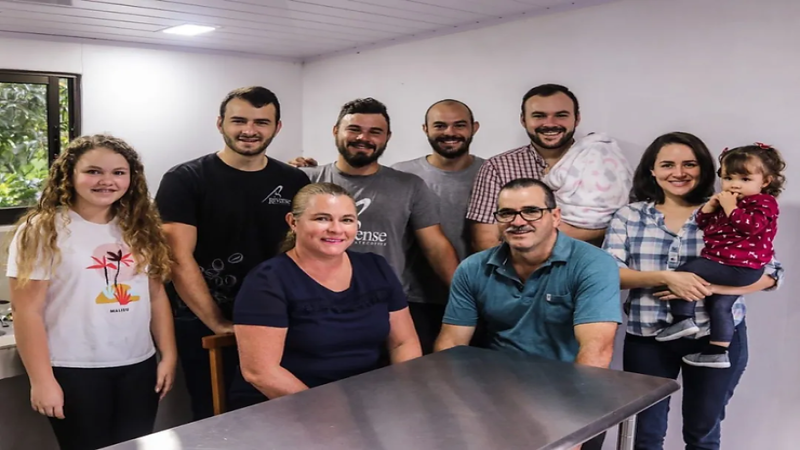
Located in the Brunca region of southern Costa Rica, Café Rivense was founded in 2005 by the Ureña Rojas family, at an altitude of 1,550 to 1,600 meters, adjacent to Cerro de la Muerte and Chirripó Mountain, enjoying a unique microclimate and pristine ecology. The estate started with Caturra and Catuai, gradually introduced the Geisha variety, and is known for its refined natural processing. This article will start with the estate's background, ecological management, and natural processing techniques, then break down in detail the flavor performance of this naturally processed Geisha from Café Rivense that Front Street Coffee has acquired, and include V60 three-pour brewing parameters to help coffee enthusiasts recreate at home the bright fruity notes of jasmine, sweet orange, and lemon.
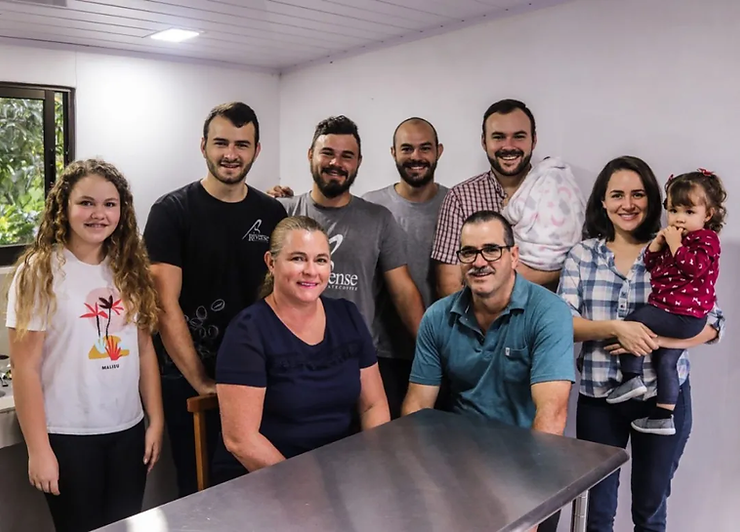
Café Rivense
In 2005, Régulo Gerardo Ureña Chacón and his wife Isabel Rojas jointly purchased eight hectares of land, giving birth to Café Rivense, and began devoting themselves to coffee cultivation and production.
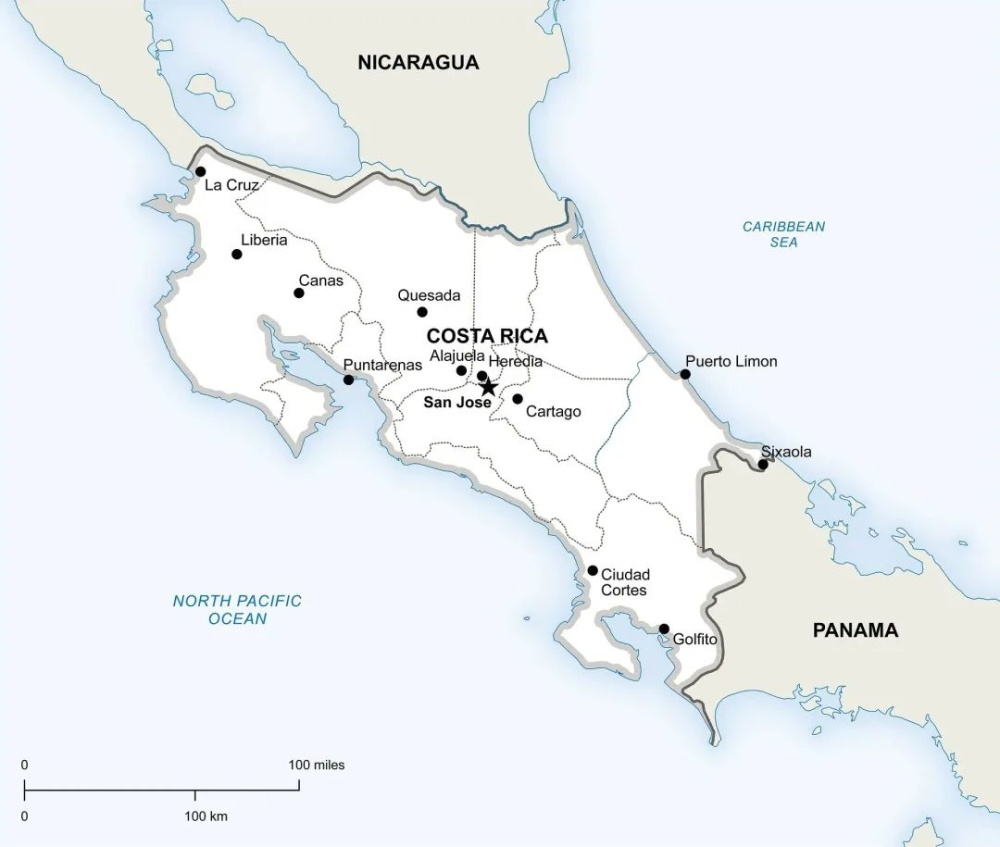
The estate is located in the Brunca region of southern Costa Rica, nestled between the second-highest peak, Cerro de la Muerte, and the highest peak, Chirripó Mountain, at an altitude of about 1,550 to 1,600 meters. The unique local terroir fosters a microclimate suitable for coffee cultivation. Whenever Régulo and his wife go up the mountain to tend the coffee trees, the magnificent view of the Great Chirripó mountain range opposite always fills them with joy, and the estate thus got its name "Rivense" (Mountain View).
Café Rivense operates as a small family business and has been committed to producing high-quality specialty coffee since its establishment. In addition to the cultivation farm, the estate also has its own green bean processing plant, capable of independently completing micro-lot production and producing naturally or semi-naturally processed coffee beans. Initially, the Ureña Rojas family only planted two varieties, Caturra and Catuai. As the estate's techniques became increasingly refined, they gradually introduced new varieties such as Geisha. In 2015, Café Rivense won fifth place in the 35th COE Cup of Excellence with a honey-processed Catuai, bringing its unique honey processing techniques into the public eye.
To this day, Café Rivense still retains a patch of primary forest where numerous wild animals reside. This not only helps protect the estate's natural ecological water resources but also helps maintain the overall coffee cultivation environment. The estate owner has always upheld environmental principles, implementing sustainable management from coffee tree cultivation to green bean processing, minimizing the carbon footprint in the environment: applying organic fertilizer in corresponding doses based on differences in soil composition, ensuring coffee tree nutrition while avoiding excessive chemical intervention, which also makes the running water in the estate cleaner. In addition, the Ureña Rojas family has planted a large number of fruit trees to provide partial shade for the coffee trees, and the wild animals in the estate can directly feed on the fruits. The entire estate's ecological environment is highly suited to the growth needs of coffee trees.
Natural Process
Café Rivense has established strict harvesting standards, picking only fully red cherries by hand, because such coffee cherries have the highest sugar content.
After picking, the coffee fruits are sorted to remove defective beans, then spread flat on drying beds for sun drying. Because midday temperatures are relatively high, manual turning at regular intervals is needed to prevent negative over-fermentation flavors. At night, covers must be set up to avoid sudden rainfall affecting the drying process. Once the coffee fruits' moisture content drops to 11% to 12%, the coffee fruits are classified, packaged, and exported according to strict standards, ensuring buyers can trace detailed information about the coffee batch.
Front Street Coffee: Café Rivense Natural Geisha Coffee Beans
Region: Brunca, Costa Rica
Estate: Café Rivense
Variety: Geisha
Altitude: 1,550m
Processing: Natural
Flavor: Jasmine, Sweet Orange, Lemon
This naturally processed Geisha from Café Rivense that Front Street acquired has a predominantly fruity flavor profile. Front Street's roasters use a medium-light roast to preserve the Geisha's sweetness. Through cupping, Front Street found that its dry aroma is a fresh jasmine floral fragrance, with a flavor presenting sweet orange-like sweet-and-sour notes, as well as a saturated and bright citric acidity.
Brewing Reference
Costa Rican high-altitude Geisha variety coffee belongs to SHB extremely hard beans. If you want to brew out the coffee's rich fruity layers, Front Street recommends using a higher water temperature and a finer grind size. The harder the coffee beans, the more a finer grind is needed to increase the extraction surface area, thereby improving the extraction rate.
Dripper: V60
Water temperature: 90-91ºC
Dose: 15g
Coffee-to-water ratio: 1:15
Grind size: fine granulated sugar size (screening to 78% with a No. 20 sieve)
Three-pour extraction: Pour the coffee grounds into the V60 dripper, wet the coffee bed with twice the amount of water as the coffee grounds, let it bloom for 30s, then pour in a thin stream in circles from the inside out until reaching 125g, pause, wait until the coffee bed drops to half the height of the dripper, continue pouring the third pour with the same thin stream to 225g, until all the coffee liquid has filtered through, then remove the dripper. The total time is about 2 minutes (with a 10-second margin of error).
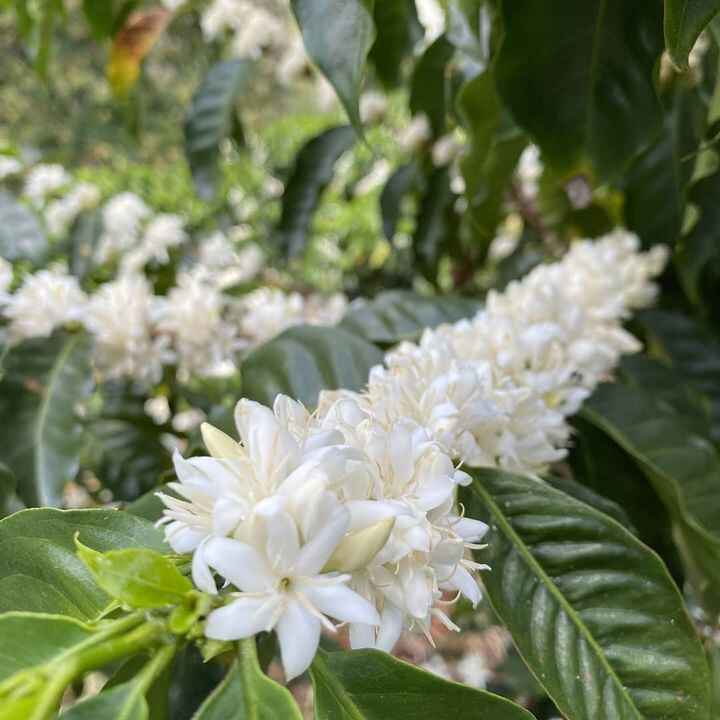
After brewing, this naturally processed Geisha from Café Rivense has a fresh lemon and dried apricot sweet-and-sour taste; as the temperature drops slightly, you can taste the sweet orange note, and it finishes with the sweet aftertaste of black tea.
The above content is compiled by CoffeeHunters, a coffee news website.


