







How Does Coffee Growth Shape Kaffa Forest and Panama Geisha Flavor?
Ethiopian coffee and Geisha share a root: the Geisha variety takes its name from Geisha Mountain in Ethiopia's Kaffa Forest. Kaffa Forest washed beans typically show floral, citrus, and tea-like notes, while Panama Geisha is known for jasmine, bergamot, and a juicy, tea-like body. Both depend on coffee growth conditions, including altitude, rainfall, and shade in the Coffee Belt.
Coffee trees need tropical or subtropical climates with warm, humid air and steady rain, which is why most production sits between the Tropics of Cancer and Capricorn. Ethiopia's highlands, rift valley, and volcanic soils meet those requirements, and the Kaffa Biosphere Reserve holds wild native varieties. A V60 three-pour brew, using a medium grind and controlled pulses, brings out the floral and citrus notes in washed Kaffa Forest beans.
Ethiopia, as the birthplace of Arabica coffee, is home to numerous well-known regions, and the name of the Geisha variety also originates from Geisha Mountain in the country's Kaffa Forest. Starting from Front Street Coffee's everyday bean series, this article systematically reviews Ethiopia's coffee-growing conditions, major producing regions, and the wild coffee characteristics of the Kafa Biosphere Reserve, and compares in detail the essential differences between the native varieties of the Kaffa Forest and the Panama Geisha variety. The article also introduces the flavor performance of Front Street washed Kaffa Forest coffee beans, as well as the specific parameters and techniques for three-pour extraction using a V60 dripper, helping coffee enthusiasts more clearly understand the relationship between Ethiopian coffee and Geisha.
For more specialty coffee knowledge, please follow: Front Street Coffee (Frontsteet Coffee)
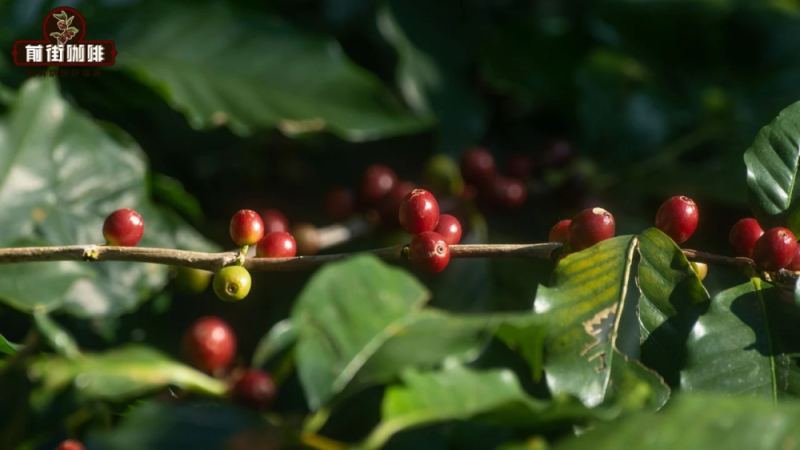
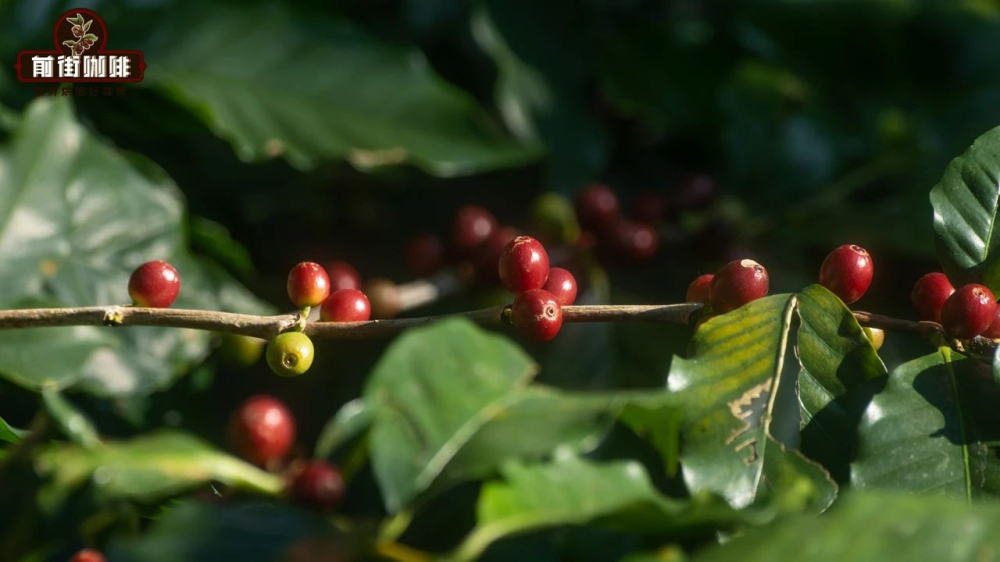
Coffee trees have strict requirements for their growing environment and are only suitable for cultivation in tropical or subtropical regions, requiring a warm and humid climate, abundant sunshine, and an appropriate amount of rainfall. The zone between the Tropics of Cancer and Capricorn on both sides of the equator happens to meet these conditions, so the industry calls it the "Coffee Belt."
Three-quarters of the African continent lies within the Tropics of Cancer and Capricorn. Most areas have an average annual temperature above 20°C, and the overall climate is hot, earning it the name "Tropical Continent." At the same time, Africa is richly endowed with natural resources. Its terrain is mainly plateaus, with an average elevation of about 750 meters, and volcanoes, rivers, and lakes are widely distributed. These natural conditions have fostered developed agriculture, and many countries are known for coffee exports, one of which is Ethiopia. The country is not only Africa's largest Arabica producer but also internationally recognized as the birthplace of coffee, enjoying a very high reputation in the global coffee market.
Ethiopia is located in East Africa. Its terrain is dominated by mountains and plateaus, with most of the country belonging to the Ethiopian Highlands. The East African Rift Valley runs through the entire country from south to north, and along both sides of the rift are large numbers of mountain ranges, volcanoes, and rivers. The average elevation of these mountains is close to 3,000 meters. The high altitude gives the country a pleasant climate despite being in the tropics, with an average annual temperature of about 16°C, obvious temperature differences between day and night, and a year that can be broadly divided into dry and rainy seasons. Numerous volcanoes, abundant water resources, and relatively high elevations provide ideal conditions for coffee cultivation and growth.
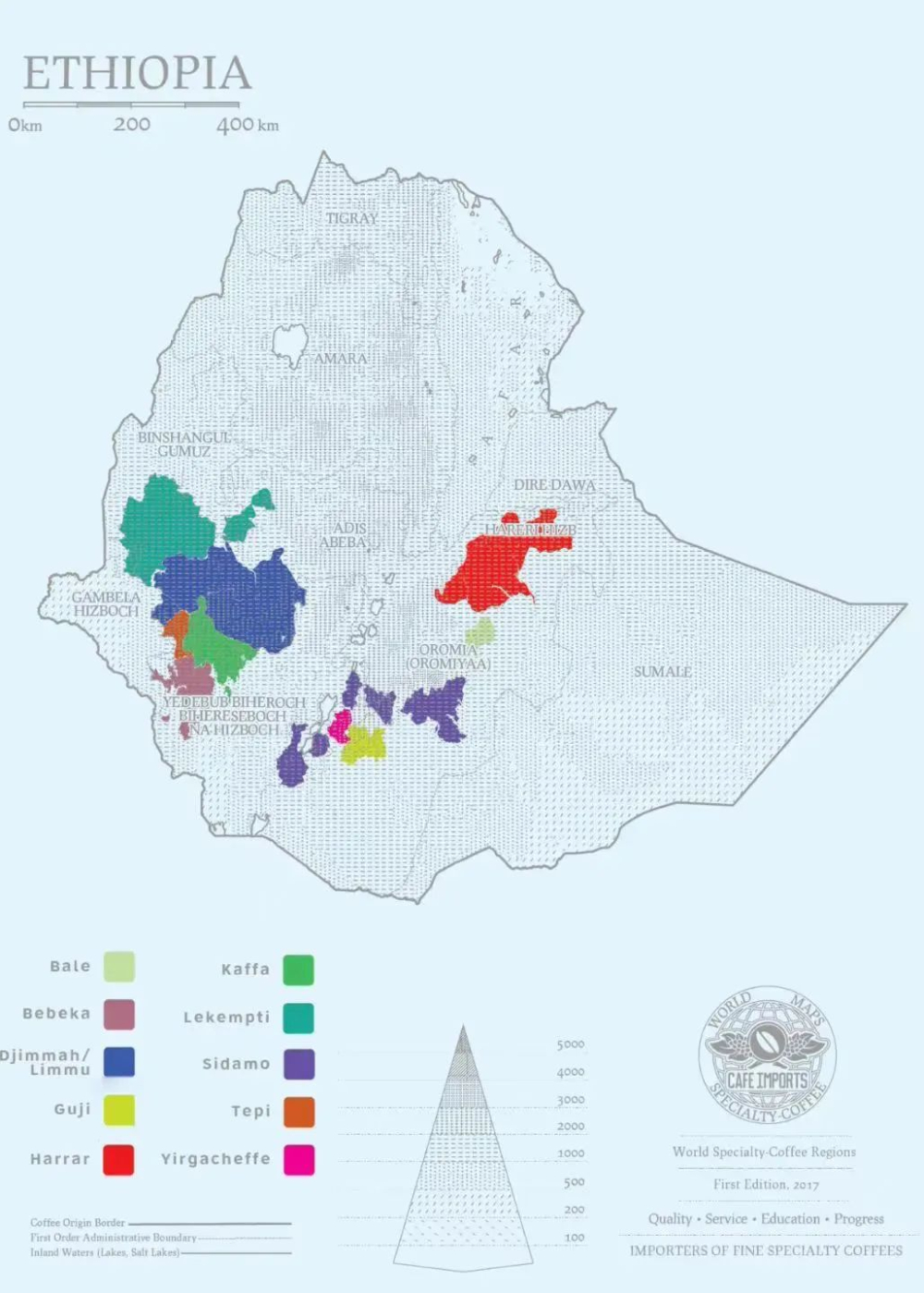
Ethiopia is currently divided into 12 regional states and 2 chartered cities, and has 10 coffee-producing regions. Many of these regions are well known worldwide, such as Sidamo, Jima, Harrar, Kaffa, Guji, and Yirgacheffe. Guji and Yirgacheffe were originally both part of the Sidamo producing region, but later became independent coffee-producing regions because of their distinctive flavors.
Yirgacheffe is a small town under Sidama State, and the Yirgacheffe coffee-producing region includes not only Yirga town itself but also Wenago town, about 26 kilometers north of Yirgacheffe town, as well as sub-regions south of Yirgacheffe town such as Kochere and Gedeb. The terrain in this area is complex and rugged. To the west is Lake Abaya, water resources are abundant, the climate is humid and mild, and rainfall is plentiful. Coffee is grown at elevations between 1,750 and 2,200 meters. Fertile soil and ample sunshine make this place very suitable for coffee growth.
In Front Street Coffee's everyday bean series, there is also Front Street Yirgacheffe coffee beans from this well-known Ethiopian producing region, using Heirloom varieties and the washed processing method. After brewing, it presents floral, citrus, and berry flavors, with lemon-like acidity and a refreshing mouthfeel.
Ethiopia is recognized as the birthplace of coffee. Coffee was first discovered in the Kaffa Zone in the southwest, and a large number of mother Arabica coffee trees still grow there today.
Front Street found through historical materials that the name Kaffa comes from an ancient kingdom in the region's history, the Kingdom of Kaffa, though some places now write it as "Kafa" or "Kefa." The Kingdom of Kaffa was annexed by the Ethiopian Empire at the end of the 19th century and is now part of Ethiopia.
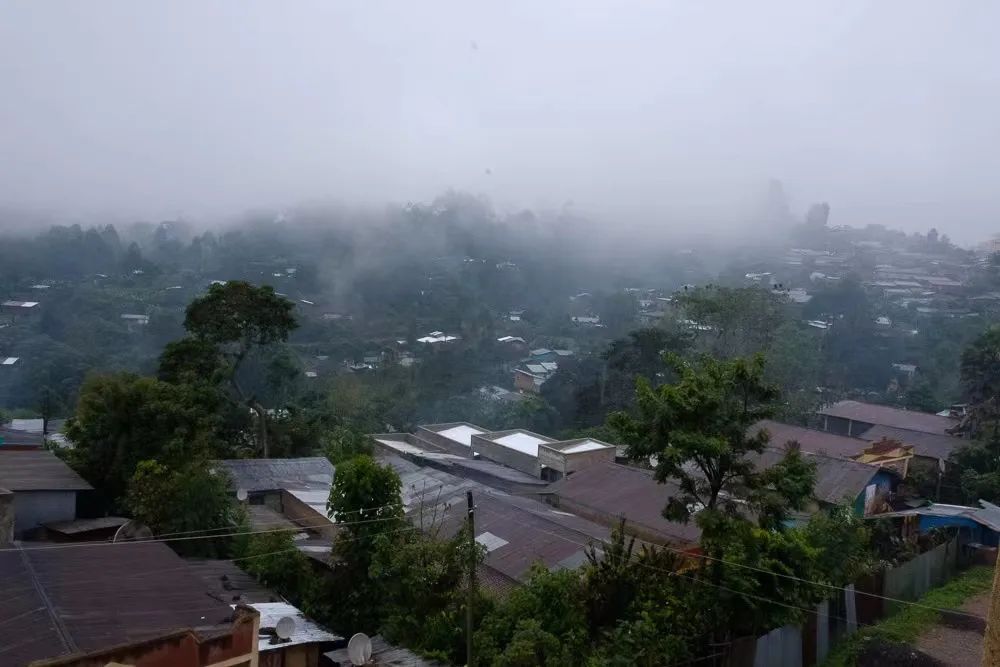
In terms of administrative divisions, the Kaffa Zone belongs to the South West Ethiopia Peoples' Region (the region was originally part of the Southern Nations, Nationalities, and Peoples' Region and became independent through a referendum in 2021), located in the northern part of that region. The Kaffa Zone is mainly a humid and mild rainforest area, and its most famous feature is the Kafa Biosphere Reserve.
The southern part of the Kafa Biosphere Reserve is surrounded by the Bonga National Forest Priority Area, the eastern part extends to Adiyo Woreda and the Gojeb River, the northern part is enclosed by the Gewata-Yeba (Boginda) National Forest Priority Area, and to the west is the Gesha National Forest Priority Area.
The Kafa Biosphere Reserve covers a total area of about 760,144 hectares, encompassing more than 50% of Ethiopia's montane forest area. It contains more than about 5,000 coffee tree species and is the origin and genetic diversity center of wild Arabica coffee. At present, about 30 coffee production cooperatives have been established around the Kafa Reserve, harvesting coffee cherries in the forest area during the ripe season and selling them after processing.
Unlike the pastoral planting model in our impression, in which farmers grow coffee trees in their own backyards, the Kafa cloud forest is most representative for producing wild coffee. All coffee trees grow in shaded environments at elevations of 1,400 to 2,100 meters. Favorable factors such as an pristine ecology, microclimate, red soil, and abundant rainfall provide excellent growing conditions for coffee trees.
On Front Street Coffee's bean list, there is a Front Street washed coffee bean from Ethiopia's Kaffa Forest. It uses a medium-light roast. After grinding, it has obvious white floral notes. On the palate, it has bright citric acidity, showing sweet orange and bergamot flavors. The finish has a slight melon and nutty aroma, with a mouthfeel similar to green tea.
Front Street Coffee (FrontStreet Coffee): Front Street Ethiopia · Kaffa Forest Coffee Beans
Country: Ethiopia Region: Kaffa Primeval Forest Altitude: 1,800 meters Variety: Heirloom Processing Method: Washed Grade: G1
Flavor: Bergamot, white florals, orange, apricot
Here, Front Street needs to clarify one point in particular: because the Kaffa Forest is the main setting of the Geisha origin story we are familiar with, and the name of the Geisha variety comes from the Geisha Mountain area here, some merchants directly name this bean "Geisha" and market it under the name "Kaffa Forest Geisha." But in fact, it is completely different from the Geisha variety in our impression.
Generally speaking, when baristas say "Geisha," they refer to the coffee variety from the Panama producing region that was once recorded as "T2772." The bean's biggest features are that it is large and slender, pointed at both ends and plump in the middle, and after roasting it curls outward on the inside, always reminding Front Street of a "sausage roll." The reason Panama Geisha has won the affection of countless people is that, unlike the traditionally rich coffee flavor in everyone's impression, it is more like a fresh floral and fruity tea. It often carries a rich fragrance and complex fruit flavors, evoking a series of unusual aromas, and at different temperatures, one can feel a delicate texture and sweet-and-sour fruitiness filling the entire mouth.
If you want to taste the classic Geisha flavor, Front Street Emerald Red Label Geisha Coffee, Front Street Green Label Geisha Coffee, and Front Street Boquete Geisha Coffee Beans are three representatives recommended. They are currently available for purchase at Front Street's Tmall flagship store or Front Street's Taobao store.
Compared with the Geisha variety, this Front Street Kaffa Forest that Front Street obtained this time mainly emphasizes its place of origin, so in terms of variety, Front Street labels it as the common Ethiopian Heirloom. In order to taste this kind of "wild coffee" flavor, Front Street adopts a medium-light roast level to highlight its distinct floral and fruity notes.
In order to improve the coffee extraction rate, avoid over-extraction, and at the same time highlight the sweet-and-sour layers of fruit flavors, Front Street Coffee (FrontStreet Coffee) baristas usually use a V60 dripper. The V60 dripper body has guide ribs connecting the top and bottom and a large central hole that speeds up the flow of water, while the spiral-shaped vent groove design lengthens the water flow path and increases the contact time between coffee grounds and hot water. Each stream of water converges along the grooves toward the center of the dripper, concentrating the pressure on the coffee grounds and producing a brewed coffee with richer layering.
Dripper: V60 Water temperature: 91-92°C Dose: 15g Coffee-to-water ratio: 1:15 Grind size: fine granulated sugar size (80% passing through a No. 20 sieve)

Three-pour extraction: For the first pour, use 30g of water and bloom for 30 seconds, pouring evenly in circles to form a dome. For the second pour, add 95g of hot water. When the coffee bed has dropped by half, begin the third pour of 100g until all the coffee has finished dripping. Note to start pouring from the center point, using a gentle, small stream in circles throughout to avoid uneven extraction. Finally, after the coffee liquid has finished dripping, gently swirl it to even it out, then you can begin tasting from the high-temperature stage.
The Front Street washed Kaffa brewed with this method has a very refreshing mouthfeel. On the first sip, you feel the salivating sweet-and-sour notes of yellow peach, sweet orange, and pomelo, with an overall tendency toward yellow stone fruit aromas. Because stirring is included in the process, in addition to rich fruit acidity, the coffee also has a clean, moist sweetness, just like drinking a cup of refreshingly sweet fruit juice.
The above content is compiled by CoffeeHunters, a coffee news website.


