







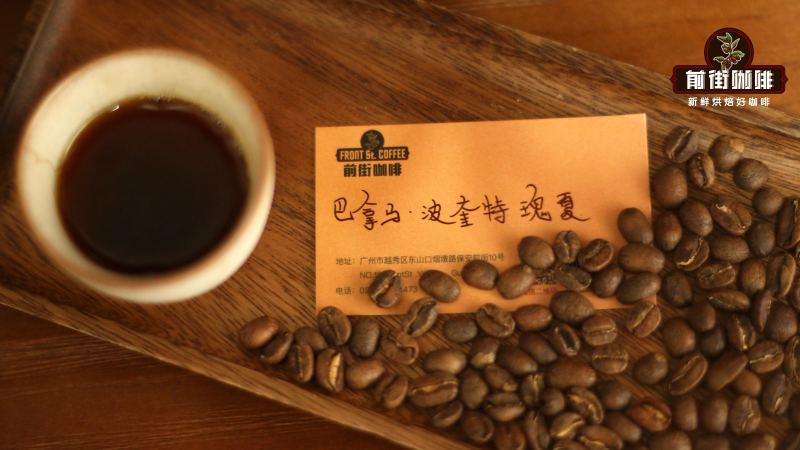
What Makes Panama Geisha Coffee Grown in Boquete Distinct?
Panama Geisha is a rare wild coffee variety originally from Ethiopia, named after a small village near where it was first found. It now thrives in Boquete, in western Panama near the Costa Rican border, where high-altitude volcanic soil and converging cold air currents above 6,500 feet create the microclimates behind its citrus aroma and floral, fruity finish.
The Geisha tree is tall and slender-leaved, resists coffee leaf rust, and has wide branch spacing. Yields are extremely low, so large-scale commercial trade is difficult. That rarity, plus the terroir of the Baru Volcano region, explains why this variety commands attention. Those wondering where can you grow coffee beans will find Panama's western highlands a clear example.
Although Panama is a small country, it occupies a pivotal position in the specialty coffee landscape. Its mountainous region in the west, bordering Costa Rica, nurtures coffee beans of exceptional flavor thanks to its unique microclimate and high-altitude volcanic soil. This article takes you into the core production area of Boquete, to learn about the origin and characteristics of the rare wild variety Geisha, to analyze where the rich flavor of Panama's high-altitude coffee comes from, and to focus on Front Street Coffee's Flower Butterfly—a high-value daily drinking bean featuring a Geisha blend as its highlight—covering everything from terroir to brewing method in one go.
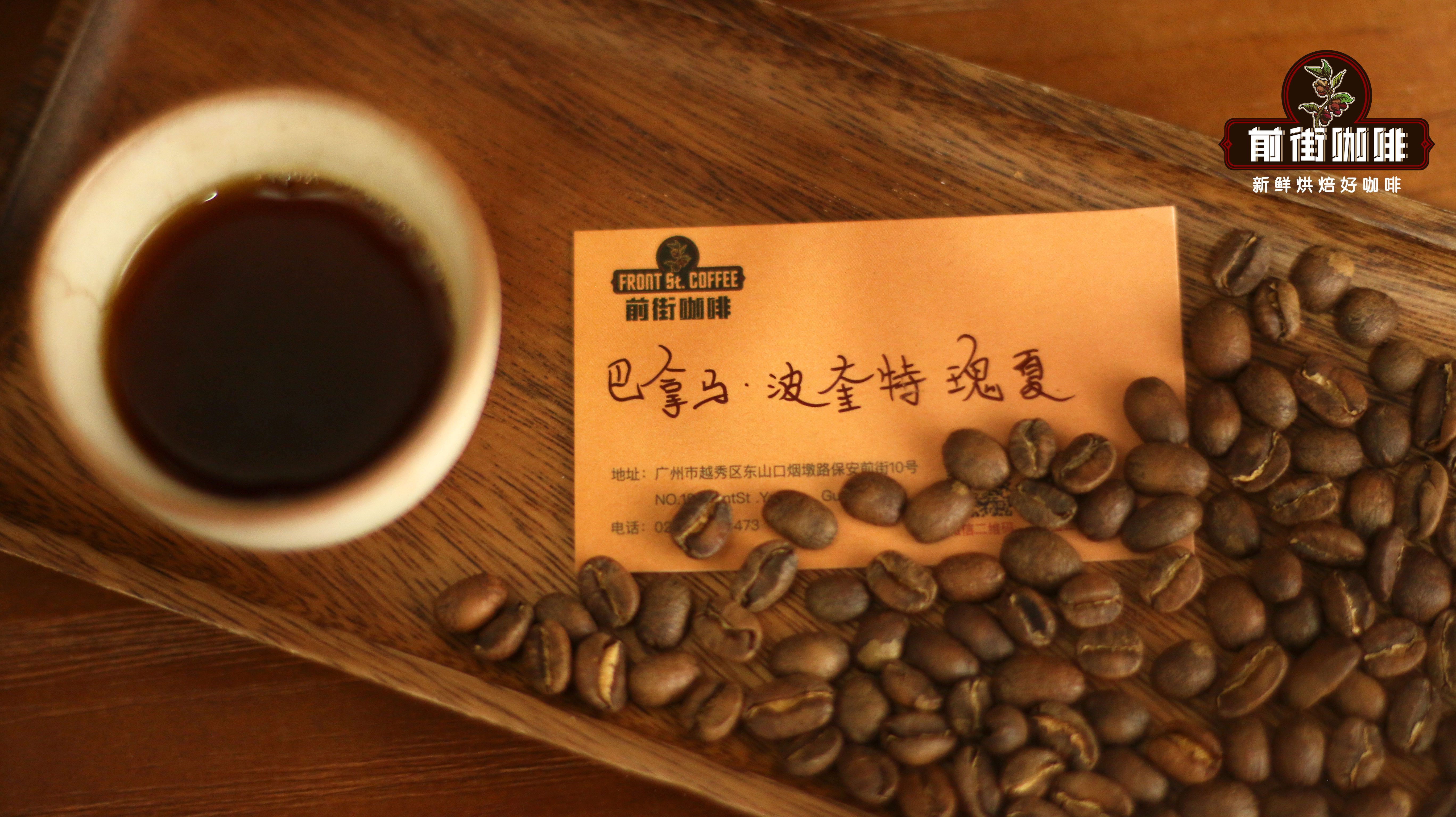
Front Street Coffee Panama Specialty Coffee Bean Introduction — Geisha
Front Street Panama Geisha: a rare wild variety that regularly occupies championship seats in major tasting competitions. The green beans have a slender shape, and after roasting they give off a surprising citrus aroma, with a finish lingering with floral and fruity sweetness—truly a one-of-a-kind specialty coffee.
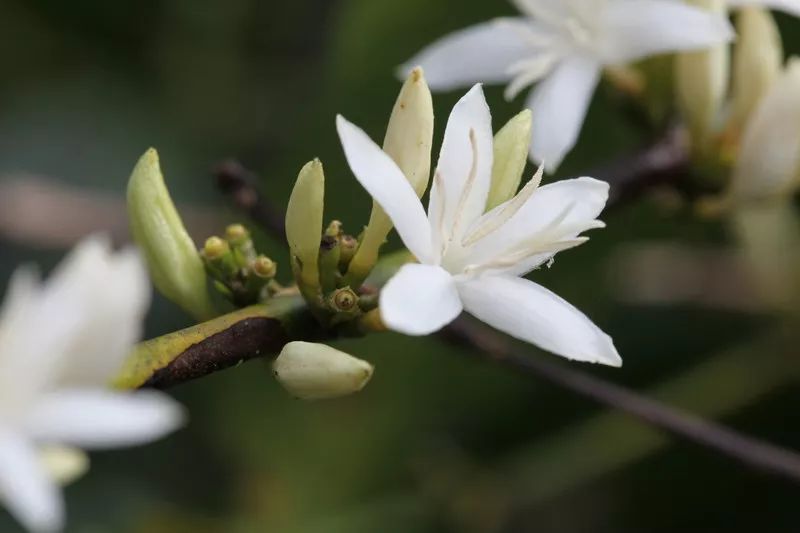
Geisha originally came from Ethiopia and belongs to an extremely rare wild coffee variety. Its name may derive from a small local village called Geisha—it was near there that this coffee was first discovered. The Geisha coffee tree is tall with slender leaves, has strong resistance to coffee leaf rust, and its notably wide spacing between branches is a distinctive feature. The green beans are slender in shape, while the roasted beans carry a strong and intense fruity aroma. Due to extremely low yields, this variety is difficult to purchase on a large scale through commercial trade channels. The most important resource that makes Panama coffee unique lies in its microclimate conditions. The east-west geographical layout of the Republic of Panama allows cold air currents to cross the central mountain range and converge in areas above 6,500 feet in elevation, thereby forming diverse microclimates around Boquete and Volcan Candela, laying the foundation for Panama's main specialty coffee production areas. These coffees grow in the nutrient-rich and balanced soil of the Baru Volcano region.
Front Street Flower Butterfly Coffee — The King of Value Among Central American Panama Coffees
As early as three years ago, Panama had already ranked among the world's top coffee-producing countries, which surprised many countries long regarded as pioneers of the industry. Panama's main coffee-producing region is located in the west, right next to the Costa Rican border, producing top-quality washed coffees. Compared with low- and mid-altitude production areas, Panama's high-altitude regions have lower temperatures and a more stable climate, which is more favorable for coffee bean growth. Coffee beans grown here mature slowly, thus developing a strong and distinctive flavor, and the bean density is also the highest. High-altitude coffee beans have a more complete flavor expression, higher body, and a diverse flavor spectrum, such as chocolate, caramel, and floral notes. On the palate, it is warm and gentle, with a well-balanced acidity and bitterness.
If you want to meet your daily drinking needs, Front Street Flower Butterfly is the top choice. This is a highly cost-effective Panama Geisha blend, produced in the high-altitude area of the core production region Boquete. The large temperature difference between day and night allows the coffee cherries to accumulate sufficient nutrients and develop richer aromas. The addition of a large proportion of Geisha gives Front Street Flower Butterfly an overall profile centered on delicate sweetness, while also carrying the sweetness of nuts and honey sweet potato. It has low acidity and weak bitterness, and is suitable not only for pour-over and cold brew, but also for extraction with a French press, siphon, or AeroPress.
The above content is compiled by CoffeeHunters, a coffee news website.


