








In the coffee landscape of Asia, Yemen occupies a historical position that cannot be overlooked. As one of the countries with the longest history of coffee cultivation in the world, Yemen is known for its full sun-dried processing method and wild flavors, and the Mattari region is a high-altitude specialty representative. This article begins with the spread of Yemeni coffee history, traditional cultivation and processing methods, analyzes the unique conditions that shape its flavor, and presents the complete brewing parameters and tasting notes for Front Street Coffee Yemen Mocha Mattari coffee beans, suitable for coffee lovers who want to gain a deeper understanding of Asian coffee regions and ancient sun-dried flavors.

When Asian coffee is mentioned, many people's first reaction is Indonesia's Front Street Mandheling, or our country's Front Street Yunnan small bean, as well as Front Street PNG Paradise Bird, known as the "Little Blue Mountain." Front Street Mandheling is known for its mellow and solid mouthfeel, Front Street Yunnan small bean is balanced overall with just the right plum-like sweet acidity, and Front Street PNG Paradise Bird has an abundant nutty sweet aroma. All three use medium roasting and are quite friendly to friends who dislike bitterness or acidity.
When it comes to Yemeni coffee, what often comes to mind are sun-dried beans with intense flavor and a wild character. Yemeni coffee farmers have followed the cultivation methods passed down by their ancestors for generations. The local terrain is rugged, arable land is limited, and rainfall is scarce, so most farmers plant coffee trees on terraces or in lower-lying depressions.
Yemen
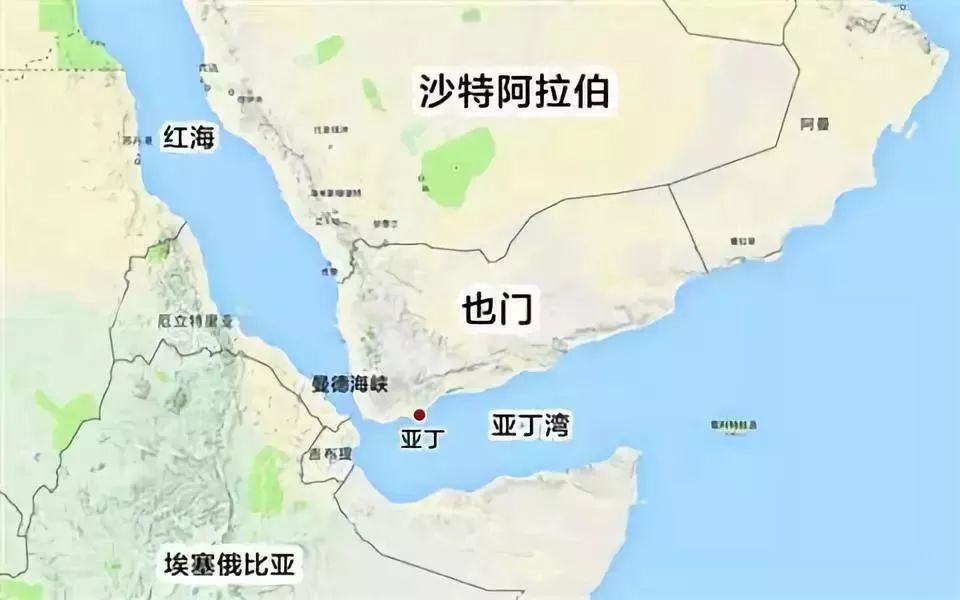
According to Front Street's understanding, Yemen is one of the countries with the longest history of coffee cultivation in the world and has had a profound influence on the spread and popularization of coffee globally. After coffee was first discovered in Ethiopia, it was through devout Muslims and spice merchants on the Arabian Peninsula that it gradually spread to Yemen.
In the 17th century, coffee trees were transplanted onto Yemeni soil for the first time. In addition to drinking it themselves, Arabs also traded coffee with Europe and tried to use this to monopolize the market. It was along these trade routes that coffee became known and accepted by more and more people. By the mid-17th century, the Dutch brought Yemeni coffee trees to the island of Java, developed cultivation there, and then promoted it to more countries.
It is said that Shaykh al-Shadhili, the Islamic patriarch of Yemeni Mocha, was inspired by the tea culture of China's Ming Dynasty and developed coffee into a refreshing beverage. Because Islam prohibits alcohol, coffee drinks happened to provide people with a new daily comfort and thus became very popular. Unfortunately, Yemen's coffee culture today is no longer as flourishing as it once was. The reasons behind this are quite complex: natural disasters, drought, severe pests, relatively high cultivation costs, low-priced imported coffee, and farmers' preference for growing higher-return crops such as khat. The combination of these factors has created the current situation of Yemen's coffee industry.
Yemeni coffee processing method (ancient sun-dried)
Yemen is the only coffee-producing region in the world that uses fully sun-dried processing for coffee beans. Since Europeans became fascinated with wild-tasting Mocha in the 17th century, this traditional processing method has continued almost unchanged to this day. This is inseparable from Yemen's extremely dry climate—coffee is mainly grown in the central highlands, where average annual rainfall is far below what Arabica ideally needs for growth.
Although Yemeni coffee grows in an environment of steep slopes, little rain, poor soil, and insufficient sunlight, it is precisely these harsh conditions that create an irreproducible Yemeni Mocha. The main producing regions include Sanani, Mattari, and Ismaili.
The Mattari producing region is located in the highlands west of the capital, at an altitude of about 2,000–2,400 meters. It is Yemen's highest-altitude producing region, but also the most remote, with inconvenient transportation, so farmers often have to delay for some time after harvest before the coffee can be transported out. Due to water shortages, more advanced washed methods still have not been introduced locally, which instead makes the wild aroma of Yemeni coffee even more prominent, and Yemen has therefore become the best place to experience ancient flavors.
The mountains of Yemen's central highlands are rolling, steep, and rugged. Smallholders adopt a decentralized approach, planting coffee on steep slopes, terraces, or cliffs. Soil and microclimates vary from place to place, and the composition of aromatic substances changes accordingly.
Yemeni farmers' sun-dried processing is relatively rough. Unlike Ethiopia's refined sun-drying, they directly spread the coffee beans on rooftops to dry. This processing method is also the main reason why Yemeni coffee has a particularly strong wild flavor. Yemen's traditional sun-drying process includes: manually picking fully ripe coffee cherries, spreading them out directly to dry, and turning them regularly to ensure even drying. After about twenty days, the outer pulp and skin are removed and the coffee beans are taken out.
FrontStreet Coffee's Yemen Mocha comes from the Mattari producing region. Yemeni coffee is rich, complex, bold, and mellow, with a strong fermented character and relatively low acidity. Because the timing of rainfall is difficult to predict, Yemeni coffee always carries a certain unpredictability, and it is no exaggeration to call it one of the most special coffees in the world.
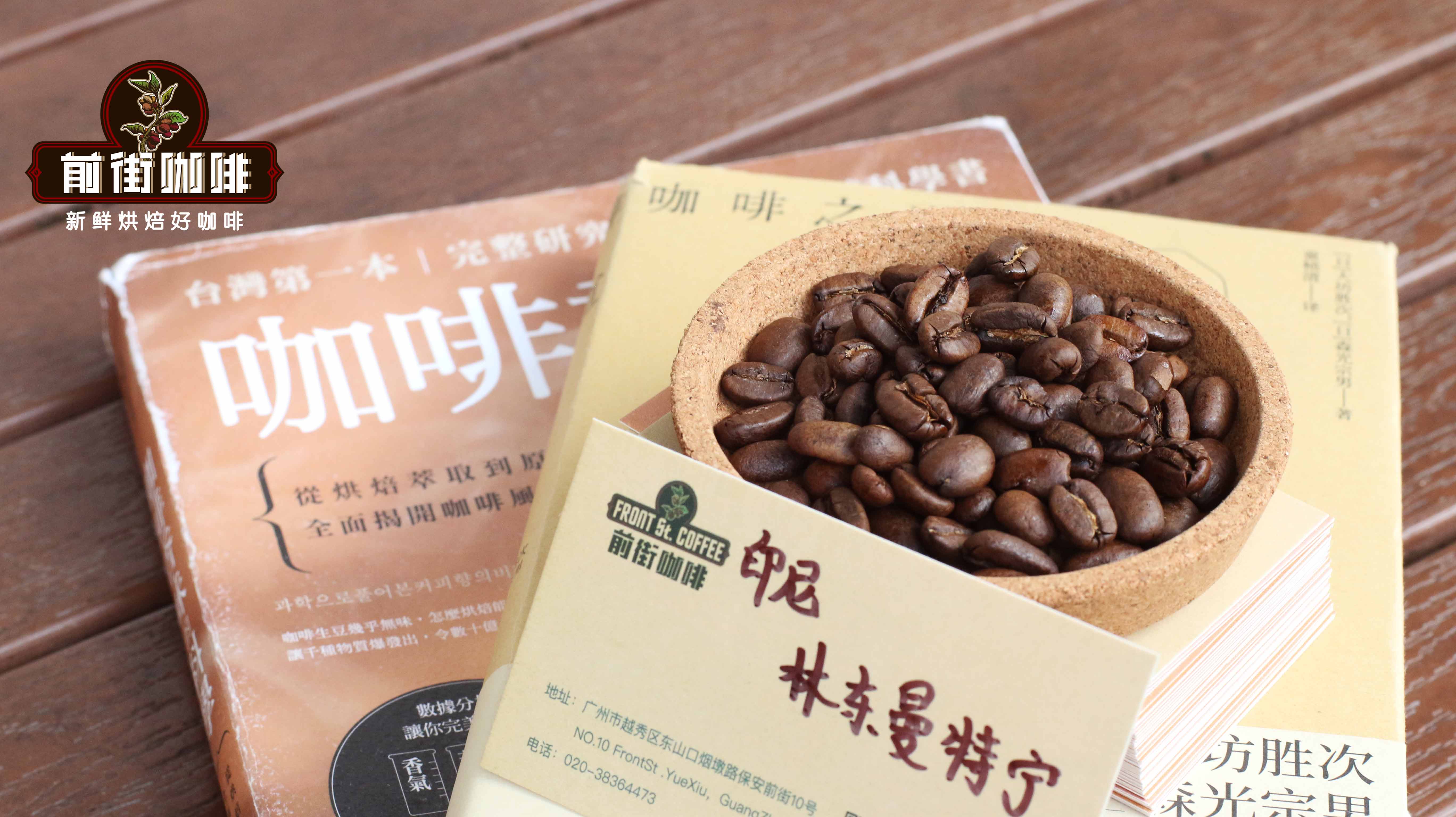
FrontStreet Coffee: Yemen Mocha Mattari coffee beans Region: Mattari Altitude: 1,300–1,900 meters Variety: Typica, Bourbon Processing method: sun-dried processing Flavor: balanced, chocolate, long-lasting caramel sweetness in the finish
Front Street brewing parameters for Yemen Mocha Mattari coffee
Dripper: KONO
Water temperature: 88–90°C
Coffee-to-water ratio: 1:15
Grind size: medium-fine grind (73% passing through China's No. 20 standard sieve)
Brewing uses three-stage extraction: first, bloom with water at twice the amount of coffee grounds, that is, 30 grams of water for a 30-second bloom; then pour in a small stream in circles, pausing at 125 grams for a stage break; when the water level drops and is about to expose the coffee bed, continue pouring until 225 grams and stop (timing starts from the beginning of the bloom), with a total extraction time of 2 minutes. Try to keep the brewing technique as consistent as possible for the two coffees.
Description of Yemeni coffee bean characteristics
Before this coffee is ground, Front Street can smell an aroma similar to peanuts. After grinding, it gives off a caramel-like sweet fragrance. When sipped, it has rich layers and a strong dark chocolate taste. In the finish, a hint of grape-like acidity can be felt.
In addition, the aftertaste is long, producing saliva in the mouth, with a sweet and rounded return. After the temperature drops slightly, spice and berry flavors can also be detected.
The above content is compiled by CoffeeHunters, a coffee news website.


