







Search Results for: Water Temperature Ratio

What to do if drip bag coffee tastes too weak? Master water temperature, coffee-to-water ratio, and pouring technique to brew a rich, aromatic pour-over
Have you ever run into this problem: the same pack of drip bag coffee, yet when someone else brews it, the aroma fills the air, while yours comes out as weak as plain water? The issue mostly lies in the parameters and technique. Although drip bag coffee has a low barrier to entry, to brew a rich, full-bodied flavor, you must nail down the three core variables: water temperature, coffee-to-water ratio, and extraction time. This article compiles three practical tips: the first is to adjust the brewing parameters to raise the extraction yield; the second is to dig a small hole in the center of the coffee bed to solve the uneven extraction caused by the overly thick layer of coffee grounds in the drip bag; the third is even more direct—pour the brewed coffee back and steep it again to remedy under-extraction. At the end of the article, there is also a complete brewing demonstration of Front Street Coffee Ethiopia Huakui drip bag, from a 1:15 coffee-to-water ratio to a four-stage pour, guiding you step by step to brew a great cup of coffee with strawberry and citrus notes. [more…]
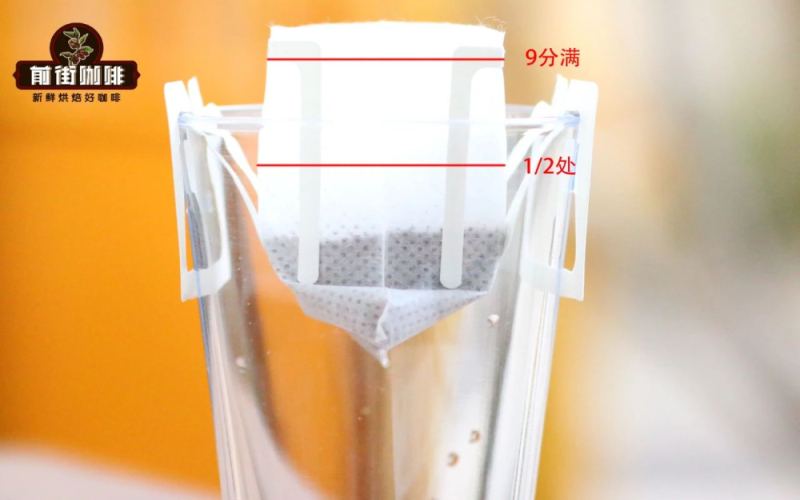
Three Keys to Better-Tasting Drip Coffee: A Practical Guide to Grind Size, Water Temperature, and Coffee-to-Water Ratio
Pour-over drip bag coffee brewing may seem simple, but if you want to brew an ideal cup, you cannot overlook three details: grind size, coffee-to-water ratio, and water temperature. This article explains, one by one, how each step—from pouring method and grind selection to ratio control and temperature management—affects the final taste, and provides specific product examples from Front Street Coffee's drip bags to help you avoid common pitfalls and consistently brew a delicious cup of drip bag coffee at home. [more…]
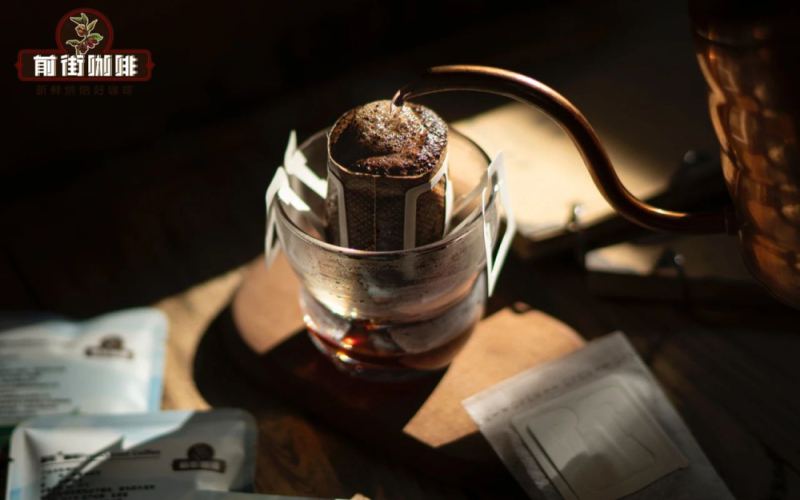
The Complete Guide to Drip Bag Coffee Brewing: Three Key Details for Coffee-to-Water Ratio and Water Temperature Control
Drip bag coffee may seem simple, but to brew an ideal cup, three details are indispensable: the pouring method, the coffee-to-water ratio, and the water temperature. In this article, a barista from Front Street Coffee shares practical brewing tips, breaking down everything from bean selection to specific steps. Whether you prefer floral notes, fruity acidity, or a rich, full-bodied taste, you'll find a drip bag coffee recommendation that suits you. The article also explains in detail how to keep a steady stream of water using a gooseneck kettle, precisely control the ratio with a graduated cup, and maintain the water temperature between 85 and 95 degrees Celsius to avoid off-flavors and a gritty mouthfeel. Master these key points, and your everyday drip bag coffee can easily be elevated to the next level. [more…]

The Complete Guide to Clever Coffee Dripper Brewing: How to Master Grind Size, Water Temperature, and Coffee-to-Water Ratio
The Clever Dripper, with its unique piston valve design, combines the immersion advantages of a French press with the filtration function of a pour-over dripper, making it a beloved brewing device for many coffee enthusiasts. By precisely controlling the coffee dose, ratio, grind size, water temperature, and time, you can consistently produce an excellent cup of coffee. Based on the practical experience of Front Street Coffee, this article systematically explains the brewing parameters and operating steps for the Clever Dripper, covering grind recommendations for medium-light and medium-dark roasts, water temperature ranges, coffee-to-water ratio choices, and comparative experimental results on immersion duration. Whether you are a beginner just getting to know the Clever Dripper or an advanced player looking to refine your brewing skills, you will find practical references and clear operating guidance here. [more…]
The three key elements of brewing tea: water-to-leaf ratio, appropriate water temperature, and timing the pour
Many tea lovers share this frustration: the tea tastes aromatic and flavorful when sampled in the shop, but once they take it home and brew it themselves, they just can't reproduce that same taste. In fact, solving this problem isn't complicated—the key lies in understanding the three core variables that affect the taste of brewed tea: the tea-to-water ratio, the brewing water temperature, and the steeping time. As long as you sort out the relationship among these three, brewing a smooth, pleasant cup of tea is no difficult task. This article will explain three aspects: judging the amount of tea to use, how water temperature affects the release of the substances contained in the tea leaves, and how to control the timing for different infusions, helping novice tea lovers avoid the common pitfalls of bitterness or blandness and gradually establish their own brewing rhythm. [more…]
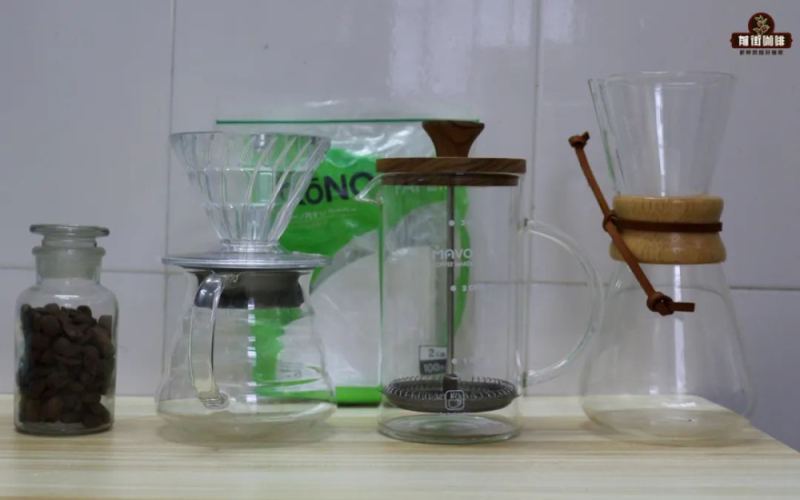
French Press Coffee Full Analysis: A Detailed Guide to Grind Size, Water Temperature, Coffee-to-Water Ratio, and Brewing Steps
Even without professional equipment like a digital scale or thermometer, a French press can still brew great coffee. This article shares Front Street Coffee's practical tips for using a French press in a makeshift environment: how to solve the ratio problem using the markings on the carafe, how to estimate the coffee dose with the coin water-displacement method, how to control water temperature with the boil-and-rest method, and the specific steeping time and plunger operation. It also explains the flavor and mouthfeel characteristics of French press coffee, helping coffee lovers produce consistent results even with limited equipment. [more…]
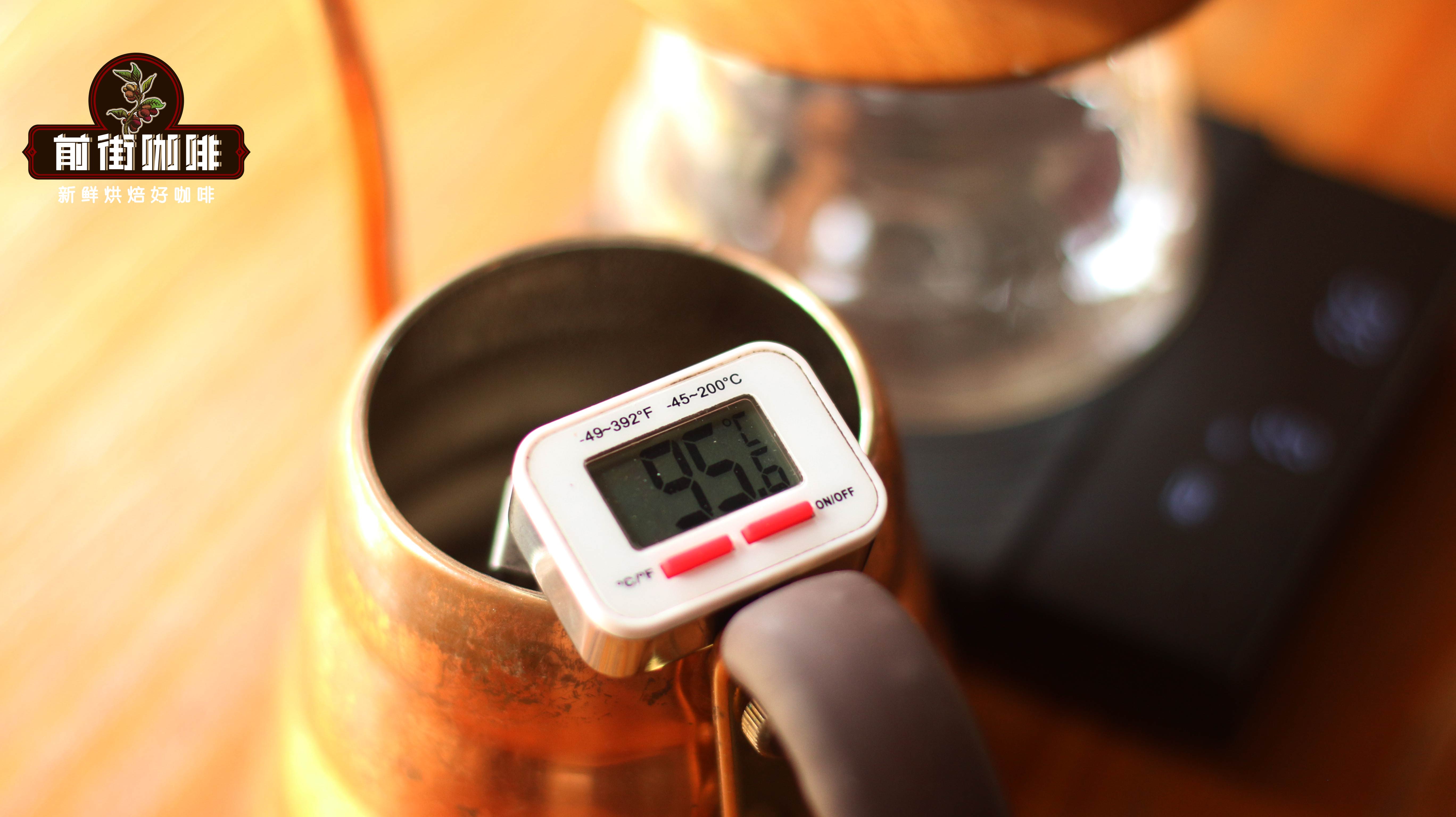
Master Freshness, Grind Size, Water Temperature, and Coffee-to-Water Ratio: Brewing Pour-Over Coffee from Four Major Regions—Yirgacheffe, Mandheling, Kenya, and Brazil
Yirgacheffe, Mandheling, Kenya, and Brazil are the four major coffee regions most familiar to coffee enthusiasts, and each has its own distinctive brewing approach. In this article, Front Street Coffee will explain the four key elements of pour-over brewing—freshness, grind size, water temperature, and coffee-to-water ratio—and provide specific brewing parameters and techniques for a representative bean from each of the four regions. The article will also cover the principles of bean resting and degassing, how to calibrate grind size using a standard sieve, and the taste differences brought about by different coffee-to-water ratios under the SCA Golden Cup extraction theory, helping you brew these four common single-origin coffees to taste even better. [more…]
How to Brew Drip Bag Coffee for Better Results? Master the Coffee-to-Water Ratio and Three Key Details
Although drip bag coffee is convenient, the details cannot be overlooked if you want to brew a good cup. This article shares practical tips for making drip bag coffee taste better from four angles: pouring method, grind size, coffee-to-water ratio, and water temperature. It particularly mentions Front Street Coffee's approach of adjusting the grind size according to the roast level—whether it's a light roast with floral and fruity acidity or a dark roast with rich body, there's a corresponding reference plan. It also reminds everyone to avoid pouring water directly from a water dispenser, and recommends using a gooseneck kettle for a steady stream, a measuring cup for precise ratio control, and a thermometer to manage the water temperature range. As long as you pay attention to these steps, you can reduce off-flavors and make the layers of drip bag coffee clearer. [more…]
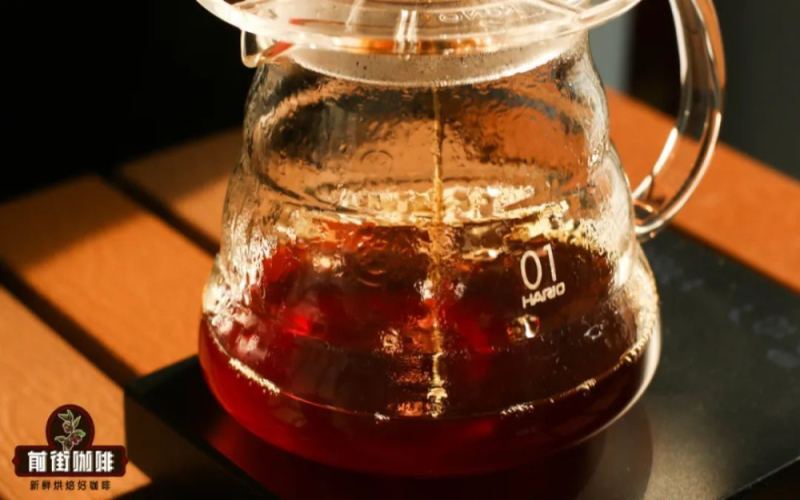
Pour-Over Coffee Strength Adjustment Guide: Key Parameters and Techniques Beyond the Coffee-to-Water Ratio
In the world of pour-over coffee, adjusting strength seems simple—want it stronger, use less water; want it weaker, use more water. However, when changes to the coffee-to-water ratio go beyond a reasonable range, the extraction yield also shifts, which in turn affects the overall flavor of the coffee. This article uses Front Street Coffee's commonly used 1:15 coffee-to-water ratio as an example to explain in detail how to adjust strength while coordinating parameters such as water temperature and grind size to avoid under-extraction or over-extraction. In addition, it introduces the simple method of diluting strength by adding water (bypass) and reminds readers of precautions during operation. Whether you are pursuing a rich mouthfeel or a light flavor, these practical tips can help you control every cup of coffee more precisely. [more…]
Interpreting Standard Espresso Extraction Parameters: A Detailed Guide to the Espresso-to-Milk Ratio in Latte
Although latte coffee is everywhere, actually making a delicious latte is not simple. Variables such as coffee bean flavor, milk quality, and extraction parameters all directly affect the final taste. This article will systematically sort out the extraction standards for espresso, analyzing the meaning and adjustment logic of extraction parameters one by one from six dimensions: dose, ratio, time, flow rate, pressure, and water temperature, while also exploring in depth the specific effects of factors such as coffee beans, grind size, and brew ratio on espresso flavor. On this basis, Front Street Coffee (FrontStreet Coffee) will also share the recommended matching ratio of espresso to milk in latte coffee, helping coffee lovers find a serving solution suitable for their own beans and milk. [more…]
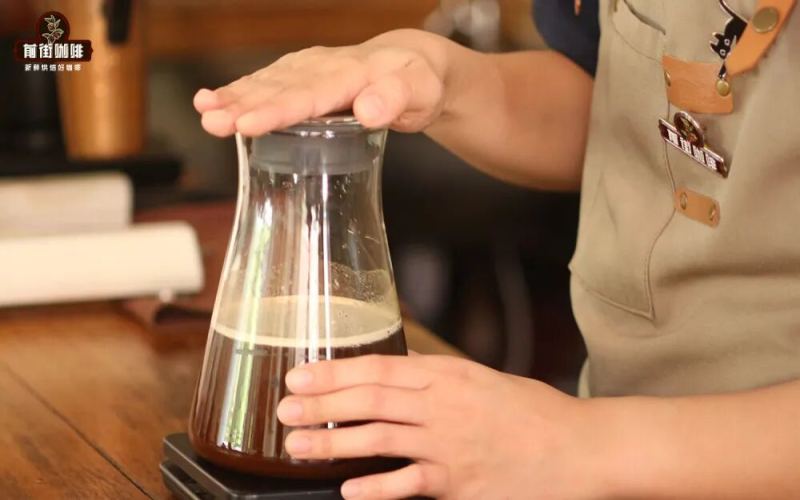
Is It Feasible to Cold Brew Coffee Grounds with Ice Water? Flavor Comparison and Complete Ratio Tutorial
Cold brew coffee is usually made by soaking ground coffee in room-temperature water and then refrigerating it to extract, but if you replace the water with ice water, will the final cup taste better or worse? At Front Street, we made two batches of cold brew using room-temperature water and ice water respectively, comparing everything from grind size and coffee-to-water ratio to the actual flavor. The result showed that the ice water cold brew yielded less liquid, yet presented a clear sweetness reminiscent of grapes, pineapple, and oranges, with almost no bitterness. This article fully documents the parameters and steps of both methods and explains how temperature affects extraction efficiency and the release of flavor compounds, helping you find a cold brew solution that suits you. [more…]
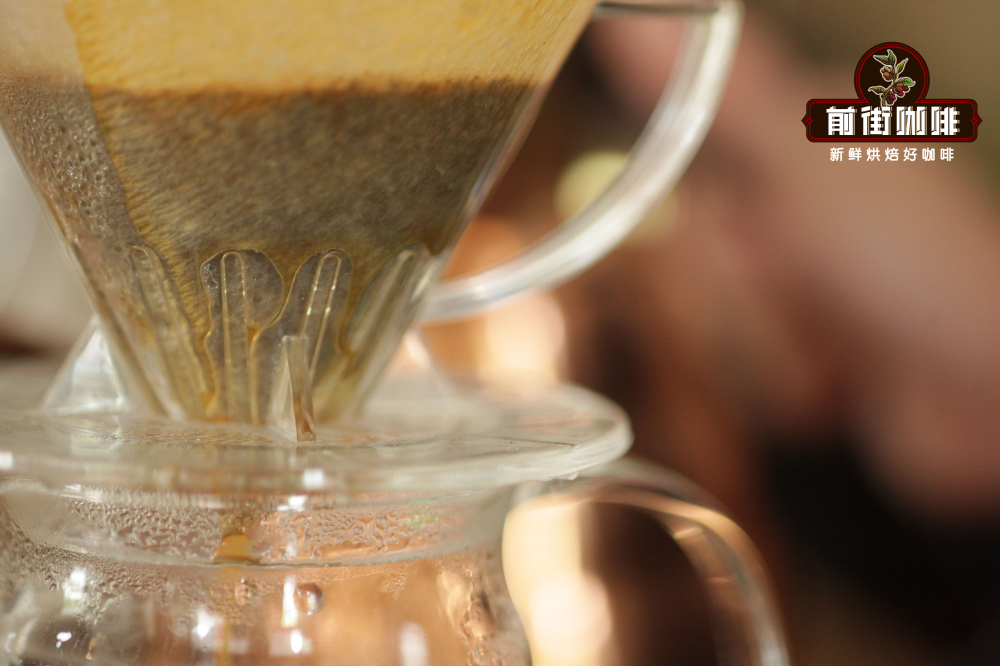
Pour-over coffee method step-by-step guide | What is the best golden coffee-to-water ratio for pour-over? How to adjust water temperature and brewing time parameters?
The charm of pour-over coffee lies in the ability to adjust various subtle parameters and tweak the extraction variables at different stages to achieve a cup with the flavor and mouthfeel you enjoy. Front Street Coffee believes that the coffee-to-water ratio is a very important parameter affecting pour-over coffee. Mastering the coffee-to-water ratio not only makes the extraction more stable but also allows the flavor to present more [more…]
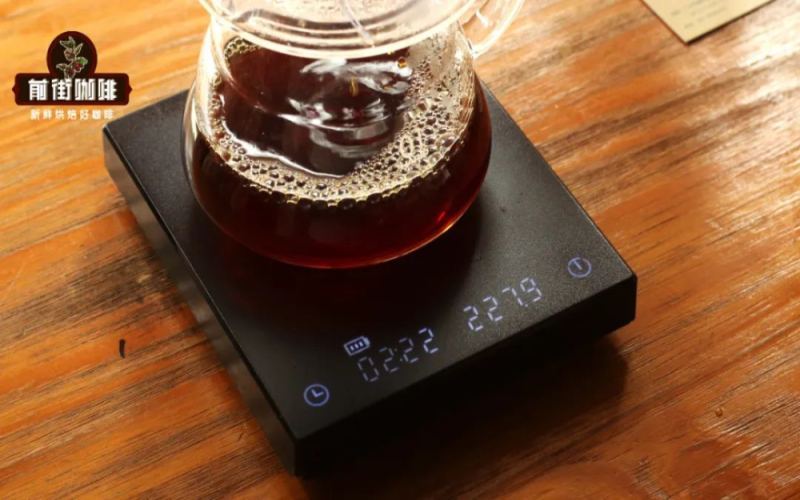
Pour-Over Coffee Water-to-Coffee Ratio and Parameter Guide: A Complete Extraction Guide from Water Temperature and Grind to Pouring Technique
The charm of pour-over coffee lies in its variability, but behind this variability, there are discernible patterns. Many enthusiasts follow tutorials to brew, yet the taste fluctuates—sometimes good, sometimes bad. The problem often lies in mastering the core parameters. Drawing from Front Street Coffee's production experience, this article systematically outlines the six major factors affecting pour-over flavor: water temperature, coffee-to-water ratio, grind size, pouring technique, time, and water quality. Among these, how to choose the water temperature range, how the coffee-to-water ratio balances extraction yield and concentration, why grind size is of utmost importance, and how to adapt pouring techniques on the fly are all broken down one by one with specific cases and recommended bean lists, helping you find consistent good taste amidst constantly changing parameters. [more…]
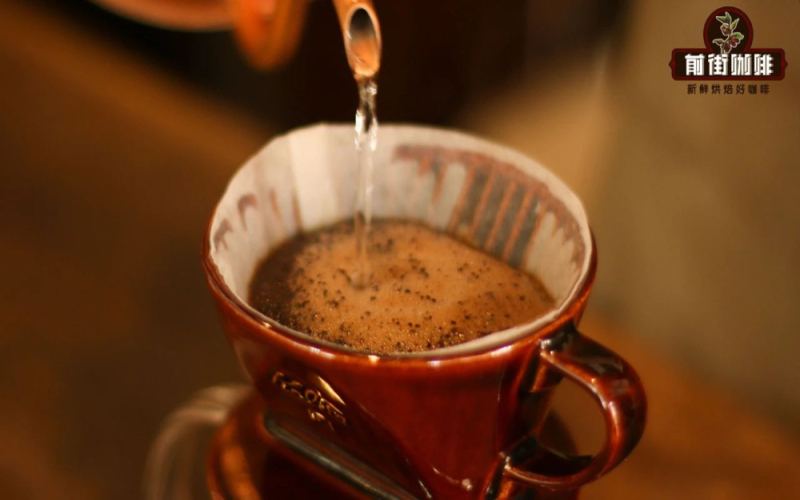
Pour-Over Coffee Beginner's Guide: 10 Key Techniques for Mastering Grind, Water Temperature, Coffee-to-Water Ratio, and Pouring
To brew a full-flavored single-origin coffee at home, having good coffee beans alone is not enough. From grind size, water temperature, coffee-to-water ratio to pouring rhythm, every step directly affects the taste in the final cup. In this article, Front Street Coffee systematically sorts out the core knowledge of pour-over coffee, including the flavor characteristics of coffee beans from different regions, the impact of various brewing parameters on extraction results, and the detailed operating steps of the three-stage pouring technique. It also reviews the seven categories of equipment needed for pour-over, and using Ethiopian Yirgacheffe Gutingting coffee beans as an example, shares complete brewing data and flavor performance, helping coffee lovers reliably reproduce a good cup of coffee at home. [more…]
Hot Americano Coffee Water-to-Coffee Ratio and Water Temperature Selection: What Temperature Is Best for Brewing
Americano is made with espresso as its base, diluted with hot water. It seems simple, but in reality, both the water-to-coffee ratio and water temperature affect the final flavor. This article starts with the origin of Americano, provides a detailed analysis of the standard preparation parameters for hot Americano, and by comparing the tasting performance of four water temperatures—55°C, 65°C, 75°C, and 90°C—immediately after preparation, 5 minutes later, and 20 minutes later, identifies the most suitable water temperature range for dine-in hot Americano. The article also recommends several Front Street Coffee espresso beans and their Americano preparation parameters for coffee enthusiasts' reference. [more…]
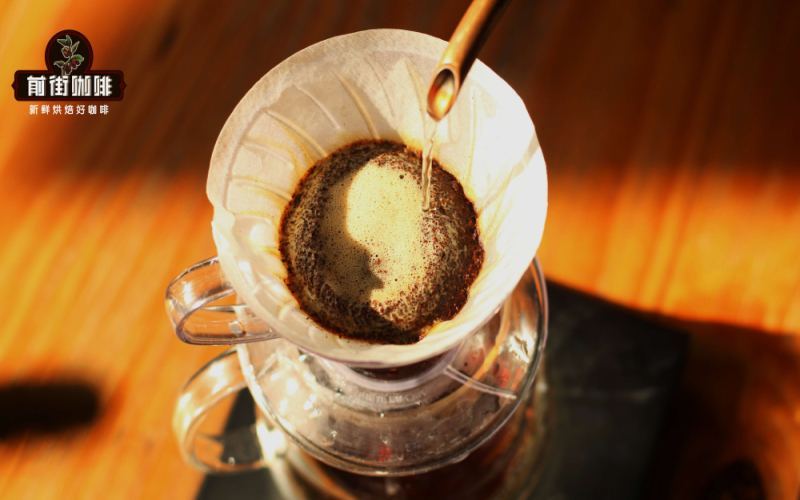
Front Street Coffee Pour-Over Huakui 8.0 Coffee Tutorial: A Detailed Guide to Grind Size, Water Temperature, and Coffee-to-Water Ratio
To brew a delicious Huakui coffee at home, mastering the core parameters is key. Front Street Coffee is often asked how to brew a good cup of coffee. In fact, aside from human factors, the four major elements that determine coffee flavor are dose, grind size, water temperature, and coffee-to-water ratio. This article uses Front Street Sidamo Huakui 8.0 as an example to explain in detail the pour-over parameter settings and the three-stage pouring technique, from 15g of coffee, a 1:15 coffee-to-water ratio, and 91°C water temperature to a grind size with an 80% passing rate, with specific operating instructions for each step. Huakui 8.0 uses the traditional natural process and features rich flavors of honey, berries, guava, jackfruit, and more. It is affordably priced and very suitable for beginners as a practice daily coffee. [more…]

Pour-Over Coffee Strength Adjustment Techniques: How Coffee-to-Water Ratio and Parameter Adjustments Affect Flavor Expression
The most direct way to adjust the strength of pour-over coffee is through the coffee-to-water ratio. If you want a bolder cup, reduce the amount of water poured; if you prefer something lighter and more refreshing, simply increase the water. However, changing the coffee-to-water ratio doesn't just affect concentration—it also shifts the extraction yield. Within the parameters recommended by Front Street Coffee, 1:15 to 1:16 works for most coffee beans: 1:15 gives a solid body and full flavor, while 1:16 is lighter and more layered. If you're brewing a dark roast and want it stronger, jumping straight to 1:13 may lead to under-extraction and a missing finish—this is where grind size and water temperature come in to help. This article will systematically sort through various approaches to adjusting concentration, including coffee-to-water ratio, grind coarseness, water temperature changes, and the By Pass technique, to help you find the balance point across different roast levels. [more…]
A Complete Guide to Pour-Over Coffee: A Practical Analysis of Grind Size, Pouring Technique, Coffee-to-Water Ratio, and Water Temperature
Many coffee enthusiasts buy beans to take home after enjoying a satisfying cup at a café, only to find that their own brews always seem to fall a bit short. To address this common frustration, Front Street Coffee has identified the four most error-prone stages: grind size, pouring technique, coffee-to-water ratio, and water temperature. Starting with the shape of the coffee bed after brewing, the article teaches you to judge where the problem lies by examining particle coarseness, muddiness, and drainage speed; it then analyzes the causes of weak or overly sour flavors from the details of pouring; and finally offers practical recommendations on coffee-to-water ratio and water temperature. Whether you are a beginner or looking to refine your technique, this systematic breakdown will help you find the right direction for adjustment. [more…]
A Complete Analysis of Pour-Over Coffee Parameters: Practical Calculations and Adjustment Approaches for Coffee-to-Water Ratio, Water Temperature, Grind Size, and Pouring Scheme
Getting a coffee brewing recipe doesn't mean you can replicate the same flavor—just like cooking from a recipe, the heat and details often determine success or failure. This article breaks down the role and adjustment logic of each parameter in pour-over coffee, from coffee dose, coffee-to-water ratio, grind size, and water temperature to pouring scheme. Front Street Coffee, drawing on practical experience, shares the commonly used 1:15 ratio, the 86-93℃ water temperature range, and how to flexibly change the number of pouring stages based on extraction time, helping you quickly find the right direction when facing extraction problems. [more…]
Cold Brew Coffee Powder-to-Water Ratio | What Grind Setting for Cold Brew Coffee Beans? What Are the Pros and Cons of Cold Brew? Introduction to Cold Brew Coffee Extraction Principles, Flavor Characteristics, and Water-to-Coffee Ratio
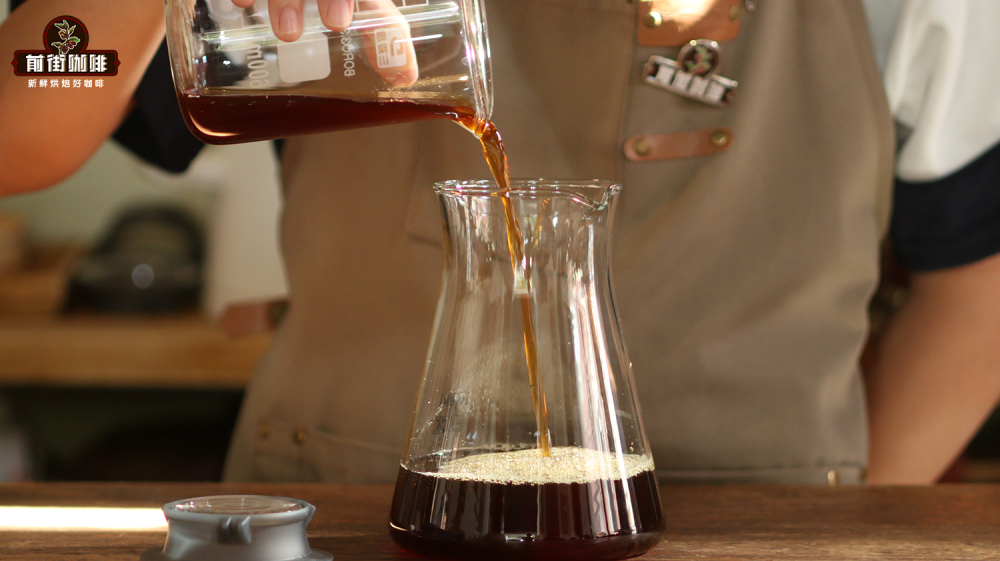
For more specialty coffee knowledge, please follow: Front Street Coffee (Frontsteet Coffee). Cold brew coffee is simple to make, refreshing in taste, low in acidity and rich in flavor, making it very suitable for drinking in the hot summer. Therefore, many people want to make it at home themselves, and so they ask Front Street Coffee for tips on how to extract it and what to pay attention to. [more…]