







How Do You Brew French Coffee Without a Scale or Thermometer?
A French press can still make good coffee without a digital scale or thermometer. Use the cup markings on the carafe to set the ratio: 1CUP equals 200ml, 2CUP is 400ml. Estimate grounds with a measuring spoon, about 12g per level spoonful. Control water temperature by boiling and letting it sit, then follow a fixed steeping time before pressing.
Water temperature, ratio, time and plunger technique all matter, even under limited conditions. Pour-over gear without a gooseneck kettle or precise grinder rarely reaches shop-level results, so the French press is the practical option. A coffee enthusiast who keeps the method consistent gets repeatable taste and the full body and mouthfeel the press is known for.
Even without professional equipment like a digital scale or thermometer, a French press can still brew good coffee. This article shares Front Street Coffee's practical tips for using a French press in a crude environment: how to solve the ratio problem using the markings on the carafe, how to estimate coffee grounds weight using the coin displacement method, how to control water temperature by boiling and letting it sit, as well as specific steeping times and plunger operations. It also analyzes the taste and mouthfeel characteristics of French press coffee, helping coffee enthusiasts achieve consistent results even under limited conditions.
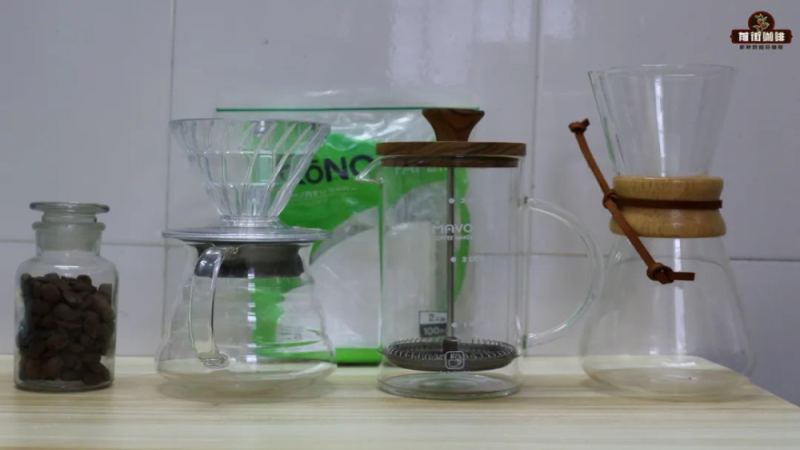
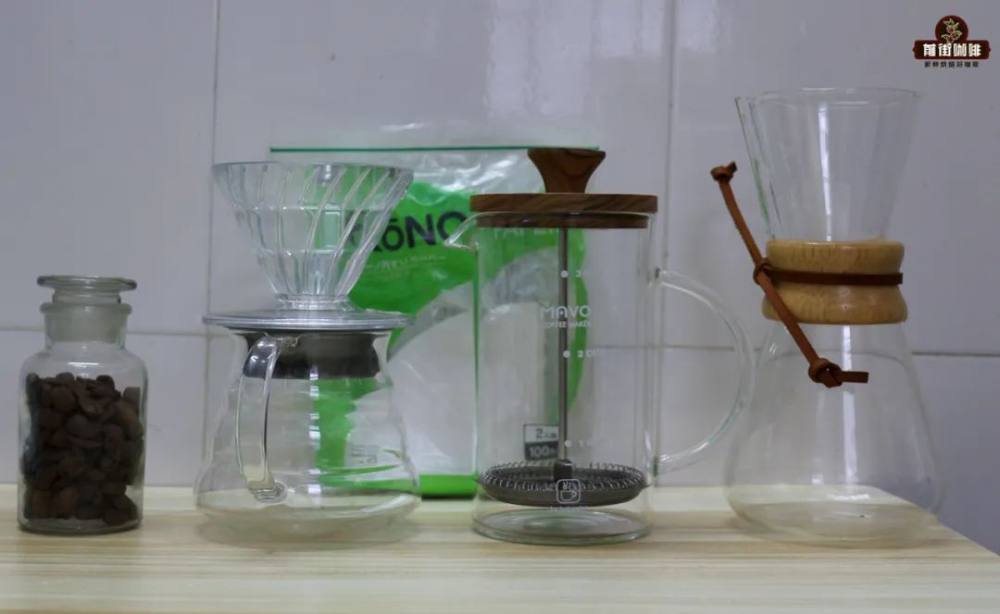
"A Chemex, without matching filter paper; a V60, filter paper is available, but there's no gooseneck kettle, digital scale, or thermometer at all...; a French press, which looks like it can still be used."
In the past, at the shop, professional coffee equipment was readily available, and Front Street rarely had the opportunity to discuss how to make coffee under limited conditions. This time, it's a good opportunity to talk about Front Street's solutions.
Among these three pieces of equipment on hand, the "vase" without its dedicated filter paper can really only be used as a vase; the remaining filter paper and dripper can barely be used for pour-over, but without a gooseneck kettle for stable pouring, and with the grinder's grind quality being a notch lower, it's quite difficult to achieve even 70% of the shop's level.
After all considerations, only the French press can still be deployed. Front Street has said before that the French press is the kind of equipment that can simply and directly brew delicious coffee. However, water temperature, ratio, time, and some operational details cannot be careless at all.
Without a digital scale or thermometer, the ratio and water temperature are indeed tricky. But difficult doesn't mean impossible.
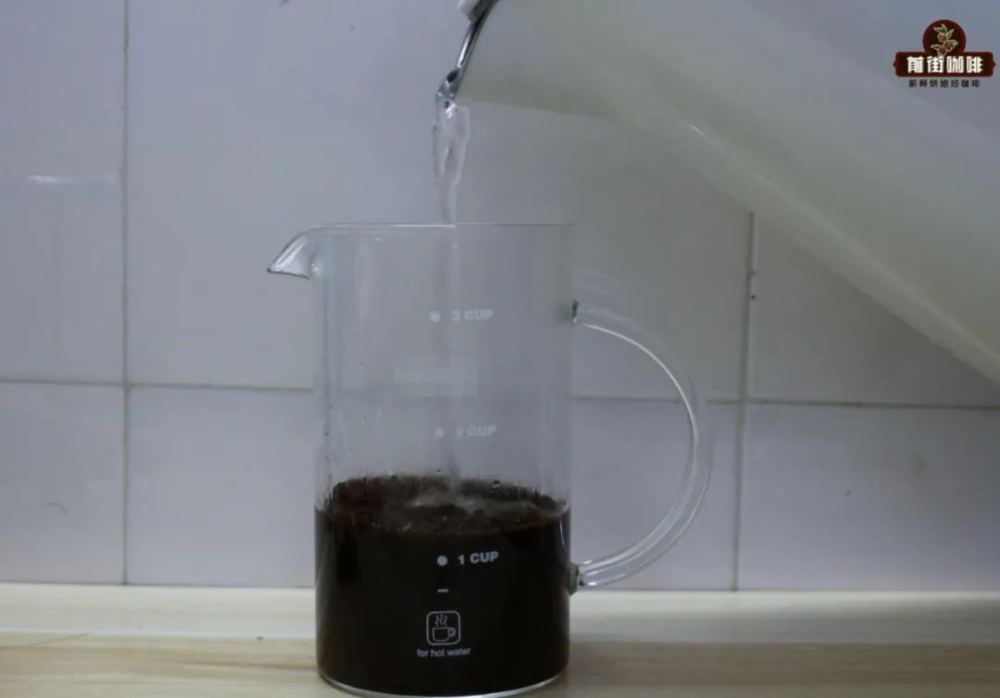
The French press has a convenient feature—the carafe has markings on it. For example, this French press from Front Street is marked with "1CUP, 2CUP, 3CUP." Checking the manual, 1CUP equals 200ml, 2CUP is 400ml... This solves half of the ratio problem.
The other half is how to measure the beans. Without a digital scale, you can use something else instead, like a measuring spoon—usually included when buying a V60 dripper, one level spoonful of coffee grounds is about 12g.
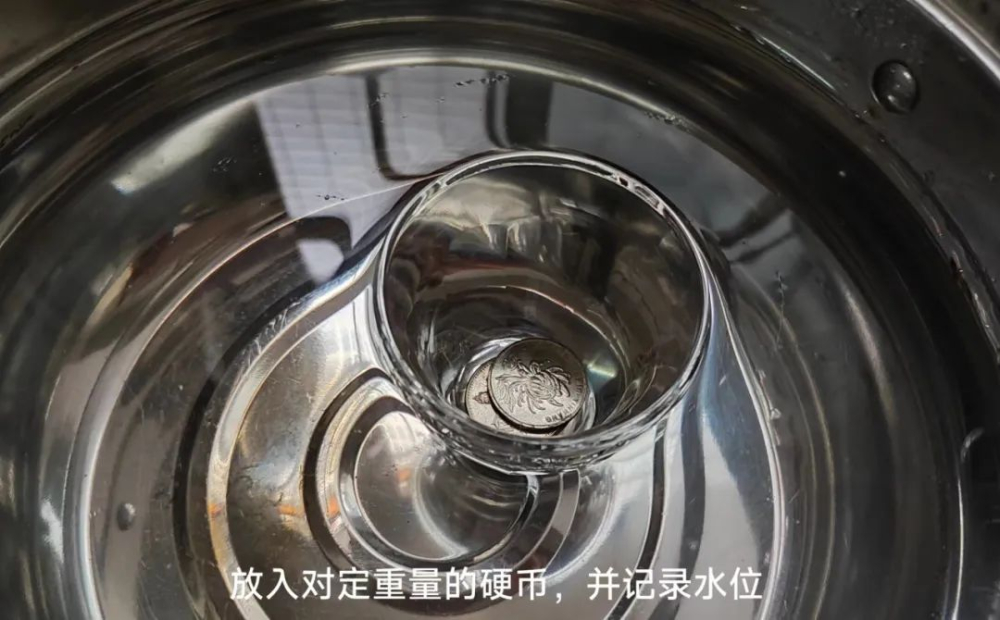
What if you don't even have a measuring spoon? Front Street has another method, inspired by the second-grade Chinese textbook story "Cao Chong Weighs the Elephant." Cao Chong used the displacement method to weigh the elephant; we just need to reverse the operation: use an object of known weight to displace a fixed amount of water, then put coffee beans in to displace the same volume of water, and you can get a fixed weight of coffee beans. Here's a little extra knowledge: a Chinese one-yuan coin weighs about 6g, a five-jiao coin about 3.8g, and a one-jiao coin about 3.2g. Based on this, you can combine common ground coffee weights like 12g, 15.2g, 18g, 20g, 22.2g. The ratio problem is then easily solved.
Next is water temperature. Since precise temperature control isn't possible, make other parameters as rigorous as possible in exchange for a wider water temperature compatibility range. Earlier this year, Front Street wrote an article about water temperature, which included an experiment: steeping coffee in a cupping style with water at 100°C, 94°C, and 80°C respectively. The result was that the 100°C cup only developed unpleasant bitter and miscellaneous flavors by the 20th minute; the 94°C cup showed slight miscellaneous notes only at the 30th minute; the 80°C cup required over 10 minutes of steeping to have clearer flavors, but the taste was balanced yet bland.
In other words, using cupping parameters can maximize compatibility with a wide range of water temperatures. So Front Street chose a coffee-to-water ratio of 1:18, with 2CUP (400ml) of water, calculating the coffee grounds to be exactly 22.2g. The grinder used is an 800-yuan hand grinder, which is passable, but compared to an EK, the grind quality gap is obvious, so the grind size is slightly coarser to avoid the risks posed by fines.
Regarding water temperature, Front Street's approach is to boil water, then open the kettle lid and let it sit for one minute before pouring; if you can measure temperature, it's best at 93-94°C.
Once the theoretical parameters are ready, the actual operation is very simple: pour the ground coffee into the carafe, then add hot water up to the marking line.
Then wait 4 minutes, use a spoon to gently stir the coffee grounds on the surface, similar to "breaking the crust" in cupping. At the 5th minute, slowly press down the plunger, not all the way to the bottom, but about halfway slightly below the coffee liquid level. Finally, pour out the coffee, and it's done.
This time, the only coffee equipment used was a French press and a hand grinder. Perhaps everyone faces different crude environments, but as long as you think creatively, you can always find a way.
The above content is compiled by CoffeeHunters, a coffee news website.


