







How do you brew pour-over coffee at home?
Pour-over brewing means manually extracting coffee by pouring hot water over ground beans in a dripper lined with filter paper. Grind size, water temperature, coffee-to-water ratio, and pouring rhythm each change what ends up in the cup. A steady pour and consistent timing matter more than fancy equipment for repeatable results.
For a single-origin bean such as an Ethiopian Yirgacheffe, adjustments to grind, temperature, and extraction time control how much flavor material dissolves. The classic three-pour technique and a short list of basic gear, including a scale and gooseneck kettle, let home brewers reproduce a good cup rather than guessing each morning.
To brew a full-flavored single-origin coffee at home, having good coffee beans alone is not enough. From grind size, water temperature, coffee-to-water ratio, to pouring rhythm, every step directly affects the final taste in the cup. In this article, Front Street Coffee systematically sorts out the core knowledge of pour-over coffee, including the flavor characteristics of coffee beans from different origins, the impact of various brewing parameters on extraction results, and the detailed operating steps of the three-pour technique. It also reviews the seven types of equipment needed for pour-over, and using the Ethiopian Yirgacheffe Gutingding coffee beans as an example, shares complete brewing data and flavor performance, helping coffee lovers consistently reproduce a good cup of coffee at home.
As the specialty coffee wave sweeps in, more and more enthusiasts are starting to explore the ins and outs of brewing single-origin coffee at home, but when they actually get hands-on, it always feels like something is missing—the taste they brew seems no match for that cup in the café. Where exactly is the problem? In this article, Front Street Coffee will systematically sort out the basic theory of pour-over coffee, the required equipment, and specific brewing parameters and operating techniques for all coffee fans.
What is pour-over coffee?
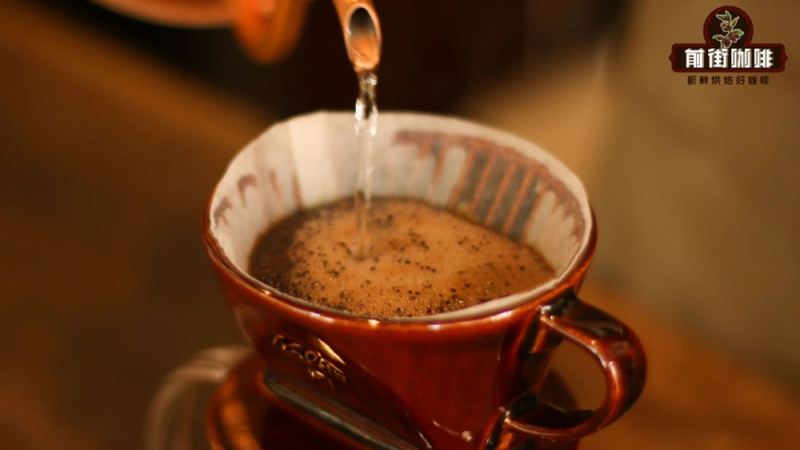
Literally speaking, pour-over coffee means manually extracting coffee. To elaborate, it refers to the process of placing an appropriate amount of ground coffee into a dripper with a filter paper under atmospheric pressure, and the brewer pours hot water at an appropriate temperature and volume in a steady stream, dissolving the soluble substances in the coffee grounds.
When extracting coffee beans from different origins, Front Street Coffee adjusts the grind size, water temperature, pouring technique, and extraction time accordingly, because these variables directly relate to the degree of flavor substance release. From this, it can be seen that pour-over is by no means as casual as it looks; it is a brewing method that demands both skill and professional knowledge.
What are single-origin coffee beans?
The target of pour-over is precisely single-origin coffee. Single-origin coffee emphasizes coffee beans from a single origin and is traceable—from country to region, to the specific estate and its characteristics, all can be traced. Front Street Coffee provides a relatively detailed origin introduction when bringing in each bean, and this is exactly what makes single-origin coffee so fascinating.
Global specialty coffee origins span three continents: Asia, Africa, and Latin America. Each continent has different altitude and climate conditions, thus shaping completely different coffee flavor directions. However, generally speaking, the flavor differences among origins within the same continent are not too drastic, so from a macro perspective, coffee flavors can be categorized into three major types.
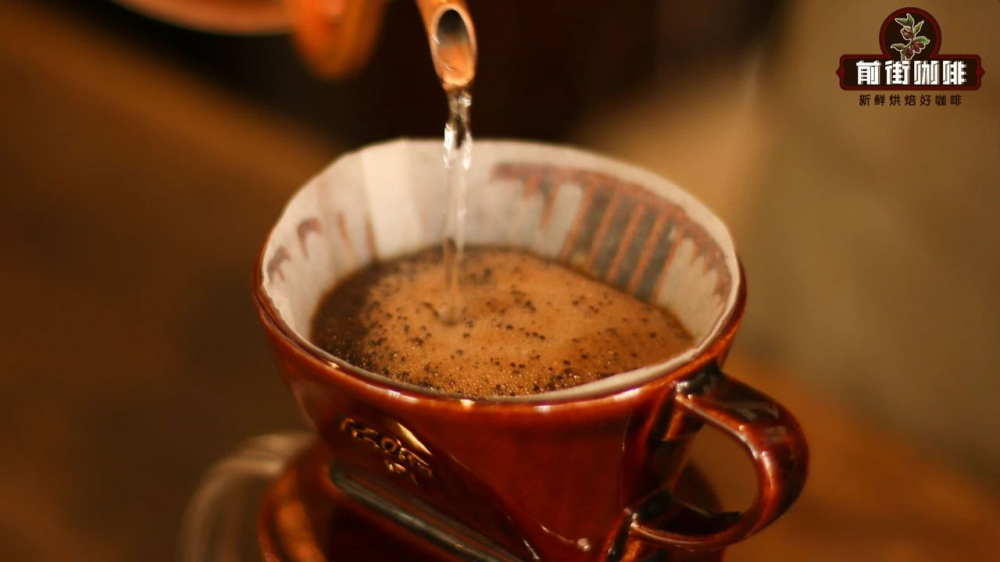
The Asian origin is represented by Mandheling, with flavors leaning toward spice and herbal notes and a thick, full body; African coffee displays bright citrus, lemon acidity, or cherry tomato-like acidity, with a refreshing and clear mouthfeel; Latin American coffee falls right between the previous two, with balanced acidity and bitterness, often accompanied by nutty and cocoa notes. This difference is closely related to the range of climate and altitude within each origin.
To reproduce the original flavor profile of each bean through pour-over, some detailed elements absolutely cannot be ignored. As Front Street Coffee mentioned earlier, grind size, water temperature, pouring method, brewing time, and the equipment used all affect the final cup performance. If the coffee you brew at home does not match the bean's original flavor description, it is most likely that some brewing parameter has gone off. Next, Front Street Coffee will analyze the specific impact of each parameter on flavor one by one.
The impact of different pour-over parameters on coffee flavor
Front Street Coffee believes that brewing a good pot of coffee requires approaching it from four dimensions: grind size, water temperature, coffee-to-water ratio, and brewing technique.
1. Grind size
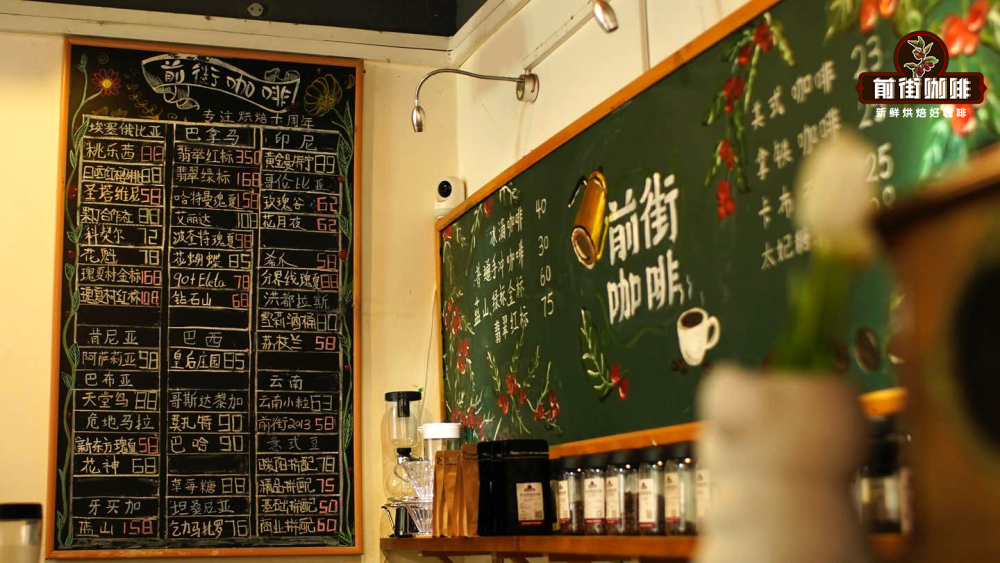
This is the step where many people most easily run into problems during brewing. Even if the merchant provides a reference grind size, the actual performance of each grinder is different—burr wear level, fines ratio, and particle uniformity all vary. Even for the same model of grinder, the grinding effect will shift due to different years of use, not to mention that you and the merchant are not even using the same machine.
The way to solve this problem is to establish a unified standard. Front Street's approach is to use the national standard No. 20 sieve (850-micron aperture) for sieving calibration. According to SCAA cupping standards, the cupping grind size requires a No. 20 sieve pass-through rate of 70% to 75%. When brewing light-roast pour-over coffee, Front Street Coffee typically controls the grind size within a pass-through rate range of 75% to 80%.
2. Water temperature
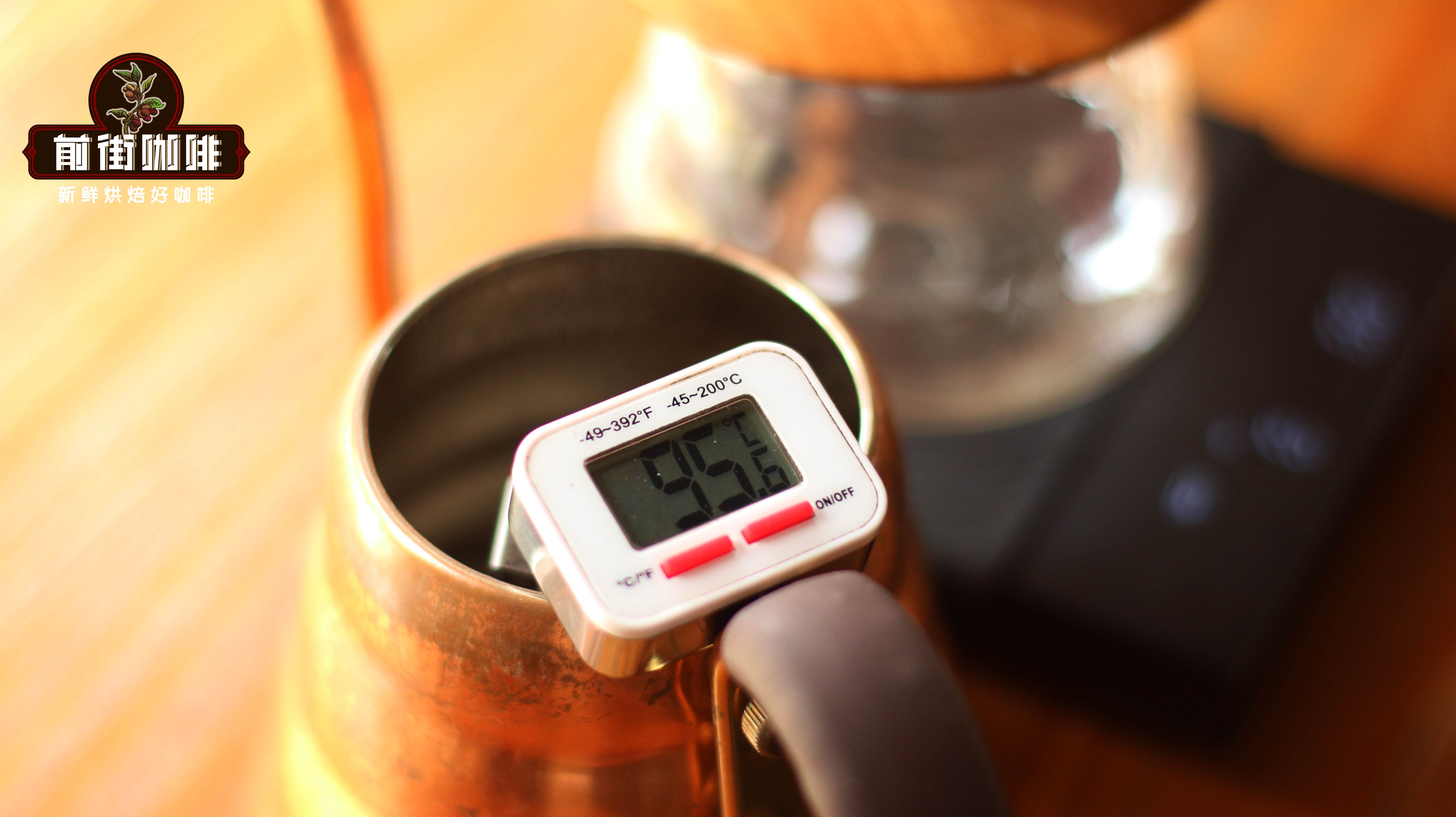
Pour-over water temperature is generally recommended to be controlled between 86 and 93 degrees Celsius. For lighter-roasted beans, such as Front Street Coffee's Ethiopian Yirgacheffe Gutingding, a water temperature of 90 to 91 degrees Celsius is suitable; while for darker-roasted beans, such as Front Street PWN Golden Mandheling, a relatively lower water temperature should be used, around 88 to 89 degrees Celsius. In other words, for dark-roasted beans, the lower limit of water temperature is no less than 86 degrees Celsius and the upper limit is no more than 89 degrees Celsius; for light-roasted beans, the lower limit of water temperature is no less than 90 degrees Celsius and the upper limit is no more than 93 degrees Celsius.
3. Coffee-to-water ratio
The coffee-to-water ratio is the proportional relationship between coffee grounds and brewing water, determining the strength direction of the coffee. Common ratios include 1:10, 1:13, 1:15, 1:16, etc. Front Street Coffee recommends a 1:15 coffee-to-water ratio, which is relatively balanced in both strength and mouthfeel. Of course, everyone has different preferences for coffee taste, so during actual extraction, you can flexibly adjust according to your desired strength level.
Based on the SCA Golden Cup extraction theory, Front Street Coffee has compiled the taste ranges corresponding to different coffee-to-water ratios for pour-over coffee:
[Bold taste] 1:10–1:11, i.e., 1:12.5–1:13.5 under the Golden Cup standard
[Moderate taste] 1:12–1:13, i.e., 1:14.5–1:15.5 under the Golden Cup standard
[Light and refreshing] 1:14–1:16, i.e., 1:16.5–1:18.5 under the Golden Cup standard
This also explains why Front Street always recommends the 1:15 coffee-to-water ratio. Combining SCA extraction parameters, the following patterns can be derived:
(1) The larger the coffee-to-water ratio value, the weaker the coffee; the smaller the value, the stronger the coffee.
(2) Increasing the amount of poured water to widen the coffee-to-water ratio means more substances participate in extraction but the taste is lighter; reducing the amount of poured water to narrow the coffee-to-water ratio means fewer substances are extracted but the strength is higher.
(3) Increasing the coffee dose to narrow the coffee-to-water ratio can reduce the release of large-molecule substances in the tail section while increasing strength; reducing the coffee dose to widen the coffee-to-water ratio, before reaching the limit, allows for more complete flavor extraction, but the richness decreases accordingly.
4. Brewing technique
There are many pouring methods, commonly including the three-pour method, one-cut flow, and drip method, etc. Front Street Coffee suggests that beginners start with the three-pour method, because this method is suitable for light-roast, medium-light roast, and medium-roast beans. The advantage of staged extraction is that it can clearly present the flavor layers of the coffee's front, middle, and tail sections, helping to ensure the stability of overall performance.
Three-pour brewing technique for pour-over coffee:
First pour: Bloom (to help degas)
Green coffee beans undergo a series of chemical reactions and physical changes during roasting into roasted beans. When roasting reaches a certain degree, a large amount of gas accumulates inside the bean body, primarily carbon dioxide.
Generally speaking, the fresher the beans and the closer to the roast date, the more vigorous the bubbling during blooming. Dark-roasted beans also release more gas during the blooming stage than light-roasted beans. Front Street Coffee's coffee beans are all freshly roasted, so it is generally recommended that customers rest the beans for three days first, allowing carbon dioxide to be released in advance, so that instability and under-extraction problems can be avoided during brewing.
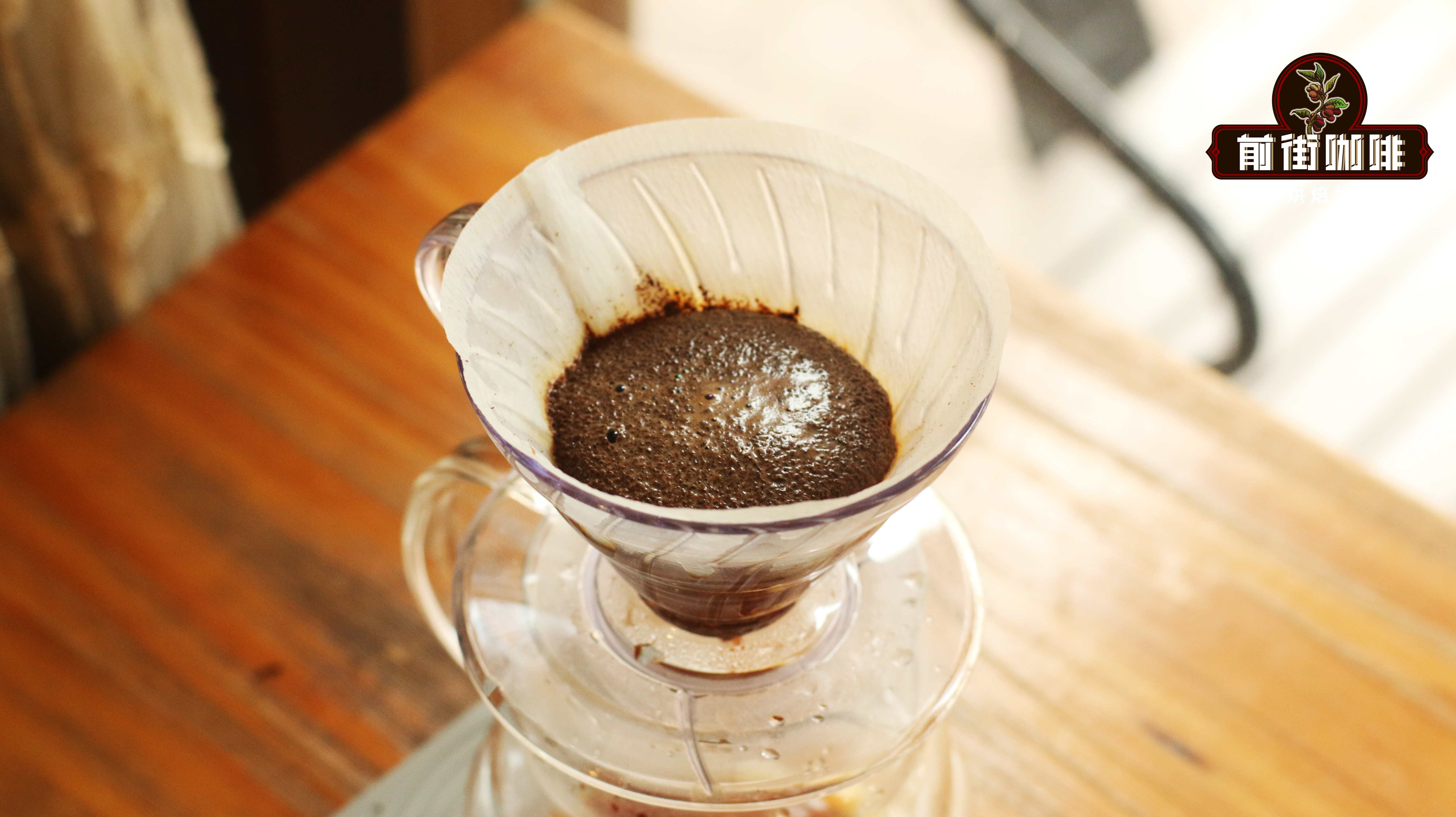
After the gas is released during blooming, the coffee particles can evenly absorb water, laying the foundation for subsequent uniform extraction. A proper bloom can both prompt the coffee grounds to degas quickly and thoroughly, and allow the coffee bed to fully contact water, helping extraction become more uniform.
Second pour
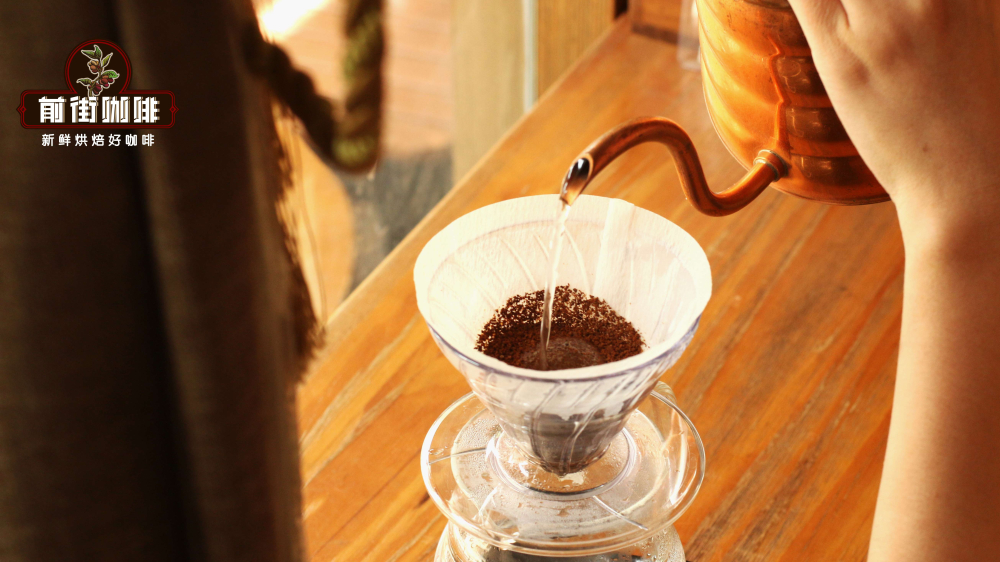
The second pour starts from the center, with a thin stream of water poured into the bottom of the coffee bed. To keep the water column's penetration force concentrated, the circling range should be controlled smaller, about the size of a one-yuan coin, then gradually expand outward. From the second pour onward, pay attention to the water volume, and try not to let the water level exceed the height of the coffee bed—that is, when the water column circles close to the edge of the filter paper, pouring should stop.
Third pour
As the thicker coffee bed at the edge of the filter paper absorbs water and becomes heavier, it slides down and gradually thins as the water level drops. When the water level drops to about half, the third pour can begin.
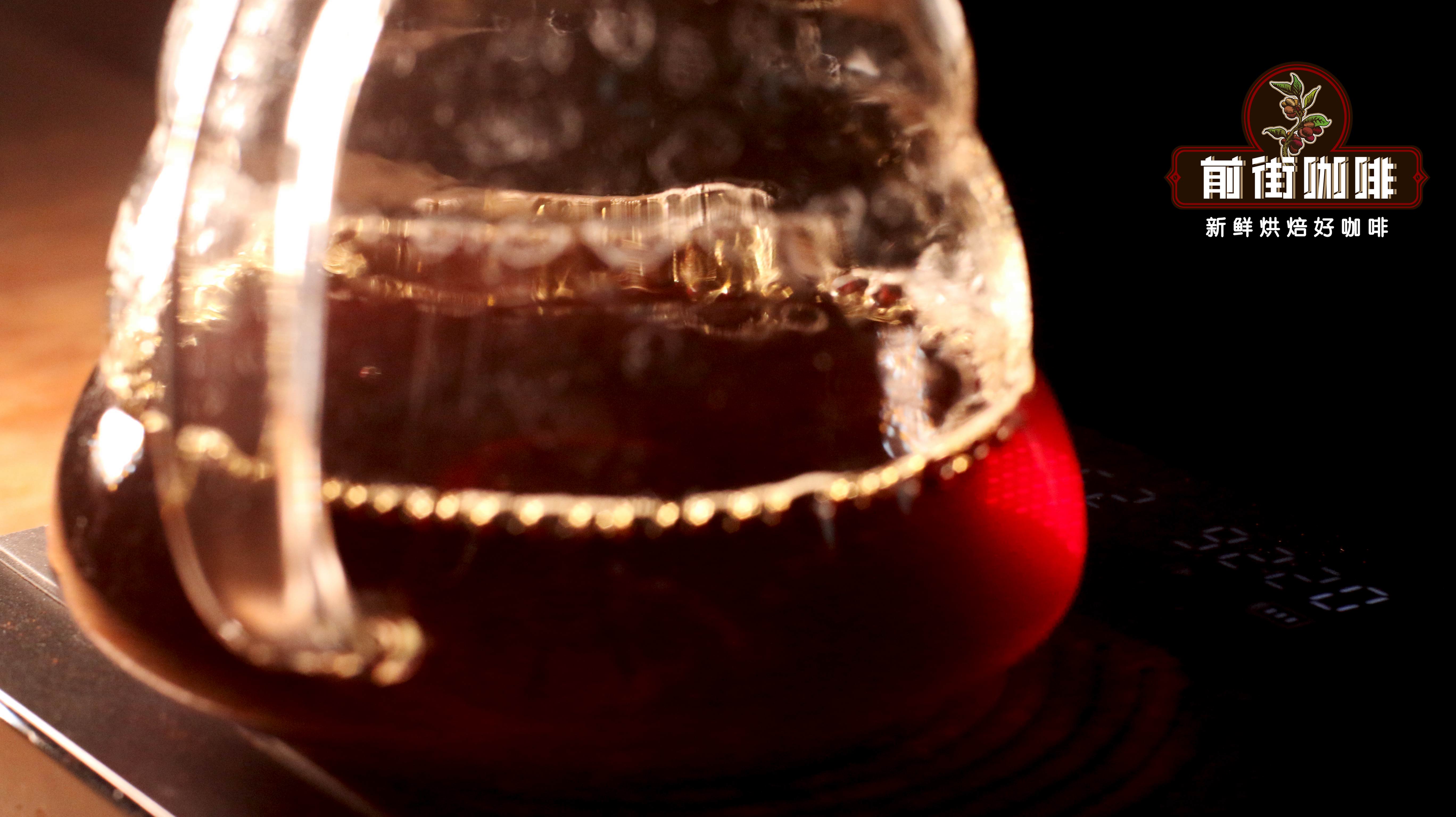
From the third pour onward, it is necessary to closely monitor the speed at which the water level drops. Similarly, pour in circles from the center outward, and still do not let the water volume exceed the height of the coffee bed. At this point, it can be observed that foam has covered the entire surface. The third pour should increase the tumbling force of the coffee particles, making all the particles deposited at the bottom turn over, thereby dissolving more soluble substances.
The tumbling particles gradually come to rest after water addition stops, and at this point, the flow rate caused by the dropping water level creates friction between coffee particles. Therefore, once pouring stops, the coffee grounds will sink, causing clogging, making the pouring rhythm especially important. If there are too many pouring interruptions, it is equivalent to letting the coffee grounds soak in water for a long time, and the tail-section extraction is prone to astringency and off-flavors.
What situations can cause the brewed coffee to have an astringent taste?
Setting aside the impact of defective beans on quality, Front Street Coffee also encountered sourness and bitterness when first getting into pour-over single-origin coffee. The main reasons are roughly as follows:
1. Water temperature too high (or a heat source continuously heating the water);
2. Water temperature too low (or hot water cooling too quickly);
3. Water flow too full (or too fast);
4. Coffee grounds ground too fine (or the proportion of superfine powder too high);
5. Coffee grounds ground too coarse.
These factors either lead to a higher extraction rate, dissolving too many substances—among which there are both good flavors and bad flavors, usually manifesting as bitterness; or lead to a lower extraction rate, insufficient release of flavor substances causing imbalance, with astringency amplified and highlighted, usually manifesting as sourness and astringency, which is the uncomfortable sourness that beginners easily encounter.
The above is the pour-over coffee tips and brewing techniques compiled by Front Street Coffee. Next, let us introduce the equipment needed for pour-over coffee.
Pour-over coffee equipment
1. Pour-over kettle:
Pour-over kettles on the market vary in size and material, and can be chosen according to need. The factor with the greatest impact on brewing results is the spout size, because it directly relates to the control of water output. Beginners are advised to choose a narrow-spout kettle, which is easier to handle. In addition, different pour-over kettles are suitable for different heating methods (induction cooker or gas stove), so pay attention when purchasing.
2. Dripper:
Drippers also come in many size and material options, with shapes mainly divided into three types: fan-shaped, conical, and wave-shaped. The size of the drip hole at the bottom of the dripper affects the flow rate of the coffee liquid, which in turn affects the flavor direction. Fan-shaped drippers have small holes and slow flow, producing a fuller-bodied taste; conical drippers have large holes and fast flow, producing a lighter taste; wave-shaped drippers have a flat bottom and, combined with special wave filter paper, extract coffee with the most uniform taste. What is more special is the metal mesh dripper, which requires no filter paper and can retain more coffee oils, giving a richer taste, but some finer coffee grounds may not be intercepted.
3. Filter paper:
Filter paper comes in bleached and unbleached types. Bleached filter paper looks whiter, while unbleached filter paper is closer to light brown. The function of filter paper is to use dense fibers to intercept ground coffee, allowing the extracted coffee liquid to filter into the cup. When purchasing filter paper, match it according to the model of your dripper.
4. Coffee grinder:
A good cup of pour-over coffee is inseparable from a good grinder. There are three common types of grinders on the market:
(1) Ghost tooth grinder
(2) Flat burr grinder
(3) Conical burr grinder
5. Thermometer:
A thermometer is used to measure brewing water temperature. Common ones on the market include the Tiamo thermometer, Hero thermometer, Cafede Kona thermometer, etc.
6. Electronic scale:
An electronic scale helps us control the coffee-to-water ratio more precisely, reducing unstable factors and providing ample room for error tolerance. Prices range from a few dozen yuan to several hundred yuan, with common brands including Yami electronic scale, Hero smart scale, and Timemore electronic scale.
7. Sieve:
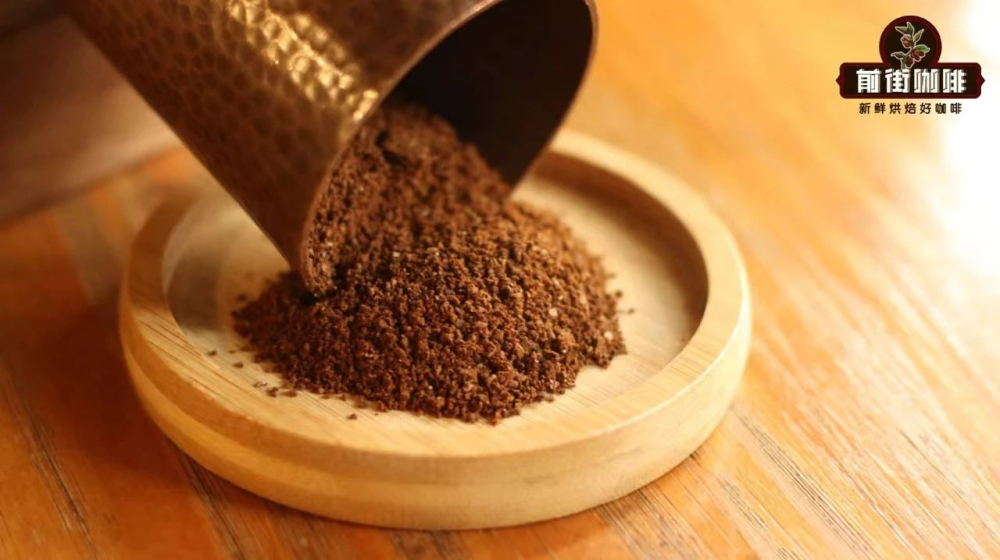
Mainly used to determine whether the grind size is appropriate. Each coffee bean's suitable grind size for pour-over is different. After repeated testing, Front Street Coffee has determined 80% pass-through of the Chinese standard No. 20 sieve as the grind size baseline for pour-over.
The above is the pour-over coffee-related knowledge compiled by Front Street Coffee, and we hope it can be helpful to coffee fans who want to learn about this area. Next, Front Street Coffee will use a coffee bean from Ethiopian Yirgacheffe as an example to share specific brewing parameters and techniques.
Front Street Yirgacheffe Gutingding coffee beans
Country: Ethiopia
Region: Yirgacheffe
Altitude: 1900-2300m
Variety: Local heirloom
Processing method: Washed
Flavor: Tropical fruit, cream, honey, berries, citrus
Front Street Coffee brewing data sharing
Dripper: V60 #01
Water temperature: 90-91 degrees
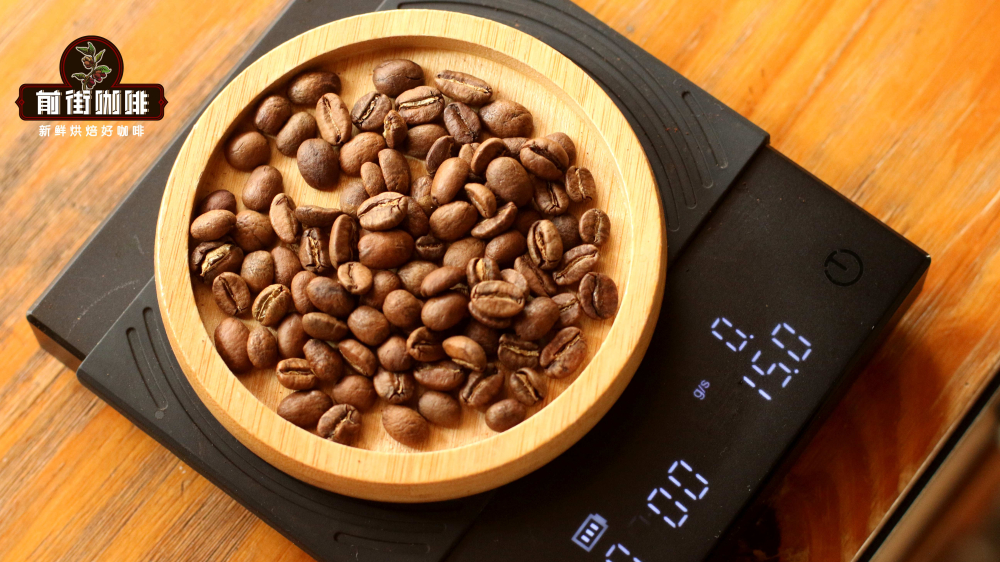
Coffee dose: 15g
Coffee-to-water ratio: 1:15
Grind size: Medium-fine grind (80% pass-through of No. 20 sieve)
Brewing technique: Three-pour extraction
First pour: 30 grams of water for a 30-second bloom, then pour 95 grams (electronic scale shows about 125 grams), finishing in about 1 minute. When the water level drops to 2/3 of the coffee bed, pour the remaining 100 grams (electronic scale shows about 225 grams), finishing in about 1 minute 35 seconds. Dripping is completed at 2 minutes 00 seconds to 2 minutes 10 seconds. Remove the dripper, and extraction is complete.
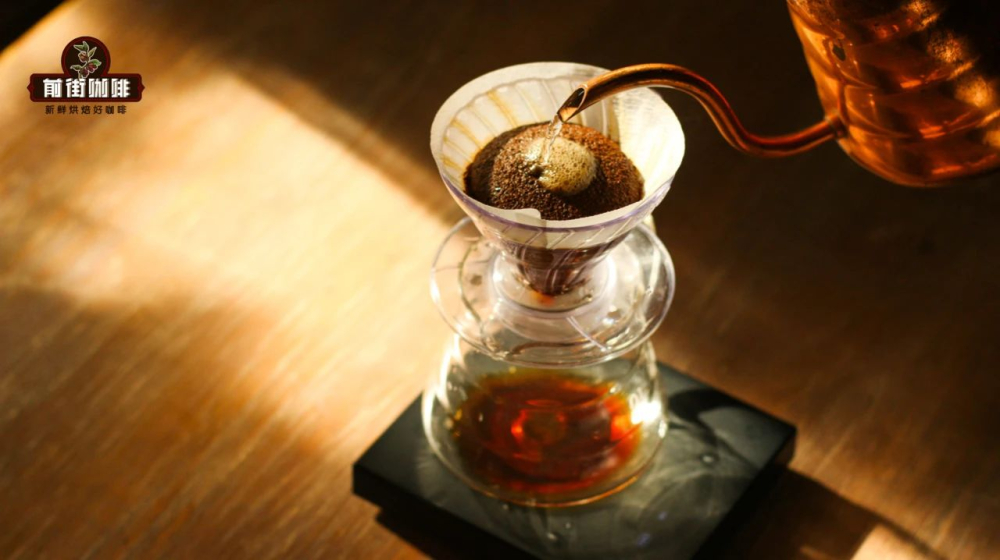
Washed Gutingding brewing flavor:
The entrance carries citrus and black tea notes. As the temperature changes, the aftertaste of cream, caramel, and almond gradually emerges, with a noticeable sweet aftertaste and a clean, sweet mouthfeel.
For more specialty coffee beans, please add the private WeChat of Front Street Coffee: kaixinguoguo0925
The above content is compiled by CoffeeHunters, a coffee news website.


