







Water temp for brewing coffee: how it fits with ratio, grind, and flow
A pour-over recipe gives numbers, not the reasoning behind them. Four variables drive the result: dose, coffee-to-water ratio, grind size, and water temp for brewing coffee. Front Street uses a 1:15 ratio and keeps water between 86 and 93 degrees Celsius. Dose mainly changes total water volume and extraction time rather than flavor, so set it from daily drinking amount.
The dripper sets limits on dose. In a V60 01 coffee v60 brewing cup, anything above 25 grams forces a change to the pouring scheme or water overflows, while too little coffee makes pouring difficult. Ratios are not fixed either: Japanese and Taiwanese styles often used 1:10 to 1:13 for a heavier mouthfeel, while the United States preferred 1:17 to 1:20 for a softer cup. Adjust pouring stages by extraction time.
Getting a coffee brewing recipe doesn't mean you can replicate the same flavor—just like following a recipe doesn't guarantee the same dish; heat control and details often determine success or failure. This article breaks down the role and adjustment logic of each parameter in pour-over coffee, from coffee dose, coffee-to-water ratio, grind size, and water temperature to pouring scheme. Front Street Coffee, drawing on practical experience, shares the commonly used 1:15 ratio, the 86-93°C water temperature range, and how to flexibly change the number of pouring stages based on extraction time, helping you quickly find a direction to respond when encountering extraction problems.
It's like getting a chef's recipe—you may not be able to reproduce the same result. Although the recipe lists precise numbers, you may not understand the reasoning behind them, and the many details in the cooking process are hard for a recipe to spell out one by one. It only presents the method under the most ideal conditions, but in actual practice there are many variables, and once you run into a situation you haven't encountered before, it's easy to feel at a loss.
What exactly does the coffee dose variable affect? Assuming all other conditions remain unchanged, simply increasing or decreasing the dose most directly changes the total pouring water volume accordingly, and indirectly changes the extraction duration. The dose actually doesn't have a huge influence on the final flavor, so you can completely decide how much coffee to use based on your daily coffee drinking amount.
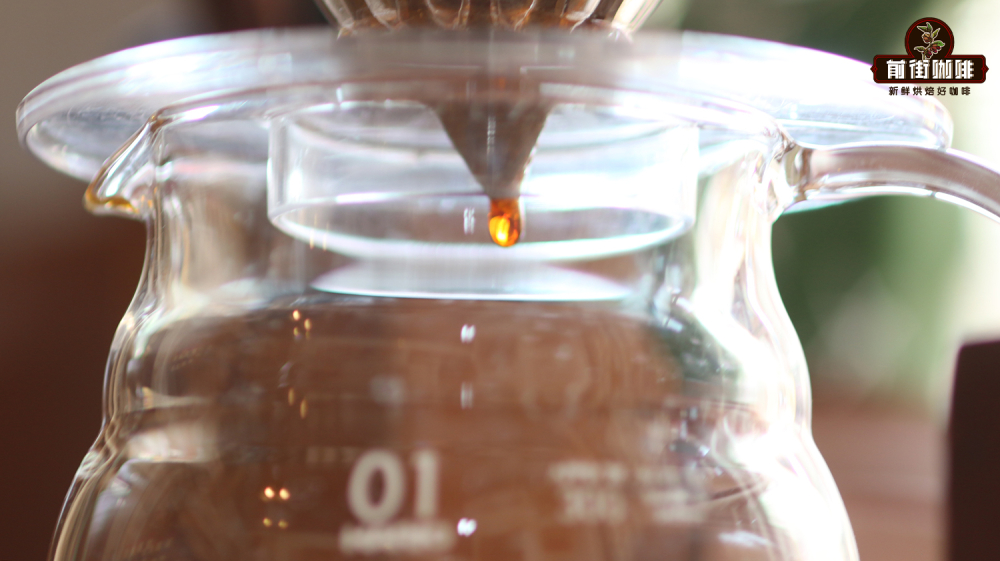
But one thing to note: the size of the dripper imposes limits on the dose. Take the V60 01 dripper for example—once the dose exceeds 25 grams, the pouring scheme must be changed accordingly, otherwise following the original scheme will cause water to overflow. Too little coffee is also not good, because then pouring becomes very difficult. For specifics, you can look back at articles previously published by Front Street.
1:15 is the coffee-to-water ratio Front Street often uses, but this is not the only answer. For example, during the period when Japanese and Taiwanese coffee was popular, larger ratios like 1:10 to 1:13 were more common, producing coffee with a heavier mouthfeel. In the same period, the United States preferred smaller ratios of 1:17 to 1:20, with a less intense flavor that drank soft and smooth. In today's pour-over coffee, the ratio mostly falls within the 1:15 to 1:16 range.
If you feel the coffee is a bit weak, the acidity isn't prominent, and it's overall fairly balanced, then it may be that too much water was added. Conversely, if the coffee is uncomfortably strong and the aftertaste is very short, then it's probably that too little water was poured.
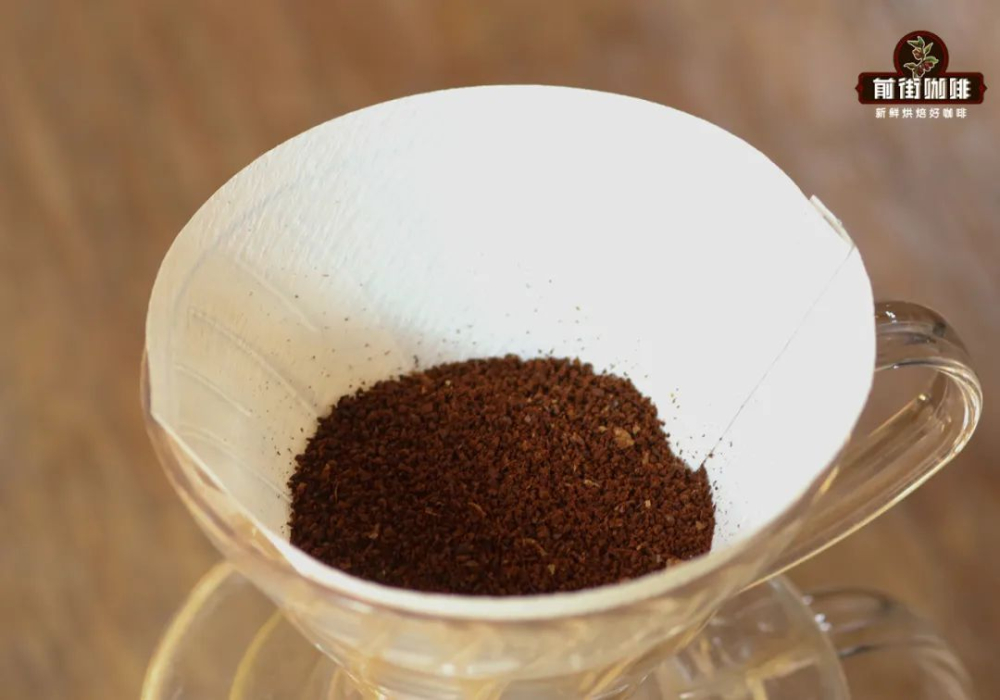
In immersion extraction, grind size is relatively easy to understand; first you look at the degree of grind uniformity. If the particle size distribution of the coffee grounds is fairly concentrated and the particle sizes are close, then the substances released at the same time will be largely consistent; if the particle size distribution is very scattered (that is, ground unevenly), at the same moment some particles release quickly and some release slowly, which easily leads to uneven extraction—this is a grind quality issue. Many friends encounter clogging when brewing coffee and think the grind setting was wrong, but in fact the root cause is poor grind quality; the solution is to use a sieve to remove the coarsest or finest grounds.
When it comes to drip coffee, there is an additional influence from extraction time. In drip coffee, extraction and filtration happen simultaneously. When the coffee particles are coarser, water easily passes through the gaps, so the extraction time is shorter; when the particles are finer, water passes through the coffee bed more slowly, so the extraction time is correspondingly longer.
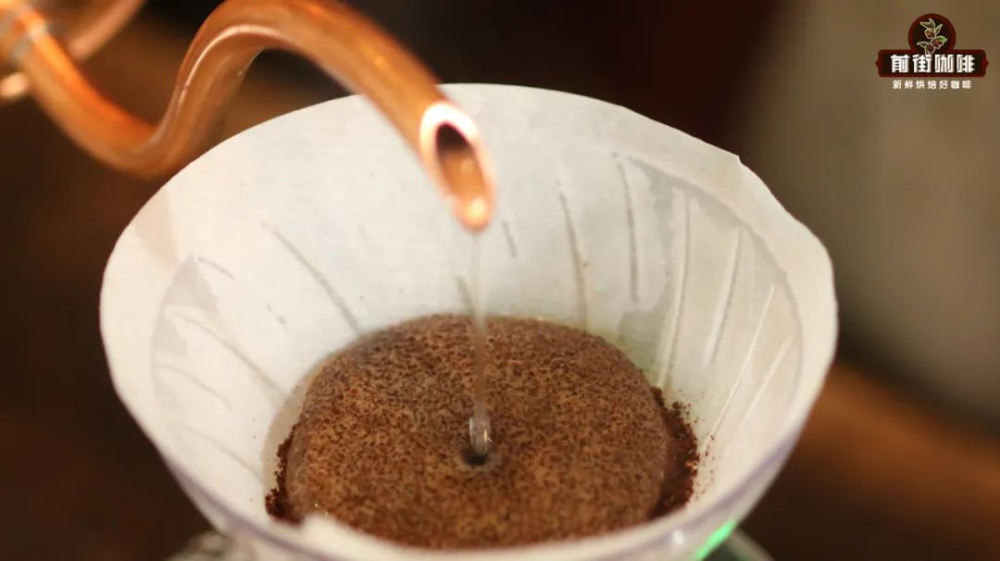
Therefore, changing this parameter will also affect the extraction duration. For example, if a certain coffee develops bitterness and off-flavors because extraction takes too long, you can adjust the grind coarser; if it tastes flat and dull because extraction is too fast, then adjust the grind finer. (For the time parameter, see below.)
Generally speaking, you wouldn't use 100°C water to brew coffee, because it very easily brings out burnt bitterness. At present, the relatively safe water temperature range is between 86 and 93°C, and the advantage of adjusting water temperature is that it won't affect other parameters. For example, if you feel the ratio, pouring scheme, and extraction time of a cup of coffee are all fine, but it still tastes like it's lacking something, then it's time to adjust the water temperature.
What Front Street understands as the pouring scheme is a parameter that requires adapting on the fly. How to allocate each pour and how many stages to divide the total into can all be flexibly adjusted during extraction according to the expected total extraction time. For example, if you plan to finish extraction in 2 minutes and originally intended to pour in 4 stages, but by the end of the second stage in actual operation you find that following the original plan will greatly exceed the time, then combine the last two stages into one and pour them together.
The above content is compiled by CoffeeHunters, a coffee news website.


