








What Water Temp for Brewing Coffee Makes Drip Bags Stronger?
Weak drip bag coffee is almost always a brewing problem rather than a coffee problem. Because the grounds come pre-ground, grind size is fixed, so the variables left to adjust are water temperature, the coffee-to-water ratio, and extraction time. Water that is too cool under-extracts the grounds and leaves the cup thin, which is why water temperature is the first thing to check.
A practical starting point is a 1:15 coffee-to-water ratio poured in four stages, which gives the grounds enough contact time to release more soluble flavor and body. If the cup still tastes weak after raising your coffee water temperature, poke a small hole in the center of the coffee bed, or pour the brewed coffee back in and steep it again.
Have you ever run into this problem too: the same pack of drip bag coffee smells amazing when someone else brews it, but tastes as bland as plain water when you make it yourself? The issue usually comes down to parameters and technique. Although drip bag coffee has a low barrier to entry, if you want to brew a rich, full-bodied cup, you have to nail down three core variables: water temperature, coffee-to-water ratio, and extraction time. This article rounds up three practical tips: the first is to adjust your brewing parameters to raise the extraction yield; the second is to poke a small hole in the center of the coffee bed to solve the uneven extraction caused by too thick a layer of grounds in the drip bag; the third is even more direct—pour the brewed coffee back in and steep it again to rescue an under-extracted cup. At the end, the article also includes a full brewing demonstration of Front Street Ethiopia Huakui drip bag, from a 1:15 coffee-to-water ratio to a four-pour method, walking you through step by step to brew a great cup with strawberry and citrus notes.
"How exactly can I make drip bag coffee taste stronger?" This is the question I get asked the most. Quite a few friends report that the coffee they brew either comes out thin as water or has a flavor that's barely there. So today Front Street is sharing three practical tips to help everyone brew drip bag coffee with the aroma and strength it deserves.
Tip One: Get Your Parameters Right
In most cases, when coffee tastes flavorless or weak, there are only two reasons: either you used too much water, or your extraction yield is too low. A low extraction yield means the flavor compounds in the coffee grounds haven't been fully dissolved out, and the cup lacks enough soluble material to support the taste, so it naturally tastes thin.
Fixing this isn't complicated—just start with your brewing parameters. The factors involved include water temperature, grind size, ratio, and extraction time.

But for drip bag coffee, since the grounds are already pre-ground, you don't need to worry about grind size as a variable. We only need to control three things: water temperature, ratio, and time.
Let's start with ratio. Ratio can be understood as coffee-to-water ratio, or as coffee-to-liquid ratio, depending on how you measure. Front Street prefers to use an electronic scale, so we go by coffee-to-water ratio—the weight ratio of coffee grounds to poured hot water. If you prefer to measure liquid weight by the markings on your cup, then use coffee-to-liquid ratio, which is the ratio of coffee grounds to the final brewed coffee.
The choice of ratio is actually quite flexible, and it works for both light-roast and dark-roast drip bags. If you want it stronger, use a 1:15 or 1:14 coffee-to-water ratio, which corresponds to a 1:13 or 1:12 coffee-to-liquid ratio; if you want a lighter taste, choose a 1:16 or 1:17 coffee-to-water ratio, or a 1:14 or 1:15 coffee-to-liquid ratio. Assuming extraction yield stays the same, the larger the ratio number, the stronger the coffee; the smaller the number, the weaker the taste.
Setting the water temperature is relatively simple. When brewing light-roast or medium-light-roast drip bags, Front Street recommends water at 90–93°C; if you're brewing dark-roast or medium-dark-roast drip bags, we suggest lowering the temperature to 86°C–89°C.
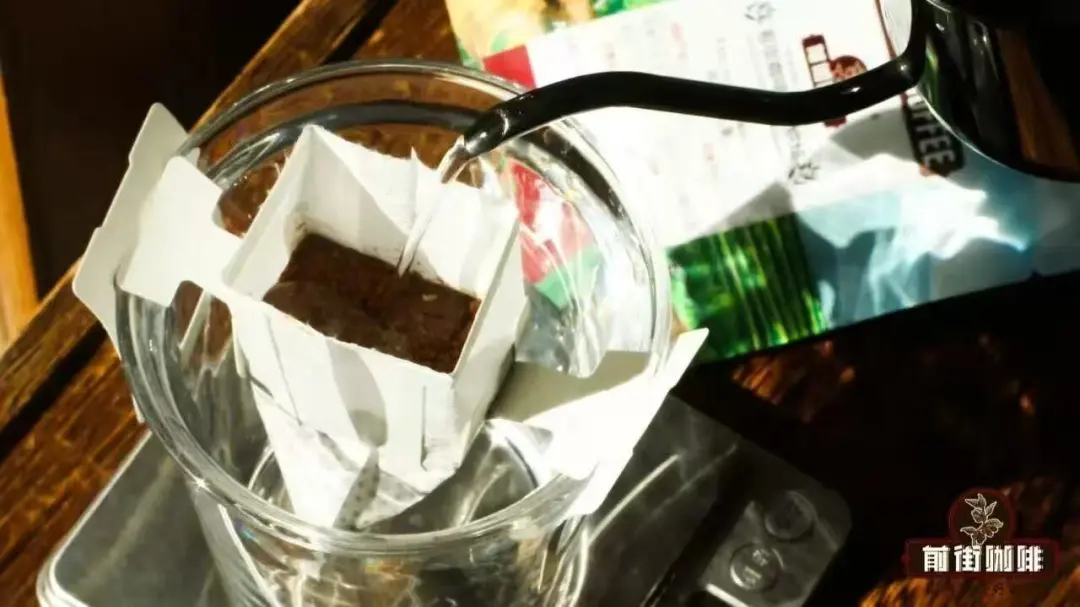
Time is a bit trickier. The root cause of many people's low extraction yield is that the extraction time is too short—the water and coffee grounds don't stay in contact long enough for the flavor compounds to dissolve. And the reason this happens is often that the pour is too fast, so the water passes through the coffee bed too quickly.
If you're not great at controlling your pour, Front Street suggests dividing the hot water into more pours. For example, if you originally pour in three stages, you can break it down further into four or five stages. More stages naturally lengthens the extraction time, and extraction efficiency goes up with it.
As long as all three parameters are dialed in, Front Street can guarantee that it's hard to brew a bad cup.
Tip Two: Poke a Small Hole in the Center of the Coffee Bed
Another method is to use a toothpick or other small, thin tool to poke a small hole in the center of the coffee bed before blooming. Front Street highly recommends this trick too.
The diameter of a drip bag is inherently narrow, so once the coffee grounds are packed in, they form a relatively thick bed. A bed that's too thick makes it hard for hot water to penetrate evenly, because hot water doesn't seep straight down—especially before the bed has been wetted, some of the coffee grounds at the bottom edges easily don't come into contact with water, resulting in uneven extraction.
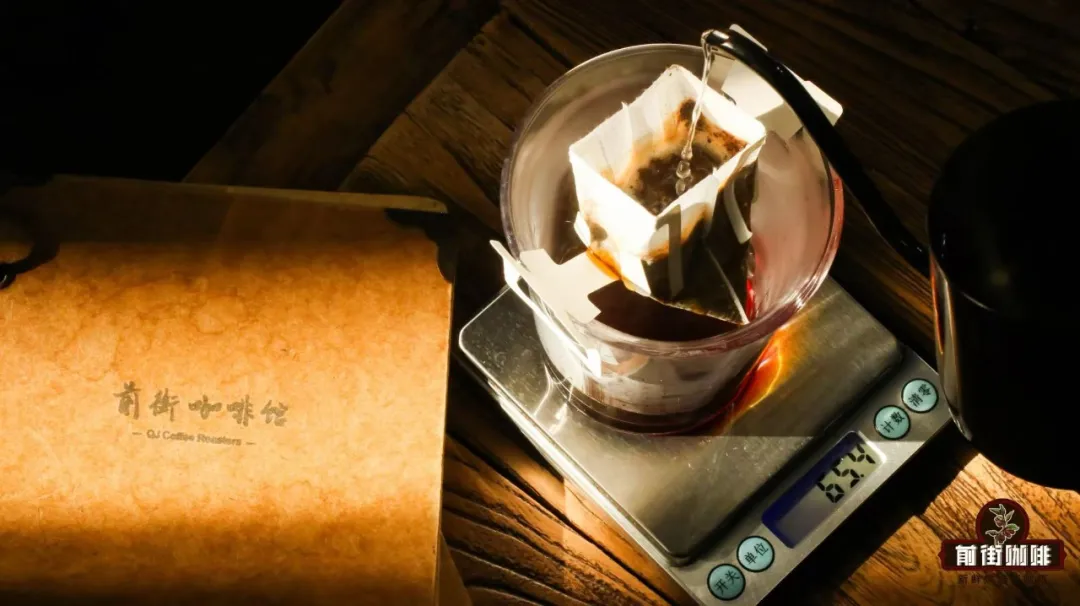
When this happens, Front Street suggests poking a hole before brewing. When pouring, aim the hot water at the hole first, then spiral outward to wet the rest of the coffee grounds. This way, the hot water can more easily reach the bottom and edges of the bed, extraction is more even, and the taste is naturally stronger.
Tip Three: Pour It Back and Extract Again
This operation does sound a bit outrageous, but I have to say, it really works.
The logic is simple: under-extracted coffee means there are still plenty of flavor compounds in the grounds that haven't been released. Pour the brewed coffee back in and steep it again, and these compounds will continue to dissolve, making the coffee instantly richer and sweeter.
Of course, don't worry about over-extraction. Because the coffee liquid you pour back already has some strength and its temperature has dropped, its extraction power won't be too strong—just enough to draw out the missing flavors.
Brewing Demonstration
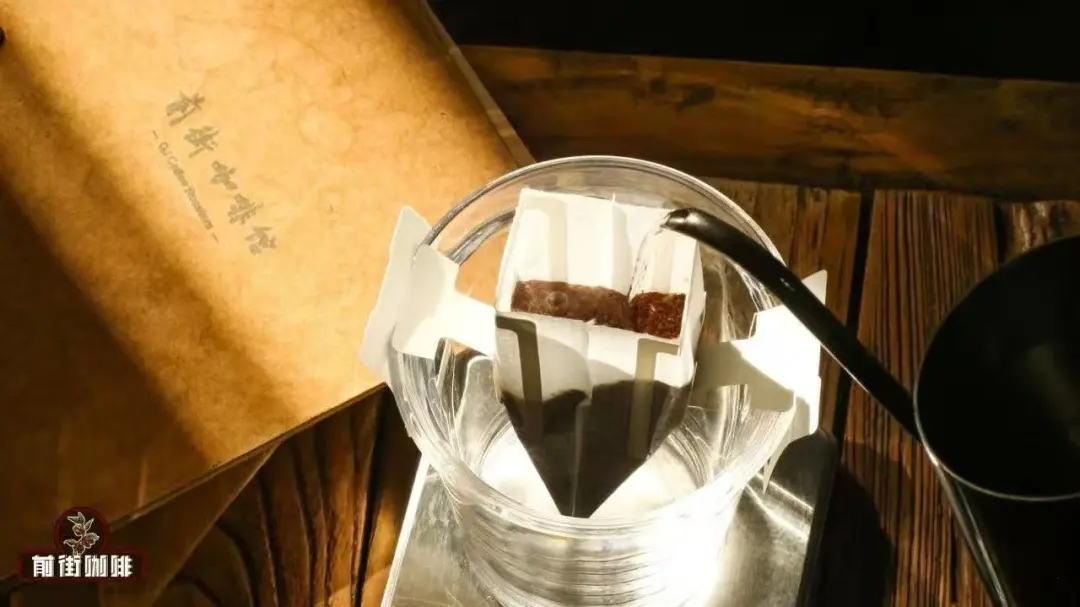
Next, Front Street will do a simple demonstration. The drip bag used this time is the Front Street Ethiopia Huakui drip bag from the Front Street Coffee Taobao Tmall flagship store. It's a medium-light roast, brewing a cup that's mainly sweet and tart, with flavors of strawberry, citrus, floral notes, and oolong tea, a light body, and a long finish. The extraction parameters are as follows:
Coffee-to-water ratio: 1:15 Brewing water temperature: 92°C Brewing method: four-pour Extraction time: 2 minutes
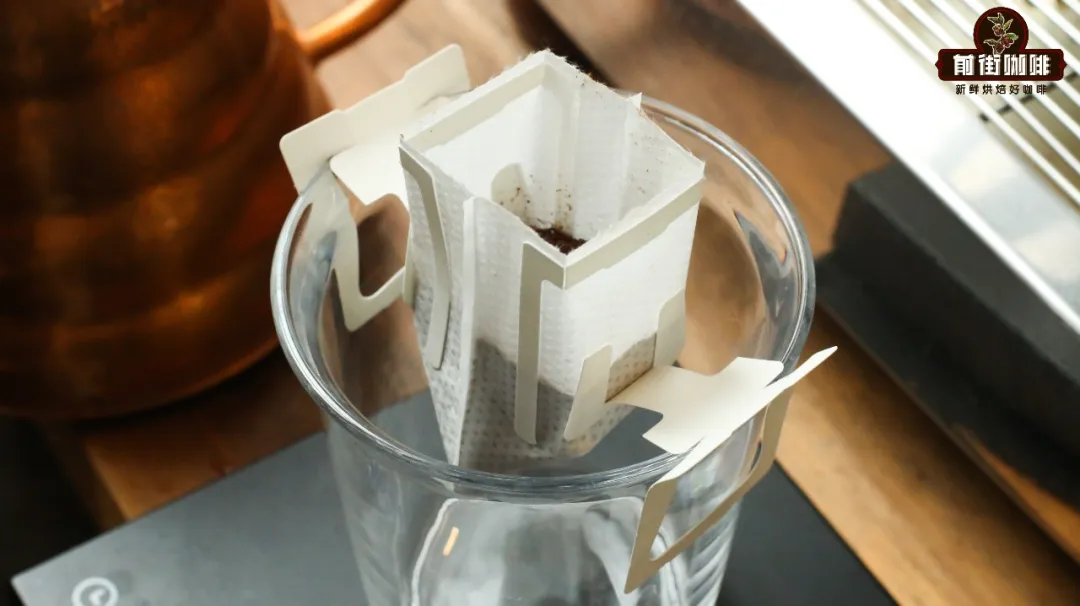
Each Front Street Coffee drip bag contains 10g of grounds, so this time we'll pour a total of 150ml of hot water. Before brewing, dig a small hole—you can make it a bit deeper—then pour the hot water from the center and spiral outward. The first step, as usual, is the bloom, lasting 30 seconds, pouring in water at twice the weight of the grounds, which is 20ml. A few extra milliliters is fine too; the key is to make sure all the coffee grounds are saturated and degas smoothly.
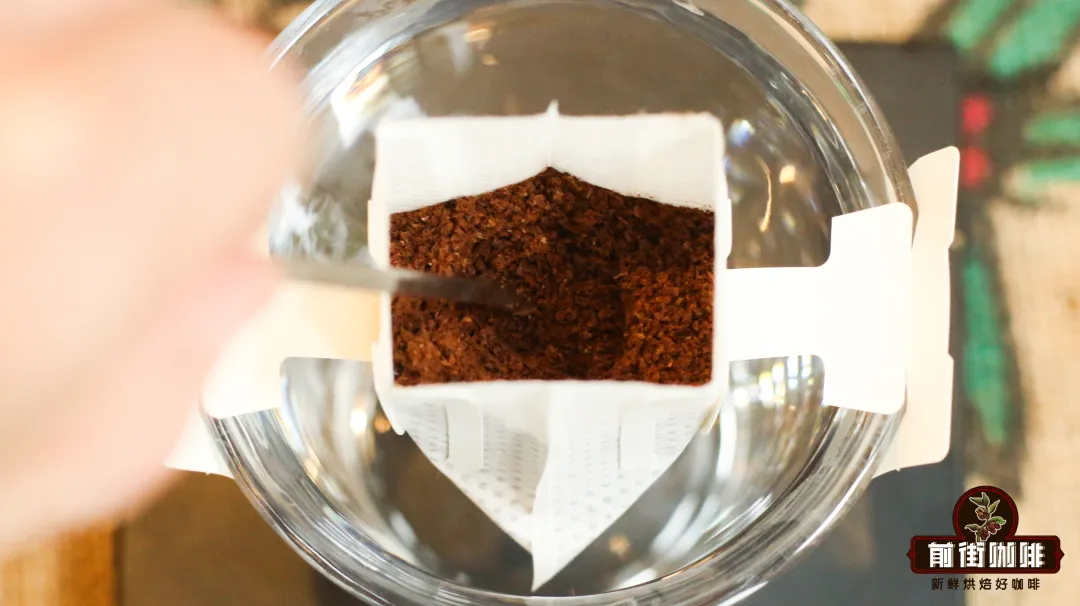
After the bloom is complete, divide the remaining hot water evenly into three pours. For each pour, use a slow, thin stream in a small spiral, and wait until the previous pour has fully drained through before starting the next one. Repeat until all the hot water is poured.
The whole process takes about 2 minutes, and going a little over is fine—Front Street Coffee's Huakui isn't easily over-extracted. After removing the dripper, you can swirl the cup to help the coffee blend more evenly for better flavor consistency. Then it's ready to enjoy.
- END -
The above content is compiled by CoffeeHunters, a coffee news website.


