







For more specialty coffee knowledge, please follow: Front Street Coffee (Frontsteet Coffee)
Cold brew coffee is simple to make, refreshing in taste, low in acidity and rich in flavor, making it perfect for drinking in the hot summer. That's why many people want to make it at home themselves, so they ask Front Street Coffee for tips on how to extract it and what details to pay attention to. Without further ado, let's go over every aspect of cold brew coffee in detail.
When Front Street Coffee (FrontStreet Coffee) looked into the matter, it found that the concept of cold brew coffee was proposed by Toddy Simpson, a student majoring in chemical engineering at Cornell University in the United States. After trying an old-style Peruvian iced coffee, he invented a tool for making cold brew coffee and named it Toddy. This technique was later introduced by Starbucks to make summer iced drinks.
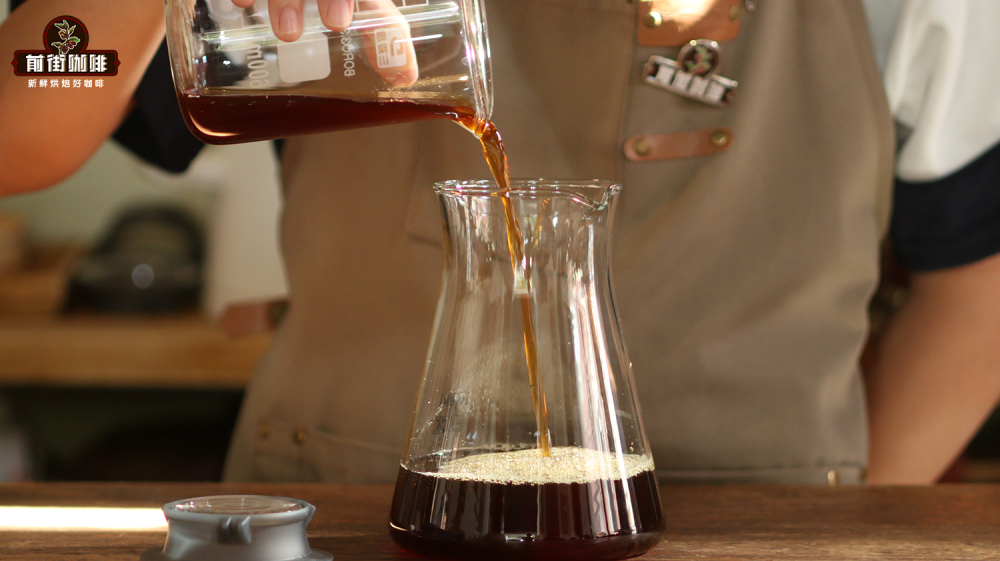
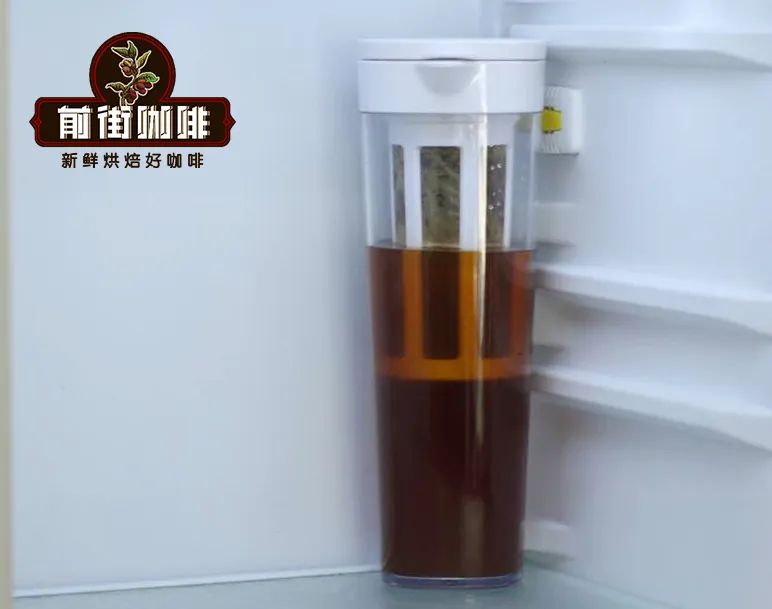
Cold brew coffee, known in English as Cold Brew Coffee, is made by soaking ground coffee beans in cold water for generally at least 12 hours, then extracting and filtering through professional equipment. If you want a fuller body, you can also extend the time to 24-48 hours. In simple terms, any process that extracts coffee at low temperature counts as cold brew. Low temperature and long extraction time are the two major characteristics of cold brew coffee.
The Extraction Principle of Cold Brew Coffee
Cold brew coffee is produced by mixing coffee grounds and ice water in a certain ratio and then extracting slowly. Coffee made by the cold brew process has a lower sourness and astringency. The low temperature and the long contact time with the coffee grounds mean that only small-molecule flavor substances are extracted, such as floral and fruity aromas, while larger-molecule flavor substances, such as smoky notes, are difficult to extract.
What Are the Flavor Characteristics of Cold Brew Coffee?
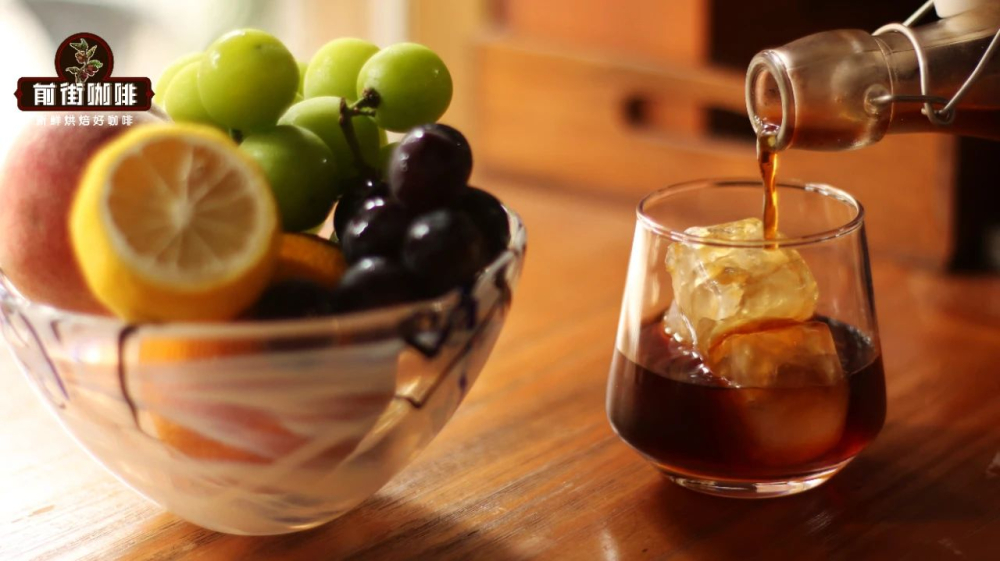
Low-temperature extraction and long extraction time are the two major characteristics of cold brew coffee, and also the two main differences between cold brew coffee and coffee extracted at high temperature. High-temperature extraction uses hot water to extract coffee beans, at a temperature between 82-95°C, usually for no more than 3 minutes. Cold brew coffee itself can fully express the subtle flavor characteristics of coffee. Because the acidity of the coffee is mild, the taste is sweet, the mouthfeel is bright, and the flavor is soft, it presents the flavor characteristics of specialty coffee origins.
Cold Brew Water-to-Coffee Ratio
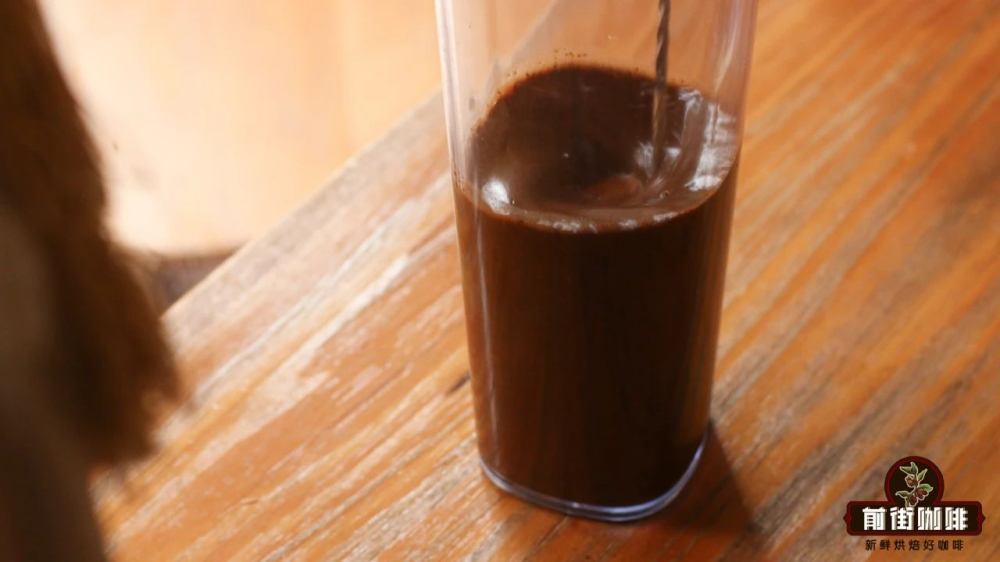
Front Street Coffee (FrontStreet Coffee) believes that a suitable water-to-coffee ratio for cold brew can be about 1:10 to 1:16, adjusted according to personal preference for strength. Front Street Coffee (FrontStreet Coffee) generally uses a water-to-coffee ratio of 1:15, which gives a just-right moderate taste. If you like it stronger, you can also try a 1:10 water-to-coffee ratio.
Cold Brew Grind Size
The finer the coffee grounds, the more substances water can extract in the same amount of time. However, with a fine grind, the coffee is prone to over-extraction during the process. Front Street Coffee (FrontStreet Coffee) suggests that because it is a low-temperature, long-time extraction, the grind size should be coarser than the grind size for pour-over coffee beans.
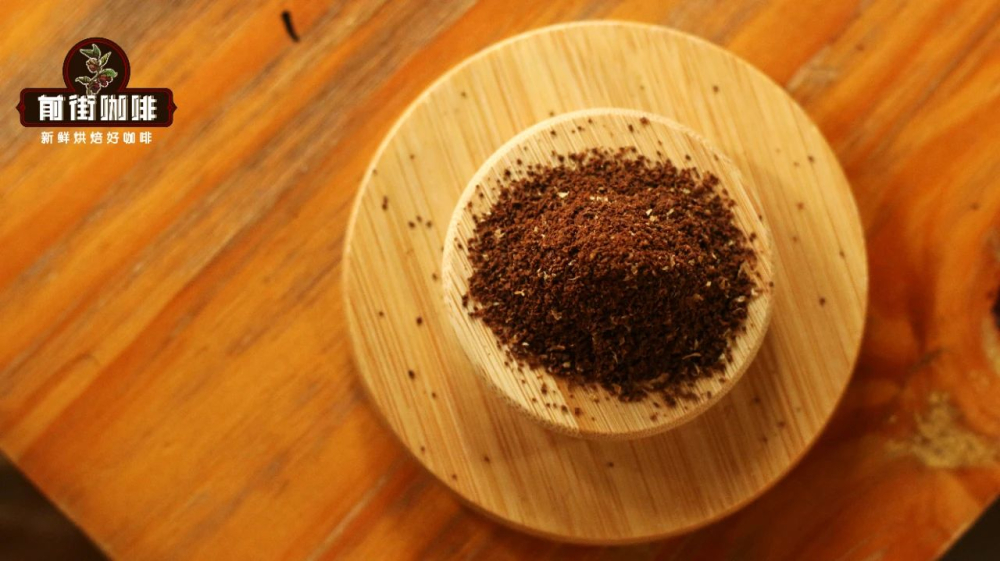
[Front Street Coffee (FrontStreet Coffee) Yirgacheffe Gutingding]
Country: Ethiopia
Region: Yirgacheffe Gedeo Zone
Altitude: 1900-2300m
Variety: Heirloom
Processing Method: Washed Grade: G1
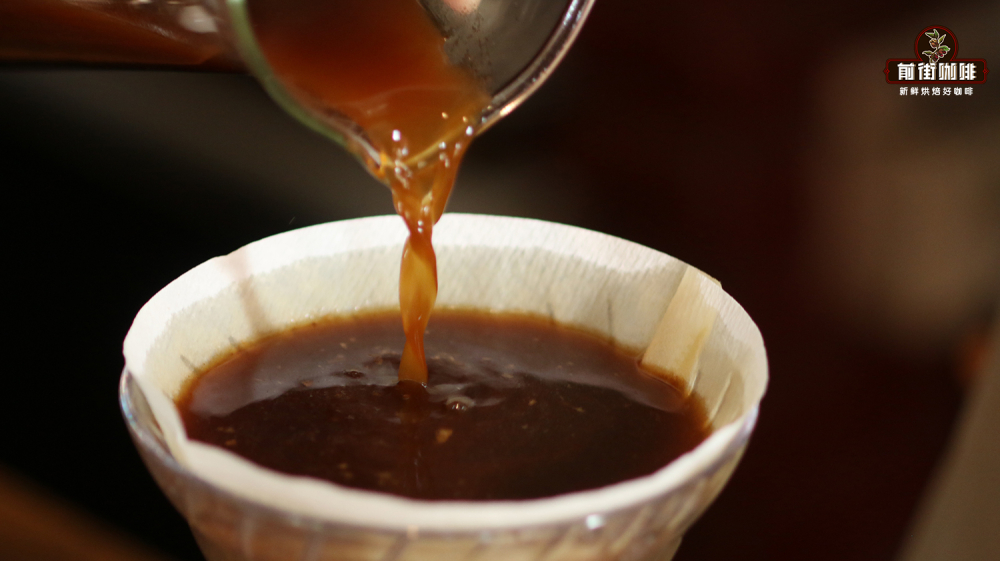
[Front Street Coffee (FrontStreet Coffee) Production Method]
Coffee dose: 20g
Water-to-coffee ratio: 1:12
Grind size: Coarse grind (slightly coarser than normal pour-over grind to avoid over-extraction)
Steeping time: 8-10 hours
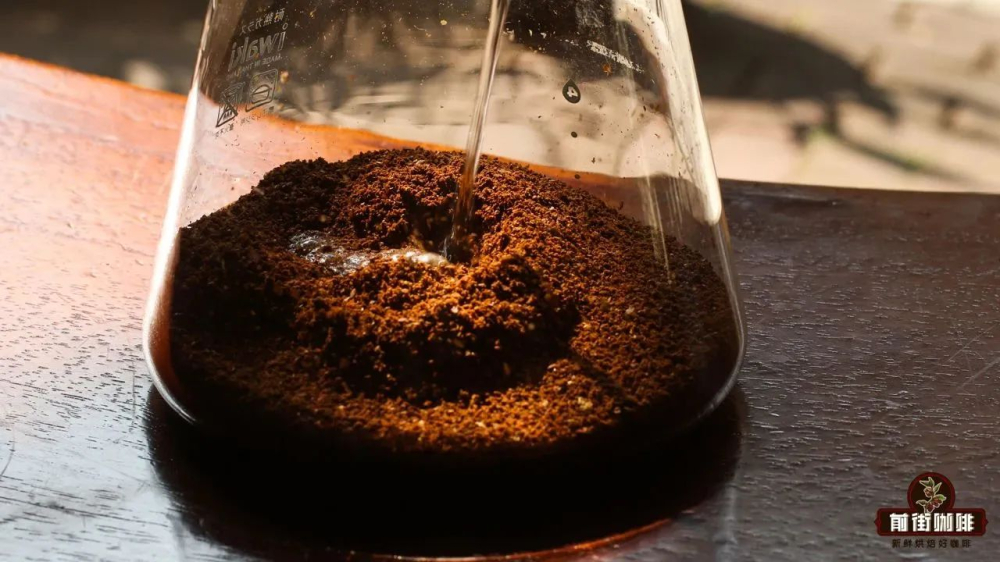
① First, grind the coffee grounds and pour them into a jar, then add 240ml of water.
② Put it in the refrigerator to extract for 13 hours, allowing the coffee grounds to fully contact the cold water.
③ Filter out the coffee liquid with a filter cloth or filter paper.
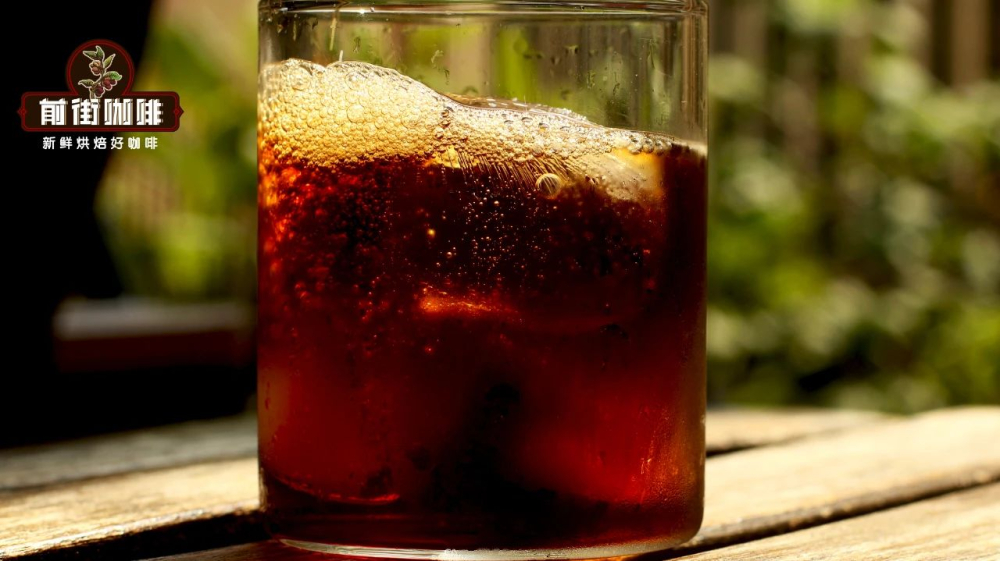
[Front Street Coffee (FrontStreet Coffee) Flavor Description]
Floral, citrus, berry. After continuing to keep it in the refrigerator for 5 hours, the berry aroma becomes more prominent, with a refreshing citrus entry, light sweetness, and a clean mouthfeel.
[Pros and Cons of Cold Brew Coffee]
Pros: Front Street Coffee (FrontStreet Coffee) believes that the cold brew method amplifies the coffee's flavor and aroma and lowers the acidity, and the colder it is, the better it tastes. Without hot water brewing, low-temperature ice water will not extract impurities or bitterness from the coffee beans, so the taste is clean and pure, fresh, slightly sweet, and smooth.
Cons: Front Street Coffee (FrontStreet Coffee) believes that because the water and coffee grounds are in contact for a long time, it has the strongest caffeine content, making it very suitable for drinking at moments when you most need to stay highly alert. Roughly calculated, a cup of cold brew coffee (200ml/20g beans) has a caffeine content of about 200mg;
Does cold brew coffee become sour? Yes. In hot brewing, the oils and acids in coffee beans degrade and oxidize faster than with cold water, which increases the acidity and bitterness of the coffee. The low temperature and long brewing time of the cold brew process capture more sweet compounds soluble in cold water, without the oils and acids.
The above content is compiled by CoffeeHunters, a coffee news website.


