







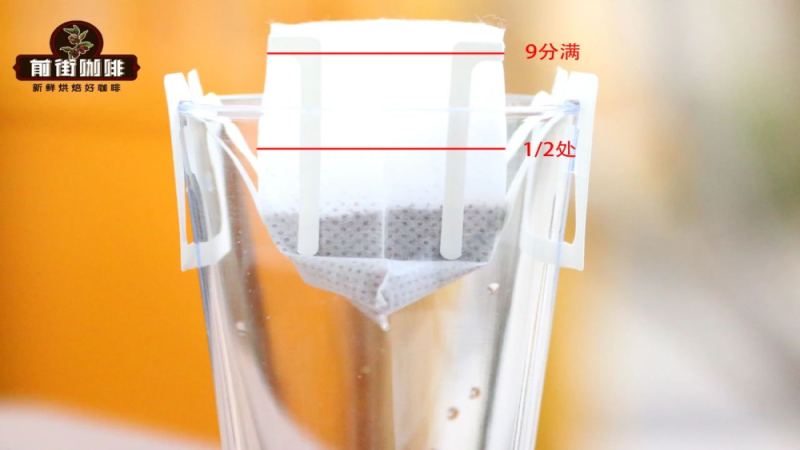
Which three details matter most in drip coffee brewing?
Three details decide whether a drip bag tastes clean or muddy: pour method, grind size, and the coffee-to-water ratio. Pouring straight from a water dispenser outlet is the most common mistake, because the flow is too rough and pulls out off-flavors. A gooseneck kettle gives a gentle, steady stream and a cleaner overall cup.
Drip bags arrive pre-ground, so the grind is set by the producer, but home-made bags can follow two guidelines. Light roasts with floral, fruity acidity take a grind close to fine granulated sugar, while full-bodied dark roasts take one closer to coarse granulated sugar. Ratio is the third lever, and coffee brewing at 1:10, 1:15, or 1:20 produces noticeably different results.
Drip bag coffee brewing may seem simple, but if you want to brew an ideal flavor, the three details of grind size, coffee-to-water ratio, and water temperature cannot be overlooked. This article explains one by one, from pouring method, grind selection, ratio control to temperature management, how each step affects the final taste, and gives specific product examples of Front Street drip bag coffee to help you avoid common pitfalls and consistently brew a delicious cup of drip bag coffee at home.
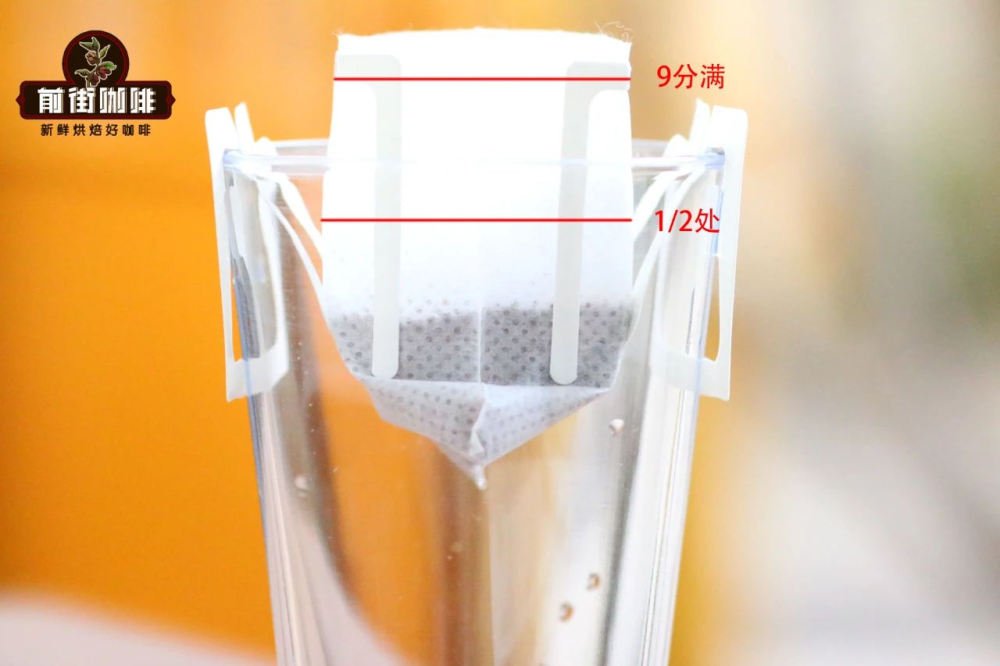
Mastering the following three key points can noticeably improve the brewing result of drip bag coffee:
Use a gooseneck kettle instead of pouring directly from a water dispenser
Many people, when brewing drip bag coffee, are used to placing the drip bag under the water outlet of a water dispenser and turning on the hot water to rinse it directly.
But this method is not advisable... If you want a more ideal coffee flavor, the water flow should be gentle and steady when pouring; otherwise, it is easy to bring out extra off-flavors.
Just prepare a gooseneck kettle to achieve a steady pouring effect, reduce the extraction of unpleasant off-flavors, and make the overall flavor cleaner.
2. How do you judge the grind size of drip bag coffee, and can you grind it yourself?
The biggest difference between drip bags and pour-over is that the coffee beans are already ground into powder before packaging, so the grind size is usually decided by the merchant, and consumers generally have no choice. However, if you make drip bags yourself, you can refer to the suggestions provided by Front Street to determine the grind level.
Front Street drip bag coffee is roughly divided into two types. One is light-roasted coffee with floral and fruity acidity. When making drip bags, the grind is close to fine granulated sugar. Representative products include Front Street Yirgacheffe Drip Bag with white floral notes, and Front Street Sun-Dried Huakui Drip Bag with berry-like sweet acidity;
The other type is full-bodied dark-roasted coffee, with a grind roughly equivalent to coarse granulated sugar. Representative products include Front Street Brazil Seasonal Drip Bag with nutty and creamy aromas, and Front Street Indonesia Mandheling Drip Bag with a thick mouthfeel.
3. Ratio control is crucial!
Many people ask: coffee-to-water ratios of 1:10, 1:15, 1:20... Is there a difference between these numbers? The answer is: quite a big difference.
Too strong or too weak will directly change how it tastes.
Accurately mastering the ratio is very important for coffee brewing. When brewing drip bag coffee, it is recommended to use a graduated measuring cup instead of an ordinary mug, so that the coffee-to-water ratio can be controlled more precisely.
4. Use a thermometer to measure water temperature
Water temperature is one of the four major variables affecting coffee extraction, and the temperature level directly affects the extraction result. Although drip bag coffee does not require precision to a specific degree like pour-over, if you want the drip bag to perform better, the only advice on water temperature is: do not exceed 95°C, and do not go below 85°C.
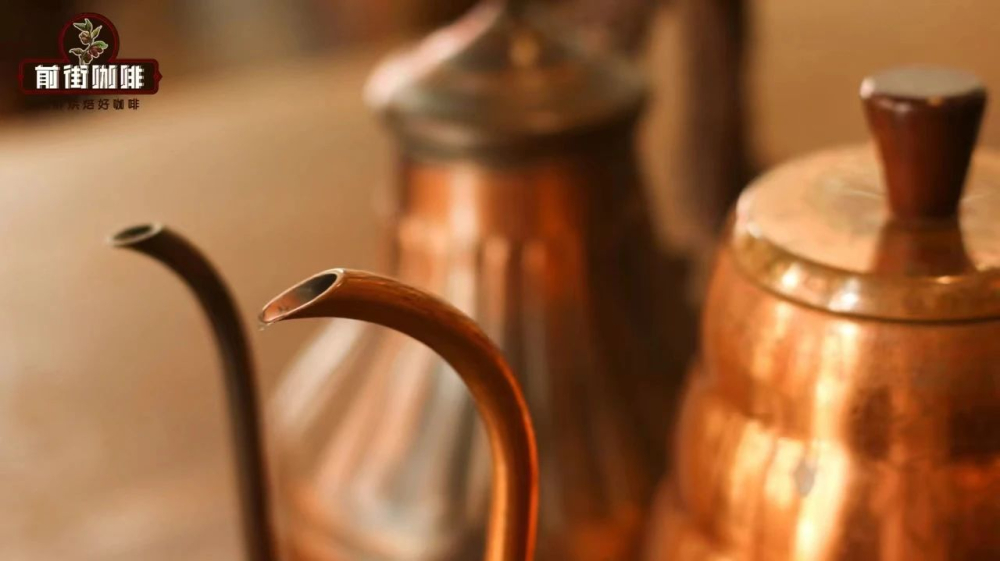
The reason is that if the water temperature is too high, it will dissolve a large amount of fibrous components from the coffee grounds, giving the coffee a gritty, rough mouthfeel that is unpleasant. To avoid water that is too hot, you can use a digital thermometer to measure it; if you do not have a thermometer on hand, usually after pouring just-boiled water into a gooseneck kettle and letting it sit for about 2 minutes, the water temperature will drop below 95°C. Of course, the temperature should not be too low either, otherwise the drip bag coffee may taste weak.
The above content is compiled by CoffeeHunters, a coffee news website.


