







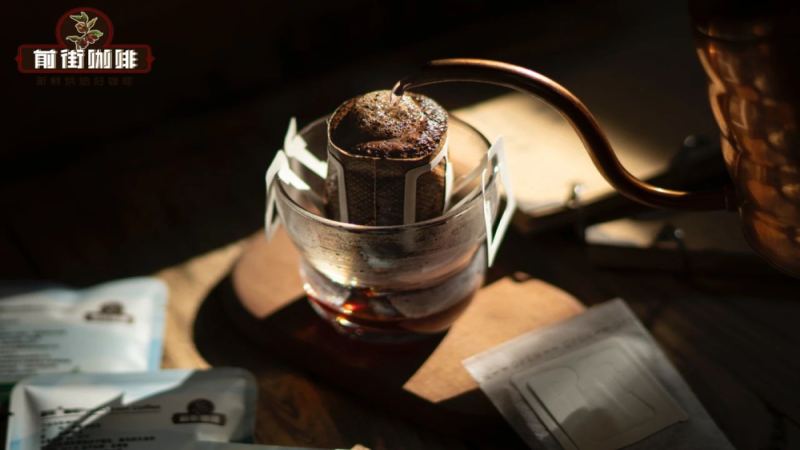
Three Details That Decide How Your Drip Bag Coffee Tastes
Drip bag coffee is simple, but small choices change the result. Start with the ratio: one drip bag usually calls for about 150 to 180 milliliters of water. Too little water makes the cup heavy and bitter, while too much leaves it thin. Use a scale the first few times so you learn what your preferred strength actually looks like.
Water temperature matters just as much. Water just off the boil, around 90 to 96 degrees Celsius, extracts sweetness and aroma without pulling out harsh flavors. Let the bag steep for two to four minutes, then lift it out. Adjust one variable at a time, and you will quickly find the combination that suits your taste.
Drip bag coffee looks simple, but to brew an ideal cup, three details are indispensable: pouring method, coffee-to-water ratio, and water temperature. In this article, a barista from Front Street Coffee shares practical brewing tips, breaking down everything from bean selection to specific steps. Whether you prefer floral notes, fruity acidity, or a rich body, you'll find a drip bag coffee recommendation that suits you. The article also explains in detail how to stabilize the flow with a gooseneck kettle, precisely control the ratio with a graduated cup, and keep the water temperature between 85 and 95°C to avoid off-flavors and a sandy mouthfeel. Master these points, and your everyday drip bag coffee can easily be elevated a notch.
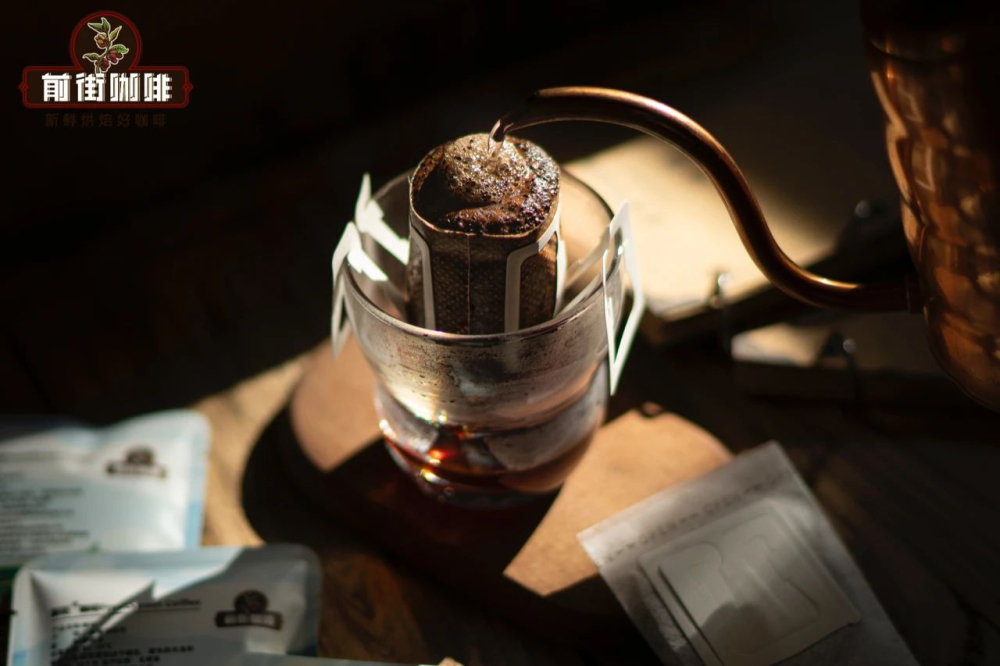
Recently, many friends have picked up drip bag coffee and come asking how to brew it so it tastes good. The baristas at Front Street Coffee (FrontStreet Coffee) are here to talk about the brewing method for drip bag coffee.
Of course, the foundation of a good cup of coffee is always quality coffee beans. Front Street has put together a few drip bag recommendations for different taste preferences: if you prefer floral notes, try the Front Street Panama Geisha drip bag coffee, which is also one of the most expensive coffee varieties in the world; if you like a fresh fruity acidity, the Front Street Flower Kui drip bag coffee is a good choice, with notes of black tea and berries on the palate;
If you lean toward a balanced taste—neither too acidic nor too bitter—the Front Street Brazil drip bag coffee is worth a try; and if you're after a thick, full-bodied mouthfeel, we recommend the highest-grade Front Street Golden Mandheling drip bag coffee. These beans undergo multiple rounds of manual sorting, keeping the defect rate extremely low, so the aroma is cleaner and the sweet aftertaste is more outstanding. All of the above drip bag coffees can be ordered at Front Street stores and the Front Street Tmall flagship store.
Next, these three key points can take your drip bag coffee brewing to the next level:
Use a gooseneck kettle instead of pouring directly from a water dispenser
Many people, when brewing drip bag coffee, are used to placing the filter bag under the water dispenser and letting the hot water rush down with a splash.
But this won't do... To get better coffee flavor, the water flow needs to stay gentle and steady; otherwise, it's easy to extract unwanted off-flavors.
Just add a gooseneck kettle, and you can easily achieve a steady flow, reducing the extraction of undesirable flavors and resulting in a better overall performance.
2. Getting the coffee-to-water ratio right is crucial
Many people ask, coffee-to-water ratios of 1:10, 1:15, 1:20... is there a difference between these numbers? The answer is: quite a big difference.
Too strong or too weak will directly change the taste on the palate.
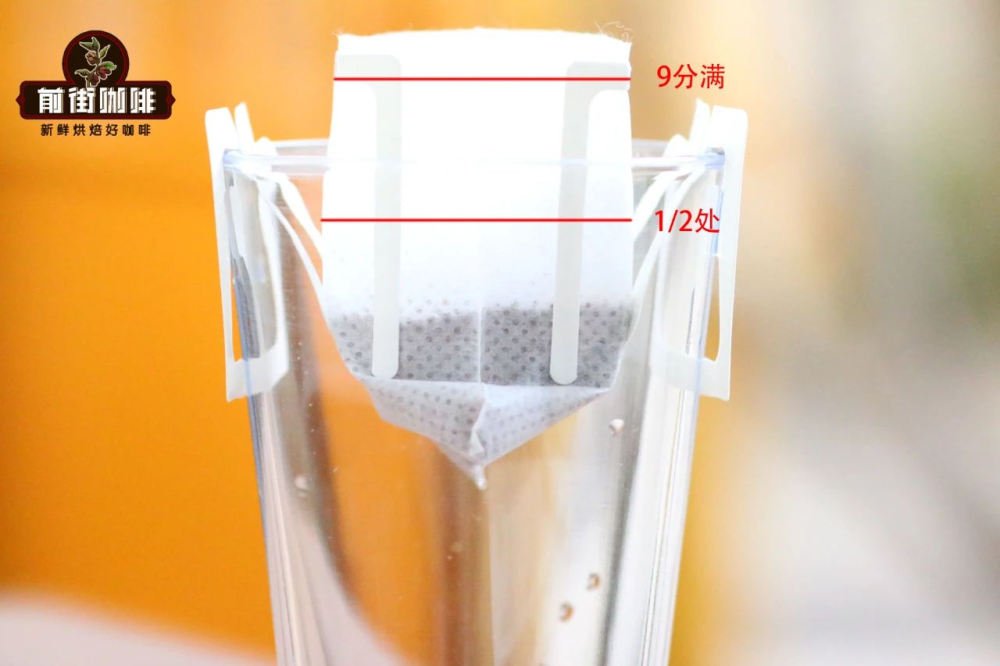
Whether the ratio is precise or not plays a decisive role in coffee brewing. When brewing drip bag coffee, it's recommended to use a graduated measuring cup instead of an ordinary mug, so you can grasp the ratio more accurately.
3. Measure water temperature with a thermometer
Water temperature is one of the four major variables affecting coffee extraction, and the temperature level directly influences the extraction result. Although drip bag coffee isn't as extremely demanding about water temperature as pour-over, if you want a better-tasting cup, the only principle to remember about water temperature is: don't exceed 95°C, and don't go below 85°C.
The reason is that water that's too hot will dissolve a large amount of fibrous material from the coffee grounds, causing a rough, sandy mouthfeel that's very unpleasant. To avoid water that's too hot, you can use a digital thermometer to measure in real time. If you don't have a thermometer on hand, usually after pouring freshly boiled water into a gooseneck kettle and letting it sit for about 2 minutes, the water temperature will naturally drop below 95°C. Of course, the temperature shouldn't be too low either, or the drip bag coffee may come out weak and bland.
The above content is compiled by CoffeeHunters, a coffee news website.


