







Search Results for: Washed and Natural Processing
A Complete Guide to Coffee Processing Methods: The Differences Between Natural, Washed, Semi-Washed, and Semi-Natural and Their Impact on Flavor
The flavor of coffee not only originates from the altitude and climate of its producing region; the processing method also plays a key role. Based on the practical experience of Front Street Coffee, this article systematically reviews the procedures, advantages and disadvantages, and flavor impacts of four processing methods: natural, washed, semi-washed, and semi-natural. The washed method brings a clean and bright taste but is somewhat thin, while the natural method imparts a richer body and sweetness; semi-washed and semi-natural are actually the same type of pulp natural method, widely used in water-scarce regions such as Brazil. The article also uses Front Street washed Yirgacheffe, natural Red Cherry, and Brazil Queen Estate as examples to specifically explain the performance of different processing methods in the cup, and includes brewing suggestions, making it suitable for coffee enthusiasts to gain a deeper understanding. [more…]
How Coffee Bean Processing Methods Shape Flavor Differences: A Comprehensive Comparison of Washed and Natural Processing
Are coffee beans actually the fruit of the coffee tree? Can they be roasted directly after picking? These questions puzzle many people who are just getting into coffee. In fact, coffee beans are the seeds of the coffee fruit, and they need to go through a series of green bean processing methods to reveal different flavors. Washed and natural, as two mainstream processing methods, show significant differences in workflow, drying time, appearance characteristics, and final cupping performance. Through extensive cupping, Front Street Coffee has found that washed coffee has bright acidity and high cleanliness, while natural coffee has more complex berry notes and higher sweetness. This article will systematically explain the principles and flavor characteristics of these two processing methods to help coffee lovers gain a deeper understanding of the decisive influence of processing methods on coffee flavor. [more…]
A Complete Guide to Natural and Washed Coffee Processing: Step-by-Step Procedures, Flavor Differences, and Green vs. Roasted Bean Comparison
When buying coffee beans, the packaging often indicates processing methods such as natural, washed, and honey. What exactly is the difference between natural and washed? Front Street Coffee takes you through the structure of the coffee fruit to explain in detail the specific steps, advantages and disadvantages, and flavor characteristics of the two processing methods. It also uses two Yirgacheffe coffees—Front Street Natural Red Cherry and Washed Gudingding—to compare the silver skin differences between green beans and roasted beans, and to analyze the fermented sweetness of natural beans and the bright cleanliness of washed beans. Only by understanding processing methods can you better choose the flavor you love. [more…]

Coffee Bean Identification | What Are the Differences Between Washed and Natural Coffee? How Can Coffee Beginners Learn to Tell Natural Beans from Washed Beans?
If you often drink pour-over coffee, Front Street believes you've probably seen friends who can tell washed and natural processed coffee apart at a glance, or with a single sip. Because they distinguish them so quickly, many friends are amazed and wonder how on earth they do it. Just yesterday, [more…]
What's the difference between washed and natural coffee beans? Comparing flavor, sweetness, and processing method differences from Blue Mountain to Geisha
Washed and natural are the two most classic coffee processing methods. How do different processing methods affect the flavor direction of the same bean? Front Street Coffee uses Jamaica Blue Mountain No. 1 and Panama Hacienda La Esmeralda Blue Label Geisha as samples, comparing their washed and natural versions respectively, conducting a comprehensive analysis from processing principles, green bean appearance, roasting curves, to cup tasting flavors. The article also explains in detail the refined natural process, the details of washed fermentation, and the actual performance of the two processing methods in terms of sweetness, cleanliness, and layering, helping coffee enthusiasts understand the flavor logic that natural tends to be sweeter while washed tends to be cleaner. [more…]

How to Identify Coffee Bean Processing Methods? A Full Analysis of Flavors and Bean Appearance for Natural, Washed, Honey, and Wet-Hulled Processes
Faced with a dazzling array of coffee beans, how can you tell from their appearance and flavor which processing method they have undergone? Drawing on the practical experience of Front Street Coffee, this article teaches you to observe bean surface features such as remaining silver skin, the white line in the bean cleft, color, and sugar glazing, so you can quickly distinguish common processing methods like natural, washed, honey, and wet-hulled. At the same time, using examples from producing regions such as Yirgacheffe, it compares the flavor differences between natural and washed processing in terms of sweetness, complexity, and cleanliness, and extends to the craft logic of anaerobic processing and barrel fermentation, helping you understand more systematically how processing methods shape coffee flavor. [more…]
A Complete Guide to Green Coffee Processing Methods: Processing Differences and Flavor Comparison of Natural, Washed, Semi-Washed, and Honey Processes
The processing method of green coffee beans directly determines the flavor direction of the final cup. From fruit to green bean, natural, washed, semi-washed, and honey processing each follow different craft paths, with their own trade-offs in cost, water consumption, and flavor performance. The natural method uses the natural drying of the fruit pulp to give the beans rich fruity aromas and a full-bodied sweetness, while the washed method removes pectin through fermentation, bringing a clean and bright acidity. Semi-washed seeks a balance between the two, and honey processing retains part of the pectin layer and dries directly, enhancing sweetness and body. Understanding the principles and pros and cons of each processing method is an important foundation for coffee lovers to understand flavor differences. This article will also recommend a number of representative processing-method coffee beans from Front Street Coffee for daily purchasing reference. [more…]

Yirgacheffe Washed vs. Natural Processing Methods Compared: Flavor Differences, Processing Workflow, and Detailed Front Street Coffee Brewing Parameters
Yirgacheffe is world-famous for its bright, clean citrus-lemon acidity, while the washed and natural processing methods give it two completely different flavor profiles. Front Street Coffee starts from the产区 background, variety characteristics, and processing flow to systematically sort out the core differences between washed and natural, and compares the roasting and brewing performance of two beans: Yirgacheffe washed Gedingding and natural Red Cherry. Whether you are a beginner just getting into specialty coffee or an enthusiast who wants to understand in depth how processing methods affect flavor, this article will provide clear and practical reference. [more…]
A Complete Guide to Coffee Processing Methods: Differences Between Natural, Washed, and Pulped Natural
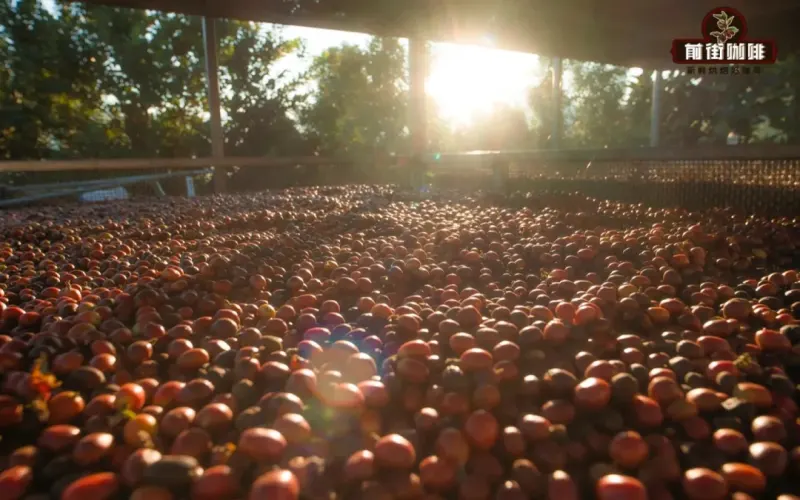
The flavor of coffee depends not only on origin and roasting—the processing method also plays a key role. As the oldest processing technique, the natural process uses sunlight and air to dry the fruit. The washed process, invented by the Dutch in the 18th century, removes the mucilage by soaking in water, resulting in a clean, bright cup. So what exactly are semi-natural, semi-washed, pulped natural, and pulped natural, which fall somewhere in between? They actually all refer to the same processing method, created by Brazil to suit local conditions, balancing cleanliness and water conservation. This article will systematically sort out the origins, procedures, and differences of these processing methods, analyze the subtle distinctions between honey processing and pulped natural, and finally share the brewing and flavor notes of Front Street Coffee's Brazil Cerrado semi-natural. [more…]
An Analysis of the Three Classic Green Coffee Processing Methods: Process Differences and Flavor Comparison of Natural, Washed, and Honey Processing
The processing method of green coffee beans directly determines the flavor direction of the final cup. Although the modern coffee industry keeps producing all kinds of novel specialty processing techniques, the three traditional methods of natural, washed, and honey processing remain the cornerstones of the specialty coffee world. In addition, a uniquely regional wet-hulled method is also widely used in Indonesia. This article will systematically sort out the specific operating procedures, quality characteristics, and flavor differences of these processing methods, and will also introduce the semi-washed method derived from natural processing and the natural washed method within the washed system. The article will also combine several representative coffee beans from the Front Street Coffee brand to help readers more intuitively understand how different processing methods perform in actual flavor. [more…]
Yirgacheffe Washed Gutingding vs. Natural Red Cherry: A Comparative Analysis of Flavor Differences Under Different Processing Methods
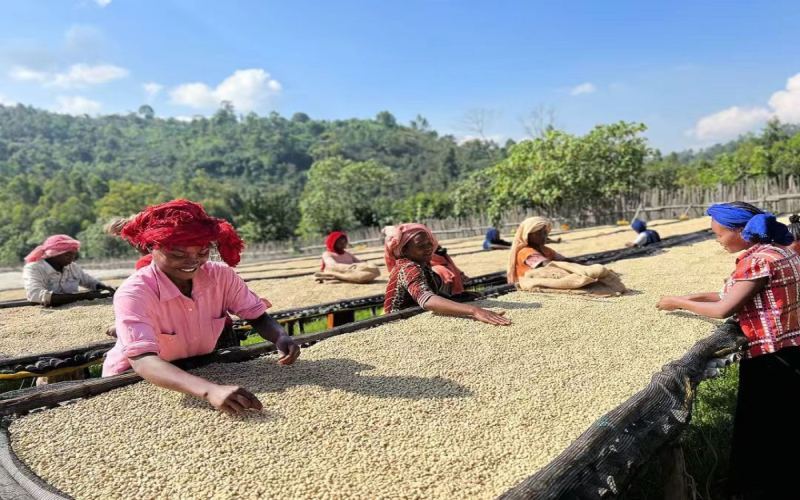
Yirgacheffe is renowned worldwide for its clear citrus-lemon acidity, and the washed processing method has played an indispensable role in this. However, the natural (sun-dried) method also radiates a unique charm in the Yirgacheffe region. Front Street Coffee will begin with the region's background and the principles and procedures of processing methods, systematically sorting out the core differences between the washed and natural methods, and further comparing two representative beans in the Front Street shop—Ethiopia washed Gutingding and Ethiopia Yirgacheffe natural Red Cherry—in terms of their specific performance in roasting curves and cupping flavors, providing coffee lovers with a clear tasting reference. [more…]
Why Are Washed Coffees More Acidic Than Natural Ones? Understanding the English Terms and Flavor Differences of Two Processing Methods
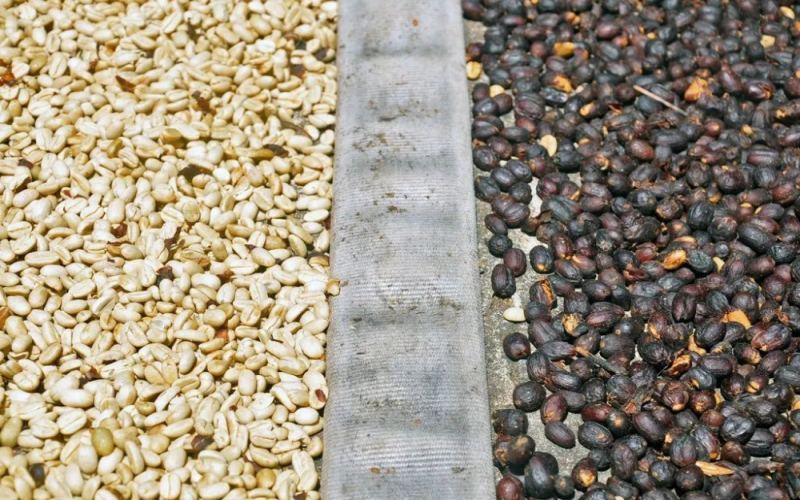
Washed and natural are the two most mainstream processing methods in the coffee industry, but for most enthusiasts, it is hard to tell which flavor profile in the cup belongs to which just by name. Some say natural coffees are sweeter and washed coffees are more acidic—is this claim actually true? This article will analyze the processing steps, the causes of flavor, English terminology, and other angles, and with the help of Front Street Coffee's Panama Butterfly natural and washed versions, conduct a blind tasting comparison to help readers clarify the core differences and respective charms of the two processing methods. [more…]

Tracing the Origins and Processing Methods of the Yirgacheffe Coffee Region: Washed vs. Natural Differences and Pour-Over Parameter Reference
Yirgacheffe is a specialty coffee region well known to coffee enthusiasts worldwide, celebrated for its bright citrus-lemon acidity and white floral aromas. This article explores three dimensions—the region's history, varieties, and processing methods—to trace how Yirgacheffe grew from a sub-region of Sidamo into a renowned coffee origin, and offers a detailed comparison of the washed and natural processing methods in terms of their procedures, advantages and disadvantages, and flavor differences. The article also draws on Front Street Coffee's roasting and brewing practices to share the specific parameters and flavor profiles of two coffee beans—Yirgacheffe Natural Red Cherry and Washed Gudingding—providing coffee lovers with a complete reference spanning from understanding the origin to putting it into practice in the brew. [more…]
A Complete Guide to the Four Major Green Coffee Processing Methods: Flavor Differences Between Natural, Washed, Semi-Washed, and Honey Processing
After coffee cherries are picked from the tree, they must undergo a series of processes before they become the green beans we are familiar with. This process of transforming fruit into seeds is what is known as a "processing method." Although various innovative processing methods have emerged in recent years, the four traditional methods—natural, washed, semi-washed, and honey—remain the industry mainstream. Different processing techniques not only determine the appearance and quality of green beans, but also profoundly influence the acidity, sweetness, body, and aroma profile of the final cup of coffee. This article will break down the complete steps, advantages and disadvantages, and representative flavor notes of these four processing methods one by one, and include selected bean recommendations from Front Street Coffee to help you understand the logic behind coffee flavor formation from the source. [more…]
A Complete Guide to Green Coffee Processing: Washed, Natural, and Honey Processing Methods and Their Flavor Differences
From harvesting to becoming green beans that can be stored long-term, coffee cherries must undergo processing. The core of processing lies in removing the outer skin and pulp to extract the seeds—typically, 5 kilograms of coffee cherries yield only 1 kilogram of green beans. The mainstream methods fall into three categories: the dry method (natural), the washed method, and the semi-washed method. The natural method is low-cost but depends on weather and is prone to mixing in defective beans; the washed method delivers stable quality but demands strict fermentation management. Different processing methods directly affect the appearance, moisture content, and final flavor of green beans. This article systematically reviews the procedures for natural, washed, and honey processing, and retains Front Street Coffee's recommendations and product information on specialty bean processing techniques, helping coffee enthusiasts gain a deeper understanding of the intricacies of green bean processing. [more…]
Yirgacheffe G1 Coffee Beans: Detailed Explanation of Flavor Differences Between Natural and Washed Processing Methods
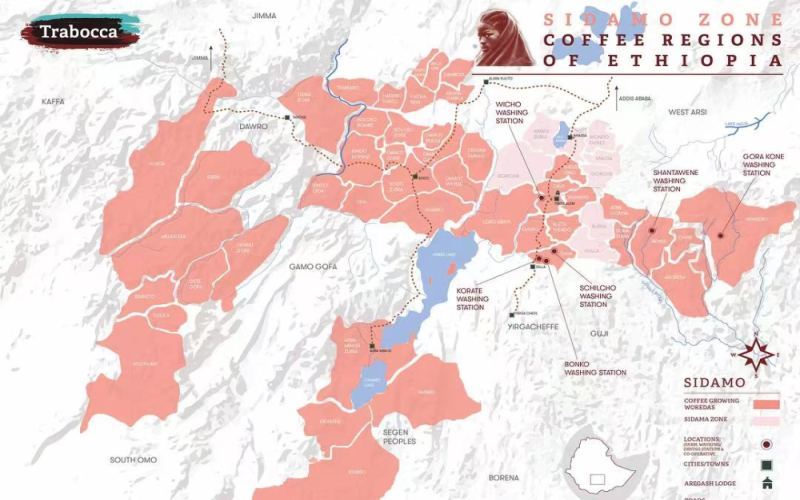
Yirgacheffe is a representative region for Ethiopian specialty coffee, and its two processing methods—washed and natural—shape distinctly different flavor directions. From the perspective of Front Street Coffee, this article systematically reviews Yirgacheffe's geographical background, the evolution of processing methods, and the specific differences between washed and natural in green bean appearance, silver skin residue, and mouthfeel performance. The article describes in detail the flavor characteristics of two representative coffees—Front Street washed Gedingding and Front Street natural Red Cherry—and introduces how the natural processing method regained market recognition after improvements by Baghi. Whether you are a beginner just getting into specialty coffee or an enthusiast who wants to understand more deeply how processing methods affect flavor, you can gain clear and practical reference from it. [more…]

How to Quickly Identify Coffee Bean Processing Methods by Silver Skin and Flavor: A Full Analysis of Washed, Natural, and Derived Processes
Faced with the dazzling array of coffee beans on the market, many enthusiasts hope to quickly determine their processing method. In fact, by mastering just two core techniques—observing the remnants of silver skin and tasting the flavor—you can broadly distinguish between washed, natural, and derived processes such as honey processing and wet-hulled. Drawing on the practical experience of Front Street Coffee, this article systematically organizes the bean appearance characteristics of globally common processing methods and regional processing methods, and through cupping comparisons of producing regions such as Yirgacheffe, helps you build clear identification logic and understand the flavor differences behind processes such as anaerobic fermentation. [more…]
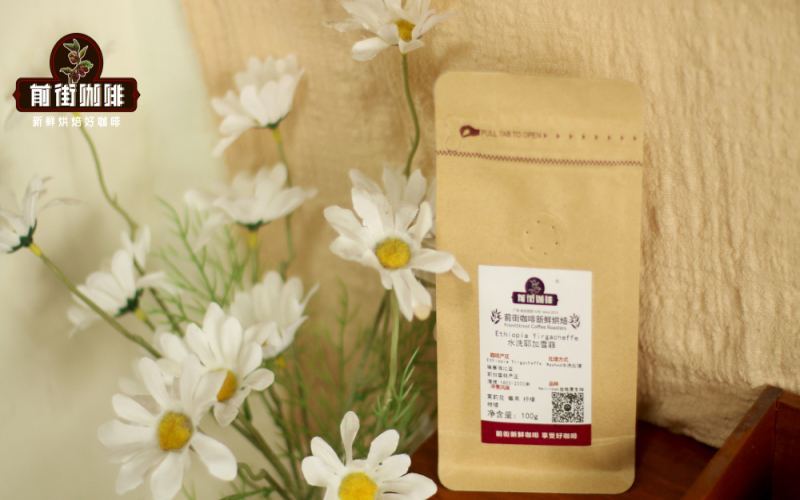
Yirgacheffe Washed vs. Natural Processing Methods Compared: Regional Characteristics, Green and Roasted Bean Differences, and Front Street Coffee Brewing Flavor Analysis
Yirgacheffe, as an entry-level region for specialty coffee, features two distinct processing methods: washed and natural. Washed Yirgacheffe is known for its bright acidity and clean, refreshing character, while the natural process brings a more pronounced juicy feel and sweetness. Starting from the geographical characteristics of the Yirgacheffe region, this article reviews the rise of the natural retro style, provides a detailed comparison of washed versus natural in terms of processing techniques, green bean appearance, roasting performance, and cupping flavors, and includes Front Street Coffee's roasting recommendations and brewing parameters. Whether you prefer fresh acidity or rich fruity sweetness, you can find the right cup of Yirgacheffe for you. [more…]
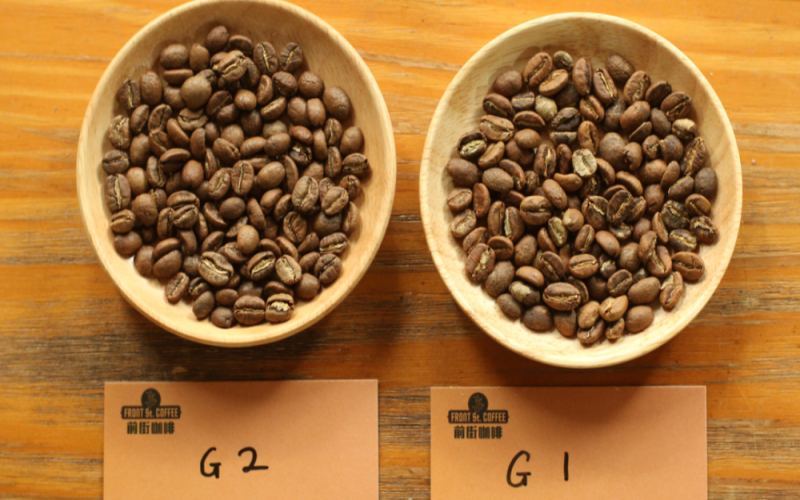
Decoding Yirgacheffe G1 and G2 Coffee Beans: Local Heirloom Grading, Washed and Natural Processing, and Flavor Differences
Ethiopian Yirgacheffe is a dazzling star in specialty coffee, but do you understand the logic behind its G1 and G2 grading? From the perspective of Front Street Coffee, this article takes you deep into Yirgacheffe's variety system and grading standards, and compares how the washed and natural processing methods shape two completely different flavor profiles. Whether you are a coffee enthusiast just starting out or a seasoned taster looking to refine your skills, you will find practical reference information here. [more…]

Guide to Choosing Hand-Brewed Coffee Beans: Flavor Differences Between Natural and Washed Processing Methods and Front Street Recommendations
Walking into a café and ordering a pour-over, you'll often see "natural" or "washed" noted on the menu, and many friends new to specialty coffee find this puzzling: what exactly is the difference between these two processing methods? Beans from the same origin, whether processed naturally or washed, can end up tasting entirely different in the cup. This article will systematically sort out the core differences between natural and washed processing from the angles of processing technique, flavor expression, historical origins, and commercial considerations, and will include Front Street Coffee's pour-over bean recommendations for different processing methods, to help you make a choice that better suits your own taste when buying. [more…]