








Which Coffee Bean Processing Method Suits Your Pour-Over?
Natural and washed are the two basic coffee bean processing methods, and they taste very different even from the same origin. Natural processing dries ripe cherries whole, so sugars and aromatics soak into the bean during a long fermentation, giving richer fruit flavors and fermented notes. Washed processing removes the pulp and mucilage with water and machinery first, then dries, for a cleaner cup.
Washed beans are fermented in a tank for one to two days to clear leftover mucilage before drying on nets, which removes defective beans and impurities along the way and keeps quality consistent. Because the same variety can shift direction entirely with processing, choosing between the two comes down to whether a bright, clean profile or a heavier fruit-forward body is wanted.
Walking into a café and ordering a pour-over, you'll often see "natural" or "washed" noted on the menu. Many friends who are just getting into specialty coffee find this puzzling: what exactly is the difference between these two processing methods? Beans from the same origin, whether processed naturally or washed, can end up tasting completely different in the cup. This article will systematically sort out the core differences between natural and washed processing from the perspectives of processing techniques, flavor expression, historical origins, and commercial considerations, and will also include Front Street Coffee's pour-over bean recommendations for different processing methods, to help you make a choice that better suits your own taste when buying.

Front Street Coffee · An Analysis of the Flavor Differences Between Natural and Washed Pour-Over Coffee Beans
In the coffee world, processing method terms emerge endlessly: "washed," "natural," "semi-washed," "semi-natural," "honey process"... Among them, natural and washed are arguably the two most basic and most common categories. Even coffee beans from the same origin and the same variety can present completely different flavor directions depending on whether they are washed or natural.
For this reason, many consumers often feel confused when choosing coffee beans: what exactly is the difference between washed and natural? Front Street pour-over coffee Which one better suits your own taste? Which one should you actually buy?
Let's start with the "natural method." Its approach is to dry the harvested ripe coffee cherries directly, without first removing the skin and pulp. During the long drying process, the sugars and aromatic substances contained in the pulp are well preserved and gradually permeate into the green coffee beans. At the same time, natural processing has a longer processing cycle, meaning fermentation also lasts longer, so compared with washed beans, natural beans often carry richer natural fruit flavors and fermented notes.
Now let's look at the "washed method." It uses large amounts of clean water together with machinery to sort the coffee fruit and strip away the pulp, during which defective beans and impurities are removed multiple times. The washed method usually places the beans in a tank to ferment for one to two days to remove residual mucilage, after which they are dried. This fermentation step gives washed beans their signature fermented flavor while also bringing an extremely clean, transparent, and balanced mouthfeel.
The Core Differences Between Natural and Washed
The natural method lets the coffee fruit dry naturally, with the coffee beans maturing inside the fruit and being less disturbed by the external environment, so the finished product's inherent flavors are amplified: distinct fruitiness, high body, intense flavor, and noticeable sweetness. If you want to try natural coffee with prominent sweetness, Front Street Red Cherry · Yirgacheffe, Front Street Huakui, and Front Street Granja Geisha are all good choices;
while beans processed by the washed method usually have lifted aromas, lively acidity, and a clean, crisp profile. Recommended are Front Street Gudingding · Yirgacheffe, Front Street Butterfly, and Front Street Rwanda;
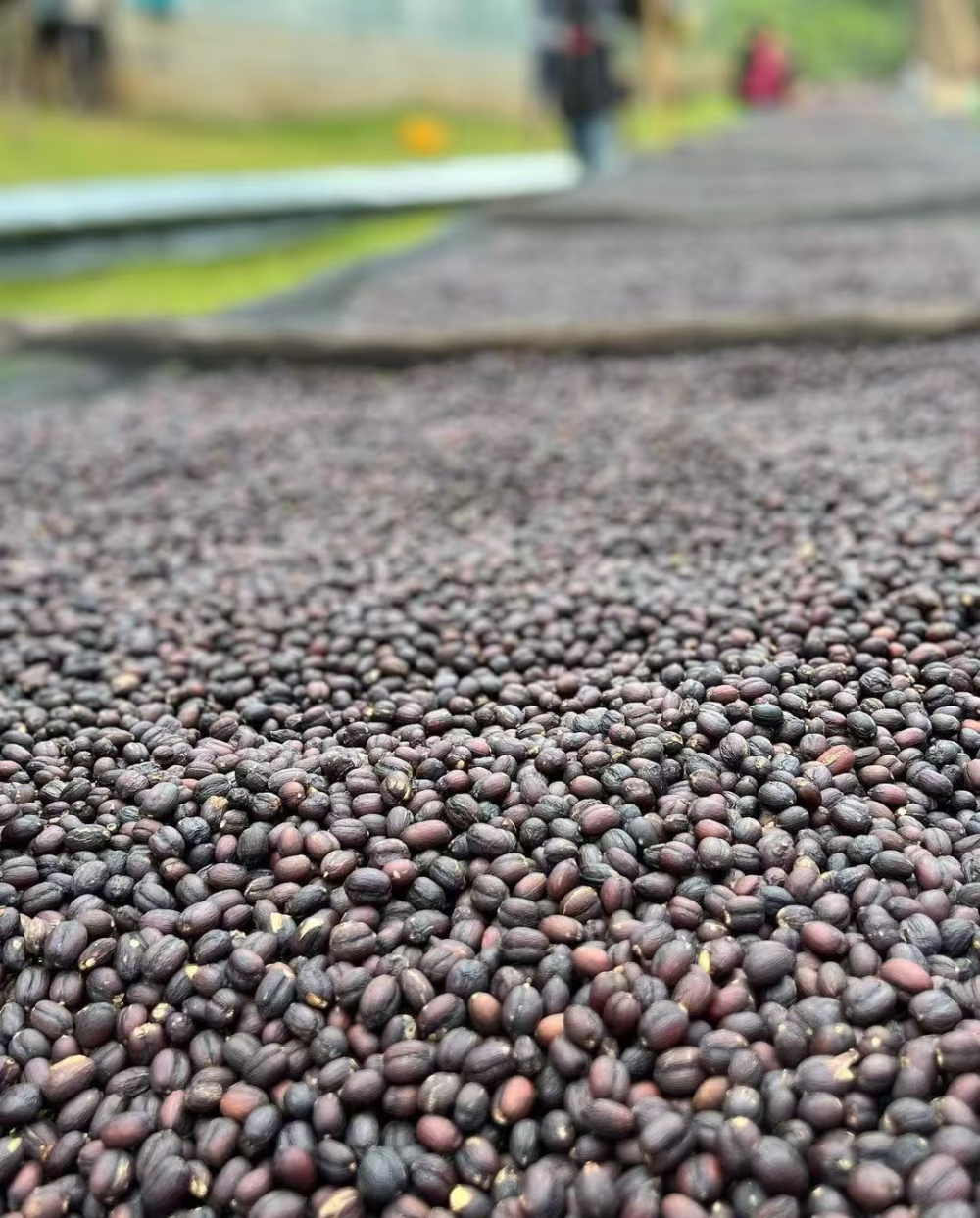
To put it more plainly, natural beans are wrapped in pulp throughout the entire drying stage, so their fruit flavors are especially pronounced, and their sweetness is generally higher than that of washed beans. Washed beans have already had the pulp stripped away before drying, so it is easier to taste the coffee bean's own inherent flavors.
From a historical perspective, the natural method is actually the earliest form of coffee bean processing. Coffee's original producing regions—various African countries—mostly have scarce rainfall, so locals naturally chose natural processing. However, in countries like Indonesia with a tropical rainforest climate, where it rains year-round, if natural processing were used, the beans would simply rot while waiting, so the washed method came into being.
From a commercial perspective, the washed method can compress processing time from one month to three to five days, greatly improving output efficiency. But the washing situation in Ethiopia is different. As the name suggests, the washed method requires large amounts of water, and Ethiopia itself lacks water resources, so the country's beans are mostly processed naturally.
As for whether to choose washed or natural for pour-over coffee, it ultimately depends on personal preference—everyone has their own tastes. In Front Street Coffee's view, the processing method is not the key; the quality of the beans is what truly matters.
The above content is compiled by CoffeeHunters, a coffee news website.


