








Faced with the dazzling array of coffee beans on the market, many enthusiasts hope to quickly determine their processing method. In fact, by mastering just two core techniques—observing the残留 of silver skin and tasting the flavor—you can roughly distinguish washed, natural, honey, wet-hulled, and other derivative processes. Drawing on the practical experience of Front Street Coffee, this article systematically sorts out the bean appearance characteristics of globally common processing methods and regional processing methods, and through cupping comparisons of producing regions such as Yirgacheffe, helps you build a clear identification logic and understand the flavor differences behind processes like anaerobic fermentation.

For more specialty coffee knowledge, please follow our WeChat official account: Front Street Coffee (FrontStreet Coffee)
Some friends are impressive—they can take one sip of coffee and accurately name the bean, or even glance at it and tell you the approximate origin, variety, and processing method. This isn't because they're exceptionally gifted; it's because they've learned some judgment techniques.
Front Street has previously shared insights on judging variety, and today, Front Street will teach you how to quickly identify a coffee bean's processing method. Those who want to level up, hurry up and learn!
-Observe the amount of silver skin
Although there are now many, many coffee processing methods, they can be categorized into just 2 globally common processing methods and 2 regional processing methods. The globally common processing methods are washed and natural—these two are the most widely used. Washed also includes anaerobic washed and barrel-fermented after washing; representative beans include Front Street Gutingding Cooperative and Front Street Panama Boquete Geisha;
Natural also includes anaerobic natural, slow natural, cacao natural, and so on. These processing methods are essentially washed or natural, and the bean appearance still retains the characteristics of the core processing method. Representative natural coffee includes Front Street Natural Red Cherry, Front Street Elida Estate, and Front Street La Reina Estate.
The 2 regional processing methods refer to Indonesia's wet-hulled method and Central and South America's honey process, also called semi-washed. These processing methods were developed to suit local conditions, so if you can basically identify that a coffee bean has the characteristics of these processing methods, you can also infer the coffee bean's origin.
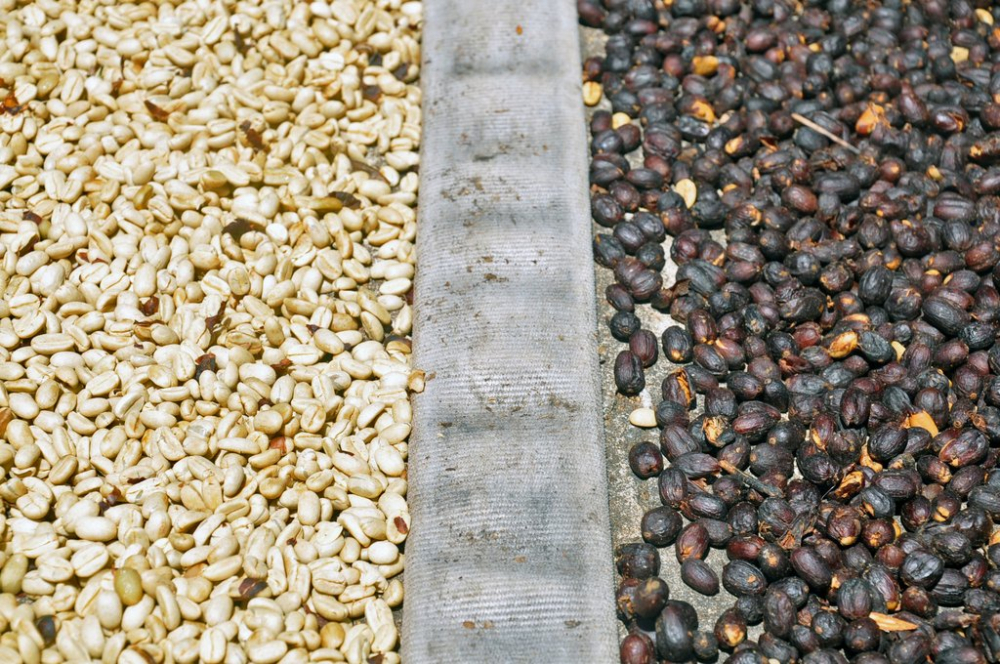
Wet-hulled can be seen as a special washed process. Its difference from washed processing is that when drying is halfway done, the parchment is removed to speed up drying, which also easily causes the bean body to crack and form a "goat hoof" shape. However, with advances in wet-hulled processing in recent years, goat hoof beans have become increasingly rare. The most famous representative is Front Street Golden Mandheling.
Honey process and semi-washed process fall between natural and washed. The difference between these two methods is that honey process involves no water contact throughout, while semi-washed involves removing the peel, soaking in water briefly, and then sun-drying. From the perspective of silver skin residue, aside from raisin honey process and black honey process, other honey processes and semi-washed processes are more like washed processing. Representative beans include Front Street Colombia · Hacienda La Esperanza Geisha and Front Street Strawberry Candy, both available at the Front Street flagship store.
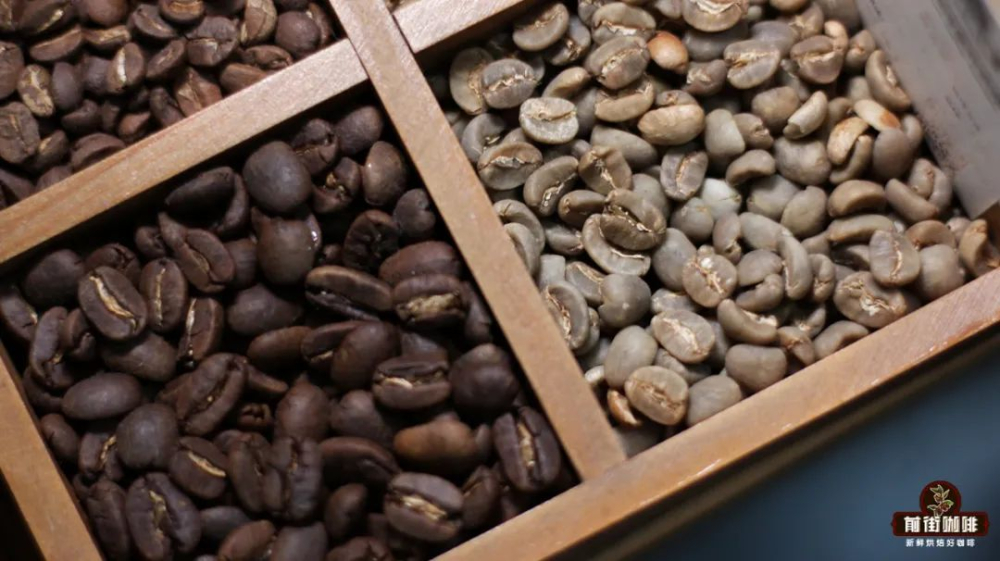
With the preamble out of the way, let's get to the point. Generally speaking, among roasted beans, naturally processed coffee beans have less silver skin, while washed coffee beans have more silver skin, with a white line lodged in the bean crevice—that is the residual silver skin.
So by observing whether a coffee bean has a white line, you can roughly determine whether it is natural or washed. Naturally processed, raisin honey processed, and black honey processed coffee beans shed their silver skin relatively cleanly after roasting, so no white line appears in the bean crevice, and there are fewer silver skin fragments after grinding.
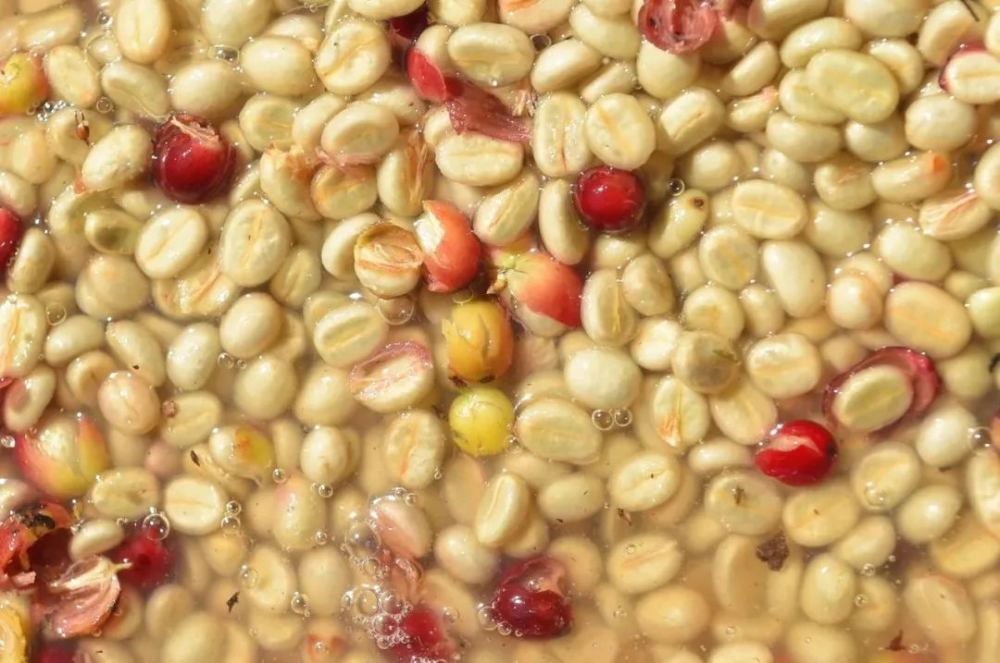
But how do you distinguish these three? Still look at the roasted beans first. Generally, naturally processed coffee beans have a more uniform color, while honey processed coffee beans tend to retain sugar stains in the crevice or at both ends, making caramelization more obvious after roasting—that is, the color in the crevice or at both ends will be darker. Raisin honey processed beans have a more pronounced aroma than black honey processed beans. Representative coffees include Front Street Costa Rica Mozart and Front Street Costa Rica Strawberry Candy.
If a coffee bean has a white line in the crevice, it can be preliminarily judged as washed processing. Aside from Indonesia's wet-hulled method and Brazil's semi-washed method (these two are relatively easy to distinguish by bean appearance), the remaining small proportion includes Costa Rica's red honey and yellow honey processes. So, apart from these three countries, seeing a white line in a coffee bean basically indicates washed processing.
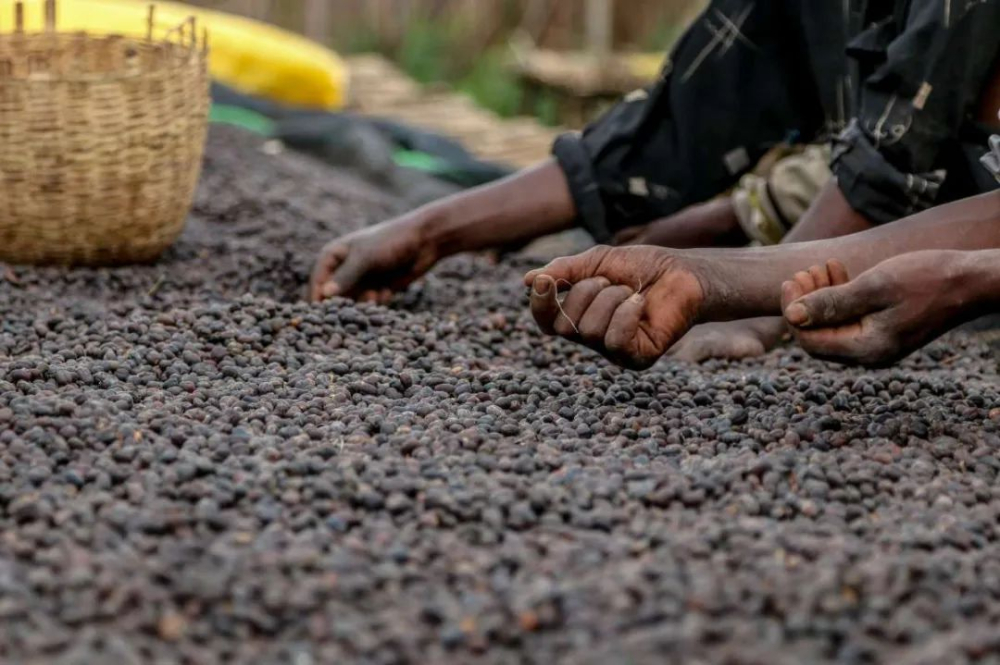
Relying on this one technique, you can identify the processing method of almost 90% of coffee beans.
-Taste the differences between processing methods
Aside from some region-specific wet-hulled and semi-washed methods that don't need to be judged, tasting is mainly used to distinguish coffee beans from the same origin that offer both natural and washed processing. Flavor is different from appearance—it's hard to understand just from others' descriptions; you must personally taste and compare to imprint it in your mind.
Naturally processed and washed coffee beans from the same origin show relatively obvious differences in flavor expression, while the inherent regional flavor characteristics remain unchanged. For example, the Yirgacheffe region is described as having flavors of citrus, lemon, jasmine, honey, and green tea. Representative coffees include Front Street Gutingding, Front Street Red Cherry, and Front Street Washed Yirgacheffe Everyday Beans.
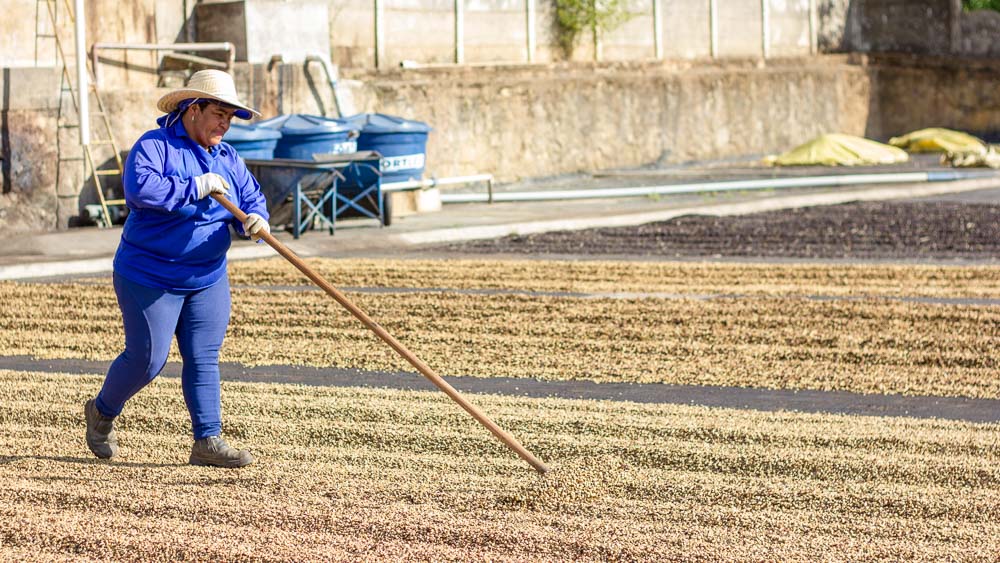
Naturally processed coffee beans perform better in layering and sweetness, drinking with a citrus main note, accompanied by relatively sweet berry and fermented aromas. Washed processing emphasizes a fresh and clean flavor profile, drinking with a citrus main note, jasmine aroma, and a green tea finish, with overall acidity being more pronounced.
You can also simplify your understanding: in the range between natural and washed, natural tastes noticeably sweeter, with rich layering and obvious fermented notes; washed tastes clearer, cleaner, softer, and lighter.
Once you understand the difference between natural and washed processing, the remaining processing methods are easy to understand. For example, the same applies to anaerobic processing—anaerobic natural has a richer flavor than anaerobic washed. In other words, if not handled well, the taste will be more muddled. So currently, anaerobic washed is more controllable than anaerobic natural. Whether it's the anaerobic procedure or the barrel-aging procedure, both aim to produce some surprising flavors through artificial control of fermentation.
So when we taste some very vivid flavors, they come from anaerobic (enzyme) processing procedures. But what Front Street wants to say is that not all anaerobically processed coffee beans have such exaggerated, obvious flavors—this is just the result chosen by most processors to highlight certain characteristics. There are also anaerobic fermentation processes like those at Elida Estate, which ferment to produce more pleasing flavors while preserving the Geisha flavor, but not in an exaggerated way. Anaerobic processing is just a technique; the final flavor expression depends on the processor's goals and skill.
The above content is compiled by CoffeeHunters, a coffee news website.


