







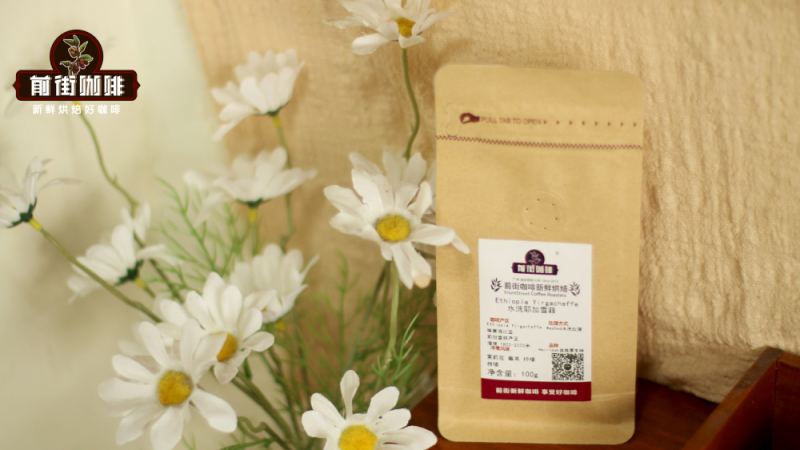
How does processing change Yirgacheffe coffee?
Washed Yirgacheffe is known for bright acidity and a clean, refreshing cup, while natural processing adds fermented fruit aromas and stronger sweetness. Ethiopia introduced washed processing from Central and South America in 1972 to raise quality, and that method became the region's signature. Natural lots still keep the floral and citrus notes that define Yirgacheffe coffee.
The natural revival traces to Abdullah Bagersh, who launched Idido Natural Specialty Coffee Beans in 2006; the coffee won multiple awards and by 2007 lots from Biloya and Aricha followed. The two styles also differ in coffee green bean appearance and roasting behavior, so washed and natural Yirgacheffe usually need separate roast profiles and brewing parameters.
Yirgacheffe, as an entry-level specialty coffee region, has two processing methods—washed and natural—each with its own characteristics. Washed Yirgacheffe is known for its bright acidity and clean, refreshing taste, while the natural process brings a more pronounced fruity juiciness and sweetness. Starting from the geographical features of the Yirgacheffe region, this article reviews the rise of the natural retro style, compares in detail the differences between washed and natural in processing techniques, green bean appearance, roasting performance, and cupping flavors, and includes Front Street Coffee's roasting suggestions and brewing parameters. Whether you prefer fresh acidity or rich fruity sweetness, you can find the cup of Yirgacheffe that suits you.
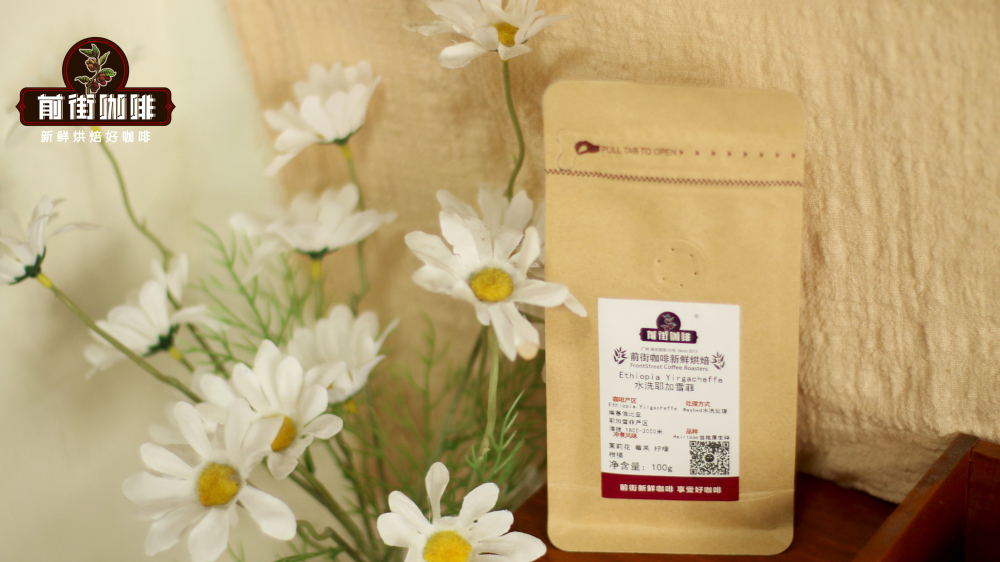
The Yirgacheffe coffee region is already familiar to most people. Its bright acidity and clean, refreshing taste have led countless people to choose it as their first bean for entering the world of specialty pour-over. In recent years, a retro trend of natural processing has emerged in Yirgacheffe.
In many people's impressions, Yirgacheffe has always been a region centered on washed processing. Front Street believes that the reason locals favor the washed method is that it fully showcases Yirgacheffe's floral aroma and lemon-like acidity, bringing a fresh and pleasant experience. However, Yirgacheffe originally mostly used natural processing. In 1972, the Ethiopian government, in order to improve coffee quality, introduced washed processing technology from Central and South America, which gave Yirgacheffe coffee a clearer, more refined style and won it broader appreciation.
As mentioned earlier, Yirgacheffe has sparked a natural retro trend—so what exactly caused this trend? After reviewing materials, Front Street found that a coffee trader named Abdullah Bagersh, who grew up drinking natural coffee, witnessed washed processing about to completely marginalize the traditional natural craft, and in 2006 launched "Idido Natural Specialty Coffee Beans." This bean caused a sensation upon release and won multiple awards. Natural Yirgacheffe has fermented fruity aromas, prominent sweetness, while retaining Yirgacheffe's characteristic floral and citrus notes.
By 2007, the natural trend grew even stronger. Besides Idido, coffee beans from Yirgacheffe's Biloya and nearby Aricha were the brightest stars of the time. These three beans, through exquisite natural processing, shed the off-flavors common in regular natural beans, possessing both the melon-like sweetness and berry, mango acidity of natural processing, and the orange aroma and elegant floral notes of washed Yirgacheffe. They shocked the global specialty coffee scene at the time and proved to the world that Yirgacheffe beans are not limited to washed—natural processing can also shine brilliantly.
Front Street believes that both processing methods have their own merits. Washed Yirgacheffe gives an impression of freshness, cleanliness, and bright acidity; natural processing brings more prominent juiciness and sweetness. As for which tastes better, washed or natural, it ultimately depends on personal taste preference.
Yirgacheffe
Yirgacheffee
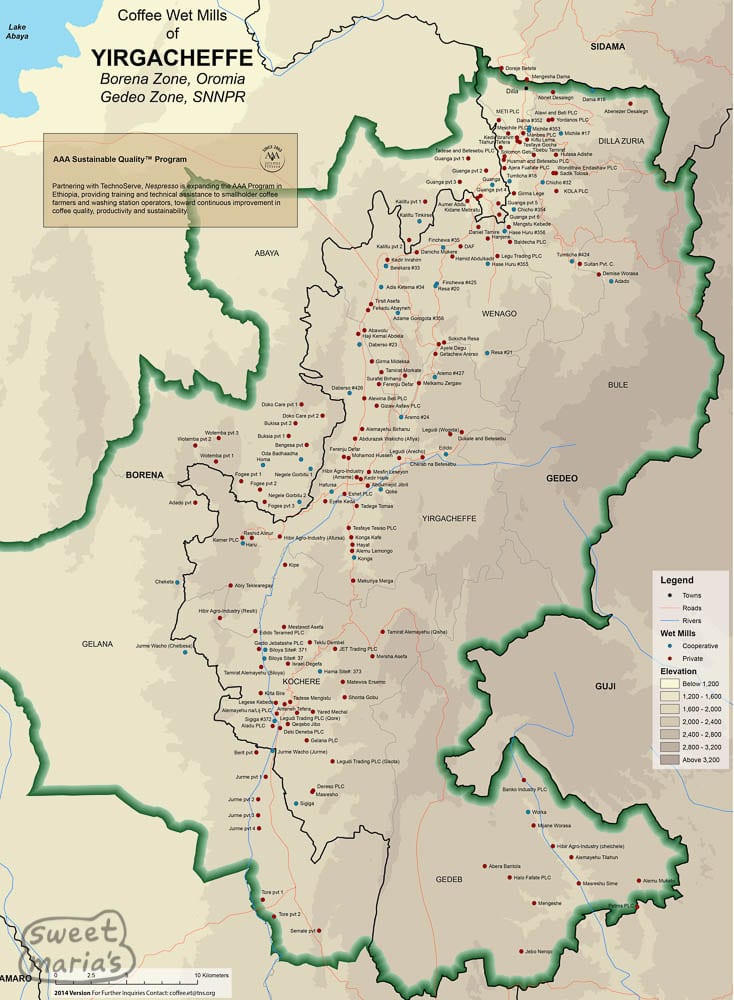
Yirgacheffe is located on the eastern edge of the East African Rift Valley, with a highly fragmented terrain, at an altitude between 1,800 and 2,000 meters, making it one of the highest average altitude coffee regions in Ethiopia. To its west lies Lake Abaya, which has been a wetland since ancient times with abundant water, providing unique conditions for Yirgacheffe's washed processing stations.
Yirgacheffe was originally part of the Sidamo region, but was separated due to its unique flavor and now stands as its own region, having become Africa's most renowned coffee region.
Washed Processing
Washed
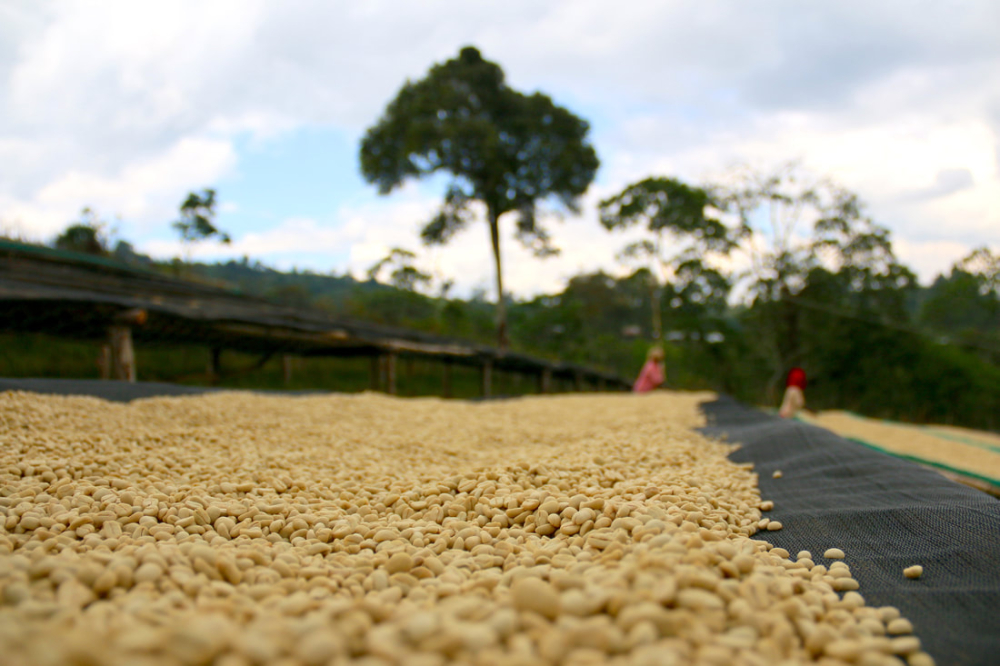
The washed method removes impurities (stones, debris, etc.) and defective beans through various stages, so green beans have a uniform appearance and are generally considered higher quality, with trading prices higher than naturally processed coffee beans. However, the more detailed the process, the more stages of operation and hygiene management, and the higher the risk, so washed does not necessarily equal high quality. Front Street Coffee believes that washed coffee has more pronounced acidity, better cleanliness, moderate body, and the most consistent green bean quality.
First, the sorted coffee cherries are sent to a depulper to initially remove the skin and pulp; then the green beans with residual pulp and mucilage are immersed in water to ferment for about 24 hours; after fermentation, the parchment beans are placed in a flowing water channel to wash off the pulp and mucilage; after washing, they are sun-dried or machine-dried to reduce moisture content to about 12%. Finally, the parchment is removed from the green beans.
Natural Processing
Natural
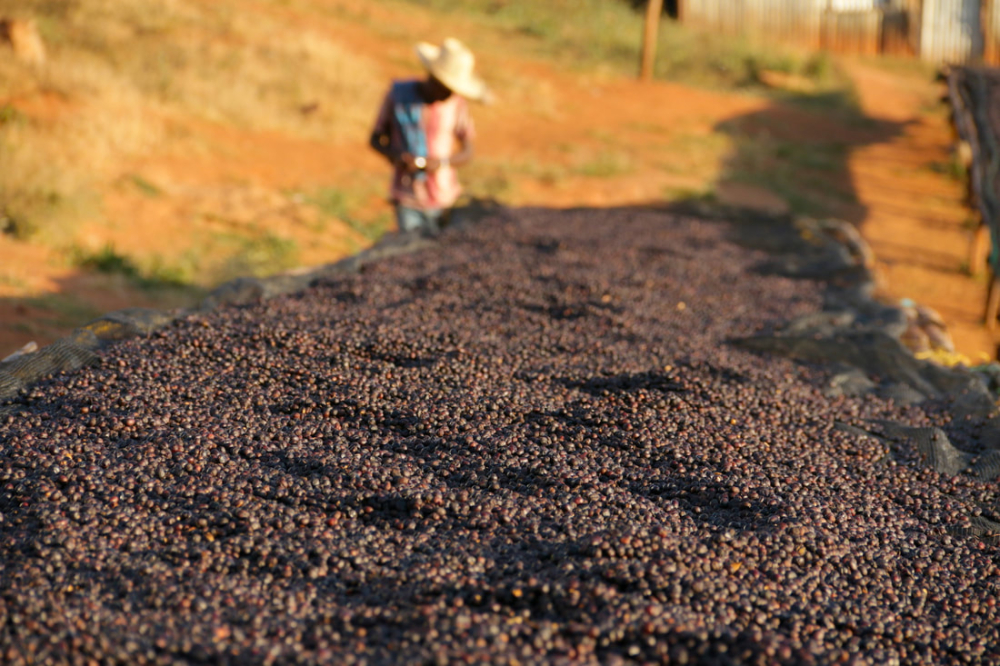
Natural processing is one of the oldest and most traditional methods. Coffee fruits are picked and directly dried in the sun, common in areas with abundant sunlight or scarce water. For example, in Ethiopia, nearly 70% of coffee fruits from all regions use natural processing. Front Street believes that compared to washed coffee, natural coffee has lower acidity, higher sweetness, clearer body, but slightly inferior cleanliness. In flavor, it presents more berry-like notes and is more complex.
Yirgacheffe's natural processing involves sorting usable coffee cherries, then placing the whole cherries with pulp and skin intact on raised beds for sun-drying. This labor-intensive raised-bed drying method isolates them from ground contact, preventing earthy off-flavors during drying, thereby creating exceptionally clean fruit flavors. After more than two weeks of sun-drying, the dark brown coffee fruits are professionally stored, waiting for the flavor to fully mature. The coffee beans are only removed from the cherries before shipment, and the sweetness is imaginable.
Next, starting from the green beans of Yirgacheffe washed and natural processing, we compare Front Street Coffee's Yirgacheffe washed Gudingding and natural Red Cherry through roasting, cupping, brewing, and more.
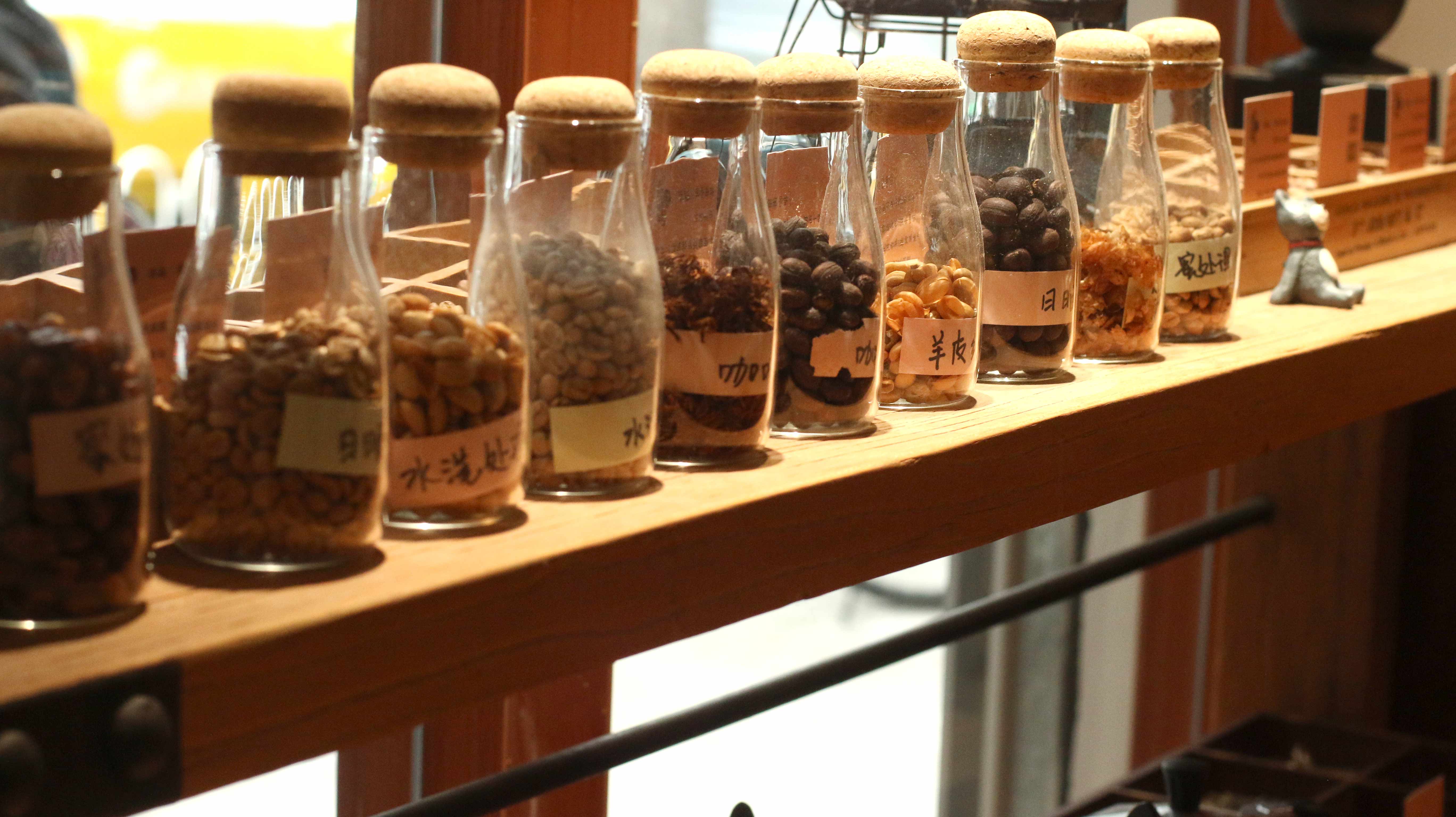
Front Street Coffee Green Bean Comparison
In green bean form, natural beans appear yellow-green with more silver skin; washed beans are blue-green with less silver skin. This is because washed beans undergo prolonged soaking during processing, the silver skin separates from the coffee bean, and when the parchment is removed, the outer silver skin is peeled off along with it, so washed green beans have very little residual silver skin on the surface.
Natural beans are the opposite—the skin and pulp remain attached to the bean, and the silver skin adheres tightly to the coffee bean, making it hard to fall off when removing the parchment, so natural green beans still have much outer silver skin attached to the surface.
Front Street Coffee Roasted Bean Comparison
Although green beans show less silver skin for washed and more for natural, during roasting, the silver skin at the center line of washed coffee beans is the hardest to fall off. Natural beans have outer silver skin connected in one piece, which easily falls off together with the center line silver skin, so after roasting, natural roasted beans have silver skin peeled off very cleanly.
Washed beans are the opposite—because there is almost no outer silver skin connection, the silver skin at the center line crack cannot easily peel off and instead remains after roasting. This is why roasted beans show more silver skin for washed and less for natural.
Front Street Roasting Suggestions
Natural Red Cherry uses Yangjia 800N, with 600g bean charge: raise drum temperature to 200°C and charge, set airflow to 3.5, adjust heat to 160°C after 1 minute, keep airflow unchanged, at 148°C adjust heat once down to 130°C, roast until 5'03'', temperature 151°C, bean surface turns yellow, grassy smell completely disappears, dehydration complete, adjust heat to 105°C, open airflow to 4; at the 8th minute, ugly wrinkles and dark spots appear on the bean surface, the toast smell clearly turns to coffee aroma, which can be defined as the prelude to first crack, at this point listen clearly for the sound of first crack, at 9'07'' first crack begins, reduce heat to 70°C, open airflow fully (adjust heat very carefully, not so low that there is no crackling sound), drop at 194°C.
Washed Gudingding uses Yangjia 800N, with 480g bean charge: raise drum temperature to 175°C and charge, set airflow to 3, heat at 120; turning point at 1'32'', at drum temperature 140°C keep heat unchanged, open airflow to 4; at this point bean surface turns yellow, grassy smell completely disappears, entering the dehydration stage, at 166°C reduce heat to 100, at 176°C reduce heat to 80, keep airflow unchanged. At 8'28'', ugly wrinkles and dark spots appear on the bean surface, the toast smell clearly turns to coffee aroma, which can be defined as the prelude to first crack, at this point listen clearly for the sound of first crack, at 9'38'' first crack begins, adjust airflow to 5 (adjust heat very carefully, not so low that there is no crackling sound), after first crack develop for 1'30'', drop at 193.5°C.
Front Street Cupping Report
Natural Red Cherry's dry aroma exudes intense fruit fragrance, with heavy dried fruit notes, strawberry, mango, and apricot jam aromas. The wet aroma is like sweet syrup, like thick apricot pulp juice, wrapped in rustic honey or chocolate. The entry is not intense, medium body, like fruit black tea.
Washed Gudingding's dry aroma exudes fresh passion fruit, citrus, and berry acidity. The wet aroma is citrus and berry, with citrus acidity, berry sweetness, almond, tea notes on the entry, and a honey-sweet finish. Low body, bright acidity, clean and refreshing.
Front Street Brewing Suggestions
Dripper: V60 #01
Water temperature: 90-91°C
Dose: 15g
Coffee-to-water ratio: 1:15
Grind size: BG6m / caster sugar size (80% passes through No. 20 sieve)
Front Street brewing method: First pour 30g of water for a 30-second bloom, then pour 95g (scale shows about 125g), finish pouring in about 1 minute, when the water level drops to 2/3 of the coffee bed pour the remaining 100g (scale shows about 225g), finish pouring in about 1 minute 35 seconds. Drip completes in 2 to 2 minutes 10 seconds, remove the dripper, extraction complete.
Washed Gudingding brewing flavor: citrus, black tea on the entry, with temperature changes presenting cream, caramel, almond finish, obvious sweet aftertaste and a clean, sweet taste.
Natural Red Cherry brewing flavor: lemon, licorice, citrus, berry, sweet orange, overall higher sweetness, caramel and cream in the aftertaste, with black tea aroma in the finish.
The above content is compiled by CoffeeHunters, a coffee news website.


