








Can You Identify Coffee Bean Processing by Sight?
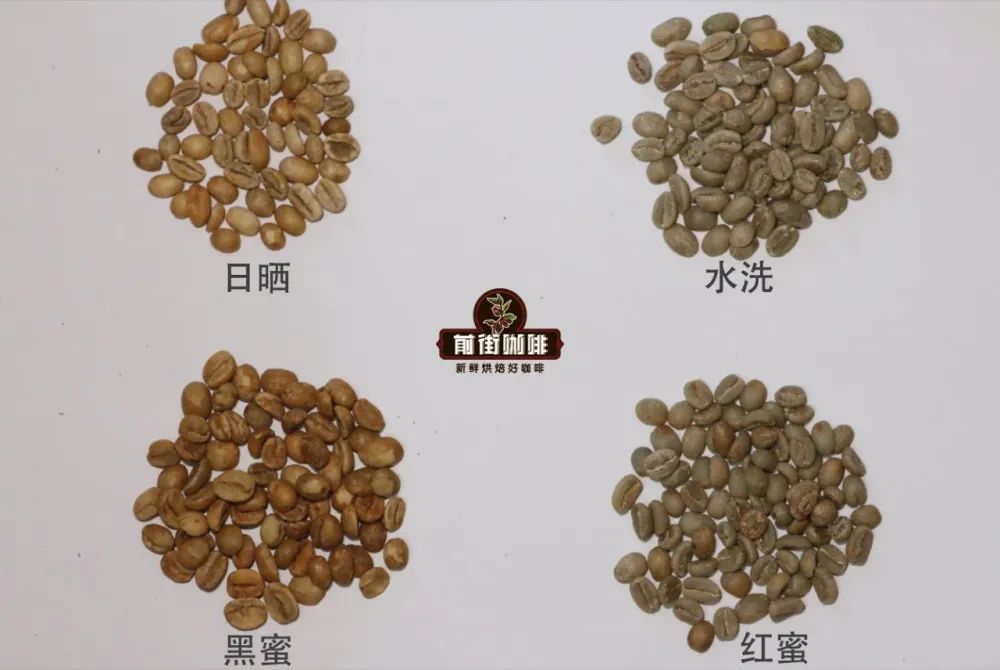
Bean appearance gives strong clues about coffee bean processing. Natural process beans often keep more silver skin, show uneven color, and may carry sugar stains from dried fruit. Washed beans look cleaner and more uniform, with the white line in the crease clearly visible. Honey and semi-washed lots sit between those two.
The global staples are washed and natural, with sub-styles such as anaerobic washed, slow natural, and barrel fermentation still following the parent method. Regional approaches include Indonesia's wet-hulled method and Central American honey processing. Flavor follows suit: naturals tend toward sweetness and complexity, washed toward clarity, so appearance and taste together confirm the process.
Faced with a dazzling array of coffee beans, how can you tell from appearance and flavor which processing method they underwent? Starting from Front Street Coffee's practical experience, this article teaches you to observe bean surface features such as remaining silver skin, the white line in the bean crease, color, and sugar stains, to quickly distinguish common processing methods like natural, washed, honey, and wet-hulled. At the same time, using examples from producing regions such as Yirgacheffe, it compares the flavor differences between natural and washed in sweetness, complexity, and cleanliness, and extends to the craft logic of anaerobic processing and barrel fermentation, helping you understand more systematically how processing methods shape coffee flavor.

For more specialty coffee knowledge, please follow the WeChat public account: Front Street Coffee (FrontStreet Coffee)
Some friends are very impressive—they can take one sip of coffee and accurately say what coffee bean it is, and some can even tell at a glance the approximate origin, variety, and processing method of the coffee beans. This is not because they are especially gifted, but because they know some judgment techniques.
Front Street has shared before about judging variety, and this time Front Street will teach everyone how to distinguish the processing method of coffee beans.
-Observe the amount of silver skin
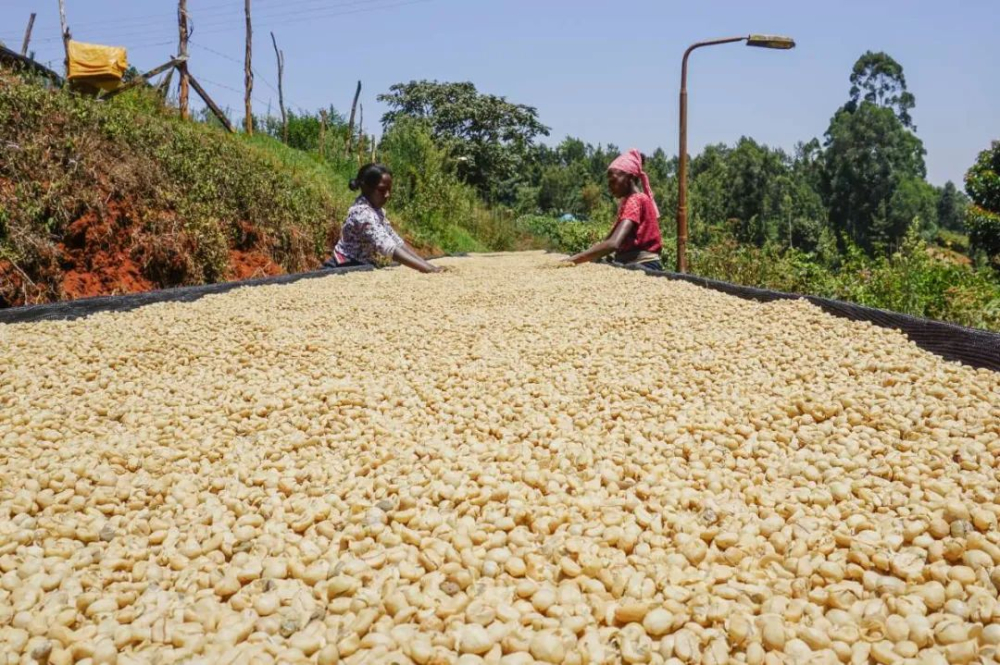
Although there are now many, many coffee bean processing methods, when categorized, they are essentially just 2 global common processing methods and 2 regional processing methods. The globally common processing methods are washed and natural. These two processing methods are the most widely used, among which washed also includes anaerobic washed and washed followed by barrel fermentation;
natural also includes anaerobic natural, slow natural, cacao natural, and so on. These processing methods are essentially washed or natural, and in bean appearance they still retain the characteristics of the essential processing method.
The 2 regional processing methods refer to Indonesia's wet-hulled method and Central and South America's honey process and semi-washed method. These processing methods were developed according to local conditions, so basically, if you can determine that a coffee bean has the characteristics of these processing methods, you can infer the coffee bean's origin.
The wet-hulled method can be seen as a special washed process. Its difference from washed processing is that when drying is halfway complete, the parchment is removed to speed up drying, and it also easily causes the bean body to crack, forming a "goat hoof" shape. However, with advances in wet-hulled processing in recent years, goat hoof beans have become increasingly rare.
Honey processing and semi-washed processing fall between natural and washed. The difference between these two methods is that honey processing involves no water contact throughout, while semi-washed involves soaking in water after removing the fruit skin and then sun-drying. From the perspective of remaining silver skin, except for raisin honey processing and black honey processing, other honey processing and semi-washed processing are more like washed processing.
With the preamble finished, let's get to the main topic. Generally speaking, among roasted beans, naturally processed coffee beans have less silver skin, while washed coffee beans have more silver skin, with a white line mixed into the bean crease—this is exactly the remaining silver skin.
So by observing whether the coffee beans have a white line, you can roughly determine whether they are natural or washed. For coffee beans such as natural, raisin honey, and black honey, the silver skin falls off relatively cleanly after roasting, so no white line appears in the bean crease, and there are fewer silver skin fragments after grinding.
But how do you distinguish these three? First look at the roasted beans. Generally, naturally processed coffee beans have a relatively uniform color, while honey-processed coffee beans tend to retain sugar stains in the bean crease or at both ends, and after roasting the caramelization is more obvious, meaning the color in the crease or at both ends will be darker. The aroma of raisin honey processing will be more obvious than that of black honey processing.
If there is a white line in the coffee bean crease, it can initially be judged as washed processing. Aside from Indonesia's wet-hulled method and Brazil's semi-washed method (these two are relatively easy to distinguish by bean appearance), the remaining small proportion is Costa Rica's red honey and yellow honey processing. Therefore, except for these three countries, seeing a white line in coffee beans basically allows you to judge it as washed processing.
Relying on this one technique, you can distinguish nearly 90% of coffee bean processing methods.
-Taste the differences in processing methods
Aside from some region-specific wet-hulled and semi-washed methods that do not need to be judged, tasting is mainly used to distinguish coffee beans from the same origin that are offered in both natural and washed versions. Flavor is different from appearance; it is hard to understand from other people's descriptions alone. It must be paired with personal tasting and comparison before it can be imprinted in the mind.
For coffee beans from the same origin, naturally processed and washed processed beans show relatively obvious differences in flavor expression, while the inherent regional flavor characteristics remain unchanged. For example, the Yirgacheffe region is described as having flavors of citrus, lemon, jasmine, honey, and green tea. Naturally processed coffee beans perform better in complexity and sweetness, tasting with citrus as the main note, accompanied by relatively sweet berries and fermentation aroma. Washed processing emphasizes fresh and clean flavor characteristics, tasting with citrus as the main note, with jasmine aroma and a green tea finish, and the overall acidity is more obvious.
Everyone can also understand it in a simplified way: in the range between natural and washed, natural tastes noticeably sweeter, with rich complexity and obvious fermentation notes; washed tastes clearer and cleaner, soft and light.
Once everyone understands the difference between natural and washed processing, the remaining processing methods are easy to understand. For example, the same applies to anaerobic processing: anaerobic natural processing will have a richer flavor than anaerobic washed. In other words, if not handled well, the taste will be more muddled. Therefore, at present, anaerobic washed is more controllable than anaerobic natural. And whether it is the anaerobic procedure or the barrel fermentation procedure, both aim to produce some surprising flavors through artificial control of fermentation.
So some very concrete flavors we taste come from anaerobic (enzyme) processing procedures, but what Front Street wants to say is that not all anaerobically processed coffee beans have such exaggerated and obvious flavors. This is simply the result chosen by most processors because they want to highlight those characteristics. There are also anaerobic fermentation processes like those at Hacienda Elida, which, while preserving Geisha flavor, ferment out more pleasing flavors, but not in an exaggerated way. Anaerobic processing is only a craft; the final flavor expression depends on the processor's purpose and skill.
The above content is compiled by CoffeeHunters, a coffee news website.


