







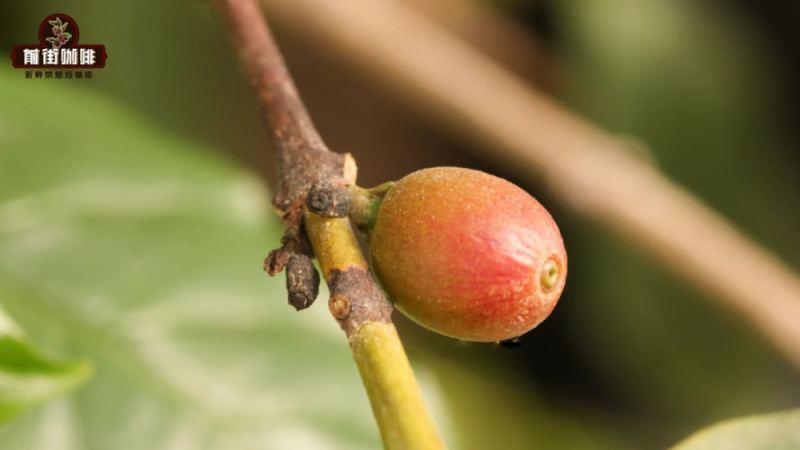
Are coffee beans actually the fruit of the coffee tree? Can they be roasted directly after picking? These questions puzzle many friends who are just getting into coffee. In fact, coffee beans are the seeds of the coffee fruit and need to undergo a series of green bean processing methods to reveal different flavors. Washed and natural, as two mainstream processing methods, show significant differences in workflow, drying time, appearance characteristics, and final cupping performance. Front Street Coffee has found through extensive cupping that washed coffee has bright acidity and high cleanliness, while natural coffee has more complex berry notes and higher sweetness. This article will systematically analyze the principles and flavor characteristics of these two processing methods to help coffee lovers gain a deeper understanding of the decisive influence of processing methods on coffee flavor.
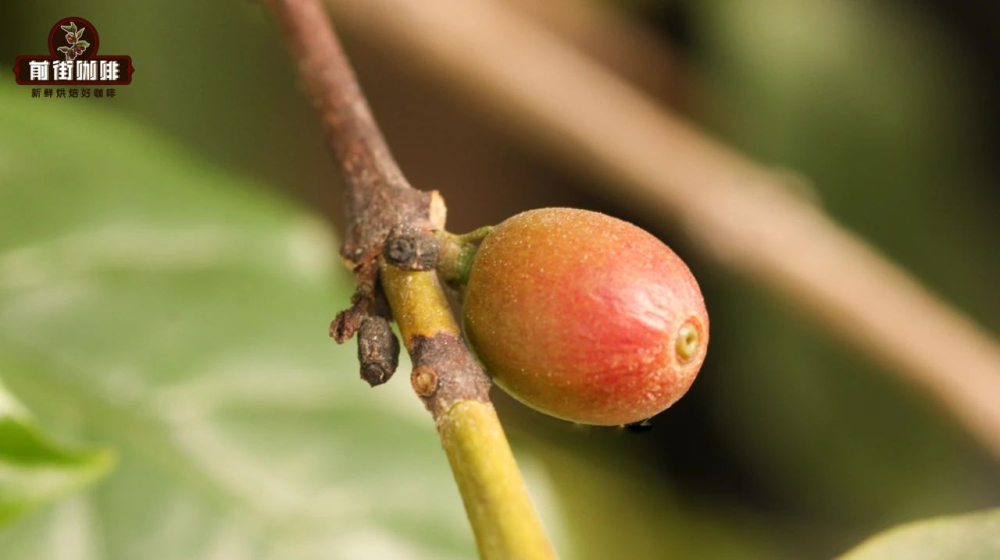
For more specialty coffee knowledge, please follow the WeChat public account: Front Street Coffee
Are coffee beans the fruit of the coffee tree? Can coffee beans be roasted and used directly after picking? These are questions every beginner in coffee asks. In this article, Front Street Coffee will explain where coffee beans come from and how they make their way to everyone's table.
Q1: Are coffee beans the fruit of the coffee tree?
Coffee beans are actually the seeds of the coffee fruit. From the outside to the inside, the coffee fruit consists of the skin, pulp, mucilage layer, parchment, silver skin, and seed (coffee bean). Extracting the coffee beans is not simply peeling off the skin and removing the pulp; rather, it is through a series of steps that allow the coffee beans to express better or different flavors. These steps are what we call green coffee processing.
Q2: Processing is just a process of extracting coffee beans, so why does it affect the taste of coffee?
Washed processing and natural processing—aren't they just washing with water and drying in the sun? Why can these processing methods create different flavor expressions in coffee beans from the same producing region? Washed and natural processing simply indicate whether more water or more sunlight is used in green coffee processing. In fact, both processing methods involve different degrees of fermentation in the coffee beans. When the sugars contained in the coffee pulp or mucilage ferment, more acidity and fermented notes are transferred into the green coffee beans, thus creating different mouthfeel and flavor expressions under different processing methods.
Q3: What is washed processing? How are coffee fruits processed using the washed method?
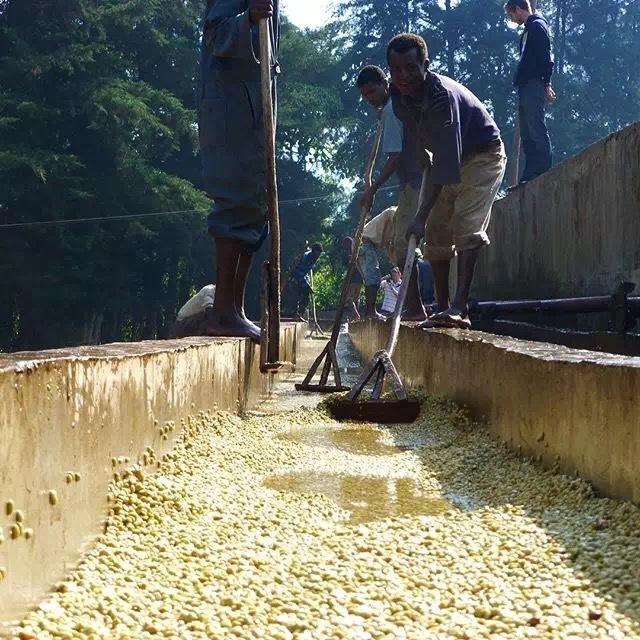
In the washed processing of green coffee, the harvested coffee fruits are first floated to remove coffee fruits with insufficient density. Then the skin and pulp are removed by machine, after which the beans are placed in a tank for fermentation without water or with water for 12-36 hours (the fermentation time is determined by local temperature and the fermentation state of the coffee beans), using fermentation to break down the mucilage layer.
After fermentation is complete, the coffee beans are rinsed with clean water to wash away the mucilage. Finally, the coffee beans with the mucilage layer removed are sun-dried to reduce the moisture content to between 11% and 13%. The characteristic of the washed processing method is that it greatly reduces dependence on weather. Washed coffee beans have a lower moisture content before drying than natural beans do before drying, so the drying time for washed processing is greatly shortened.
Q4: What are the flavor characteristics of washed processing?
Front Street Coffee believes that washed coffee tastes very clean and has high acidity. Coffee grown at high altitude and given washed processing feels even more refined and refreshing.
Q5: What is natural processing? How are coffee fruits processed using the natural method?
Natural processing, as the oldest and most traditional coffee processing method, continues to this day. The coffee fruits are dried in the sun to reduce the coffee's moisture content to 11% to 13%, after which the skin, pulp, and mucilage layer are removed.
The flavor of natural coffee mainly comes from this as well. During sun drying, the coffee beans absorb sugars from the coffee pulp and mucilage layer. Over a drying period of up to one month, the coffee beans have enough time to absorb these sugars. The characteristic of natural processing is that it saves water. For many regions lacking water resources, natural processing is the best choice.
Q6: What are the flavor characteristics of natural processing?
Front Street Coffee believes that natural coffee has a complex, full-bodied taste with refined berry notes. These notes often come from retaining the pulp and skin during sun drying, allowing the sugars from the pulp to be absorbed by the coffee beans, thus developing such wonderful flavors.
Q7: How do you distinguish whether green coffee beans are washed or natural processed?
Front Street has observed that washed and natural green coffee beans show a very obvious contrast in appearance. If you place a washed green bean and a natural green bean side by side for comparison, the washed green bean has a clearly blue-green appearance. The natural green coffee bean, by contrast, tends toward yellow.
Q8: How do you distinguish whether roasted coffee beans are washed or natural processed?
When coffee beans from the two processing methods are placed together for comparison, you can see that washed coffee beans clearly have more silver skin than natural coffee beans. This is because in natural processing, the outer layer of the green bean is connected as a whole piece by the silver skin, making it easier for the silver skin along the center line to come off during roasting, so the final roasted coffee bean does not have silver skin remaining in the center.
Washed green coffee beans are the opposite. There is almost no silver skin connecting the outer layer of the bean, and the silver skin in the crack at the center of the bean cannot be easily peeled off during roasting, so after roasting, silver skin remains in the center of the coffee bean, forming a center line.
Finally! Let's summarize the flavor differences between natural processing and washed processing~
In order to explore the flavor differences between natural and washed processing methods, Front Street Coffee has kept searching through extensive cupping. Front Street Coffee has found that compared with natural processing, washed coffee has higher acidity and higher cleanliness, but its complexity and layering are not as good as natural coffee, while natural coffee has stronger berry notes, is more complex, and also tends to have higher sweetness than washed coffee.
The above content is compiled by CoffeeHunters, a coffee news website.


