







How Does Processing Change Yirgacheffe Coffee Flavor?
Yirgacheffe sits in Ethiopia at 1,700 to 2,100 meters and was once a sub-region of Sidamo before becoming a recognized coffee bean origin of its own. Washed lots show bright lemon and citrus acidity with white floral notes, while natural lots push toward berry and ripe fruit sweetness in the cup.
Both the washed and natural methods start with the same Arabica cherries; the coffee bean process decides what remains. Washed removes the fruit before drying, giving a cleaner, more translucent cup, while natural drying leaves the fruit on the bean for longer, adding sweetness and body at the cost of some clarity.
Yirgacheffe is a specialty coffee region well known to coffee lovers worldwide, famous for its bright citrus-lemon acidity and white floral notes. This article unfolds from three dimensions—regional history, varieties, and processing methods—tracing how Yirgacheffe became independent from a sub-region of Sidamo to a well-known coffee origin, and comparing in detail the processes, pros and cons, and flavor differences between washed and natural processing. The article also draws on Front Street Coffee's roasting and brewing practices, sharing the specific parameters and flavor performance of two coffee beans—Yirgacheffe Natural Red Cherry and Washed Gudingding—providing coffee lovers with a complete reference from understanding the origin to putting it into practice in brewing.

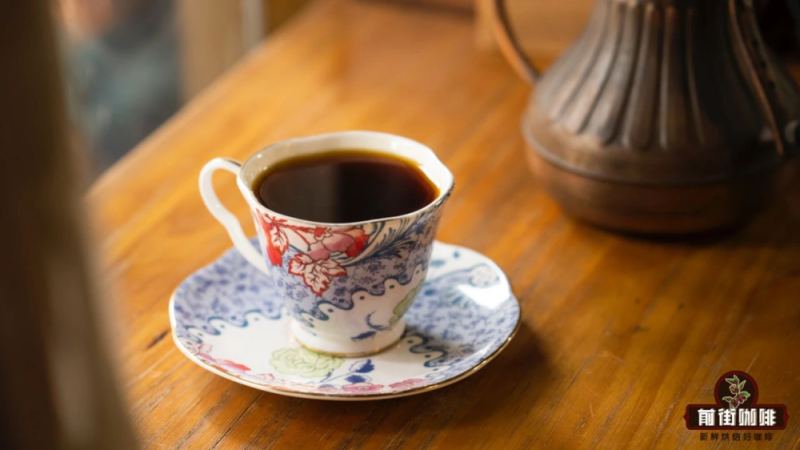
The name Yirgacheffe carries a touch of poetry when spoken, and when tasted, one can capture bright white floral notes, with a clear lemon and citrus acidity on the entry, bitterness hardly perceptible, the overall impression like a cup of fruit green tea at just the right temperature, delightful.
This coffee comes from Ethiopia in Africa, and Ethiopia is widely regarded as the birthplace of coffee, so tracing the exact time of Yirgacheffe's emergence is no longer possible.
Front Street Yirgacheffe coffee beans have always been praised for their clean, translucent cup and citrus-lemon acidity, and their rise to the world stage owes much to the washed processing method. However, Front Street Coffee believes that Yirgacheffe is not only about washed beans—there is also a natural-processed coffee bean that performs equally well. Below, Front Street Coffee will analyze the flavor differences these two processing methods give to Yirgacheffe.
Yirgacheffe Coffee Region
Front Street Coffee often says that understanding a coffee bean requires approaching it from three angles: origin, variety, and processing method. Next, Front Street Coffee will introduce these three points one by one for coffee fans.
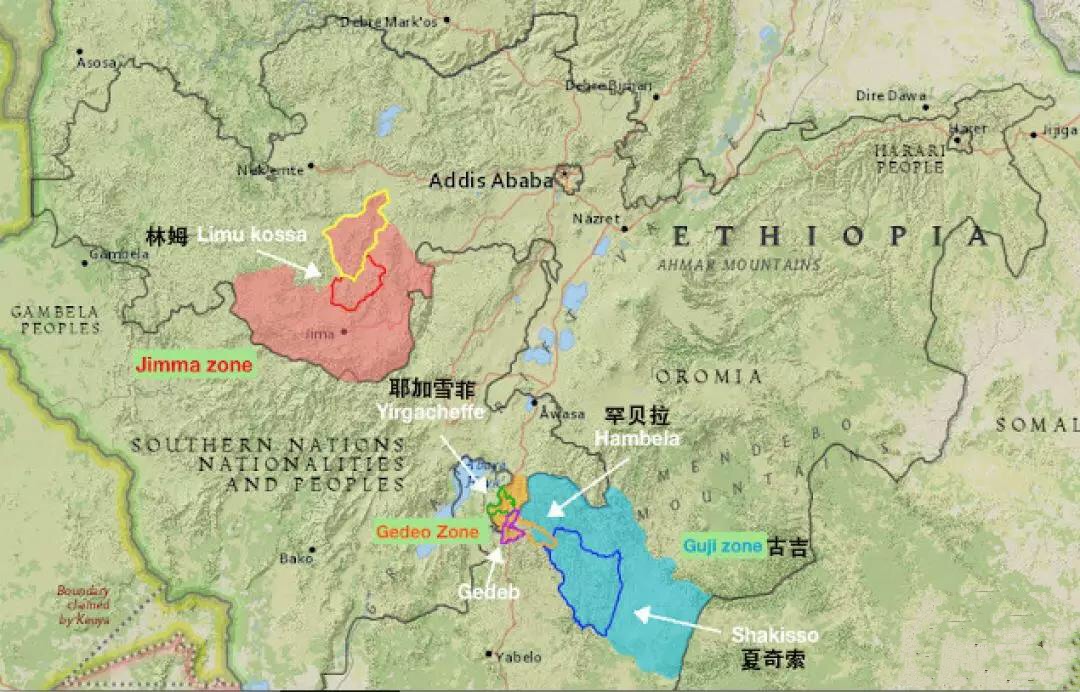
Yirgacheffe is a small town in Ethiopia, at an altitude between 1700 and 2100 meters, one of the highest coffee-growing regions in the world, conditions very suitable for Arabica coffee. Strictly speaking, as Front Street mentioned above, Yirgacheffe was originally a sub-region under the Sidamo Province of Ethiopia, located northwest of Sidamo, nestled by mountains and water. Because the coffee beans produced in this small town had truly outstanding flavor, it was later declared independent by the EXC.
Additionally, according to Front Street's understanding, under Ethiopia's current ECX system, the Yirgacheffe area is divided into four sub-regions: Yirgacheffe, Worka, Kochere, and Genlena Abay. The soil here is fertile, with an average altitude above 1800 meters and significant temperature differences between day and night. The different production methods of each sub-region, combined with the local unique heirloom coffee gardens, make each batch of coffee beans distinctive in flavor and highly recognizable.
The name of the Yirgacheffe region is also quite interesting to Front Street—"yirga" means to settle down, and "cheffe" means wetland, so together it means "let us settle in this wetland." Front Street Yirgacheffe Coffee Processing Methods
As Front Street Coffee said above, Yirgacheffe coffee became famous because of the washed processing method. In the early days, Yirgacheffe, like other Ethiopian regions, used the most traditional natural processing method. It was not until 1972 that Ethiopia, in order to improve coffee bean quality, introduced washed processing technology from Central and South America, and this change allowed the citrus-lemon aroma of Yirgacheffe coffee beans to be amplified, and the mouthfeel became fresher and brighter.
Because of this, Yirgacheffe quickly rose to become a representative of the world's specialty coffee, and thereafter the region was dominated by washed coffee beans. Entering the 21st century, natural processing techniques gradually improved, and the specialty coffee market began to see eye-catching natural beans. At that time, a Yirgacheffe coffee trader named Baghisi, missing the flavor of traditional natural coffee, set about improving the natural process and launched several outstanding natural coffee beans, allowing natural beans to regain a place in the Yirgacheffe region. For example, the Yirgacheffe Natural Red Cherry coffee beans in Front Street Coffee's shop are deeply loved by coffee fans.
In other words, today Yirgacheffe performs well whether washed or natural processed. Next, Front Street will explain the differences between these two processing methods.
Natural Processing Method
As Front Street Coffee mentioned above, natural processing is the oldest coffee bean processing method, also called "dry processing." It does not require high-end equipment—as long as there are consecutive sunny days it can be done, and the sun-drying process takes 27 to 30 days, so it has high requirements for climate conditions and suits countries in arid regions. For example, Ethiopia, which Front Street Coffee just mentioned, is itself a coffee-producing country that widely uses natural processing, because the country has high altitude, dry climate, and scarce water resources. The reason the Yirgacheffe region generally uses washed processing is that the area itself is a wetland, the region of Ethiopia richest in water resources.
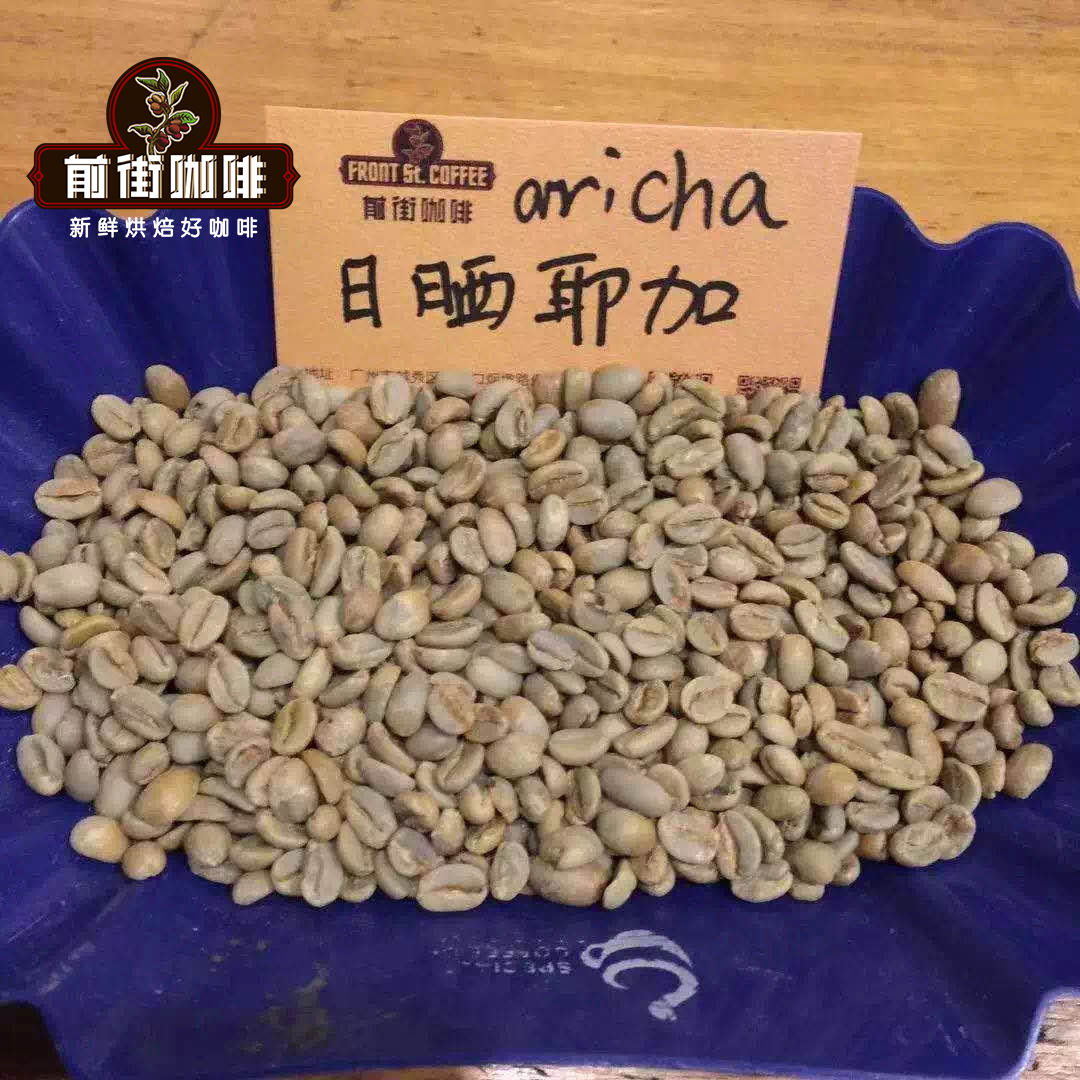
It is worth noting that although natural processing is simple to operate, precisely because of this, naturally processed coffee beans do not look attractive, with cracks on the surface, not very pleasing.
Natural Processing Method Process
1. First, pick ripe coffee cherries, then manually sort to remove defective, overripe, or insect-damaged cherries, keeping high-quality beans. This is also an important reason why the coffee beans in Front Street's shop have a relatively uniform and attractive appearance.
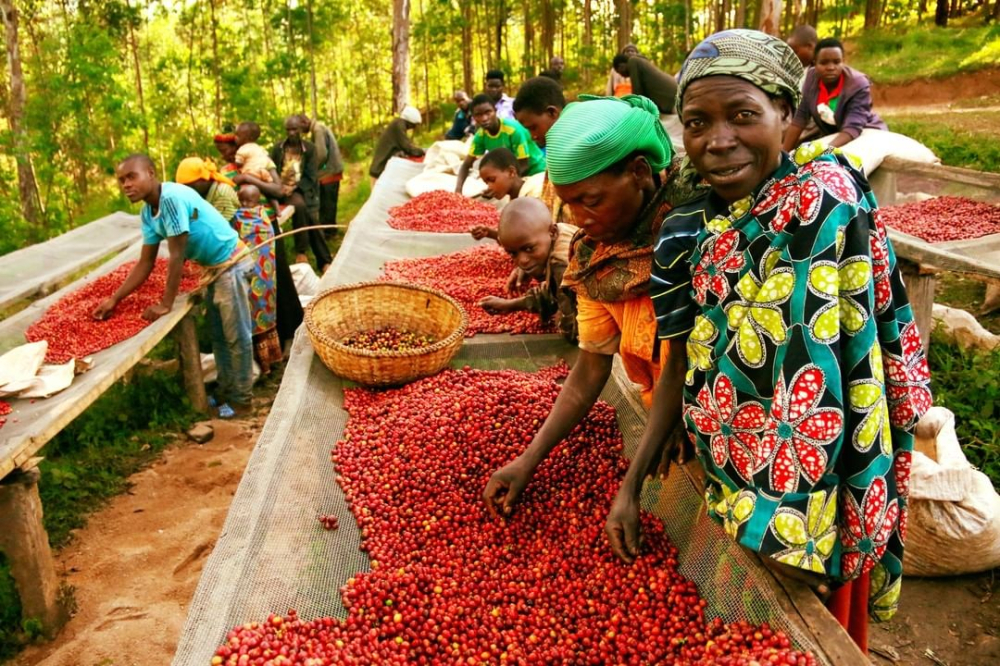
2. The good cherries after manual sorting are sent to drying areas for processing. Different regions use different drying racks—some use tarps, some use raised beds or concrete floors. The average drying time is 27 to 30 days, until the coffee's moisture content drops to 11% to be considered complete.
3. This step is also quite critical—the dried coffee cherries are sent to a specialized processing plant for peeling and hulling, even polishing, to remove the pulp and other parts, only then obtaining the coffee beans commonly seen in the true sense.
4. The hulled green coffee beans are sorted again to remove beans with poor appearance. This is because over-dried coffee beans are more fragile and easily break during hulling, while under-dried coffee beans contain too much moisture, and the active water easily breeds bacteria and causes mold, so they need to be sorted again before being sent to storage and packaged for export.
Pros and Cons of Natural Processing
Pros: As Front Street said above, natural processing is simple to operate, meaning the cost is not high, so natural coffee beans have an irreplaceable fermented flavor. Today coffee farmers are also beginning to value natural coffee beans, for example placing beans on racks to dry and turning them frequently to prevent contamination—precisely because of this, Front Street's shop can carry so many high-quality natural coffee beans.
Cons: As Front Street also mentioned above, natural coffee beans have very strict weather requirements, and the dryness of the cherries is harder to control. If the drying yard is not clean, the coffee beans easily mix with impurities, leading to more defective beans. During the drying process, the coffee cherries with fruit and pulp are very prone to mold and rot. Fortunately, with technological development, coffee farmers pursuing higher-quality natural beans have begun using instruments and manpower to closely monitor fermentation and drying levels, removing any abnormalities found. This costs more to operate but is more meticulous, hence called refined natural.
Flavor Performance of Natural Coffee Beans
Due to long exposure to the sun, natural coffee beans have a more intense flavor and richer layering, with winey fermented notes, and the sweetness is usually higher.
Washed Processing Method
The second common processing method is washed processing. Most of Front Street's coffee beans from different regions also use washed processing, especially Front Street's everyday beans, because washed coffee beans are cleaner, with more translucent flavor performance, matching the most original taste of the coffee cherry. Therefore Front Street also often says that the flavor of washed coffee beans is the guiding light for understanding a region's style.
Washed Processing Method Process
1. First, coffee farmers pour all harvested coffee cherries into water—defective beans float to the surface, and those that sink to the bottom are qualified cherries. This operation greatly reduces the time needed to pick bean by bean.
2. The sorted cherries are put into a depulper to remove the skin and pulp. After removal, a layer of mucilage still remains on the surface of the coffee cherries, which needs to be rinsed clean with plenty of water.
3. Then fermentation is used to thoroughly remove the mucilage; this process takes about 18 hours. After fermentation is complete, fermentation bacteria will attach to the surface of the cherries, so they need to be rinsed again with plenty of water. In this step, obtaining 1 kilogram of coffee beans requires consuming 40 to 50 kilograms of water—Front Street considers this a considerable number, and it is precisely why arid countries cannot adopt washed processing.
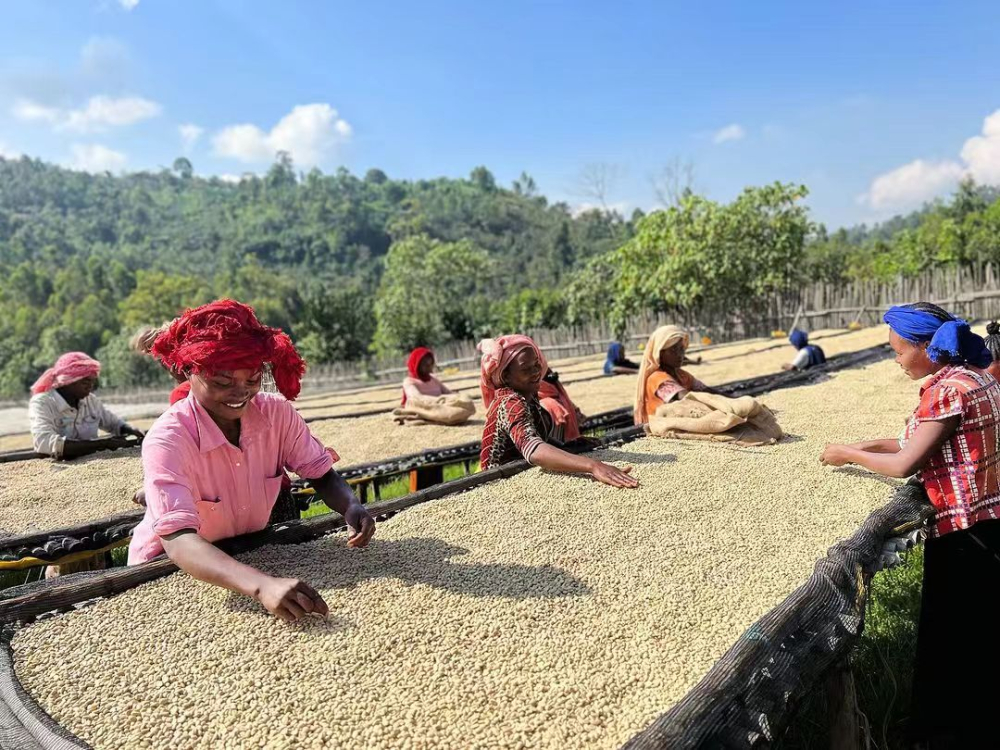
4. The washed coffee beans can then be dried. Some regions take them outdoors to dry directly, while some more developed regions send them to processing plants for machine drying, reducing the coffee's moisture content to about 11%.
5. Finally, the dried coffee beans are stored and packaged, ready for sale and export.
Pros and Cons of Washed Processing
Pros: Coffee beans washed with plenty of water have fewer impurities and a more intact appearance, and because the skin and pulp are removed from the start, there is no need to worry about mold, so overall quality is more stable.
Cons: The washed processing method is complex and tedious, and requires large amounts of water, so the cost is higher, and it is less used in regions short of water resources.
Flavor Performance of Washed Coffee Beans
As Front Street said above, washed coffee beans have a cleaner, more translucent flavor, with acidity and fruity notes, a bright mouthfeel, and relatively lower sweetness and body.
Differences Between Washed and Natural Coffee Beans
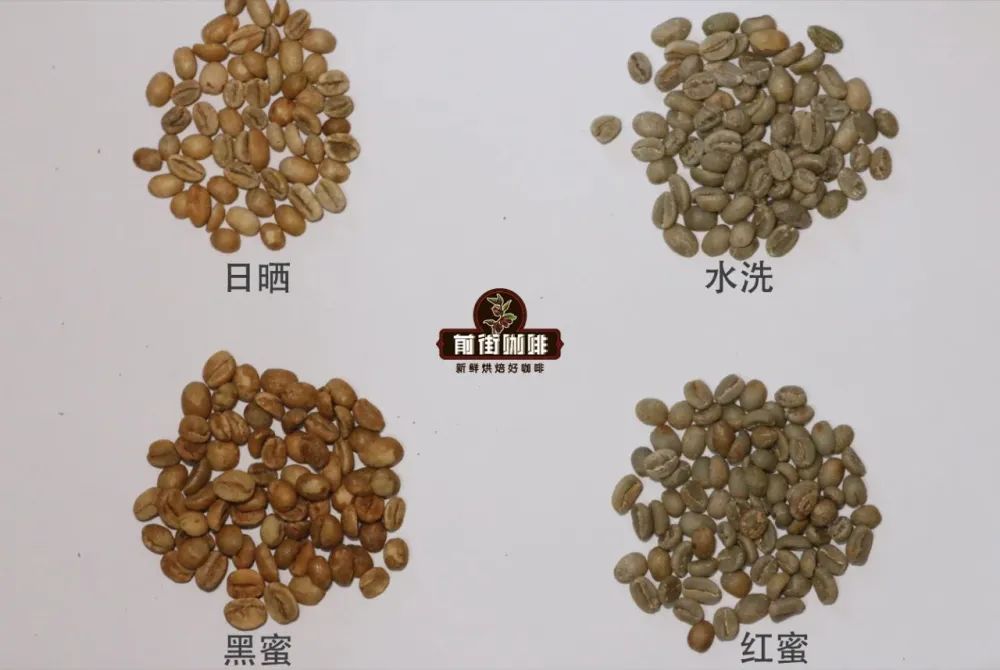
The most essential difference between natural and washed is that natural processing retains the flavor of the pulp, while washed removes the pulp flavor, representing the most essential taste of the coffee bean. The difference in mouthfeel is obvious—washed is cleaner and more translucent, natural is richer. It is precisely because the washed method can express the most essential flavor of coffee beans that Front Street Coffee, whenever recommending coffee beans, if the guest is tasting that region for the first time, will prioritize recommending washed coffee beans, so that the region's flavor characteristics can be understood more clearly.
The above is Front Street Coffee's summary of the differences and characteristics of Yirgacheffe washed and natural processing. Next, Front Street Coffee will compare the flavor differences between Yirgacheffe Natural Red Cherry coffee beans and Yirgacheffe Washed Gudingding coffee beans.
Front Street Coffee: Ethiopian Washed Gudingding Coffee Beans
Country: Ethiopia Region: Yirgacheffe Altitude: 1900-2300m Variety: Local heirloom Processing: Washed Flavor: Tropical fruit, cream, honey, berry, citrus
According to Front Street's understanding, the Gudingding Cooperative was originally part of the Worka Cooperative under the Yirgacheffe Union YCFCU, and became independent as the Gudingding Cooperative in 2012, currently with about 300+ smallholder members. At the same time, because Gudingding village was the earliest village area to become independent, many small farmers were also members of the original Worka Cooperative, so production techniques are naturally not an issue, and the coffee beans produced have excellent flavor.
Front Street Coffee: Ethiopian Yirgacheffe Natural Red Cherry
Country: Ethiopia Region: Yirgacheffe Altitude: 2300m Variety: Local heirloom Processing: Natural Flavor: Berry, lemon, strawberry, fermented winey notes
Front Street Coffee's Natural Red Cherry coffee beans are made from 100% ripe coffee cherries dried in the sun, so the aroma is full, the sweetness rich with a fermented note.
This coffee bean originates from the "Red Cherry Project" jointly initiated by local Ethiopian coffee farmers and the Dutch trader Trabocca, aiming to improve the quality of small-scale farm coffee and increase farmers' income. Picking fully ripe coffee cherries requires not only selecting fully red, highly mature cherries, but also fully manual harvesting—yet this is only the most basic requirement. In terms of coffee bean processing, there are also corresponding standards.
Next, Front Street Coffee will share the roasting and brewing of these two Yirgacheffe natural and washed coffee beans and how their flavors differ.
Front Street Coffee Roasting Data Sharing
Natural Red Cherry : Front Street Coffee performs two rounds of manual sorting for defective beans before roasting. Hand-sorting before roasting lays the foundation for roasting high-quality coffee. This Natural Red Cherry coffee has extremely low defects.
Using a Yangjia 800N, charge weight 600g: charge when the drum temperature reaches 200°C, set the damper to 3.5, after 1 minute adjust the heat to 160°C, damper unchanged, adjust the heat once at 148°C, dropping to 130°C, roast until 5'03'', temperature 151°C, the bean surface turns yellow, the grassy smell completely disappears, dehydration complete, adjust heat to 105°C, open the damper to 4; at the 8th minute, the bean surface shows ugly wrinkles and dark spots, the toast smell clearly turns to coffee aroma, which can be defined as the prelude to first crack. At this point, listen carefully for the sound of first crack. At 9'07'' first crack begins, reduce the heat to 70°C, open the damper fully (adjusting the heat must be very careful, not so low that there is no cracking sound), drop at 194°C.
Front Street Washed Gudingding: Front Street's roaster considered that the Gudingding bean is mainly represented by fruit acidity, more suitable for light roasting, which can highlight Gudingding's clean mouthfeel, bright fruit acidity, and obvious sweet aftertaste.
Using a Yangjia 800N, charge weight: 480g: charge when the drum temperature reaches 175°C, set the damper to 3, heat at 120; turning point at 1'32", when the drum temperature is 140°C keep the heat unchanged, open the damper to 4; at this point the bean surface turns yellow, the grassy smell completely disappears, entering the dehydration stage. At 166°C reduce the heat to 100, at 176°C reduce the heat to 80, damper unchanged. At 8'28", the bean surface shows ugly wrinkles and dark spots, the toast smell clearly turns to coffee aroma, which can be defined as the prelude to first crack. At this point, listen carefully for the sound of first crack. At 9'38" first crack begins, adjust the damper to 5 (adjusting the heat must be very careful, not so low that there is no cracking sound), develop 1'30'' after first crack, drop at 193.5°C.
Front Street Coffee Brewing Data Sharing
Dripper: V60 #01 Water temperature: 90-91°C Dose: 15g Ratio: 1:15 Grind: Medium-fine (20-mesh sieve bowl, 80% passing)
Front Street Yirgacheffe Brewing Method: Three-Pour Extraction
First pour 30g of water for a 30-second bloom, then pour 95g (electronic scale shows about 125g), finishing in about 1 minute. When the water level drops to 2/3 of the coffee bed, pour the remaining 100g (electronic scale shows about 225g), finishing in about 1 minute 35 seconds. Drip completes at 2'00''-2'10", remove the dripper, extraction complete.
Front Street Natural Red Cherry Flavor Description: Lemon, licorice, citrus, berry, sweet orange, overall high sweetness, with caramel and cream in the aftertaste, and a black tea aroma in the finish.
Front Street Washed Gudingding Flavor Description: Citrus and black tea on the entry, with cream, caramel, and almond in the finish as the temperature changes, obvious sweet aftertaste and a clean, sweet mouthfeel.
For more specialty coffee knowledge, please follow: Front Street Coffee ( Frontsteet Coffee )
The above content is compiled by CoffeeHunters, a coffee news website.


