







Search Results for: Vietnamese civet coffee
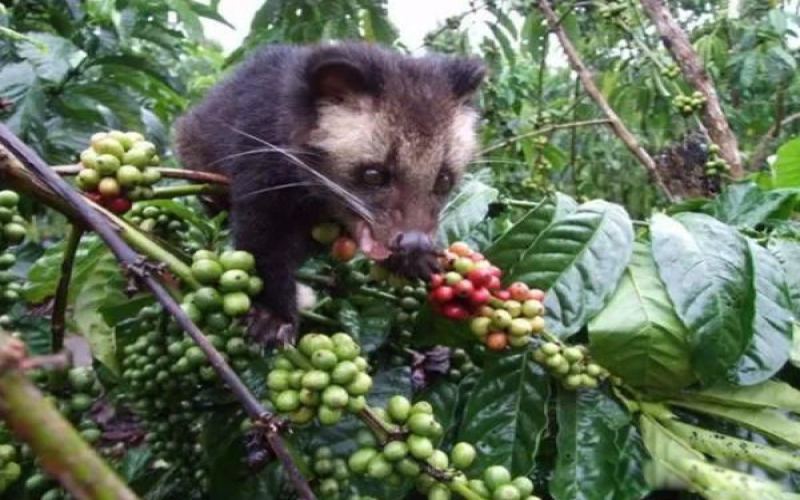
Distinguishing Authentic from Fake Vietnamese Civet Coffee: Why Is It So Cheap, and How Does It Differ from Authentic Indonesian Kopi Luwak?
Kopi luwak has long been regarded as one of the most expensive coffee categories in the world. Its authentic origin is Indonesia, where coffee beans naturally excreted by civets are refined through multiple processes, resulting in extremely low yields. However, the market is flooded with affordable Vietnamese kopi luwak—so what is really going on? Front Street Coffee will analyze the essential differences between Vietnamese kopi luwak and authentic Indonesian kopi luwak, reveal the reasons behind its low price, review several common kopi luwak products on the Vietnamese market, and share Front Street's brewing parameters and flavor performance for kopi luwak. In addition, the article will also explore the proliferation of counterfeit kopi luwak and the issue of animal welfare in the production process, helping coffee enthusiasts view this special category rationally. [more…]
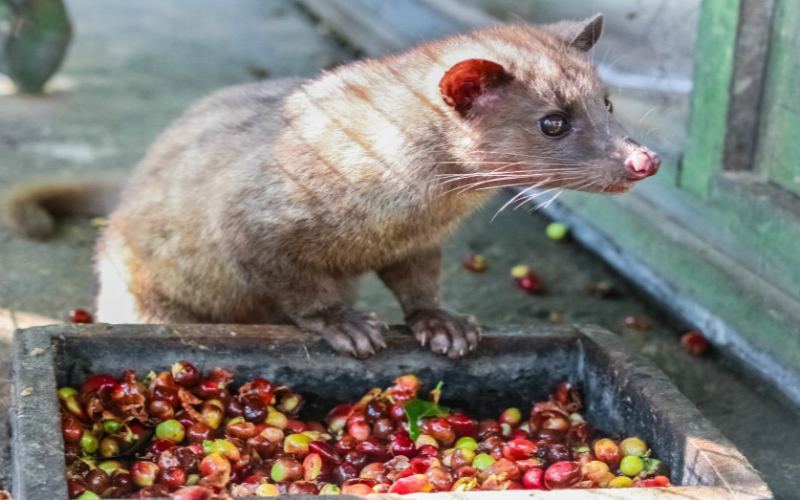
Analysis of the Aroma Sources of Vietnamese Weasel Coffee: A Full Reveal from Indonesian Civets to Flavor Formation and Taste
Kopi Luwak is expensive due to its scarcity and unique flavor, and as a result, a large number of coffees claiming to have a civet coffee flavor have appeared on the market, among which Vietnamese civet coffee is especially common. Authentic kopi luwak originates from Indonesia, where wild civets eat coffee cherries and excrete the beans after natural fermentation, creating a unique taste that is mellow and rounded, with herbal, nutty, and fermented notes. This article will trace the history and flavor origins of kopi luwak, analyze the truth behind Vietnamese civet-flavored coffee, and introduce Front Street Coffee's roasting and brewing suggestions for Indonesian kopi luwak beans, while also reflecting on the animal ethics issues behind captive farming. [more…]
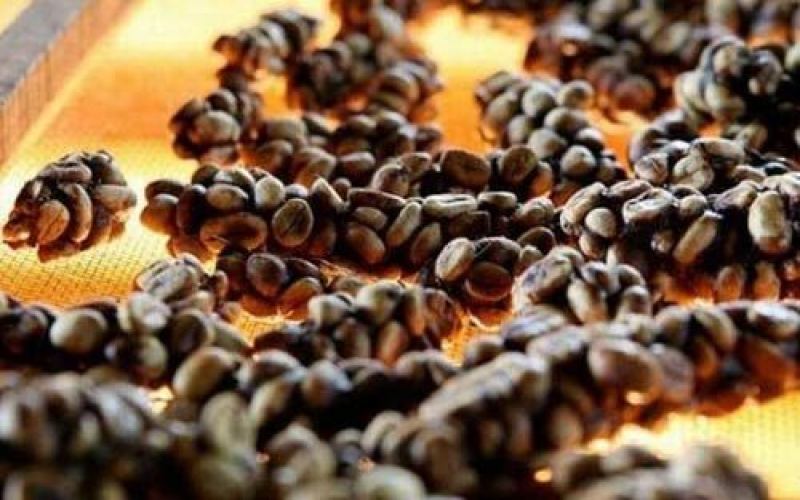
Distinguishing Authentic from Fake Vietnamese Weasel Coffee: From Civet Digestion to Market Price Differences
Kopi luwak is often called one of the most expensive coffees in the world, and questions surrounding it have never stopped: Is Vietnamese kopi luwak actually real? What exactly is it made from? Why are some civet coffee beans suspiciously cheap? This article starts with the digestive process of the civet, explains the flavor characteristics of authentic kopi luwak and the scarcity of wild beans, and outlines the ethical issues raised by the captive production chain. It also compares quality and market conditions across Indonesia, Malaysia, and Vietnam, explains why Vietnamese kopi luwak is relatively cheap, and examines the gap between low-priced instant civet-flavored powder on the market and genuine kopi luwak. [more…]
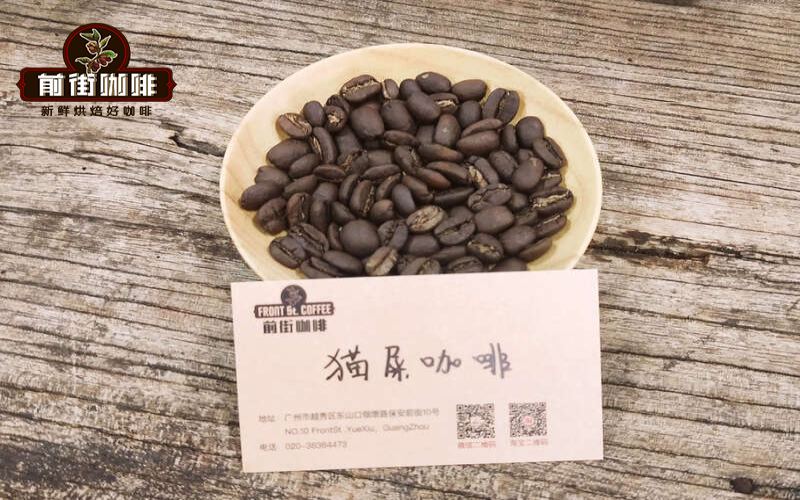
Is Vietnamese weasel coffee authentic? Flavor characteristics and an analysis of its differences from authentic Indonesian weasel coffee
Kopi Luwak has long been regarded as one of the most expensive coffee varieties in the world, with its authentic origin being Indonesia. However, there is a considerable amount of affordably priced Vietnamese Kopi Luwak circulating on the market—so what exactly is going on? This article will analyze the essential differences between Vietnamese Kopi Luwak and authentic Indonesian Kopi Luwak from the perspectives of origin, variety, and production methods. It will also introduce several common Vietnamese Kopi Luwak products and share Front Street Coffee's brewing parameters and flavor descriptions. In addition, we will explore the issues of counterfeit Kopi Luwak flooding the market and animal welfare concerns in the production process, helping coffee enthusiasts make more rational choices. [more…]
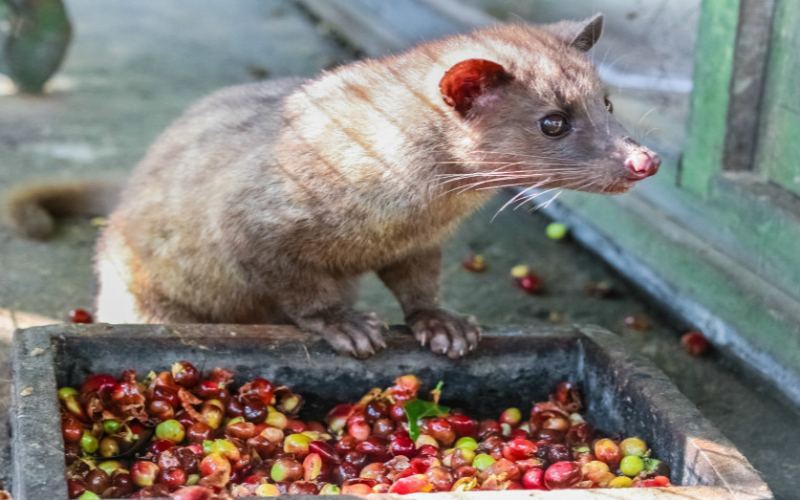
Is Vietnamese Kopi Luwak Authentic? An Analysis of the Origins, Flavor Characteristics, and Correct Brewing Methods of Kopi Luwak
Kopi Luwak is regarded by many as the "aristocrat" of the coffee world, but what exactly is its origin? Is the large volume of Vietnamese Kopi Luwak circulating on the market genuine? True Kopi Luwak originates from Indonesia, officially known as "civet coffee" (Kopi Luwak), and is produced by wild civets eating coffee cherries and undergoing internal fermentation, resulting in extremely low global annual output and high prices. This article will systematically sort out the origin, flavor characteristics, authenticity identification, and animal welfare controversies of Kopi Luwak, and provide a detailed introduction to the parameters and techniques used by Front Street Coffee (FrontStreet Coffee) for brewing Indonesian Kopi Luwak with a KONO dripper. [more…]
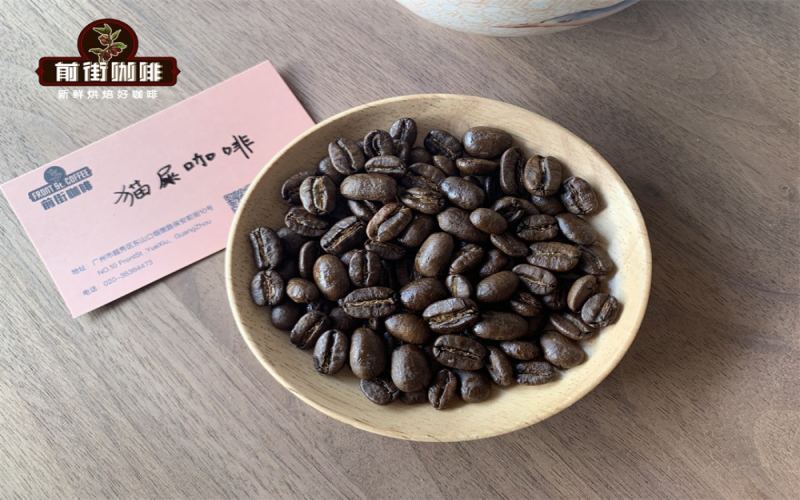
Indonesian Kopi Luwak Flavor Analysis: Is the Taste Acidic? Front Street Coffee Discusses Civet Coffee Characteristics and Brewing
Kopi Luwak, also known as civet coffee, is a name that even people who don't drink coffee often have heard of, yet within the specialty coffee community, this coffee is explicitly boycotted, and the root cause lies in its overly cruel production method. This time, Front Street Coffee takes a look at Indonesian Kopi Luwak: from the coconut palm civet stealing and eating coffee cherries, through biological fermentation in its stomach juices and intestines, to the traditional processing flow in which coffee farmers collect the feces, wash them, and sun-dry them; from the hybrid background of the Indonesian Golden Mandheling variety, to the similar practice behind Brazil's bird poop coffee; and then to the origin and method of Vietnamese egg coffee. At the same time, Front Street will also discuss the flavor controversy surrounding Kopi Luwak, its SCAA scoring performance, and specific suggestions for roasting and brewing, helping coffee lovers view this highly talked-about coffee more rationally. [more…]
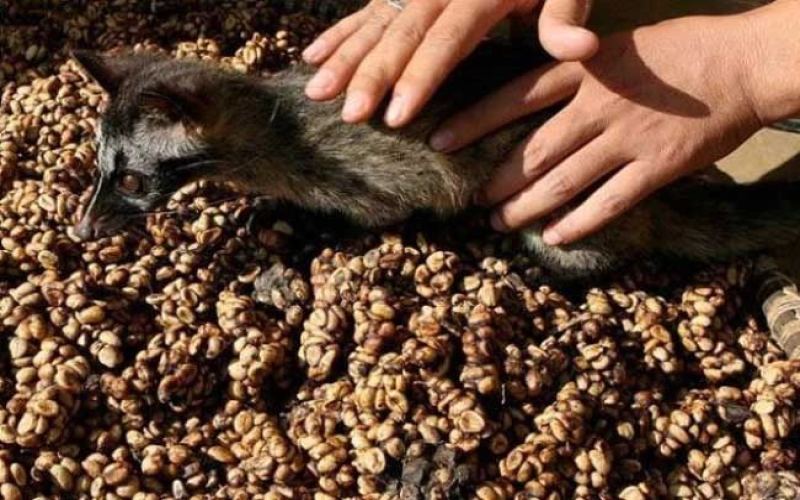
How to distinguish real and fake Kopi Luwak coffee from Vietnamese G7 coffee? A comprehensive analysis from origin and processing to flavor.
Kopi Luwak is hailed as one of the most expensive coffees in the world, but the so-called "kopi luwak" circulating on the market is hard to tell apart from the real thing—many products are simply ordinary coffee with a similar flavor profile. This article begins with the true origins of kopi luwak, the natural fermentation process of the civet, and the reasons behind its scarce production, while also revealing the harsh reality behind caged farming, and sharing Front Street Coffee's views on the flavor of kopi luwak along with brewing parameters. The article also touches on the topic of distinguishing authentic Vietnamese G7 coffee from counterfeits, helping coffee enthusiasts see through the essence amid a chaotic market. If you care about the true value of coffee, its flavor expression, and purchasing advice, this content is worth reading carefully. [more…]
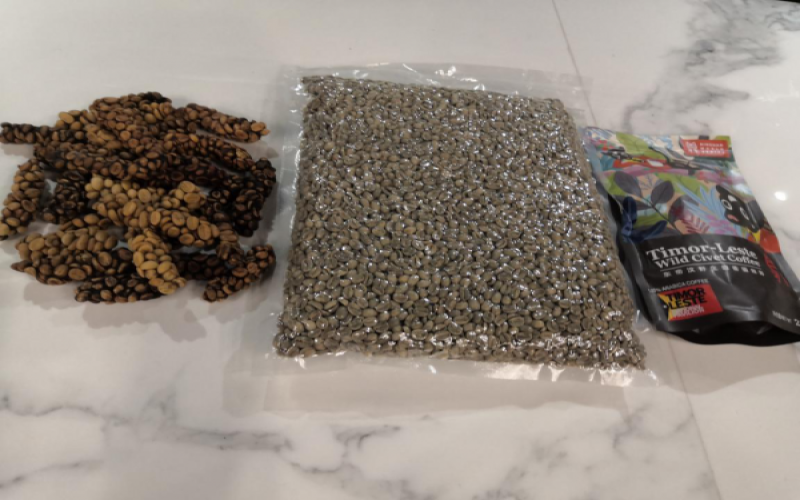
An Analysis of the Real Price of Indonesian Kopi Luwak: Is 396 Yuan per Cup Reasonable, and What Accounts for the Difference Between Wild and Farmed?
Kopi Luwak is celebrated as one of the most expensive coffees in the world. It once sold for US$1,200 per kilogram in the American market, a cup was priced at £50 in London, and during the 2010 Shanghai World Expo it was even marked at a high price of 396 yuan per cup. Yet on Taobao, 100 grams of Kopi Luwak coffee beans sell for only around 200 yuan. This stark price gap leaves many coffee lovers puzzled. What is the real market price of Kopi Luwak? Are the products on Taobao trustworthy? This article will take an in-depth look at the price structure of Kopi Luwak—from the differences between wild and farmed civets, to the civet's unique digestive mechanism, to the price variations brought by different places of origin—to reveal the truth behind this cup of the "royalty of coffee." [more…]
Indonesian Civet Coffee Flavor and Truth: Is Kopi Luwak Considered Black Coffee? Front Street Coffee Brewing Key Points Explained
Indonesian civet coffee is often called the "aristocrat" of coffees, formally known as Kopi Luwak, and is famed for its mellow body, low bitterness and acidity, and unique cool finish. This article examines whether it counts as black coffee, how to tell real civet coffee from fake, and the differences between wild and farmed production, while also tracing its formation from palm civet digestion to fermentation processing, and retains Front Street Coffee's medium-dark roast approach and KONO dripper brewing parameters to help readers understand the true taste and market situation of this rare coffee. [more…]
Indonesian Civet Coffee Flavor Analysis: Authentic Kopi Luwak Taste Characteristics, Origin Truth, and Pour-Over Recommendations
Kopi Luwak is called the "aristocrat" of the coffee world, officially known as Kopi Luwak, originating from coffee beans naturally fermented in the excrement of the Indonesian civet. When brewed, it carries a sweet aroma reminiscent of honey and chocolate, with a silky mouthfeel that is neither bitter, sour, nor astringent; even after cooling, it remains mellow and sweet, with a faint cooling sensation of mint in the aftertaste. However, the common Vietnamese instant "civet-flavored coffee" on the market is not the genuine article. This article will sort through the origin story of authentic Kopi Luwak, the reasons behind its flavor, the current state of its production and pricing, as well as the hidden concerns behind captive farming, and will include Front Street Coffee's medium-dark roast brewing approach and parameter references, to help coffee enthusiasts view this rare coffee rationally. [more…]

Exploring Asia's Three Major Coffee-Producing Countries: Bean Flavors and Human Stories from Indonesia, India, and Vietnam
The Asian coffee-producing regions occupy a unique position in the global coffee landscape, known for their rich, full-bodied flavor profiles. Front Street Coffee has always been dedicated to tasting coffee beans from around the world, comparing different varieties, origins, and processing methods, and building a visual flavor database to help coffee enthusiasts gain a deeper understanding of the coffee world. This article focuses on Asia's three major coffee-producing countries—Indonesia, India, and Vietnam—outlining their respective coffee development histories, growing environments, variety characteristics, processing techniques, and signature flavors. From Indonesia's Mandheling, Java, and Sulawesi, to India's Monsooned Malabar and Robusta Kaapi Royale, and then to Vietnam's distinctive drip coffee with condensed milk, egg coffee, and yogurt coffee, we present one by one the diverse facets and cultural richness of Asian coffee. [more…]
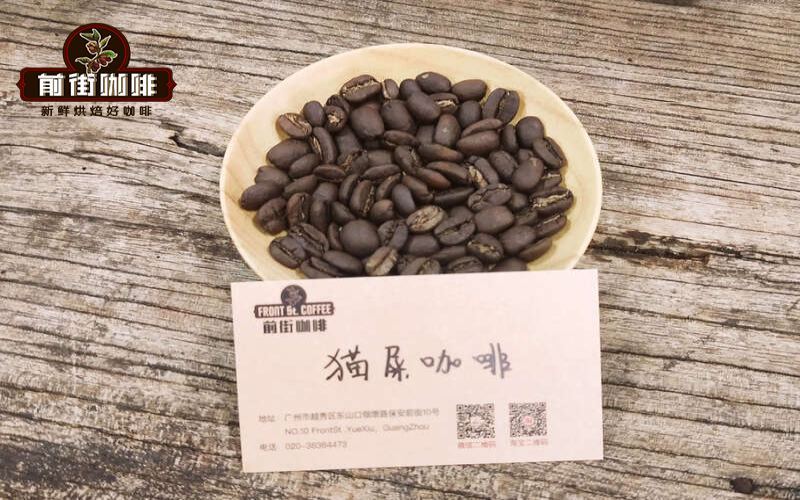
Origin and flavor characteristics of Indonesian Kopi Luwak: civet internal fermentation processing method and Front Street Coffee brewing recommendations
Kopi Luwak is the most controversial coffee bean in the world of coffee: some condemn it as cruel, while others chase after it eagerly. Front Street believes that the problem lies not in the coffee's inherent formation mechanism, but in profit-driven practices such as captive farming and force-feeding. This article, from Front Street's perspective, reviews the ecological habits of the civet, the true principles of the in-vivo fermentation processing method, analyzes the logic behind the high price of Kopi Luwak, and offers Front Street's roasting and brewing parameter recommendations, helping coffee enthusiasts rationally understand this highly talked-about Indonesian coffee. [more…]
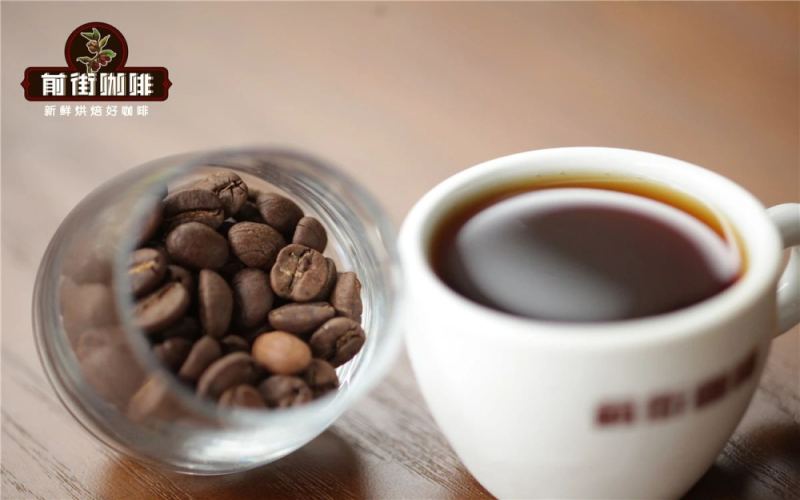
The Production Process, Flavor Characteristics, and Pour-Over Method of Kopi Luwak: From Fermentation Inside the Civet to a Rich Cup
Kopi Luwak is globally recognized as one of the most expensive and scarce coffees, distinguished by the fact that the coffee beans must undergo in vivo fermentation through the digestive tract of the civet, giving the brew an herbal aroma and a syrupy, full-bodied taste. Yet controversy surrounding it has never ceased—the issue lies not in how the coffee itself is formed, but in the cruel practice of some producers who, to boost output, imprison civets in cages and force them to eat nothing but coffee cherries. In this article, Front Street Coffee will systematically sort out the production principles, flavor characteristics, historical stories of Kopi Luwak, as well as Front Street's recommended medium-dark roast pour-over recipe, to help coffee lovers develop a rational understanding of this much-discussed coffee. [more…]
Indonesian Kopi Luwak Flavor Origins and Producing Region Story: In-Body Fermentation Processing Method and Front Street Brewing and Roasting Recommendations
Kopi Luwak, known as cat poop coffee, is one of the most controversial products in the coffee world. Some condemn the animal cruelty behind it, while others chase after its unique flavor. Front Street Coffee believes that the formation principle of Kopi Luwak itself is not problematic; what truly deserves attention are the practices of caging civets and force-feeding them unripe berries to pursue yield. This article will analyze the in vivo fermentation processing method of Kopi Luwak from a scientific perspective, explore how the civet's habitat environment affects coffee flavor, and share Front Street's roasting and brewing recommendations for Kopi Luwak. At the same time, we will also recommend several alternative coffee beans with excellent flavor and better value for money, for enthusiasts with different taste preferences to choose from. [more…]

Priced at over 1,600 yuan per kilogram, is Brazilian bird poop coffee really worth drinking?
Coffee culture is becoming increasingly widespread, and all kinds of unusual coffees keep emerging. After Indonesia's kopi luwak took the world by storm, Brazil in recent years has rolled out "bird poop coffee"—made from beans that pass through the droppings of the bare-faced curassow after it eats coffee cherries. Locally, this coffee is called "the best coffee in Brazil," and it sells for about 1,118 Brazilian reais per kilogram (roughly 1,650 yuan), placing it among the most expensive coffees in the world. Front Street Coffee takes you through the origins of bird poop coffee, its flavor characteristics, the reasons behind its high price, and whether it and other novelty coffees like kopi luwak are truly worth embracing by the general public. [more…]
Exploring Indonesian Coffee Origins: The Flavor Truth of Mandheling and Kopi Luwak, Plus Front Street Brewing Tips
Indonesia is an important coffee-producing region globally, and among its coffees, Mandheling and Kopi Luwak are the most talked-about. Kopi Luwak is produced through fermentation within the civet, resulting in a flavor with herbal notes and excellent body, but its production is scarce and the price is high. However, driven by commercial interests, caged farming practices force civets to eat only coffee cherries, sparking controversy over animal welfare. Front Street Coffee believes that the formation of Kopi Luwak itself is not problematic; the issue lies in forced captivity and force-feeding. This article will discuss the origin of Kopi Luwak, the reasons behind its flavor, and the principles of in vivo fermentation, and share Front Street's neutral perspective and brewing methods, while recommending several Indonesian and other origin coffees worth trying. [more…]
The Price, Flavor, and Origin of Indonesian Bali Civet Coffee: Front Street Coffee Discusses the Controversy and Brewing of Kopi Luwak
Kopi Luwak has always been an unavoidable topic in coffee circles. It carries the title of the world's most expensive coffee, yet it has always been accompanied by controversy. Front Street Coffee stores also carry this bean, but our attitude toward it is rather complicated. This article will discuss the price, flavor characteristics, and the story behind Indonesian Bali Kopi Luwak, including the civet's living habits and the principle of in vivo fermentation, as well as why the practice of caged bean collection is worth reflecting on. At the end, Front Street will also share the brewing parameters and flavor description of Kopi Luwak, and recommend several alternative beans for enthusiasts who like different flavors. [more…]
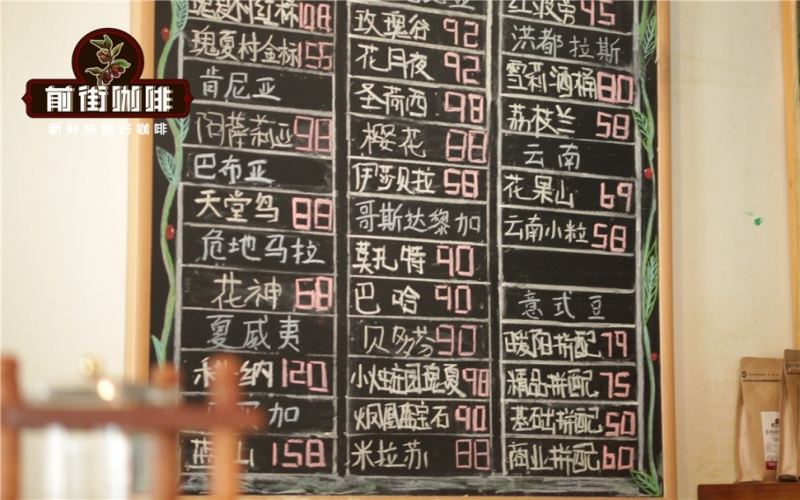
The Mystery of Indonesian Kopi Luwak's Flavor Formation and Price: From Wild Civets to Front Street Coffee Brewing Suggestions
The fame of Kopi Luwak is on par with Jamaican Blue Mountain coffee; even those who don't often encounter specialty coffee have likely heard of it. Why does this coffee from Indonesia have such a unique flavor and high price? And how can authentic Kopi Luwak be identified? This article, from the perspective of Front Street Coffee, will sort out the historical origins of Kopi Luwak, the real impact of the fermentation process within the civet's body, its flavor characteristics and the reasons for its high cost, and will also include detailed information and brewing parameters for this Indonesian Kopi Luwak bean available at Front Street's shop, providing a complete reference for curious coffee enthusiasts. [more…]
Is Indonesian Kopi Luwak Sour or Bitter? Origin, the Truth About In-Body Fermentation, and Why It's So Expensive
The fame of Kopi Luwak is almost on par with Jamaican Blue Mountain coffee; even those who don't often drink specialty coffee have likely heard of it. The name may not sound elegant, but why is it so famous and so expensive? From the perspective of Front Street, this article sorts out the historical origins and flavor profile of Indonesian Kopi Luwak, clarifies whether it is sour or bitter, and analyzes the real impact of the in-body fermentation process of the civet on coffee beans. It also explains the reasons for its high price and scarcity, as well as the difference between wild and artificially fed beans, and finally includes the parameters and brewing suggestions for this Front Street Indonesian Kopi Luwak coffee bean. [more…]
The Dark Truth About Indonesian Kopi Luwak: Why You Shouldn't Drink It No Matter How Cheap It Gets
Kopi Luwak is hailed as the "aristocrat" of coffee, renowned for its distinctive minty coolness and syrupy consistency. However, behind this expensive drink lies a distressing and cruel truth. Authentic Indonesian Kopi Luwak is extremely low in yield, the market is flooded with a large number of counterfeit products, and the process of artificially farming civets is even more brutal torture for the animals. Front Street Coffee takes you through the origins and flavor characteristics of Kopi Luwak, and why we should no longer consume this kind of coffee. At the same time, Front Street also recommends coffees from other excellent regions, so that while enjoying deliciousness, you can also make a more humane choice. [more…]