







Search Results for: Stony Estate
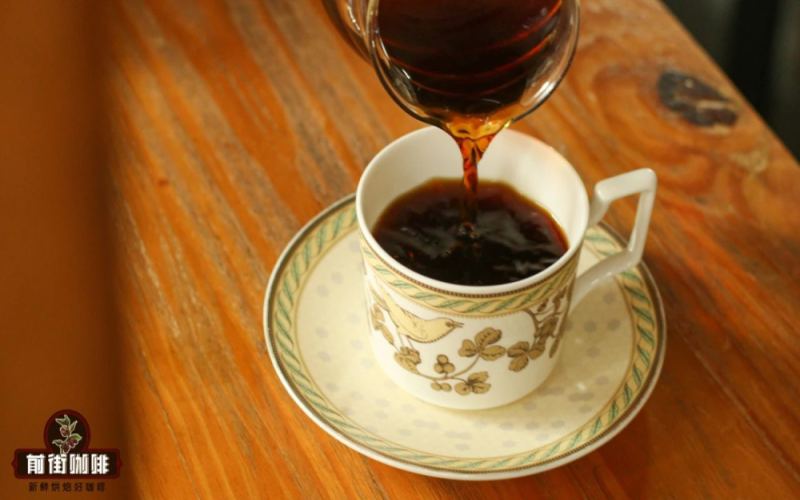
Jamaica Stony Estate Blue Mountain Coffee Pour-Over Guide: Why It Doesn't Show Acidity and the Correct Brewing Method
Jamaican Blue Mountain coffee, as one of the earliest widely recognized specialty coffees in China, is renowned for its balanced and smooth taste. Only about 900 tons of premium Blue Mountain are exported each year, mainly from four major estates. This article takes Clifton Mount Estate as an example to explain in detail the cultivation, processing, grading, and transportation of Blue Mountain coffee, and focuses on the background of Stony Hill Estate. At the same time, Front Street will share the pour-over parameters and techniques for Blue Mountain No. 1, including key details such as the KONO dripper, 88°C water temperature, and three-stage pouring, to help you brew the classic Blue Mountain flavor that is not sour but mellow and balanced at home. [more…]
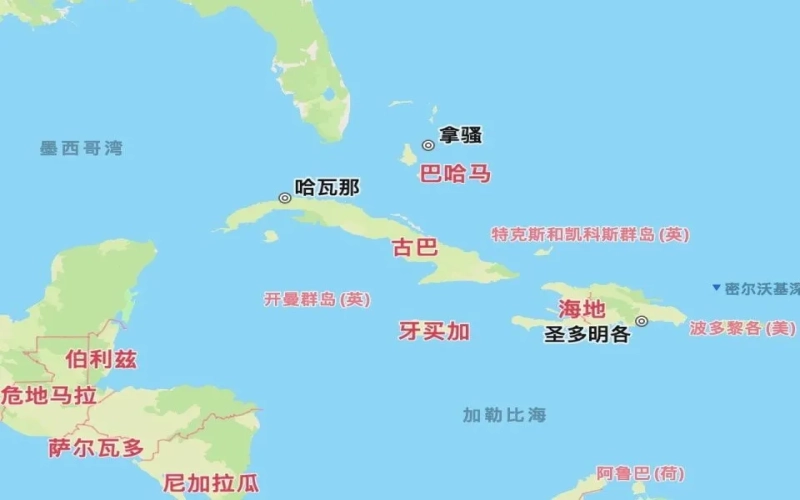
The True Definition of Jamaican Blue Mountain Coffee and a Full Analysis of the Famous Estates in Its Producing Region
Blue Mountain coffee is hailed as a gem of the coffee world, but what exactly qualifies a coffee to bear the name "Jamaica Blue Mountain"? Starting from Jamaica's geographical environment and the unique terroir of the Blue Mountain range, this article traces the complete story of Blue Mountain coffee—from its introduction in the 18th century and its rise and fall during the colonial period to the establishment of the modern legally defined appellation system. It explains in detail the strict definitions set by the Coffee Industry Regulation Act regarding production area boundaries, altitude, and varieties, and introduces the barrel packaging and grading standards. At the same time, it acquaints you with two representative estates, Clifton Mount Estate and Stony Hill Estate, as well as the flavor characteristics of Blue Mountain No. 1 produced by Front Street Coffee. [more…]
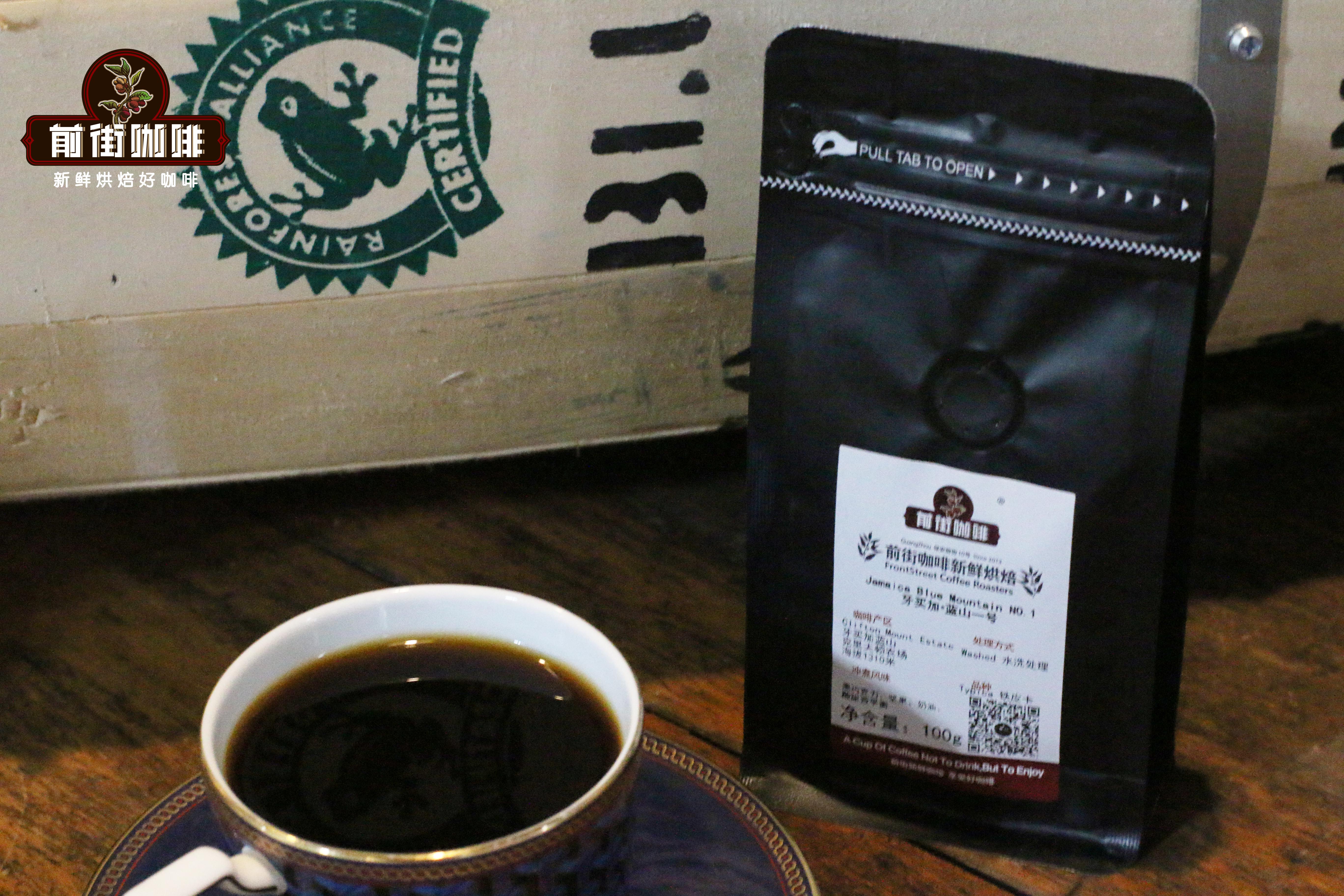
Jamaica Clifton Estate Blue Mountain Coffee Pour-Over Guide: How to Brew a Blue Mountain Flavor Without Acidity
Jamaican Blue Mountain Coffee is one of the earliest specialty coffees widely known in China, beloved for its smooth, balanced body and low acidity. Front Street Coffee takes Clifton Estate as a starting point to provide a detailed introduction to Jamaican Blue Mountain Coffee's origin classification, estate production processes, CIB certification and grading standards, as well as the flavor characteristics and pour-over parameters of Front Street Blue Mountain No. 1 Coffee. The article also shares how to use a KONO dripper, 88°C water temperature, and a three-stage pouring method to extract a mellow, balanced Blue Mountain Coffee with soft acidity, helping coffee enthusiasts recreate café-quality results at home. [more…]
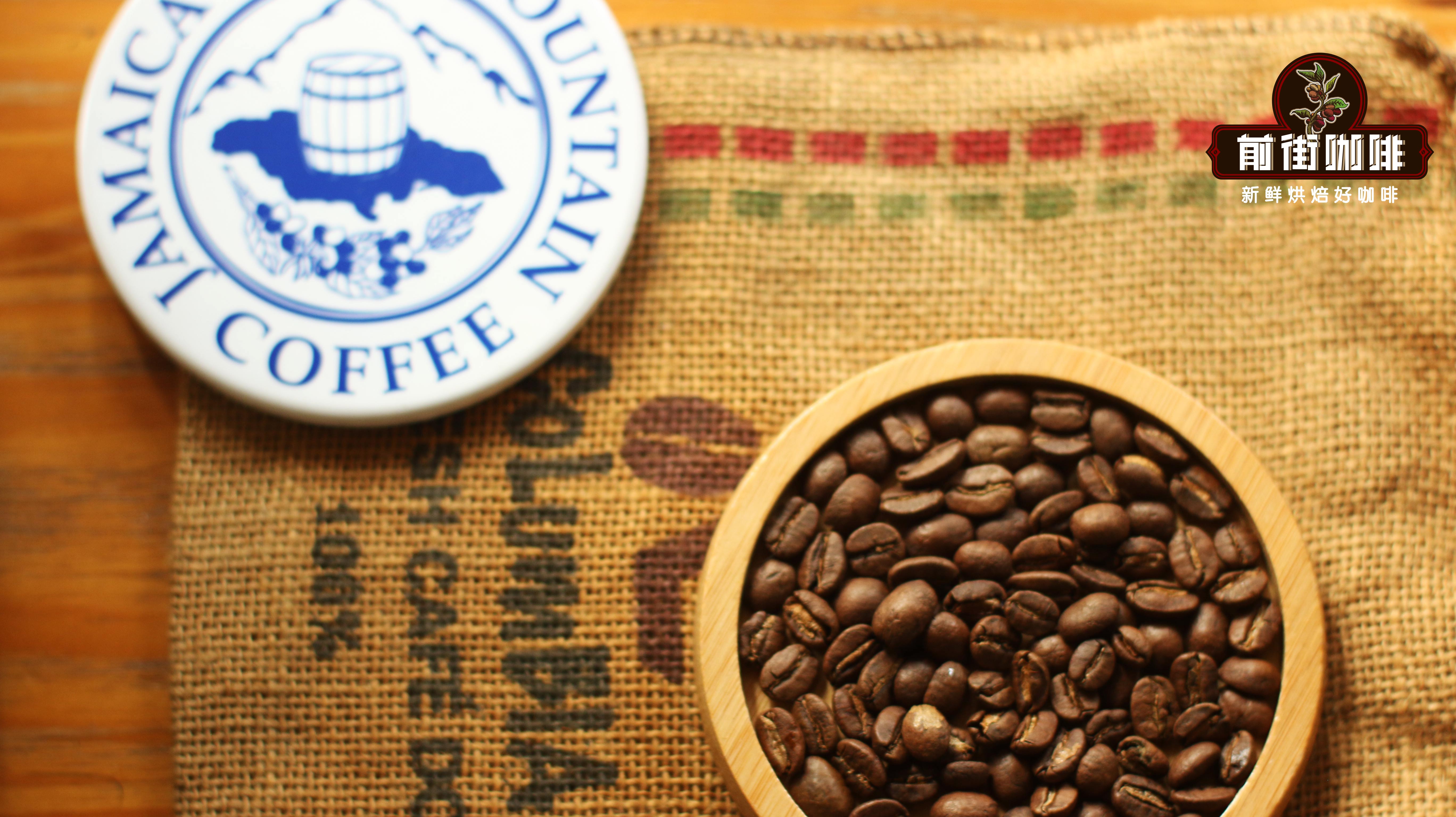
A Detailed Guide to the Flavor Characteristics of Jamaica Blue Mountain No. 1 Coffee Beans and the Price Story of Clifton Estate
Jamaican Blue Mountain coffee is world-renowned for its scarce production and exceptional quality. The Blue Mountain No. 1 coffee beans selected by Front Street Coffee come from Clifton Estate, a century-old estate with Rainforest Alliance certification, whose coffee achieves a delicate balance of acidity, body, and aroma. This article will guide you through the historical origins of Blue Mountain coffee, the strict grading standards of the Jamaica Coffee Industry Board, the distinctive characteristics of the four major Blue Mountain estates, and the complete process from washed processing to wooden barrel packaging. At the same time, Front Street Coffee's roasting curve and brewing parameters will also be presented one by one, helping you fully appreciate this legendary coffee's chocolate and nut flavors and balanced mouthfeel. [more…]
A Complete Analysis of Jamaica Blue Mountain's Four Major Estates: The Flavor and Craftsmanship of Clifton Estate Blue Mountain No. 1 Coffee Beans
Jamaican Blue Mountain coffee is globally recognized as a representative of specialty coffee, but beans that truly earn the name "Blue Mountain" are extremely rare, with annual exports of only about 900 tons. This is largely due to the strict control by the Jamaican Coffee Industry Board (CIB) over production regions, varieties, and grades. This article focuses on Jamaica's four major Blue Mountain estates, with particular attention to Clifton Estate, the oldest and the only one to obtain Rainforest Alliance certification, analyzing the cultivation, processing, and grading standards of its Blue Mountain No. 1 coffee beans. At the same time, Front Street Coffee will share its roasting approach and pour-over parameters for these beans, letting you experience the classic Blue Mountain flavors of chocolate, nuts, and creamy sweetness. [more…]
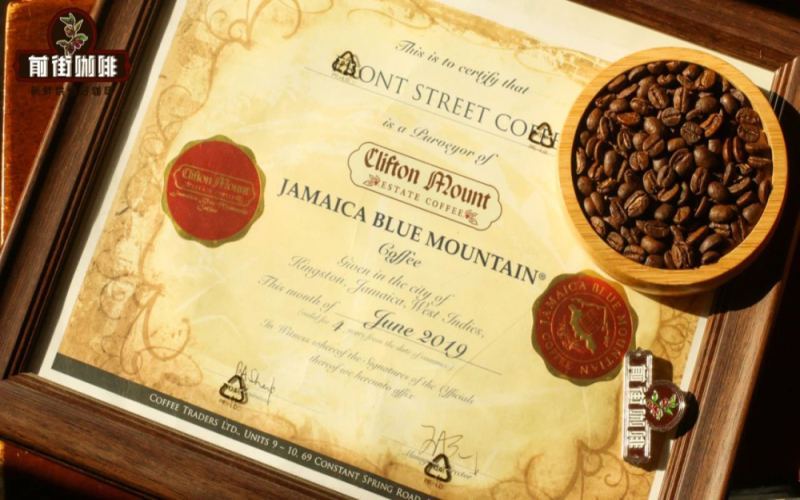
A Detailed Guide to Jamaican Blue Mountain Coffee Flavor and Pour-Over Brewing: Balanced Taste from Medium-Dark Roast to KONO Dripper
Jamaica Blue Mountain coffee, hailed as the "Emperor of Coffee," remains a legend in the hearts of many coffee enthusiasts to this day. What gives it the right to sit firmly on the throne of top-tier coffee? From its introduction to the Caribbean in the 18th century, the volcanic soil and misty climate of the Blue Mountains, to the CIB's strict demarcation of the growing region and an annual output of only about 900 tons, every link in the chain is steeped in scarcity. Front Street Coffee has this time sourced Blue Mountain coffee beans from Clifton Estate, using a medium-dark roast to bring out its balanced, mellow character. So, does Blue Mountain coffee actually taste good? Does a pour-over Blue Mountain count as black coffee? This article will take you through the history, growing region, certification, and brewing parameters to fully unpack this cup of coffee from the blue mountain ridge. [more…]
A Complete Guide to Hawaiian Kona Coffee: From Terroir to a Flavor Comparison with Jamaican Blue Mountain
Hawaii is the only U.S. state that produces coffee, and the Arabica coffee grown in the Kona region of the Big Island is renowned worldwide. This article will guide you through Hawaii's coffee-growing environment, the unique terroir of Kona coffee and its tradition of home cultivation, and take an in-depth look at Queen Farm's specialty Kona beans and recommended roasting approaches. We will also compare Kona with the equally famous Jamaican Blue Mountain coffee, examining their differences in history, growing regions, processing methods, and flavor profiles, to help coffee lovers find the perfect island coffee for themselves. [more…]
The Legendary Story of Hawaiian Kona Coffee: A Comprehensive Analysis of Variety Characteristics, Growing Conditions, and Flavor
Hawaii is the only U.S. state that produces coffee, and Kona coffee is the crown jewel among them. From the perspective of Front Street Coffee, this article guides you through an overview of Hawaiian coffee, the unique terroir of the Kona region, information on specialty beans from Queen Estate, and Front Street Coffee's roasting recommendations and flavor descriptions. We will also compare Kona with Jamaica Blue Mountain, analyzing their similarities and differences in variety, altitude, processing method, and flavor. Whether you are new to specialty coffee or eager to explore the charm of island coffee, this article will provide you with a complete and professional reference. [more…]
A Complete Guide to Jamaica Blue Mountain No. 1 Clifton Estate: Flavor Characteristics, Certification System, and Brewing Key Points
Jamaican Blue Mountain coffee is one of the most renowned specialty coffees in the world, prized for its scarce yield and high price, with Blue Mountain No. 1 from Clifton Estate being especially highly regarded. The Blue Mountain coffee beans selected this time by Front Street Coffee come precisely from this estate, which has a two-hundred-year history and is the only Blue Mountain estate in Jamaica to have obtained Rainforest Alliance certification. This article will systematically review the historical origins and growing-region conditions of Blue Mountain coffee, introduce the respective characteristics of Jamaica's four major Blue Mountain estates, explain in detail the washed processing flow and the barrel-packaging tradition, and describe the certification system for Blue Mountain coffee. In addition, Front Street Coffee will also share a medium-dark roast profile and a Kono dripper brewing recipe for this bean, helping coffee lovers fully appreciate its full, balanced, mellow body and its layered flavors interwoven with chocolate and nuts. [more…]
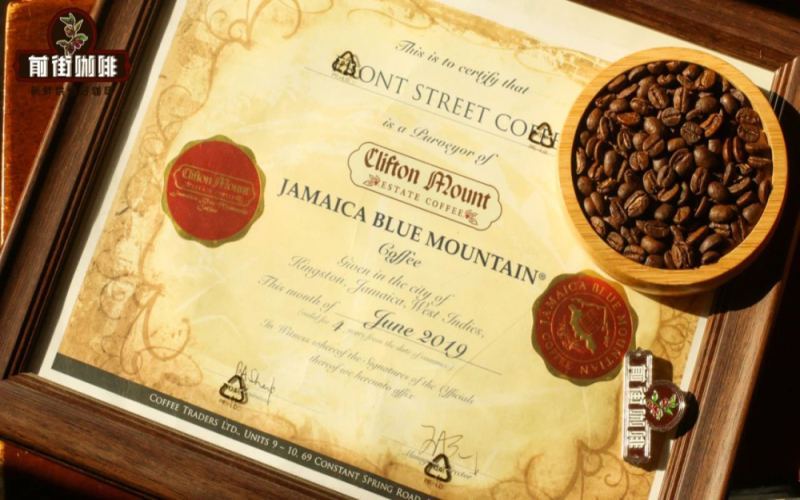
Why Is Jamaican Blue Mountain Coffee So Expensive? A Full Analysis of Its Origin Estates and Brewing Flavor
Jamaican Blue Mountain coffee has long remained at the pinnacle of specialty coffee, thanks to its strict regulatory system and unique terroir. From its introduction in the 18th century to the present day, the high altitude, volcanic soil, and foggy, rainy climate of the Blue Mountains have together shaped the classic flavor of Blue Mountain coffee, with its balance of acidity, sweetness, and bitterness. This article will explore the historical origins of Blue Mountain coffee, its grading system, the evolution of its processing methods, and the cultivation and processing details of Clifton Estate, while also presenting Front Street Coffee's roasting approach, pour-over parameters, and SOE extraction recommendations for Blue Mountain No. 1 coffee, helping coffee enthusiasts gain a comprehensive understanding of the charm of this legendary bean. [more…]
Can Blue Mountain Coffee Be Used to Make Iced Coffee and Espresso? A Comprehensive Analysis of Front Street's Blue Mountain Flavor Profile
Jamaican Blue Mountain coffee is renowned for its balanced trio of acidity, sweetness, and bitterness, but many coffee enthusiasts wonder: can this top-tier washed bean be made into iced coffee? Can it be used for espresso extraction? And how would the flavor present itself? Front Street Coffee's Blue Mountain coffee beans come from Clifton Estate. This article will systematically answer these questions, covering Blue Mountain history, origin regulation, processing methods, pour-over parameters, and SOE extraction, while sharing the complete flavor performance of Front Street Blue Mountain No. 1 in both pour-over and espresso directions, helping you consistently replicate a balanced, rich cup of Blue Mountain coffee at home. [more…]

Jamaica Blue Mountain No. 1 Coffee Beans Authentic Price Analysis: 2022 Market Trends and Front Street Buying Guide
Jamaican Blue Mountain coffee is renowned as a jewel of the specialty coffee world, famous worldwide for its silky, balanced flavor and extremely scarce production. How much does an authentic imported Blue Mountain No. 1 coffee bean actually cost per pound in 2022? This article will deeply analyze the price composition of Blue Mountain coffee, from the historical origins of the four major estates to the unique terroir of Clifton Mount Estate, from the delicate flavor of the Typica variety to the strict washed processing method, comprehensively interpreting the three core reasons behind Blue Mountain coffee's high price. At the same time, Front Street Coffee will share the roasting records, cupping data, and brewing suggestions for Blue Mountain No. 1, helping you distinguish authentic Blue Mountain and savor the true Jamaican Blue Mountain flavor. [more…]
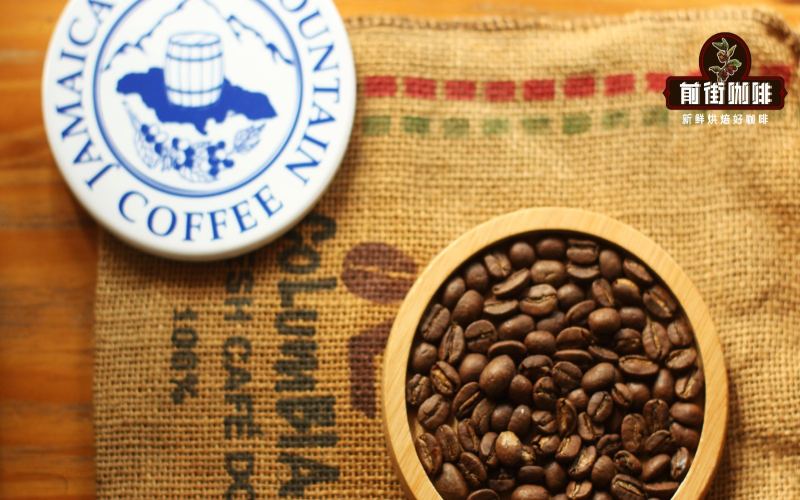
Jamaican Blue Mountain Coffee Beans | An Introduction to the Grading and Flavor Characteristics of Jamaica Blue Mountain No. 1 Coffee Beans
Blue Mountain coffee is very famous, but there are also frequent rumors that only Japan has genuine Blue Mountain coffee beans—a tale from over twenty years ago. Jamaica Blue Mountain Coffee, the Jamaica Coffee Industry Association (Coffee I [more…]
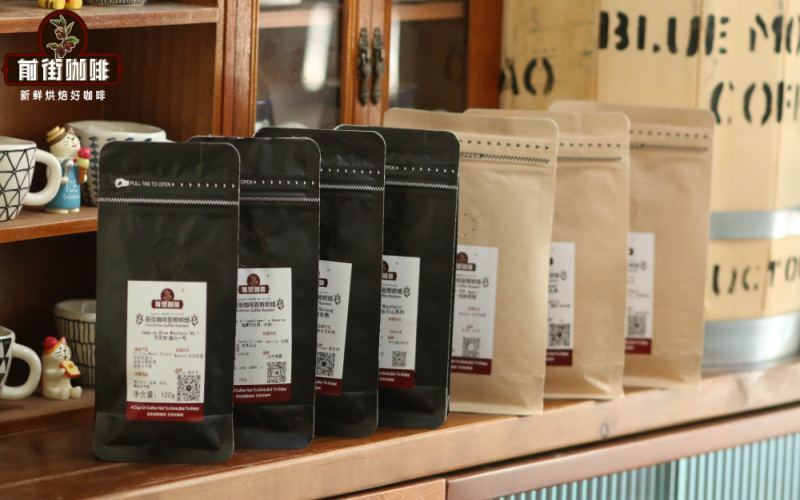
Blue Mountain Natural and Hacienda La Esmeralda Blue Label Geisha: How Two Processing Methods Reshape Classic Coffee Flavors
When Jamaica Blue Mountain first attempted natural processing, while Panama's Hacienda La Esmeralda extended the natural method to its Blue Label Geisha, an interesting intersection in processing methods emerged between two coffees representing Old World and New World styles. Front Street Coffee conducts a side-by-side comparison of washed and natural versions, systematically examining from green bean appearance, roasting curves, to cupping flavors how processing methods affect coffee's sweetness, aroma, and cleanliness, helping enthusiasts understand the essential differences and respective advantages of washed and natural processing. [more…]
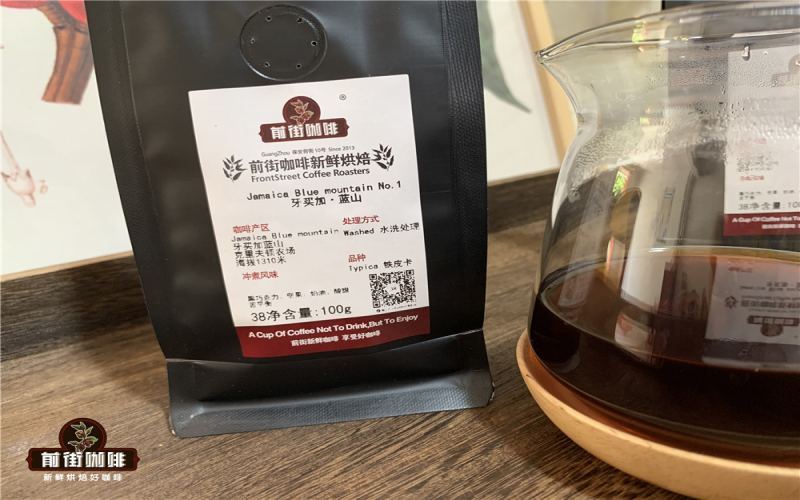
Why Is Jamaican Blue Mountain Coffee Hailed as Top-Tier? A Comprehensive Analysis of Its Pour-Over Flavor and Taste Characteristics
Blue Mountain coffee is often called one of the best coffees in the world. It is neither bitter nor sour, with a balanced flavor, like a cup of silky milk tea, and is therefore affectionately nicknamed "beauty coffee" by enthusiasts. But the excellence of Blue Mountain coffee is no accident—the unique geographical location of Jamaica's Blue Mountain range, its tropical rainforest climate, volcanic soil, and the Typica variety cultivated over more than two hundred years together create its unreplicable flavor. The Jamaican government implements strict grading and production-limiting, quality-preserving policies for Blue Mountain coffee, with unique standards from harvesting and processing to packaging. This article will comprehensively sort out the growing environment, variety characteristics, grading system, and processing methods of Blue Mountain coffee, and include Front Street Coffee's pour-over parameters and flavor description, taking you deep into this finest of the finest. [more…]
Flavor Analysis of Panama Elida Estate Coffee Beans: Varieties, Processing Methods, and Cupping Comparison in the Boquete Region
The Boquete region of Panama has always been the golden zone for specialty coffee. Today, Front Street Coffee focuses on Elida Estate to show you what makes coffee nurtured by this high-altitude volcanic soil so unique. The article begins with the terroir conditions of the Boquete region, then traces Elida Estate's cultivation history, varietal composition, and processing methods, and combines Front Street Coffee's cupping experience to describe in detail its dry aroma, wet aroma, and overall flavor trajectory. At the same time, Front Street Coffee also compares Elida Estate with Hartmann Estate and Hacienda La Esmeralda's Diamond Mountain series, helping you more clearly understand how different processing methods and regions shape coffee flavor. [more…]

Panama BOP Champion Elida Estate Geisha Flavor Analysis: Everything You Need to Know About the Plots Under the Lamastus Family
At the 2024 Panama BOP Geisha auction, Elida Estate's natural Geisha once again set a new record with a sky-high price of $10,013 per pound, claiming the top lot. This century-old renowned estate is not reaching the summit for the first time; it is not only the first double-crown Geisha champion in BOP history, but also second only to Hacienda La Esmeralda in number of wins. Elida Estate was founded in 1918 and has now been passed down to the fourth generation of the Lamastus family. In addition to Elida, the family also owns well-known plots such as El Burro Estate and Luisito Estate, and in recent years has even purchased the high-altitude El Toro Estate. Front Street Coffee cupped this champion bean this time, and it displayed the captivating flavors of pomegranate, peach, white floral notes, and black tea. This article will give you a comprehensive understanding of Elida Estate's history, plot distribution, and flavor performance. [more…]
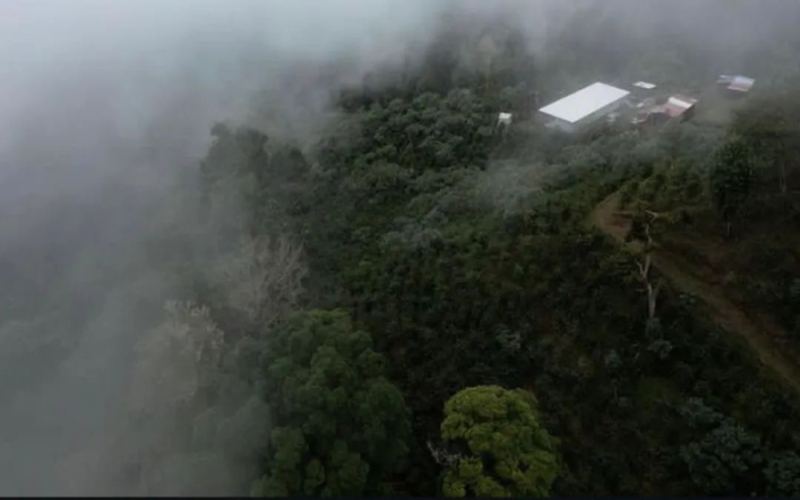
A Complete Flavor Analysis of Panama El Burro Estate Geisha Coffee: Sun-Dried Processing and Cupping Performance of a Century-Old Famous Estate
The Boquete region of Panama has nurtured many world-renowned coffee estates, and El Burro Estate is one of them, soon to enter its centennial history. The estate was founded in 1925 by French immigrant Aristides Boutet, and was later acquired and managed by the Lamastus family due to family ties. Its unique geographical location—near the Baru Volcano mountain range—gives the coffee excellent terroir conditions. The estate mainly cultivates Geisha and Catuai, and in recent years has achieved repeated success in the Best of Panama competition; in 2016, Japan's Maruyama Coffee even won the world championship with El Burro Estate Geisha. Front Street Coffee is now bringing a naturally processed El Burro Estate Geisha, using a medium-light roast, whose cupping reveals a rich layering of green grape, apricot, orange, dried longan, and floral notes intertwined. This article will take you deeper into the history, terroir, and unique flavor of El Burro Estate's Geisha. [more…]
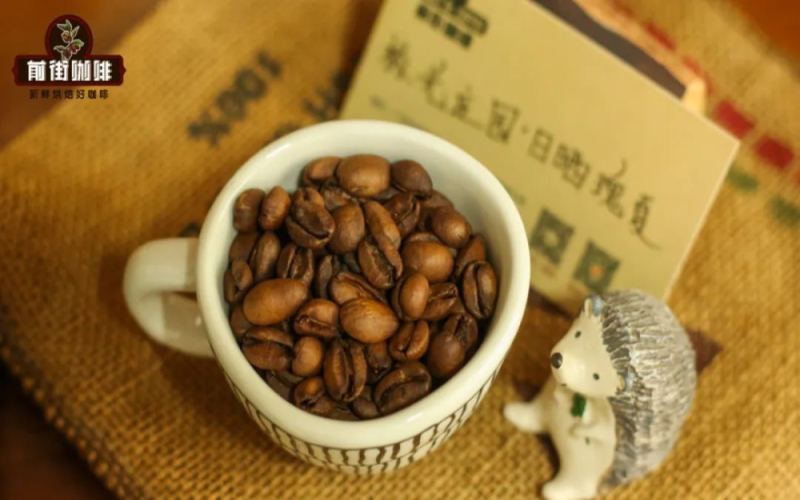
A Complete Guide to Panama Aurora Estate Geisha: Flavor Stories of Iron Man Washed and Camilina Natural, Plus Brewing Tips
Panama's Aurora Estate is located in the Volcán region, adjacent to the Costa Rican border, and rose to fame after winning the BOP Washed category with its Ironman Geisha in 2013. Estate owner Roberto Brenes, a former central bank governor, runs the estate with a triathlete's spirit: the washed lots are named Ironman, while the natural lots take their name from his granddaughter, Carmilina. Front Street Coffee has acquired this estate's new-season Carmilina Natural Geisha, given it a medium roast, and found that pour-over brewing brings out floral notes, yellow lemon, strawberry, guava, and an oolong tea finish. This article covers the estate's background in full, the naming origins of the two Geishas, the details of the natural processing, and Front Street's recommended brewing parameters and flavor notes. [more…]
Costa Rica Aquiares Estate Coffee Bean Profile: 2017 WBC Competition Bean and Rainforest Certification Information
Located in the Turrialba region of Costa Rica, Hacienda Aquiares is one of the largest coffee plantations in the country and the birthplace of Centroamericano, the competition bean used at the 2017 World Barista Championship (WBC). Founded in the late 19th century, the estate sits on volcanic slopes between two rivers, with abundant natural water sources and a pristine forest reserve, and it obtained Rainforest Alliance certification as early as 2003/2004. The estate primarily cultivates Arabica varieties such as Caturra, Catuai, and Catimor, employs washed processing combined with sun-drying and mechanical drying, and produces approximately 15,000 bags annually. Its coffee is known for flavors of nuts, caramel, plum, chocolate, and a sucrose-cream finish, with bright fruit acidity and a smooth body. Front Street Coffee has specially compiled complete estate information to give you an in-depth look at the terroir story behind this WBC competition bean. [more…]