







Can Blue Mountain Coffee Work for Iced Coffee and SOE?
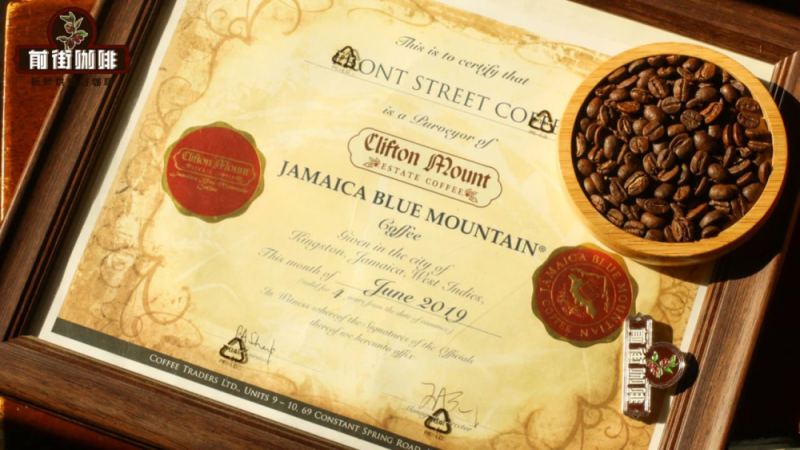
Jamaican Blue Mountain coffee can be brewed as iced coffee and pulled as espresso. Front Street's Blue Mountain beans come from Clifton Mount Estate and show a balance of acidity, sweetness, and bitterness. Served cold over ice or extracted as a single-origin espresso, the same washed bean keeps that mellow, balanced profile rather than turning sharply acidic.
Jamaica enforces strict regulation of its coffee industry, which is why Blue Mountain holds its standing among specialty coffees. Cultivation dates to the 18th century, when France ordered plantations established in Jamaica and Arabica seeds from Martinique were planted in the St. Andrew region. The range is graded into high-altitude Blue Mountain, High Mountain, and Jamaican coffee, and grade affects price. Pour-over parameters and SOE extraction let drinkers recreate the cup.
Jamaican Blue Mountain coffee is renowned for its balanced acidity, sweetness, and bitterness, but many coffee lovers wonder: can this top-tier washed bean be used for iced coffee? Can it be used for espresso extraction? And how will the flavors present themselves? Front Street Coffee's Blue Mountain coffee beans come from Clifton Mount Estate. This article will systematically answer these questions from Blue Mountain history, origin regulation, processing methods, pour-over parameters to SOE extraction, and share the complete flavor performance of Front Street Blue Mountain No. 1 in both pour-over and espresso directions, helping you consistently recreate a balanced and mellow cup of Blue Mountain coffee at home.
For more specialty coffee knowledge, please follow our WeChat official account: Front Street Coffee (FrontStreet Coffee)
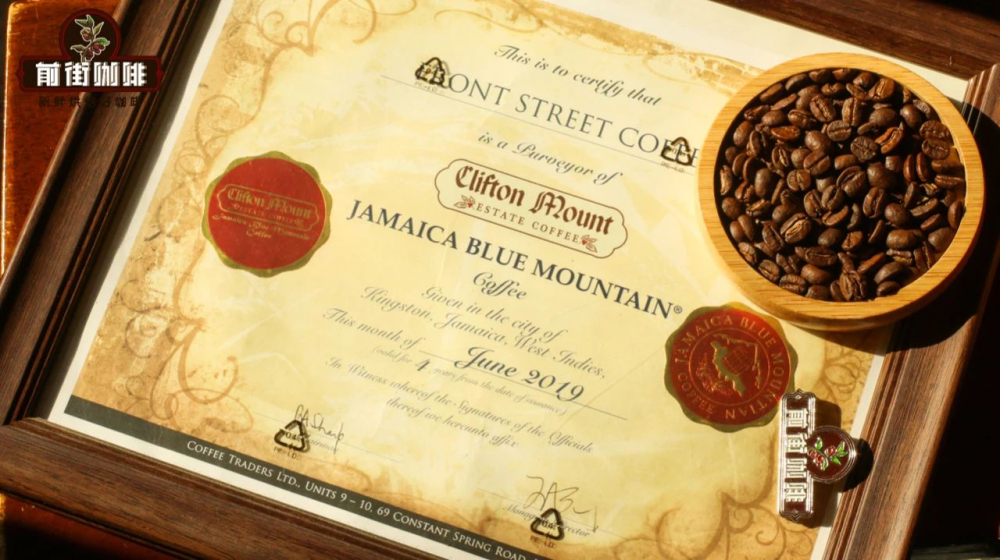
Jamaica implements extremely strict regulatory standards for its coffee industry, which is precisely why Blue Mountain coffee has earned its place among the world's top specialty coffees and become a sought-after target for many enthusiasts. Front Street Blue Mountain coffee originates from Clifton Mount Estate, achieving a delicate balance of acidity, sweetness, and bitterness. This Front Street Blue Mountain coffee bean has been sold at Front Street for many years and remains one of Front Street's most highly regarded signature products. Too many people have been influenced by the Blue Mountain flavor yet have long struggled with how to identify Front Street Blue Mountain coffee. Many customers who visit Front Street's stores ask: what exactly is true Front Street Blue Mountain coffee? The answer has actually already been written in this article—after following along with Front Street, you will naturally understand.
The History of Jamaican Blue Mountain Coffee
Jamaica's coffee cultivation history can be traced back to the 18th century. In 1717, King Louis XV of France ordered the establishment of coffee plantations in Jamaica. By the mid-1720s, Jamaican Governor Sir Nicholas Lawes introduced Arabica seeds from Martinique and was the first to promote cultivation in the St. Andrew region. Coffee trees were thus introduced to Jamaica, took root in the Blue Mountain range, and were further divided into high-altitude Jamaican Blue Mountain coffee, High Mountain coffee, and Jamaican coffee—different grades with vastly different prices.
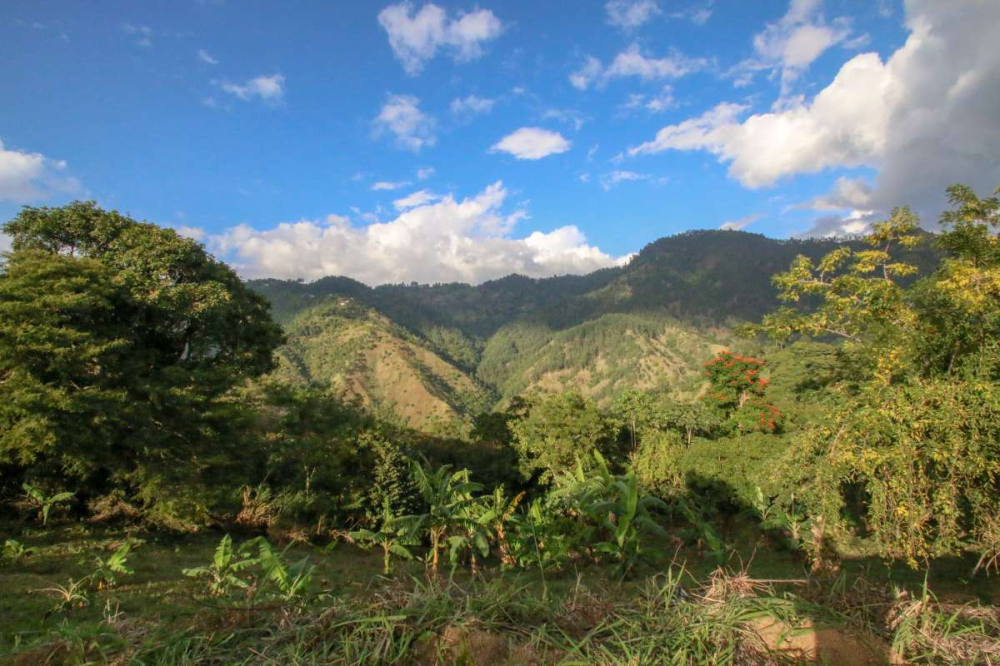
The Blue Mountain range is located in the eastern part of the island of Jamaica. Because the entire mountain is surrounded by the Caribbean Sea, on clear days when sunlight strikes the azure sea surface, the peaks reflect a brilliant blue glow like the ocean water—hence the name Blue Mountain. The highest peak of Blue Mountain stands at 2,256 meters (elevation 2256m, but coffee cultivation is only permitted below 1,700m; above that is protected forest), making it the highest peak in the Caribbean region and a famous tourist destination. Located within the coffee belt, it has fertile volcanic soil, fresh and pollution-free air, a humid climate, and is foggy and rainy year-round, with an average annual rainfall of about 1,980 millimeters and temperatures maintained around 27 degrees. It is precisely these terroir conditions that have created the world-renowned Jamaican Blue Mountain coffee and one of the most expensive coffees globally.
What truly elevated Blue Mountain coffee to the world's top tier was a revitalization plan in the 1950s. At that time, the Jamaican government formulated a coffee industry revitalization plan and established the CIB to centrally manage coffee production affairs. Under the CIB's strict regulations, coffee grades in the Blue Mountain region were clearly classified, with the highest grade being Blue Mountain No. 1. Only coffee from the core Blue Mountain production area can bear the name Blue Mountain coffee, because this region is at an altitude above 900 meters—the highest terrain in the Blue Mountain area—and high altitude allows coffee flavors to perform more excellently.
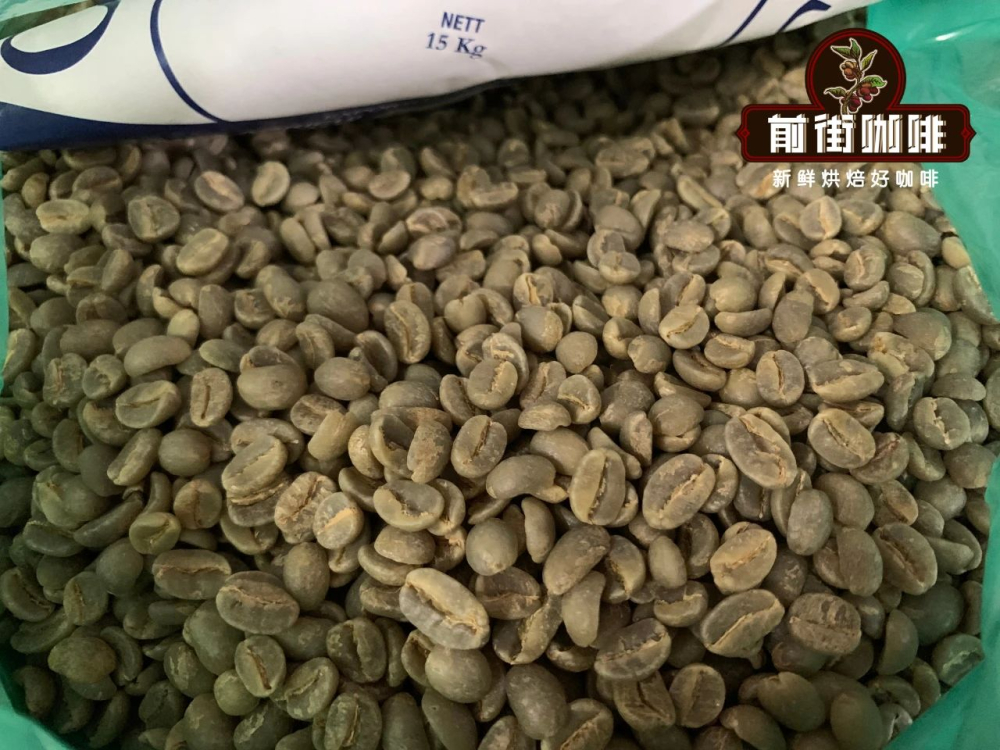
The coffee variety grown throughout the Blue Mountain region is exclusively Typica, and all undergo washed processing, which makes Blue Mountain coffee beans extremely high in quality (coffee beans processed by natural methods during the same period had relatively higher defect rates). Only coffee beans produced in this region with a screen size of 17 or above qualify to be called Blue Mountain No. 1 coffee beans.
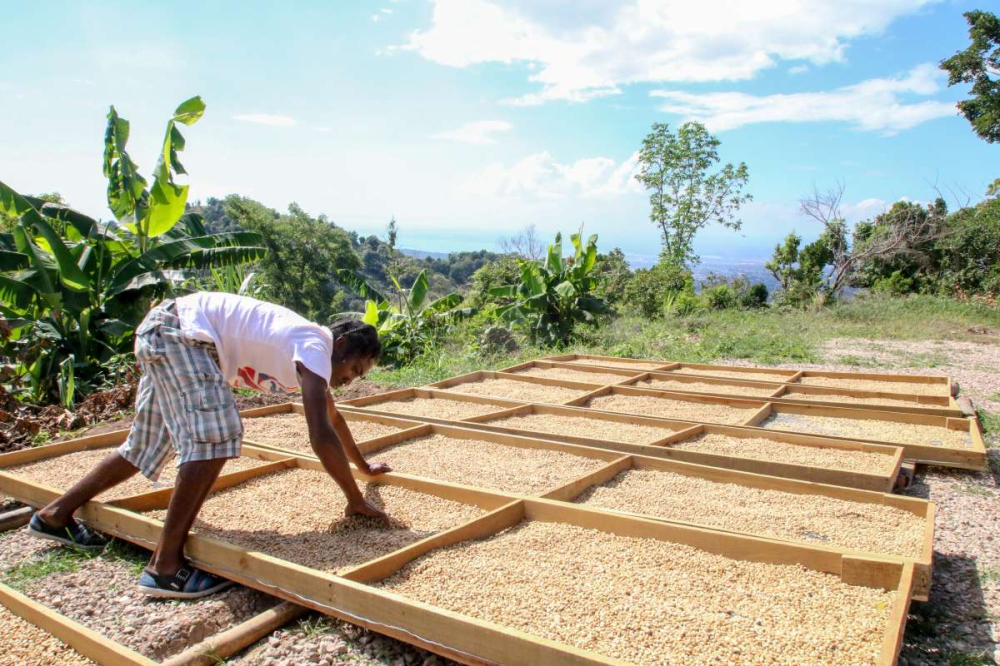
All versions of authentic Front Street Blue Mountain coffee currently circulating in the market use the washed processing method. After manual harvesting of coffee cherries, preliminary sorting is done to remove unripe and overripe fruits, then the skin is removed, all ensured to be completed within 12 hours. Next comes traditional washed fermentation, after which the beans are moved to concrete platforms for sun-drying. The long, slow sun-drying process makes the coffee flavors more concentrated and intensified. When dried to a moisture content of 11%-13%, they are bagged and placed in warehouses to rest and mature. Warehouse temperature is controlled at 24-25°C, with dehumidifiers controlling humidity. Only after 2 to 3 months of stable flavor maturation are they ready for shipment.
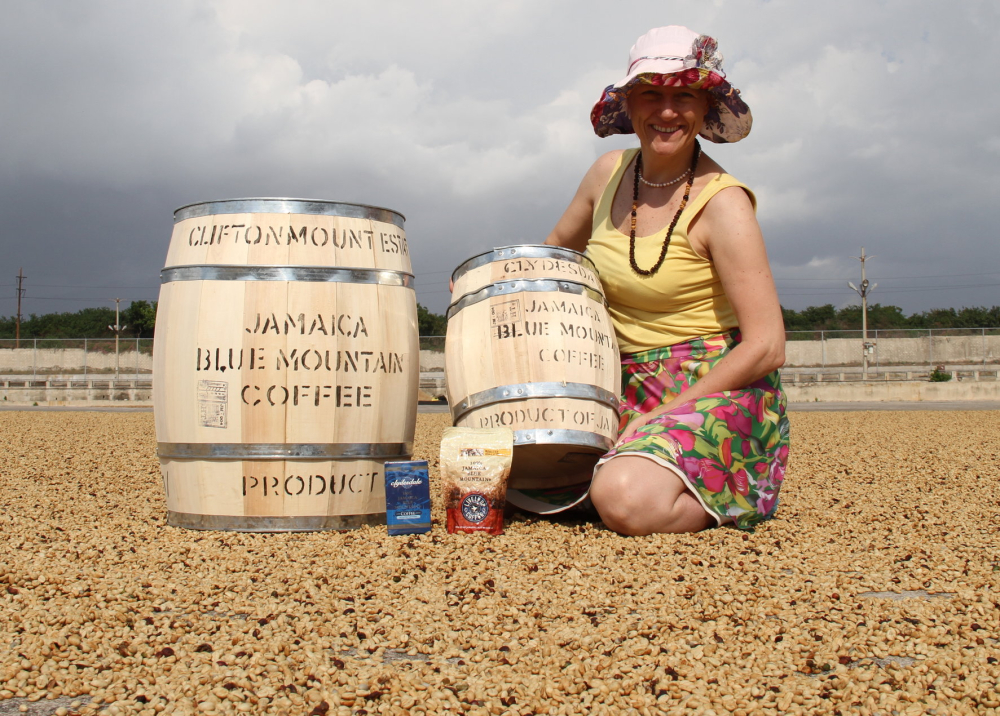
Only after a customer places an order are the beans hulled, polished, and freed of silver skin and dust in small batches at low temperature, with defective beans—broken, abnormally colored, moldy—manually screened out. Each skilled worker can sort only about 75 pounds of green beans per day. Green coffee beans are transported between workstations in wooden basins to avoid cracking or other processing defects. After completion, they are sealed in Jamaica Blue Mountain's distinctive wooden barrels. The Coffee Industry Board of Jamaica (CIB) Regulatory Section inspects each batch's coffee flavor before air export to verify it meets standards.
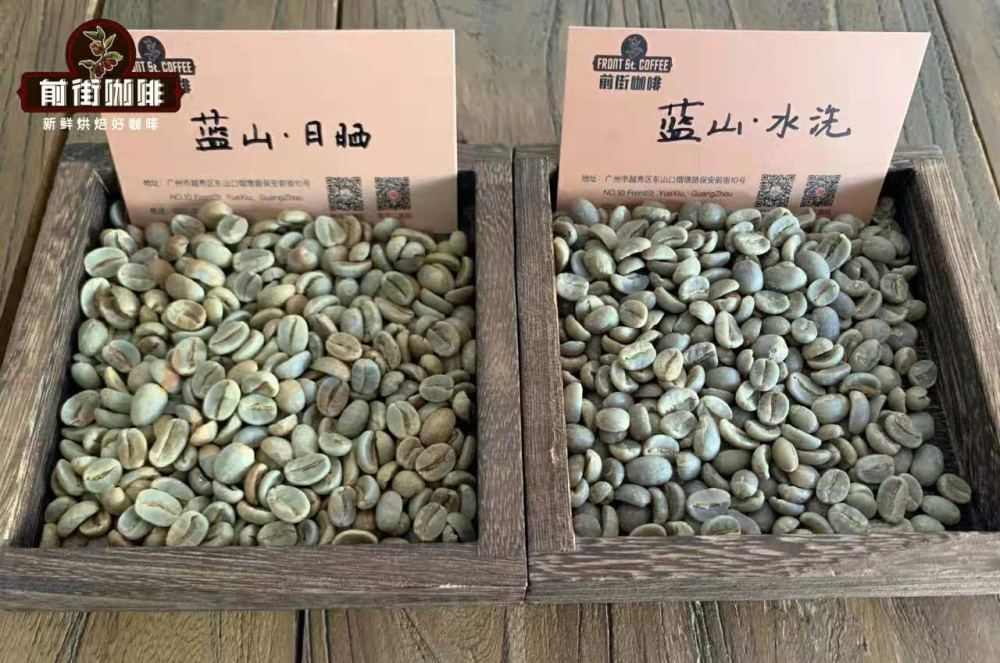
Major changes in the coffee market over the past decade have also profoundly affected the Blue Mountain production landscape. In 2020, Blue Mountain unprecedentedly introduced a naturally processed version of Blue Mountain coffee, breaking the convention of washed-only versions for the first time. Of course, today's high-precision natural processing can also achieve few defects and high quality, with flavors that differ from washed processing. The naturally processed Front Street Blue Mountain coffee beans have a more pronounced sweetness.
Beyond processing method experiments, a micro-lot of Front Street Blue Mountain Geisha coffee beans was also introduced in 2020. This Geisha batch was guided by Jamaica hiring Panama's famous Hartmann family for cultivation. Front Street also purchased a 15kg barrel in 2020 to try, and it carried considerable Geisha character—citrus and honey pomelo sweet-tart flavors on the entry, accompanied by jasmine floral notes and honey-like sweetness.
Famous Estates Producing Jamaican Blue Mountain Coffee
The four major Jamaican Blue Mountain estates are Clifton Mount Estate, Stony Hill Estate, Gold Cup Estate, and RWS Coffee Estate. Among them, Stony Hill Estate mainly cooperates with Japanese companies, has low domestic recognition, and has only an 80-year history. Gold Cup Estate has an even shorter development history of only 20 years, but it actually merged two century-old estates and operates with more advanced management techniques. RWS Coffee Estate merged three century-old estates, also for the purpose of stable Blue Mountain coffee development.
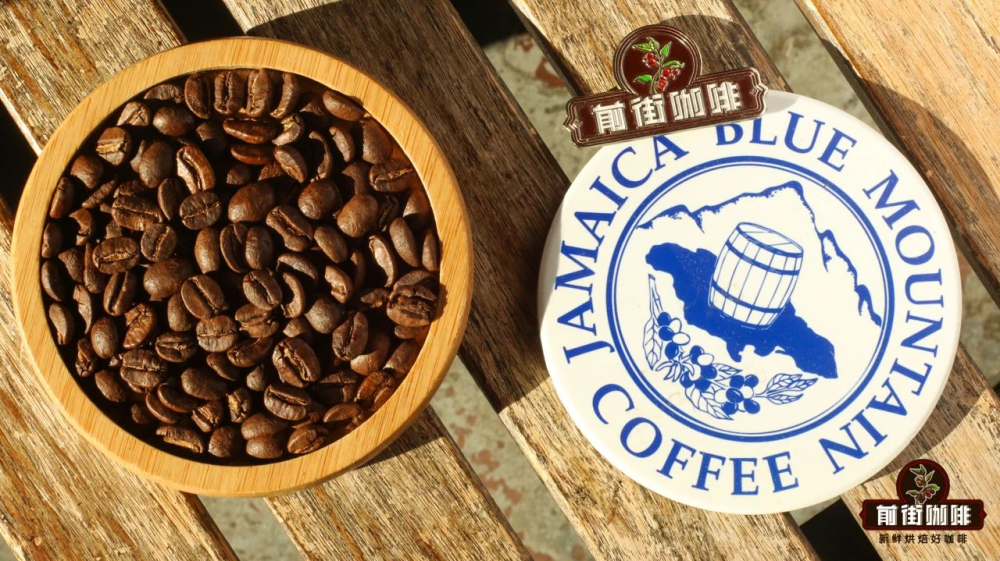
Front Street Coffee's Front Street Blue Mountain coffee beans are sourced from Clifton Mount Estate, which has a 200-year history and is the only estate in the entire Blue Mountain region to obtain "Rainforest Alliance" certification.
Clifton Mount Estate's Blue Mountain production history can be traced back to the mid-18th century (around 1750), and it was taken over in 1978 by the current owner, the Sharp family. Clifton Mount Estate nestles beside the scenic Clifton Mountain, with coffee cultivation and green bean processing facilities at an average elevation of 4,300 feet (1,310.64 meters). Ample altitude, daytime mist, abundant sunshine and rainfall, and mineral-rich soil provide superior growing conditions for coffee trees and delay the ripening of coffee cherries, giving the fruit sufficient time to form more aromatic compounds. The coffee grows on rugged slopes, making harvesting extremely difficult. Every spring during harvest season, the Sharp family arranges skilled workers to go up the mountain to hand-pick coffee cherries at optimal ripeness.
After the Sharp family took over Clifton Mount Estate, they began by clearing the wild, overgrown jungle on the farm, then introduced various processing equipment and invested in building a solar power station, wastewater treatment plant, and BMCP processing facility. As the only coffee estate with the "Rainforest Alliance" label, every step within the estate adheres to environmental principles. Water used in green bean processing is used for agricultural irrigation, and removed fruit skins are fermented into organic fertilizer for flower cultivation.
Clifton Mount Estate places harvested fresh cherries into water tanks, using flotation to separate ripe from unripe beans, then sends ripe coffee cherries through water flow on conveyor belts into the depulper. The beans with mucilage and parchment are then placed in tanks for fermentation. After mucilage fermentation, water flow agitation removes residual mucilage, and the clean parchment-covered beans are sun-dried. Upon reaching 11-12% moisture content, they are sent to the BMCP processing facility to rest for one month. This step allows coffee flavors to mature and makes the internal structure and water activity more stable.
Flavor Characteristics of Front Street Clifton Mount Estate Blue Mountain No. 1 Coffee
The roasting stage is equivalent to gourmet cooking—quality ingredients combined with the right culinary techniques can make food flavors shine even more. The ultimate goal of roasting is always to obtain a delicious cup of coffee. Front Street's roasting philosophy is to present the most classic flavor profile of the origin while highlighting the bean's unique character—such as Yirgacheffe's bright lemon citrus notes or Indonesian Mandheling coffee's herbal mellowness. Front Street Blue Mountain coffee naturally must also highlight the classic Blue Mountain flavor. Front Street uses a medium-dark roast to maximize the chocolate and nut aromas in Front Street Blue Mountain coffee while preserving soft acidity and sweetness, bringing the overall mouthfeel toward balance.
After freshly roasting Front Street Blue Mountain coffee, Front Street immediately conducted a cupping. The dry fragrance had nuts, melon, and chocolate; after pouring hot water, oolong tea, caramel, honey, and dark chocolate emerged. The taste was rich dark chocolate, roasted hazelnut, cream, and black sugar—clean and clear flavors, mellow mouthfeel, and lasting aroma. To let everyone experience these aromas, all coffee beans shipped by Front Street are guaranteed to be freshly roasted within 5 days, so they arrive right at their optimal tasting stage. Below, Front Street explains the key factors for pour-over Front Street Blue Mountain coffee using store serving standards.
Front Street Coffee (FrontStreet Coffee): Jamaican Front Street Blue Mountain No. 1 Coffee Beans
Farm: Clifton Mount Farm
Location: Newcastle Area
Average Elevation: 4,300 feet (1,310.64 meters)
Processing Method: Washed
Variety: 100% Arabica Typica
Front Street Coffee (FrontStreet Coffee) Barista's Pour-Over Recommendations
If you want to taste the best flavor of Front Street Blue Mountain coffee, it's best to use freshly roasted coffee beans, as the flavors are better preserved. Using a KONO dripper can better extract a full and balanced flavor and mouthfeel.
Use 15g of coffee grounds, coarse grind, 75% passing through a No. 20 sieve, at a ratio of 1:15, with water temperature at 86-88°C.
Staged pouring:
1. First pour: 30 grams of water for a 30-second bloom.
2. After the bloom, pour the second stage: 100 grams in a circular motion from center outward. This pour can be done slowly—Front Street Blue Mountain coffee is very resistant to extraction and needs sufficient pouring time to draw out the aromas. After pouring, wait for the water level to drop to halfway.
3. When the coffee bed is about to be exposed, pour the third stage of 95 grams, for a total of 225 grams. Wait for the coffee to finish filtering, then remove the dripper. Total brewing time is 1 minute 50 seconds.
Front Street Blue Mountain No. 1 Coffee Flavor Profile: Nuts, chocolate, balanced acidity-sweetness-bitterness, creamy mellowness.
With the spread and development of coffee culture, more and more specialty coffee shops today are no longer limited to pour-over extraction but are using more unconventional methods to "squeeze" flavors from high-quality coffee beans. The frequently appearing SOE in recent years is one representative. Next, Front Street will use today's featured Front Street Jamaican Blue Mountain No. 1 coffee beans as an example to briefly discuss how to extract a delicious cup of Blue Mountain SOE coffee.
Step One: First choose a grind size and extract a shot
To make Blue Mountain SOE coffee, we first apply the espresso extraction formula: 1:2 coffee-to-liquid ratio, time 25-30 seconds. The dose depends on the portafilter basket capacity—for example, if Front Street's basket has a reasonable capacity of 20g, then extract 40g of coffee liquid from 20g of coffee grounds, controlling time at 25-30 seconds as the extraction plan. Then first choose a grind coarseness that looks about right visually and extract, using the time difference to judge how far off the grind setting is.
Before extraction, we need to wipe the portafilter basket dry, open the grinder, grind a double dose of coffee grounds, and place on a digital scale to measure and adjust until reaching exactly 20 grams. Then use a distribution tool to level the coffee grounds, and use a tamper pressed straight down with force to compact the coffee puck, ensuring more stable extraction.
Step Two: Adjust parameters to bring the time within the extraction formula range.
Here the main adjustment is grind size: if the flow is fast and time is shorter than last time, grind finer; if the flow is slow and time is longer than last time, grind coarser. Dialing in grind settings relies quite a bit on feel—the more you adjust, the more familiar you become with the grinder, and once you have the feel, you can get it right in one go. If you're within 5 seconds of the target time, adjust by 0.2 increments each time; if the time difference is large, be bolder and adjust by 0.5-1 increments. Even if you go from too long to too short, you can lock in that grind setting range and gradually narrow it down.
Step Three: Taste the espresso directly, and make it into a Blue Mountain Americano or Blue Mountain Latte
The freshly made Blue Mountain espresso has a thick, beautiful crema. Bring your nose close and you'll immediately catch caramel biscuit, roasted spice, and dark chocolate notes. On the first sip, your taste buds are immediately hit by the bitterness and intense strength of the upper Crema layer, but after swallowing and closing your mouth to breathe out, the bitterness dissipates, and the palate quickly returns with a subtle coffee aroma and a pleasing sweet finish.
If you can't accept the intense bitterness of espresso, you can also according to your preference add ice water or warm water at a 1:4 ratio to make a refreshing and smooth SOE Blue Mountain Americano, or add steamed fresh milk at a 1:6 ratio to soften the mouthfeel, making a delicious cup of SOE Blue Mountain Latte.
The above content is compiled by CoffeeHunters, a coffee news website.


