







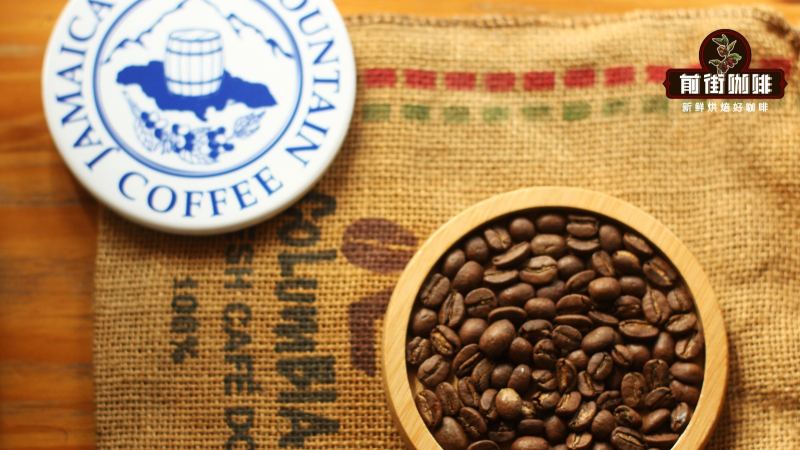
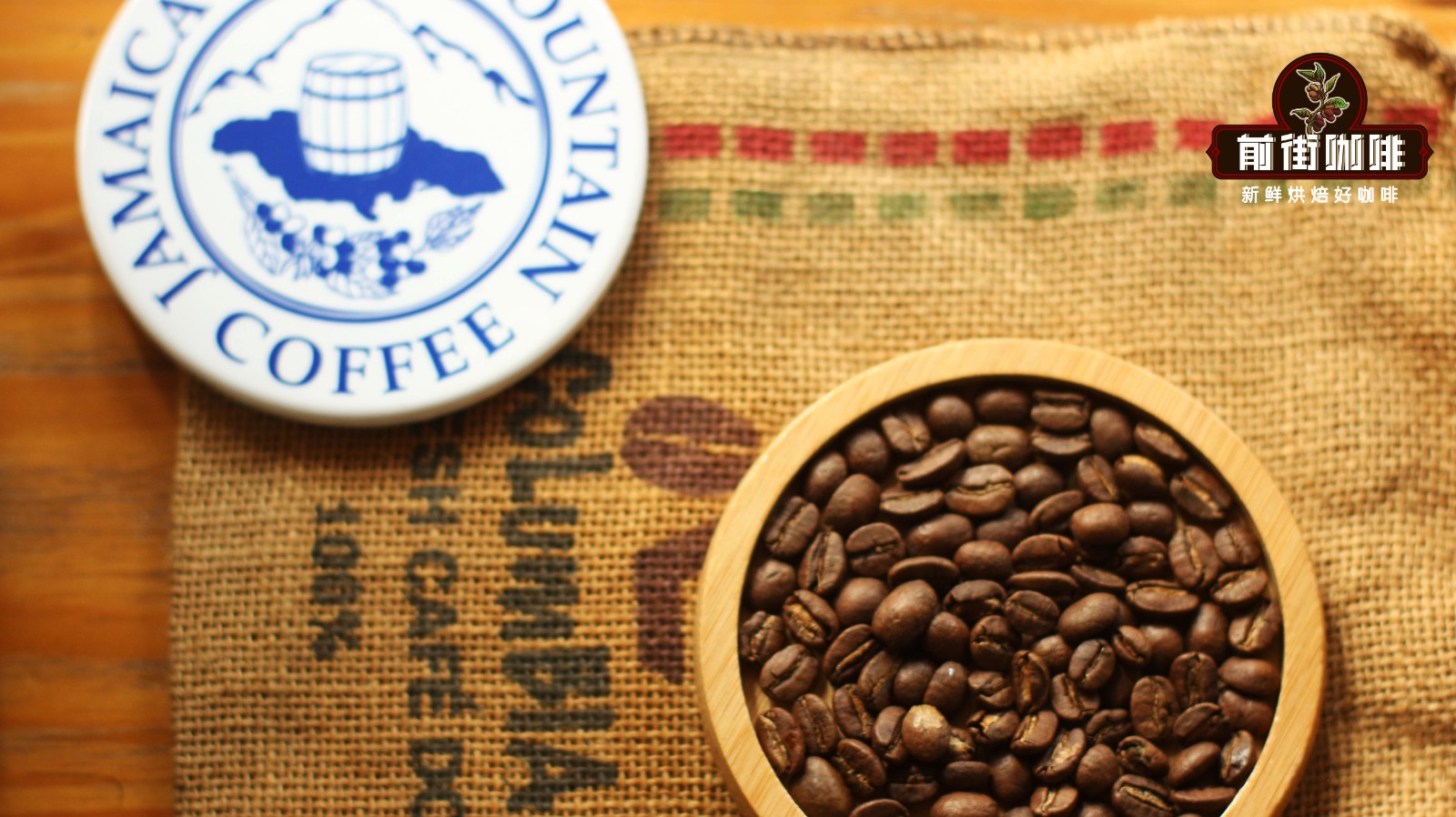
Blue Mountain coffee is very famous, but there are often rumors that only Japan has real Blue Mountain coffee beans—this is an old story from over twenty years ago.
Jamaica Blue Mountain Coffee,The Coffee Industry Board (CIB) of Jamaica designated an area of about 6,000 hectares (about one-third) in the Blue Mountain range, stipulating that only Typica coffee grown in this area can be called "Jamaica Blue Mountain Coffee."Within this, Blue Mountain coffee and High Mountain coffee are each further divided into four grades. Based on quality, from highest to lowest, they are: NO.1, NO.2, NO.3, and PB, where PB stands for peaberry. According to CIB standards, only coffee planted in the Blue Mountain area is called Jamaica Blue Mountain Coffee.NO.1 is what we commonly call Blue Mountain No.1.
"Jamaica Blue Mountain Coffee."
According to the area officially designated by the CIB, the forest region where Blue Mountain coffee is grown is at an elevation of about 910 to 1,700 meters, mainly distributed in St. Thomas, St. Mary, St. Andrew, and Portland. The estates producing Jamaica Blue Mountain coffee include Clifton Mount Estate, Stony Hill Estate, Gold Cup Estate, and RWS Coffee Estate.
The CIB was the earliest organization to use scientific and objective methods to grade coffee quality, combining green bean size, color, uniformity, defect rate, moisture content, and cupping performance for grading.
Before export, Blue Mountain green beans are packaged and sent for testing, and are graded according to size specifications and defect rate after processing: Blue Mountain No.1, Blue Mountain No.2, Blue Mountain No.3, and Blue Mountain Peaberry. The size of the beans is determined using screens with various hole sizes; beans that do not pass through the holes meet the required size standard. Top-grade Blue Mountain No.1 green beans must meet specifications of 17 screen or above, have a defect rate below 3%, a moisture content of around 13%, and display rich coffee aroma, a smooth, balanced mouthfeel, low acidity, and a long-lasting sweet aftertaste in cupping.
To ensure Blue Mountain coffee beans maintain better quality until roasting and to avoid moisture penetration during transport, Jamaicans insist on using handmade wooden barrels as containers for Blue Mountain green beans. The wooden barrel has also become one of the important symbols of Jamaica Blue Mountain coffee. At the Front Street store, there is a wooden barrel used for transporting Blue Mountain No.1 green coffee beans on display.
Producers and distributors of Blue Mountain coffee must be licensed by the Jamaican government and authorized by the Jamaica Coffee Board. All Blue Mountain lots exported from the region must also pass quality inspection and certification by the Coffee Board and carry its label. Front Street's Blue Mountain No.1 coffee is produced by Clifton Mount Estate and comes with a quality certificate issued by the Jamaica Coffee Board, an authorized sales certificate issued by the Blue Mountain coffee producer, and a certificate of origin for Jamaica Blue Mountain coffee.
Clifton Mount Estate is not only the oldest producer of Blue Mountain coffee in Jamaica, but also the only coffee estate to have obtained Rainforest certification. The green bean export volume of the coffee trading company under Clifton accounts for 55% of all Jamaica's exports, making it arguably Jamaica's most historic and powerful coffee company. Front Street's Blue Mountain No.1 coffee beans are selected from this estate.
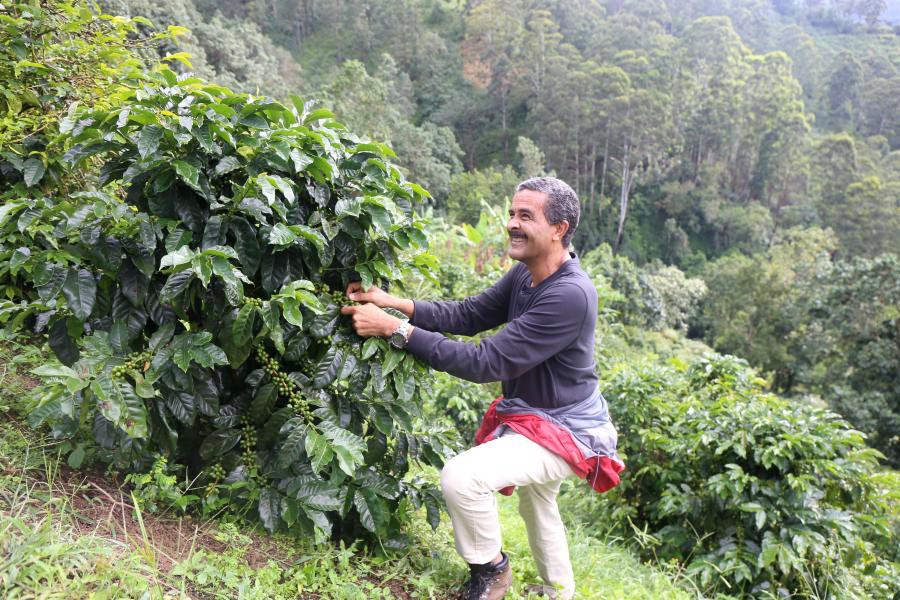
Clifton Mount Estate's Blue Mountain production history can be traced back to the mid-eighteenth century (around 1750), and in 1978 it came under the management of the current owner, the Sharp family. Clifton Mount Estate stands on the scenic Clifton Mountain, with coffee cultivation and green bean processing facilities located at an average of 4,300 feet (1,310.64 meters). Sufficient elevation, misty days, ample sunlight, rainfall, and mineral-rich planting soil provide good growing conditions for the coffee trees and delay the ripening time of the coffee cherries, giving the fruit enough time to form more aromatic compounds. The coffee grows on rugged slopes, making harvesting extremely difficult. Every spring during the harvest season, the Sharp family arranges for skilled workers to go up the mountain to hand-pick coffee cherries at the appropriate ripeness.
After the Sharp family took over Clifton Mount Estate, they began by transforming the wild, overgrown jungle on the farm, then introduced various processing equipment and invested in building a solar power station, a wastewater treatment plant, and a BMCP processing plant. As the only coffee estate with the "Rainforest" label, every stage within the estate adheres to environmental protection principles. Water used for green bean processing is used for agricultural irrigation, and the removed fruit skins are fermented into organic fertilizer for flower cultivation.
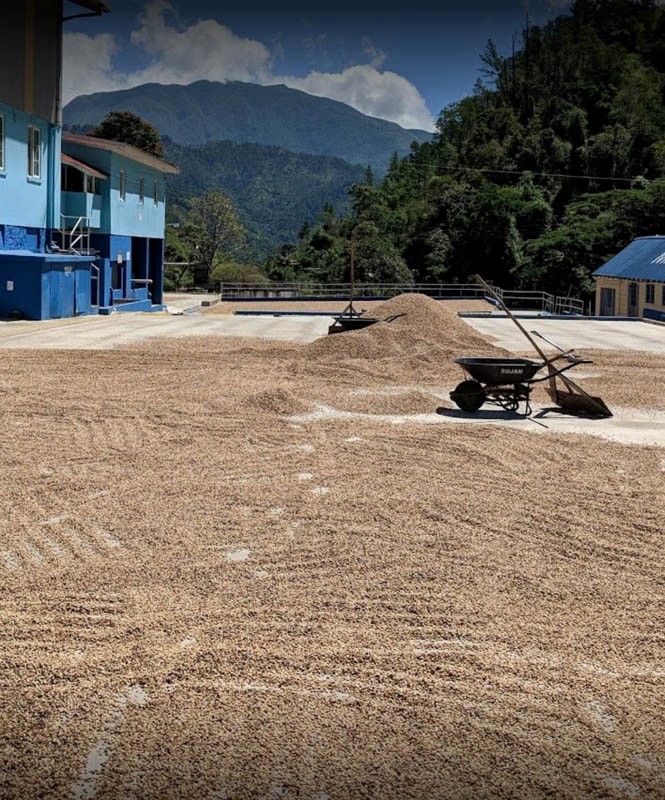
Clifton Mount Estate places the harvested fresh cherries into water tanks, uses flotation to separate ripe and unripe beans, and then uses the water flow on a conveyor belt to send ripe coffee cherries into depulping. The coffee beans with mucilage and parchment are then placed in water tanks to ferment. After the mucilage ferments, the residual mucilage is removed by agitation from the water flow, and then the clean coffee beans with parchment are dried. After reaching a certain moisture content of 11-12%, they are sent to the BMCP processing plant to rest for one month. This step is for the maturation of coffee flavor and greater stability of the internal structure and water activity.
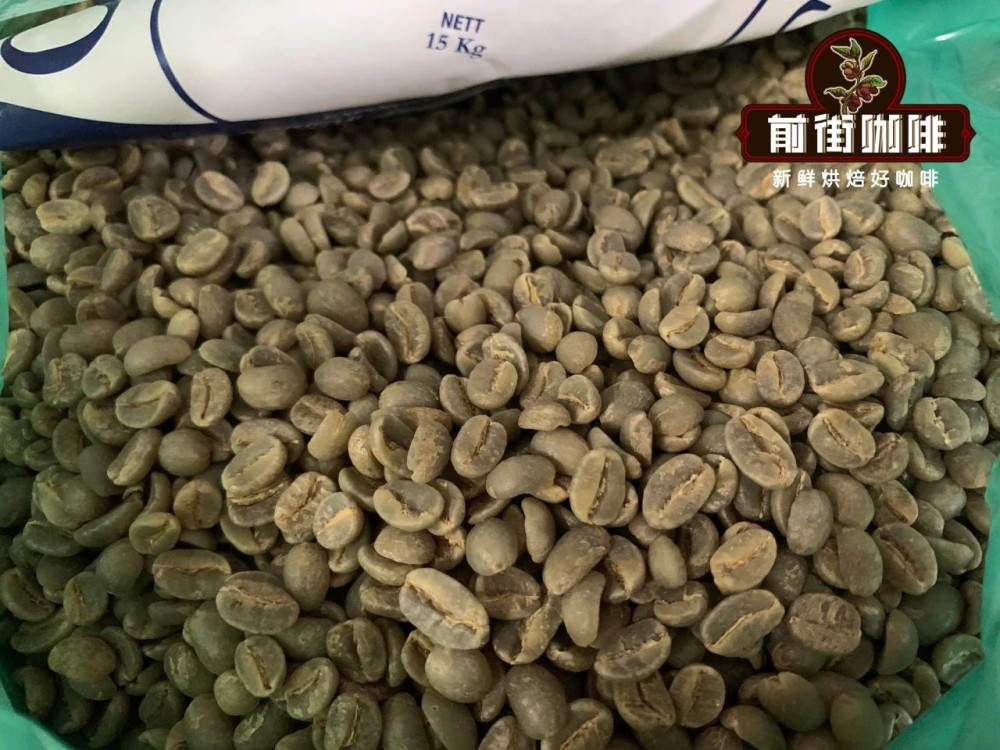
The roasting stage is equivalent to the cooking process in gastronomy: high-quality ingredients plus the corresponding culinary techniques make the food's flavor even better. The ultimate goal of roasting is to obtain a delicious cup of coffee. Front Street's roasting philosophy is to present the most classic flavor profile of the origin while highlighting the bean's unique style—for example, the bright lemony acidity of Yirgacheffe, the herbal, full-bodied taste of Indonesian Mandheling, and Blue Mountain naturally also needs to highlight the classic Blue Mountain flavor. Front Street uses a medium-dark roast to maximize the coffee's chocolate and nut aromas while retaining soft acidity and sweetness, making the overall mouthfeel more balanced.
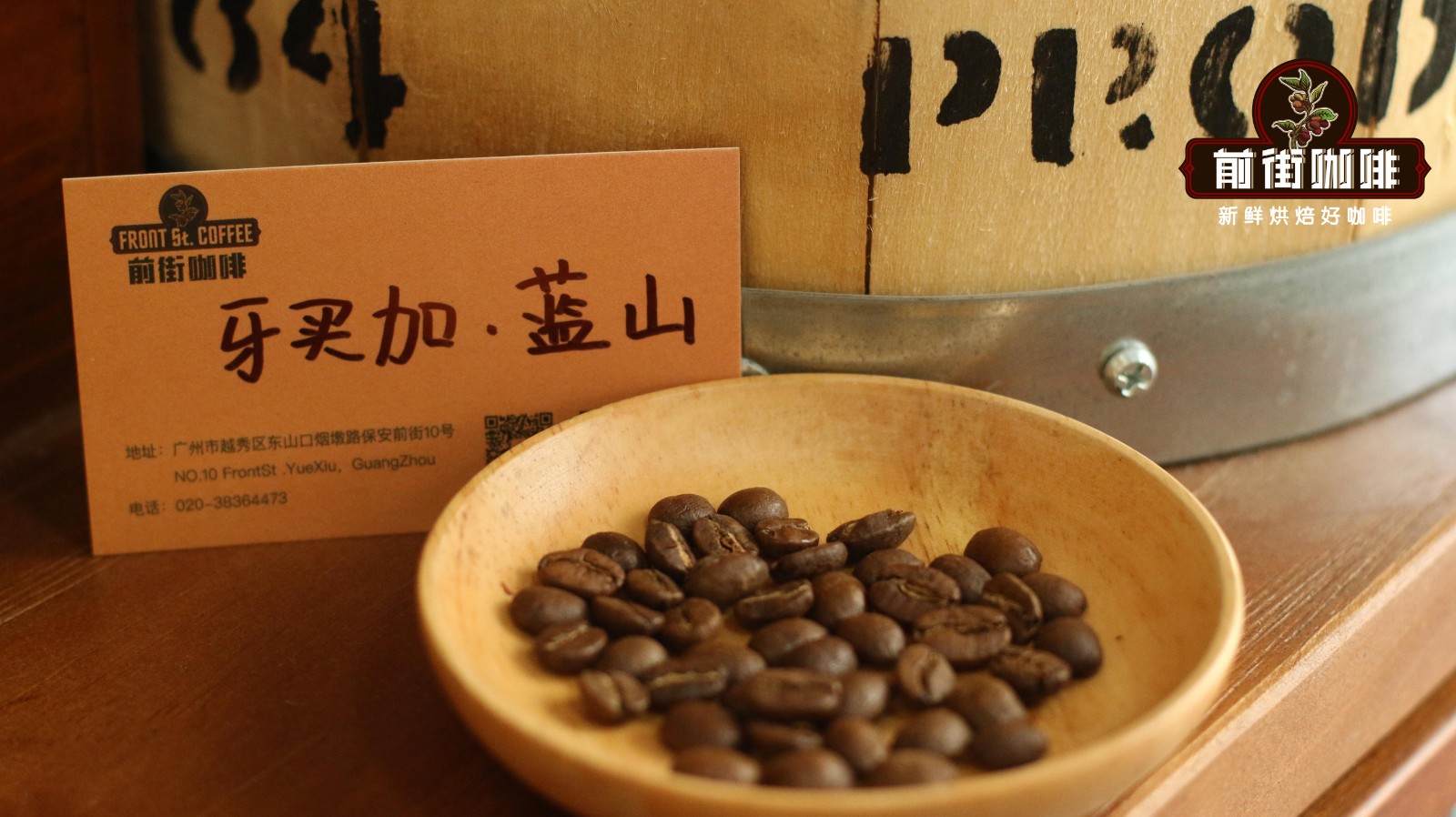
For the freshly roasted Blue Mountain coffee beans, Front Street immediately conducted cupping. The dry aroma had nuts, melon, and chocolate; after pouring in hot water, oolong tea, caramel, honey, and dark chocolate were smelled. In the cup, it tasted of rich dark chocolate, roasted hazelnut, cream, and dark brown sugar, with a clean and clear flavor, a full-bodied mouthfeel, and a long-lasting aroma.
The reason for the urban legend that only Japan has real Blue Mountain coffee is that in the early 1970s,Jamaica was hit head-on by a typhoon, causing severe damage to production facilities. Japan, having just experienced its post-war economic boom, needed to participate in more international affairs to increase its influence, and therefore strongly supportedJamaica's post-disaster reconstruction work, including rebuilding related production facilitiesand signed a thirty-year long-term agreement to purchase Blue Mountain coffee. This is the broader context behind the large-scale purchasing of Blue Mountain coffee by Japan. Thirty years have passed and times have changed; Blue Mountain coffee is no longer purchased in large quantities only by Japan, and Blue Mountain coffee has gradually begun to appear in the Chinese market. Fromthe Jamaica CIB official website, relevant reports can be seen: more than ten years ago, Blue Mountain coffee had already begun to enter China directly.
The above content is compiled by CoffeeHunters, a coffee news website.

