







What Makes Blue Mountain Coffee So Expensive?
Jamaican Blue Mountain coffee sits at the top of the specialty market mostly because of a strict regulatory system and a distinctive terroir. High altitude, volcanic soil, and a foggy, rainy climate in the Blue Mountain range produce a cup with balanced acidity, sweetness, and bitterness. Grades run from Blue Mountain No. 1 down through High Mountain and Jamaica coffee.
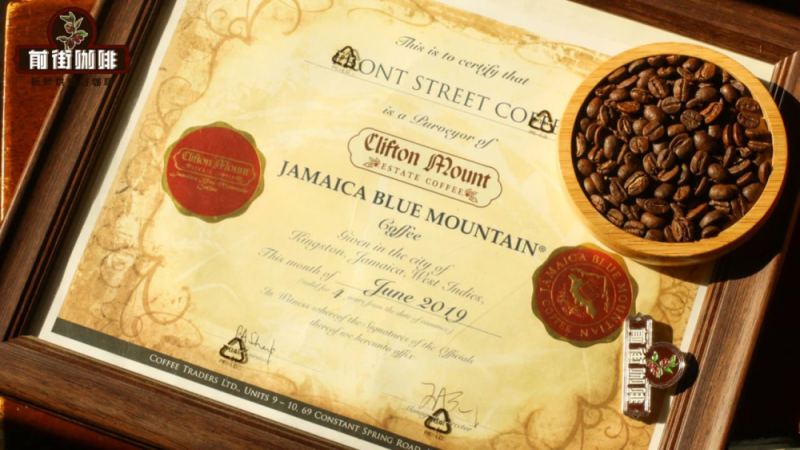
The variety arrived in the 18th century: a 1717 French decree called for planting coffee in Jamaica, and by the mid-1720s Governor Nicholas Lawes brought Arabica seeds from Martinique to the St. Andrew area. Beans such as those from Clifton Mount Estate are typically given a medium-dark roast, and the same lots can be pulled as soe coffee for a concentrated single-origin shot.
Jamaican Blue Mountain coffee has long remained at the pinnacle of specialty coffee thanks to its strict regulatory system and unique terroir. From its introduction in the 18th century to the present day, the high altitude, volcanic soil, and foggy, rainy climate of the Blue Mountain range have together shaped the classic flavor profile of Blue Mountain coffee with its balance of acidity, sweetness, and bitterness. This article will explore the historical origins of Blue Mountain coffee, its grade classification, the evolution of processing methods, and the cultivation and processing details of Clifton Mount Estate, while also presenting Front Street Blue Mountain No. 1 coffee's roasting approach, pour-over parameters, and SOE extraction recommendations, helping coffee enthusiasts fully understand the charm of this legendary bean.
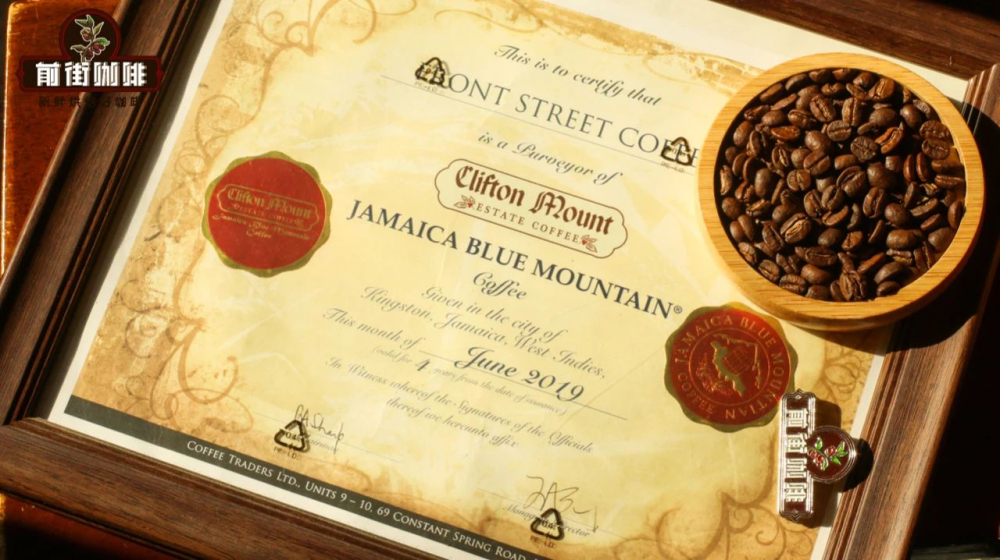
Jamaica has implemented an extremely strict regulatory mechanism for the coffee industry, and it is precisely this system that has propelled Blue Mountain coffee into the ranks of the world's top specialty coffees, making it an object of pursuit for countless enthusiasts. Front Street Blue Mountain coffee originates from Clifton Mount Estate, with acidity, sweetness, and bitterness in harmonious balance. This Front Street Blue Mountain coffee bean has been sold at Front Street stores for many years and has always been a highly regarded star product. Because so many consumers have been influenced by the Blue Mountain flavor, many people remain confused about how to identify genuine Front Street Blue Mountain coffee, and quite a few customers visiting the store ask Front Street about this question. In fact, the answer is not complicated—once you finish this article and follow Front Street's line of thinking, everything will become clear.
The History of Jamaican Blue Mountain Coffee
Jamaica's coffee cultivation history can be traced back to the 18th century. In 1717, King Louis XV of France issued a decree to plant coffee in Jamaica; by the mid-1720s, Sir Nicholas Lawes, then Governor of Jamaica, introduced Arabica seeds from Martinique and gradually promoted cultivation in the St. Andrew area. Coffee trees were thus introduced to Jamaica and took root in the Blue Mountain range. Thereafter, based on differences in altitude, categories such as Jamaican Blue Mountain coffee, High Mountain coffee, and Jamaica coffee were distinguished, with different grades commanding correspondingly different prices.
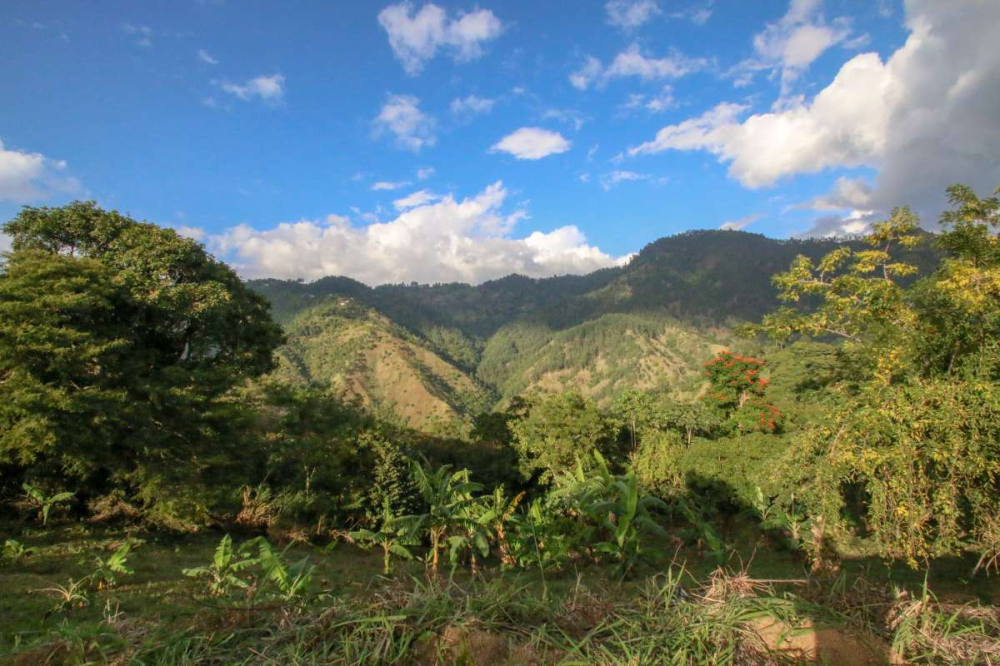
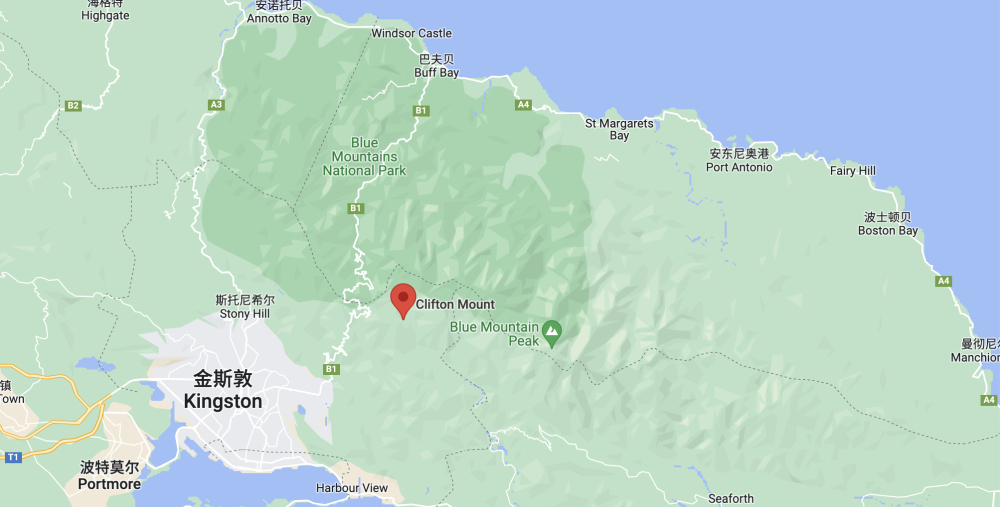
The Blue Mountain range is located in the eastern part of the island of Jamaica, encircled by the Caribbean Sea. Whenever the sky clears, sunlight strikes the azure sea surface directly, and the peaks refract a brilliant blue glow like that of the seawater—hence the name Blue Mountain. The main peak of Blue Mountain stands at 2,256 meters above sea level, with the area above 1,700 meters designated as protected forest, and coffee cultivation permitted only below 1,700 meters. This is both the highest point in the Caribbean region and a well-known tourist destination. The production area lies within the coffee belt, with fertile volcanic soil, clean and pollution-free air, a humid climate, and year-round fog and rain, with average annual precipitation of about 1,980 millimeters and temperatures maintained around 27 degrees Celsius. Such an environment has both produced the world-renowned Jamaican Blue Mountain coffee and created the world's most expensive coffee.
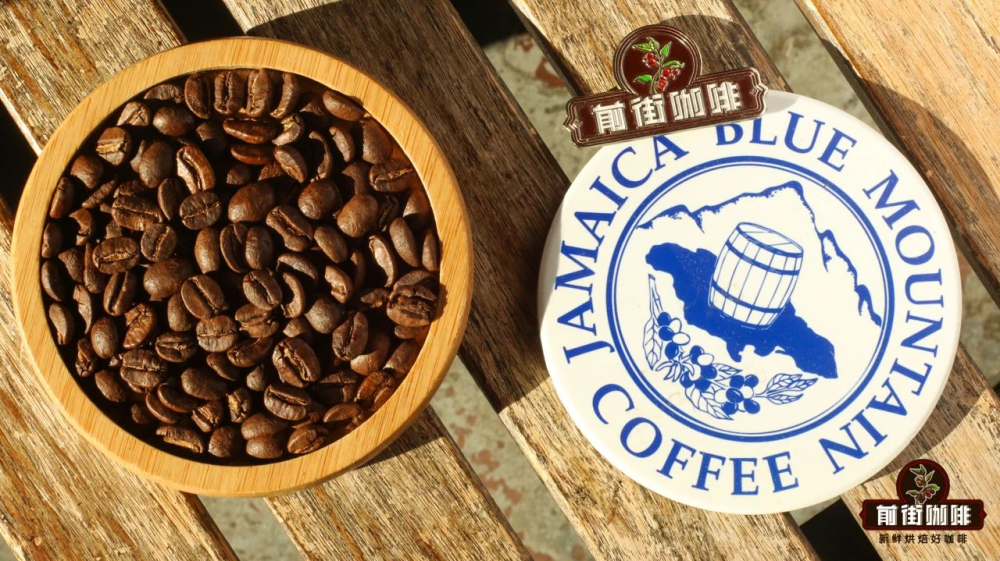
Blue Mountain coffee truly ascended to the world's top tier thanks to a plan in the 1950s. At that time, the Jamaican government formulated a coffee revival program and established the CIB to coordinate coffee production affairs. Under the CIB's strict regulation, coffee grades in the Blue Mountain region were clearly defined: the finest beans were designated Blue Mountain No. 1, and only coffee produced within the Blue Mountain core area could bear the Blue Mountain name. This area sits at over 900 meters above sea level, the highest terrain in the Blue Mountain region, and the high altitude allows the coffee's flavor to perform even more brilliantly.
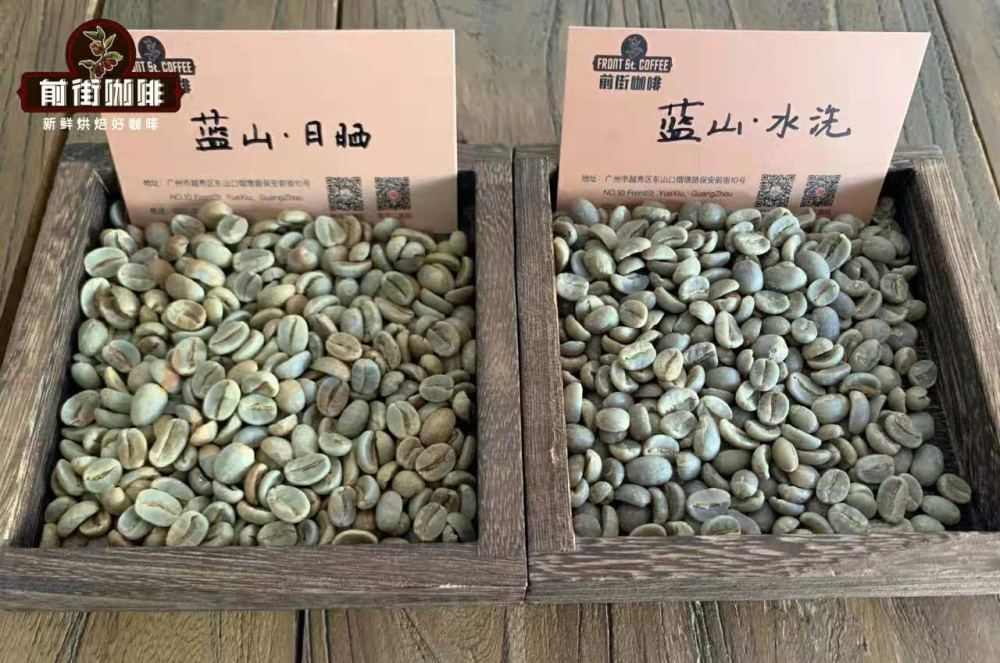
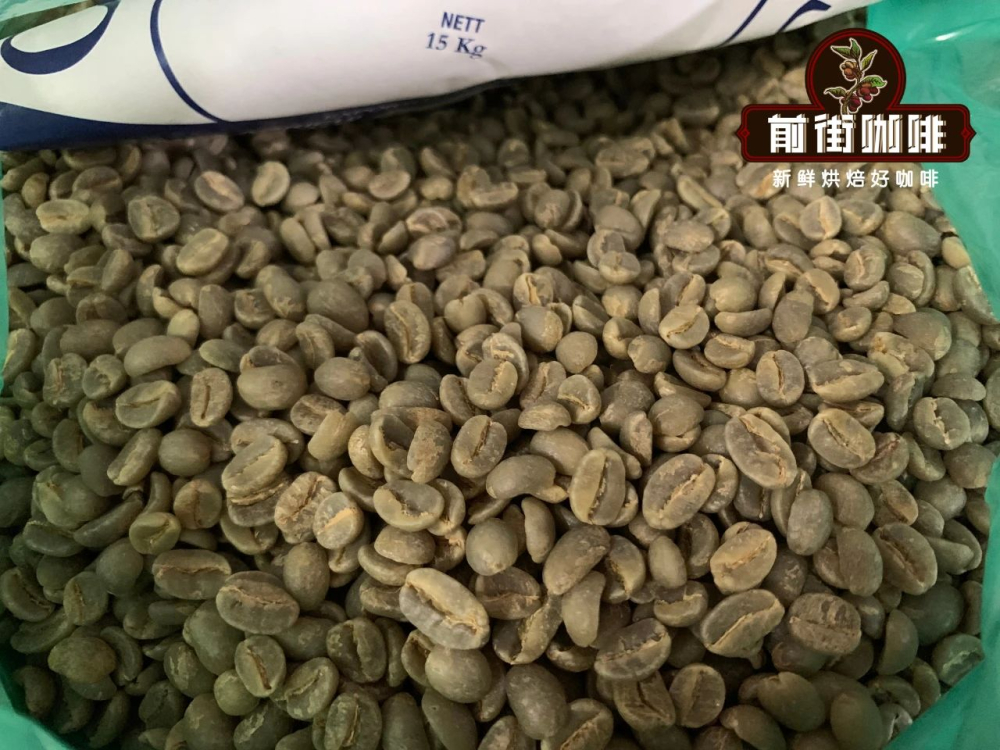
The coffee variety planted throughout the Blue Mountain region is exclusively Typica, and all of it undergoes washed processing, which makes the quality of Blue Mountain coffee beans quite outstanding. Coffee beans processed by the natural method during the same period had a noticeably higher defect rate. Only coffee beans produced in this region with a screen size of 17 mesh or above are eligible to be called Blue Mountain No. 1.
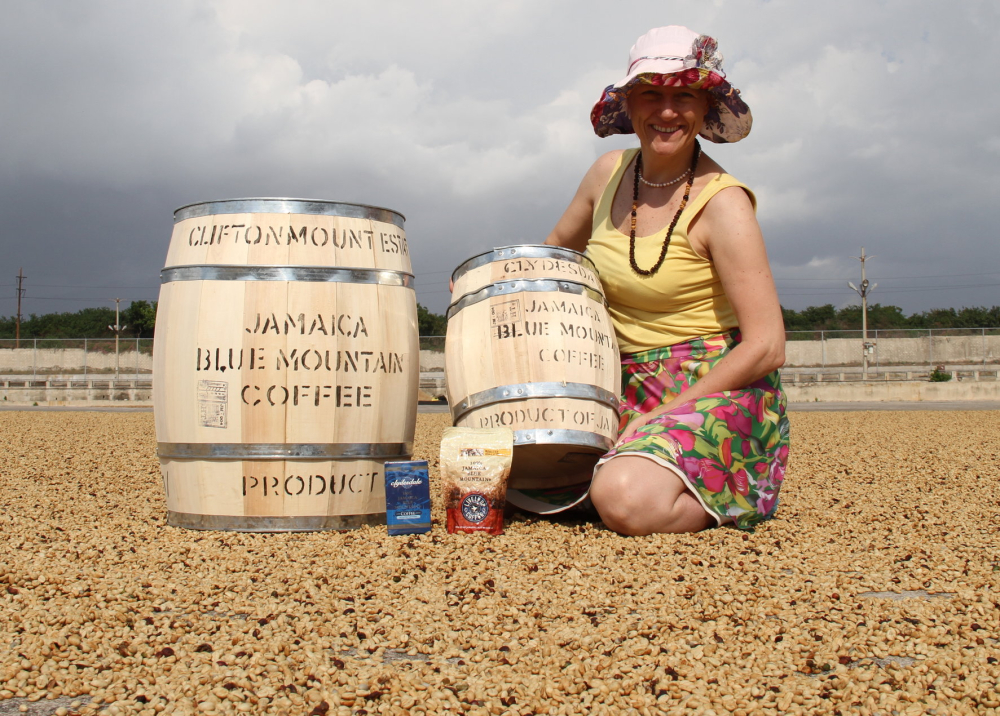
Genuine Front Street Blue Mountain coffee—all products currently circulating on the market—uses the washed processing method. After coffee cherries are hand-picked, they first undergo preliminary sorting to remove unripe and overripe fruit, then are depulped, all of which must be completed within 12 hours. Traditional washed fermentation follows, after which the beans are moved to concrete platforms for sun-drying. The long, slow sun-drying helps intensify the coffee's flavor. Once dried to a moisture content of 11% to 13%, they are bagged and placed in warehouses to rest and mature, with warehouse temperature controlled at 24 to 25 degrees Celsius and humidity regulated by dehumidifiers. Shipment only occurs after 2 to 3 months when the flavor has stabilized and matured.
After receiving an order, the beans are hulled, polished, and winnowed of silver skin and dust in small batches at low temperature, and defective beans—broken, abnormally colored, moldy—are removed by hand. A skilled worker can sort only about 75 pounds of green beans per day, with green beans transported between workstations in wooden basins to avoid cracking or other processing defects. After completion, they are sealed and packaged in the wooden barrels unique to Jamaican Blue Mountain. The CIB's supervisory department of the Jamaica Coffee Board inspects each batch to verify whether the coffee flavor meets standards before air freight export.
The coffee market has undergone major changes over the past decade, which has also affected the layout of Blue Mountain production areas. In 2020, Blue Mountain broke new ground by introducing a natural-process version, breaking the convention of washed-only for the first time. Of course, today's high-precision natural processing can also achieve low defect rates and high quality, and the flavor differs from washed processing. Front Street Blue Mountain coffee beans processed by the natural method exhibit more pronounced sweetness.
In addition to new experiments in processing methods, a micro-lot of Front Street Blue Mountain Geisha coffee beans was also launched in 2020. This Geisha batch was cultivated under the guidance of Panama's famous Hartmann family, hired by the Jamaican side. Front Street also purchased a 15-kilogram barrel in 2020 to test the waters, and the flavor was quite characteristic of Geisha, presenting citrus and honey pomelo acidity and sweetness on the palate, accompanied by jasmine floral notes and honey-like sweetness.
Famous Estates Producing Jamaican Blue Mountain Coffee
The four major Jamaican Blue Mountain estates are Clifton Mount Estate, Stony Hill Estate, Golden Cup Estate, and RWS Coffee Estate. Among them, Stony Hill Estate mainly cooperates with Japanese companies, has low domestic recognition, and has a history of only 80 years. Golden Cup Estate has an even shorter development history of only 20 years, but it is actually a merger of two century-old estates, operated with more advanced management techniques. RWS Coffee Estate, meanwhile, merged three century-old estates, with the same goal of ensuring the stable development of Blue Mountain coffee.
The Front Street Blue Mountain coffee beans selected by Front Street Coffee come from Clifton Mount Estate. The estate has a 200-year history and is also the only estate in the entire Blue Mountain region to have obtained Rainforest Alliance certification.
Clifton Mount Estate's Blue Mountain coffee production history can be traced back to the mid-18th century, around 1750. In 1978, the estate was entrusted to the Sharp family, its current operators. Clifton Mount Estate nestles beside the picturesque Clifton Mountain, with coffee cultivation and green bean processing facilities at an average altitude of about 4,300 feet (1,310.64 meters). Sufficient altitude, mist drifting through the daytime, abundant sunshine and rainfall, and mineral-rich soil provide excellent growing conditions for coffee trees while slowing the ripening pace of coffee cherries, giving the fruit more time to develop aromatic compounds. The coffee trees grow on rugged mountain slopes, making harvesting extremely difficult. Each spring during harvest season, the Sharp family arranges for skilled workers to go up the mountain and hand-pick coffee cherries at just the right ripeness.
After the Sharp family took over Clifton Mount Estate, they began by clearing the wild, overgrown jungle on the farm, then progressively introduced various processing equipment and invested in building a solar power station, a wastewater treatment plant, and a BMCP processing facility. As the only coffee estate bearing the Rainforest Alliance seal, every aspect of the operation upholds environmental principles: water used for green bean processing is used for agricultural irrigation, and removed fruit skins are fermented into organic fertilizer for flower cultivation.
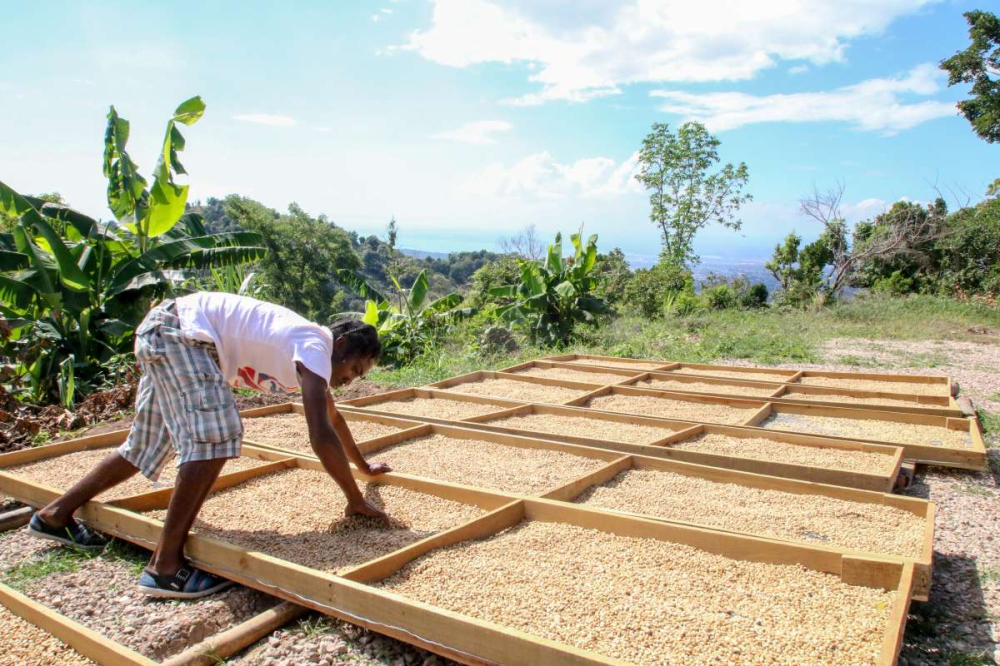
Clifton Mount Estate puts freshly harvested cherries into water tanks, using flotation to separate ripe from unripe beans, then conveys the ripe coffee cherries via water flow on conveyor belts into the depulping stage. Subsequently, beans still coated with mucilage and parchment are placed in tanks to ferment; after the mucilage ferments, residual matter is removed by agitation with water flow, and the clean parchment beans are then dried. Once moisture content reaches 11% to 12%, they are sent to the BMCP processing facility to rest for one month. This step aims to promote flavor maturation and make the internal structure and water activity more stable.
Flavor Characteristics of Front Street Clifton Mount Estate Blue Mountain No. 1 Coffee
Roasting is like cooking—quality ingredients paired with the right culinary technique can elevate flavor to the next level. The ultimate goal of roasting is always to obtain a delicious cup of coffee. Front Street's roasting philosophy is to present the most classic flavor profile of the production region while highlighting the bean's unique character—such as Yirgacheffe's bright lemony acidity or Indonesian Mandheling's herbal, full-bodied mouthfeel—and Front Street Blue Mountain coffee naturally must emphasize the classic Blue Mountain flavor. Front Street uses a medium-dark roast to maximize the chocolate and nutty aromas in Front Street Blue Mountain coffee while preserving soft acidity and sweetness, bringing the overall mouthfeel into balance.
Front Street immediately cupped the freshly roasted Front Street Blue Mountain coffee: the dry fragrance had nuts, melon, and chocolate; after pouring hot water, oolong tea, caramel, honey, and dark chocolate could be detected. On the palate, there were rich notes of dark chocolate, roasted hazelnut, cream, and brown sugar—clean and clear, with a full body and lasting aroma. To let everyone experience these aromas, all coffee beans shipped by Front Street are guaranteed to be freshly roasted within 5 days, arriving at the peak of their optimal tasting window. Below, Front Street explains several key elements of pour-over Front Street Blue Mountain coffee according to store serving standards.
Front Street Coffee: Jamaica Front Street Blue Mountain No. 1 Coffee Beans
Farm: Clifton Mount Farm
Location: Newcastle area
Average altitude: 4,300 feet (1,310.64 meters)
Processing method: Washed
Variety: 100% Arabica Typica
Front Street Coffee Barista's Pour-Over Recommendations
To taste the best flavor of Front Street Blue Mountain coffee, it is best to use freshly roasted coffee beans, as the flavor is better preserved. Using a KONO dripper allows for better extraction of a full, balanced flavor and mouthfeel.
Dose 15 grams, coarse grind, 75% passing through a No. 20 sieve, coffee-to-water ratio 1:15, water temperature 86 to 88 degrees Celsius.
Staged pouring:
1. First pour: 30 grams of water, bloom for 30 seconds.
2. After the bloom, pour the second stage, circling from the center outward with 100 grams of water. This stage can be poured slowly—Front Street Blue Mountain coffee is very resistant to extraction and needs a certain pouring time to draw out the aromas. After pouring, wait for the water level to drop to halfway.
3. Just as the coffee bed is about to be exposed, pour the third stage of 95 grams, for a total of 225 grams. Once the coffee has finished filtering, remove the dripper. Total brewing time is 1 minute 50 seconds.
Flavor profile of Front Street Blue Mountain No. 1 coffee: nuts, chocolate, balanced acidity-sweetness-bitterness, creamy full body.
With the spread and development of coffee culture, more and more specialty coffee shops today no longer limit themselves to pour-over extraction, but use more demanding methods to "squeeze" flavor from high-quality coffee beans. SOE, which has appeared frequently in recent years, is one representative. Next, Front Street will use today's Front Street Jamaican Blue Mountain No. 1 coffee beans as an example to briefly discuss how to extract a delicious cup of Blue Mountain SOE coffee.
Before extraction, wipe the portafilter basket dry, turn on the grinder, grind a double shot of coffee grounds, and place them on an electronic scale to weigh and adjust until reaching 20 grams. Then use a distribution tool to level the coffee grounds, and use a tamper to press straight down with force to compact the coffee puck, ensuring more stable extraction.
Step Three: Taste the espresso directly, and make it into a Blue Mountain Americano or Blue Mountain Latte
The freshly made Blue Mountain espresso has a thick, beautiful crema. Bring it close to your nose and you can immediately detect caramel biscuit, baking spices, and dark chocolate. On the first sip, the palate is stimulated by the bitterness of the upper layer of crema and the overly intense mouthfeel, but after swallowing, immediately close your mouth and exhale through the nose—the bitterness dissipates, and the mouth quickly returns a faint coffee aroma along with a pleasing sweet finish.
If you cannot accept the intense bitterness of espresso, you can also add ice water or warm water at a 1:4 ratio according to personal preference to make a refreshing, sweet SOE Blue Mountain Americano; or add steamed fresh milk at a 1:6 ratio to soften the mouthfeel, making a delicious cup of SOE Blue Mountain Latte.
For professional coffee knowledge exchange and more coffee bean information, please follow Coffee Workshop (WeChat public account: cafe_style) For more specialty coffee beans, please add the private WeChat of Front Street Coffee, WeChat ID: qjcoffeex
The above content is compiled by CoffeeHunters, a coffee news website.


