







Search Results for: plot
A Full Guide to Hacienda La Esmeralda's Geisha Plots in Panama: The Red-Tag and Green-Tag Grading System and Brewing Parameters
The Geisha grading system of Panama's Hacienda La Esmeralda has long been a hot topic of discussion in the coffee world. Since the El Velo estate began commercial operations in the 2022 harvest season, the Peterson family has given a new definition to Geisha grades, and Green Label lots have also begun to indicate the source of the harvesting plot. This article, starting from the new perspective of plot division, systematically sorts out the microclimate characteristics and subdivided plots of Hacienda La Esmeralda's three major Geisha growing areas—Jaramillo, Cañas Verdes, and El Velo—explains in detail the evaluation criteria and flavor differences of the two major grades, Red Label (Esmeralda Special) and Green Label (Private Collection), and includes Front Street Coffee's practical pour-over parameters and tasting notes for Red Label Geisha. [more…]
A Guide to Panama's Hacienda La Esmeralda Geisha Grades: A Full Breakdown of Blue, Green, and Red Labels and Plot Differences
Hacienda La Esmeralda in Panama is the starting point of Geisha coffee's journey to the world, and the most representative brand in the Geisha flavor experience. Faced with the Blue Label, Green Label, Red Label, and auction lots, many coffee lovers inevitably get confused: what exactly do these labels represent? And how do they relate to the different farms and plots within the estate? Front Street Coffee will guide you through the estate's farm distribution, plot divisions, and the evolution of its grading system, clarifying the differences between the Blue Label, Green Label, Red Label, and auction lots, and helping you make clearer judgments when purchasing Geisha. [more…]
A Complete Guide to Hacienda La Esmeralda Geisha Grades: Red and Green Label Plot Divisions and Geisha Flavor Descriptions
The grading system of Hacienda La Esmeralda's Geisha has always been a focal point in the specialty coffee world. Since the 2022 harvest season, with El Velo farm entering commercial production, the Peterson family has redefined the two major grades, Red Label and Green Label, and the Green Label has also begun to indicate specific harvest plots. This article, from the perspective of Front Street Coffee, systematically reviews the microclimates and cultivation details of Hacienda La Esmeralda's three major plots—Jaramillo, Cañas Verdes, and El Velo—explains in detail the evaluation criteria and flavor profiles of Red Label (Esmeralda Special) and Green Label (Private Collection), and includes the pour-over parameters and brewing steps for Front Street's Esmeralda Red Label Geisha, helping coffee enthusiasts gain a more comprehensive understanding of the terroir expression of this legendary variety. [more…]
A Full Analysis of the Flavor Differences Between Panama Hacienda La Esmeralda's Red Tag and Green Tag Geisha, the Characteristics of the Geisha Variety, and Plot Classifications
Geisha coffee has captured the hearts of countless coffee lovers with its rich floral aroma and refined fruit acidity, and Panama's Hacienda La Esmeralda has elevated this variety to legendary status. The estate's three grades—Red Label, Green Label, and Blue Label—each have their own merits: Red Label Natural Geisha is full-bodied with notes of rose and berries, while Green Label Washed Geisha stands out for its fresh jasmine aroma and bright acidity. In this article, Front Street Coffee will provide an in-depth analysis of the origins and cultivation requirements of the Geisha variety, outline the microclimate characteristics of Hacienda La Esmeralda's three major plots, explain in detail the grading standards and flavor profiles of Red Label, Green Label, and Volcanic Rock Blue Label, and compare through cupping how natural and washed processing specifically affect Geisha's taste. Finally, we'll include Front Street's roasting and brewing recommendations to help readers fully understand the appeal of Hacienda La Esmeralda Geisha. [more…]
A Detailed Guide to Panama Hacienda La Esmeralda Geisha Grades: Differences and Flavor Comparison of the Three Main Grades—Red, Green, and Blue Labels
Panama's Hacienda La Esmeralda, with its refined Geisha grading system, has become a model emulated by many coffee estates. This article systematically sorts out the core differences among Hacienda La Esmeralda's three Geisha grades—Red Label, Green Label, and Blue Label—covering cultivation altitude, plot information, and blending models, while also providing an in-depth introduction to the estate's history, plot divisions, roasting recommendations, and brewing parameters. Front Street Coffee recently purchased the 2020 new-crop Blue Label Geisha, and by combining the cupping performance of the Red Label and Green Label, we guide you through a comprehensive understanding of the unique flavors and purchasing points of these three grades. [more…]
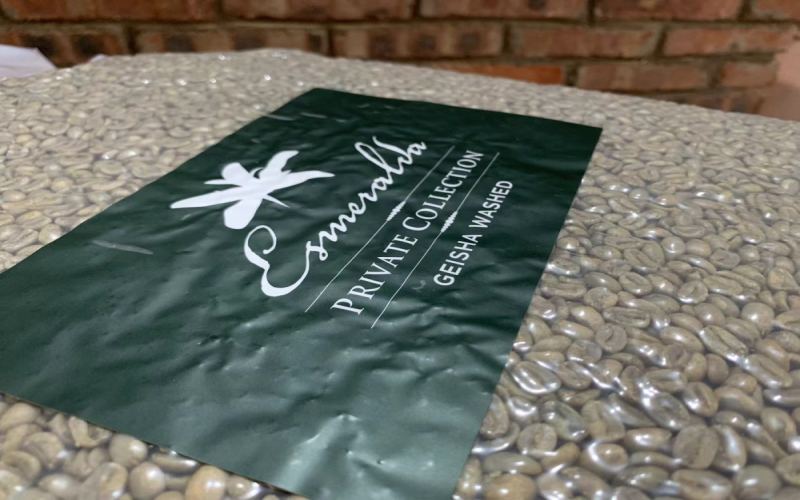
Panama Hacienda La Esmeralda Geisha Full Analysis: Red, Green, and Blue Label Grade Differences, Plot Terroir, and Cupping & Brewing Guide
Hacienda La Esmeralda in Panama is the discoverer and promoter of the Geisha flavor and a representative estate known for its altitude-based grading system. In this article, Front Street Coffee systematically reviews the development history of Hacienda La Esmeralda, the terroir differences among its three major growing plots, and the grading standards for Auction, Red Label, Green Label, and Blue Label Geisha. At the same time, Front Street Coffee also shares the roasting curves, cupping flavors, and pour-over brewing parameters for three grades of Geisha, helping coffee enthusiasts fully understand the quality system and flavor differences of Hacienda La Esmeralda Geisha, so they can find reference points whether choosing beans or brewing. [more…]
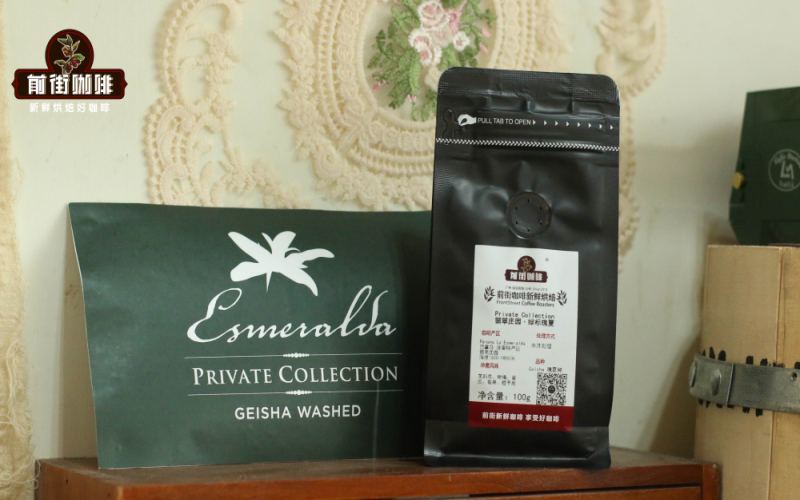
A Complete Guide to Panama Geisha Coffee Origins: Boquete Region, Hacienda La Esmeralda Plot Classifications, and Red/Green Label Brewing Guide
Panama is one of the most dazzling origins on the global specialty coffee map, and Geisha is the legendary variety that propelled this small Central American nation onto the world stage. From the Boquete and Volcán growing regions around the Chiriquí volcano to Hacienda La Esmeralda's meticulously divided Jaramillo, Cañas Verdes, and El Velo plots, altitude, microclimate, and processing methods together shape Geisha's signature floral and citrus notes. This article systematically reviews the cultivation geography of Panamanian Geisha, traces the historical development of its representative estates, analyzes the grading differences between Red Label and Green Label, and includes Front Street Coffee's V60 staged brewing parameters and flavor descriptions, offering coffee enthusiasts a complete reference on origin and tasting. [more…]
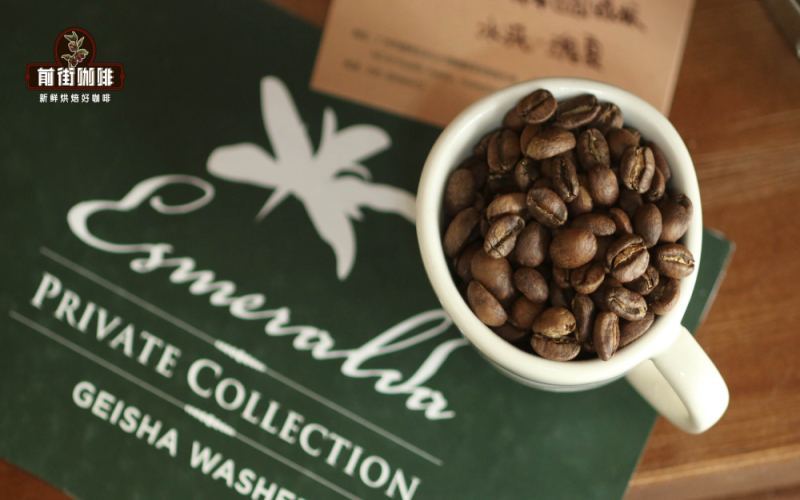
Panama Hacienda La Esmeralda Geisha Grades Explained: The Differences Between Auction Red Label, Green Label, and Blue Label and a Brewing Flavor Comparison
Hacienda La Esmeralda in Panama is renowned for its strict altitude grading and meticulous plot management, and its Geisha brand is divided into different grades such as the auction Red Label, Green Label, and Blue Label. These grades differ in growing altitude, plot source, whether beans are blended, and cup performance, and their prices and flavors diverge accordingly. This article will systematically review Hacienda La Esmeralda's origin background, plot divisions, and the definitions of each grade, and, through Front Street Coffee's roasting and brewing examples, compare the specific expressions of Red Label, Green Label, and Blue Label Geisha in aroma and mouthfeel, helping coffee enthusiasts understand the grading logic and key points for purchasing. [more…]
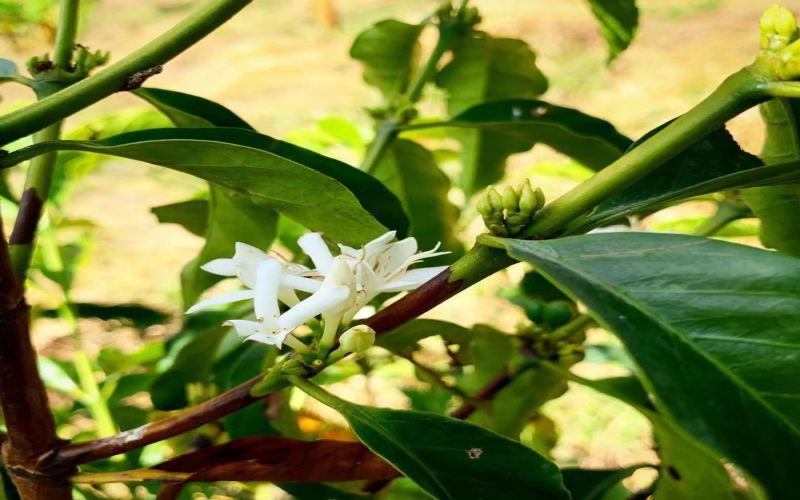
Origin and Spread of the Geisha Variety: A Detailed Explanation of Hacienda La Esmeralda's Red, Green, and Blue Label Geisha Grades and Plots
The Geisha variety was first discovered in the Geisha Forest of Ethiopia, and it took decades of travels before it finally blossomed and bore fruit in Panama, rising to fame overnight when Hacienda La Esmeralda won the 2004 BOP. This article will review Geisha's journey of dissemination and the development story of Hacienda La Esmeralda, explain in detail the differences among the three grades—Red Label, Green Label, and Blue Label—in altitude, cupping score, plot source, and flavor, and introduce one by one the terroir conditions and small plot distribution of the three major plots: Jaramillo, Cañas Verdes, and El Velo. At the end of the article, Front Street Coffee's brewing parameters and technique suggestions for three Geisha coffees are attached, helping you gain a comprehensive understanding of this legendary bean. [more…]

The Complete Guide to the Differences Between Panama Hacienda La Esmeralda Geisha Red Label, Green Label, and Blue Label and Pour-Over Parameters
When Geisha is mentioned, the first name that comes to most people's minds is Hacienda La Esmeralda in Panama. In 2004, Daniel, the third-generation manager of Hacienda La Esmeralda, entered a Geisha bean with a distinctly different flavor profile in the BOP competition, forever changing the landscape of specialty coffee. Hacienda La Esmeralda's Geisha product line is divided into Red Label, Green Label, and the former Blue Label, each differing in plot source, altitude, and quality standards. This article will systematically review the development history of Hacienda La Esmeralda, the detailed plot divisions of its three sub-farms, and the core differences between Red Label and Green Label, while also including the pour-over Geisha parameters recommended by Front Street Coffee, to help coffee enthusiasts gain a comprehensive understanding of this legendary bean variety. [more…]

Full Analysis of the Panama BOP Competition: Differences and Brewing of Hacienda La Esmeralda Geisha Red, Green, and Blue Label Coffee Beans
The Best of Panama (BOP) is the world's first green coffee competition, using blind cupping to conduct sensory evaluation of Panamanian specialty coffee, and it has greatly promoted the specialty cultivation of Panamanian coffee. This article begins with the history of the BOP auction and provides a detailed introduction to the Geisha legend of Hacienda La Esmeralda, including the grading criteria for Red Label, Green Label, and Blue Label, their plot origins, processing methods, and flavor differences, along with Front Street Coffee's brewing parameter recommendations to help coffee enthusiasts gain a comprehensive understanding of the origins and evolution of this top-tier Geisha. [more…]

Exploring the Origins of Panama's Hacienda La Esmeralda Geisha Coffee: A Full Breakdown of the Red, Green, and Blue Grading and the Plots
Geisha coffee has frequently appeared in major coffee competitions in recent years, and Panama's Hacienda La Esmeralda is undoubtedly the most renowned representative of this variety. Front Street Coffee not only offers Geisha from Hacienda La Esmeralda in Panama, but also beans from Gesha Village in Ethiopia, the birthplace of Geisha, though the latter still falls slightly short in flavor expression. This article will systematically trace the spread of Geisha coffee from the forests of Ethiopia to the world, detail the rise of Hacienda La Esmeralda, and analyze one by one the grading standards and flavor differences of the three tiers—Red Label, Green Label, and Blue Label. It will also provide in-depth introductions to the geographical characteristics of the three major Geisha growing plots: Jaramillo, Cañas Verdes, and El Velo. Finally, it will include Front Street Coffee's brewing suggestions and flavor descriptions, offering coffee enthusiasts a complete guide to Geisha knowledge. [more…]
Emerald Estate Red Label Geisha Natural vs. Washed Processing Comparison: Flavor Differences, Plot Characteristics, and Pour-Over Performance
Panama's Hacienda La Esmeralda is a benchmark in the specialty coffee world, and its Red Label Geisha is especially highly sought after. This article compares two Red Label Geishas—Front Street Coffee's Natural Red Label Geisha and Front Street Coffee's Washed Red Label Geisha—from the renowned Canas Verdes and Jaramillo plots respectively. The natural process gives the beans rich fruity aromas and sweetness, while the washed process brings clean, bright fruit acidity and floral notes. The article examines the estate's history, grading system, plot terroir, processing methods, green bean appearance, and cup profile and pour-over flavors one by one, documenting brewing parameters and tasting impressions in detail to help coffee lovers gain a deeper understanding of the stylistic differences of Geisha of the same grade under different processing methods. [more…]
A Complete Guide to Hacienda La Esmeralda Geisha Grades: Distinguishing Red, Green, and Blue Labels and Their Flavor Profiles
Geisha coffee is the crown jewel of today's specialty coffee world, and the Geisha produced by Panama's Hacienda La Esmeralda is regarded as the industry benchmark. In 2004, Hacienda La Esmeralda took first place in the BOP competition with a light-roasted Geisha, forever changing the fate of Panamanian coffee. This article systematically reviews Hacienda La Esmeralda's Geisha product grading system, explaining in detail the differences in definition, plot origin, and flavor expression among the Red Label, Green Label, and the discontinued Blue Label. It also introduces Hacienda La Esmeralda's three sub-estates and their small plot divisions, and includes Front Street Coffee's brewing suggestions and product information, helping coffee enthusiasts gain a comprehensive understanding of this legendary variety. [more…]
Tracing the Origins of Panama's BOP Competition: Hacienda La Esmeralda Geisha Red, Green, and Blue Label Grades and Their Brewing Flavor Analysis
The Panama BOP (Best of Panama) is the world's first green coffee competition. Since its inception in 1996, it has profoundly advanced the development of specialty coffee, and Hacienda La Esmeralda's Geisha shot to fame in 2004. Hacienda La Esmeralda meticulously grades its Geisha by altitude and plot, forming a three-tier system of Red Label, Green Label, and Blue Label. This article systematically reviews the origins of the BOP competition and auction, the history and plot divisions of Hacienda La Esmeralda, analyzes in detail the definitional differences between Red Label, Green Label, and Blue Label, and includes Front Street Coffee's brewing parameter recommendations and flavor descriptions, providing coffee lovers with a complete guide to Geisha knowledge. [more…]
A Detailed Guide to Hacienda La Esmeralda's Gold Label: Brewing, Flavor, and Taste Characteristics of Gold Label and Red Label Geisha Coffee Beans
Geisha coffee beans have taken the world by storm with their refined and elegant floral aromas and fruity acidity. Panama's Hacienda La Esmeralda and Ethiopia's Gesha Village Estate represent the benchmarks of Geisha in Central America and Africa respectively. Gesha Village Estate enforces strict internal grading, with Auction, Gold, Red, Green, and Chaka lots each having their own characteristics. Among them, the Gold lot is named "Rarities," accounting for only 10% of annual production, using the Geisha 1931 variety, with flavor complexity and intensity both of the highest caliber. The Red lot offers outstanding value for money, the Green lot provides single-plot traceability information, and the Chaka lot blends all three varieties from the entire estate. Front Street Coffee recommends that customers trying Geisha for the first time start with Esmeralda Red or Green, while Gesha Village Red is the choice for high value for money. This article will provide a detailed analysis of each grade's classification standards, variety origins, and brewing flavor performance. [more…]
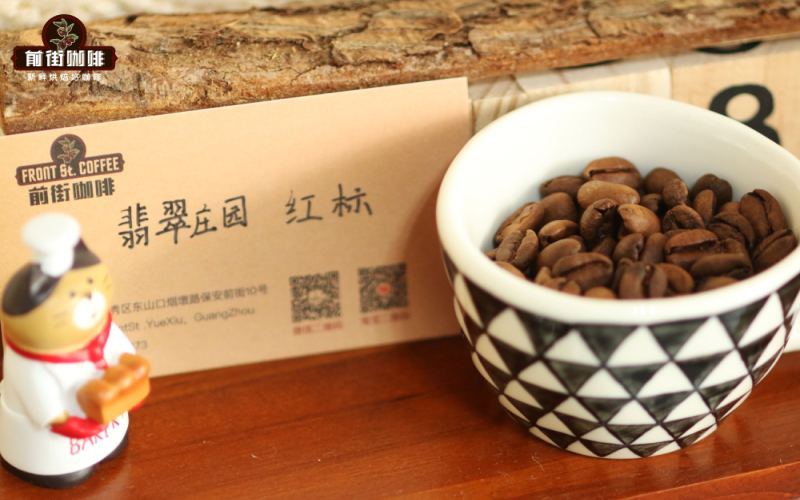
What exactly is Panama Red Label Geisha? A comprehensive interpretation of the origin and flavor of Hacienda La Esmeralda Geisha
Red Label Geisha refers to the top-tier Geisha lots produced by Hacienda La Esmeralda in Panama, enjoying an extremely high reputation in the specialty coffee world, with auction prices repeatedly setting records. Hacienda La Esmeralda classifies its Geisha into three grades—Red Label, Green Label, and Blue Label—based on cupping performance and plot, with Red Label representing the highest quality. At the same time, Gesha Village Coffee Estate in Africa also has a product line called "Red Label," and the two are easily confused. This article will sort out the grading system of Red Label Geisha, the discovery and rise to fame of Hacienda La Esmeralda's Geisha, detailed information about the Jaramillo plot, and the specific parameters and steps for brewing Esmeralda Red Label Natural Geisha at Front Street Coffee's store, taking you through a comprehensive understanding of this legendary coffee. [more…]
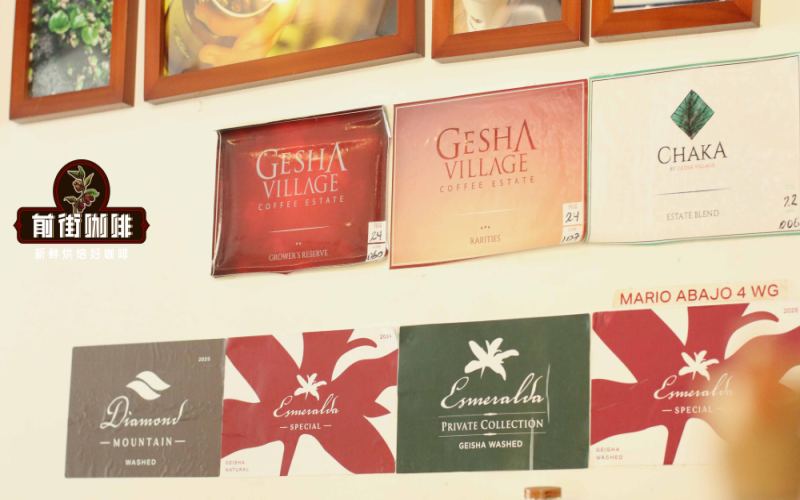
Why Is Geisha Coffee So Expensive? A Full Breakdown of the Grading Systems of Panama's Hacienda La Esmeralda and Ethiopia's Gesha Village
Geisha is widely recognized as a top-tier coffee variety, sweeping the globe from Ethiopia's pristine forests to the auction stage of Panama's Hacienda La Esmeralda, captivating the world with its delicate floral aroma and elegant fruit acidity. But why does the price of Geisha coffee remain so high? And how do different estates classify their grades? This article will guide you through Geisha's history of spread, its stringent growing environment requirements, and break down the grading standards and flavor profiles of Panama's Hacienda La Esmeralda (Auction, Red Label, Green Label) and Ethiopia's Gesha Village (Auction, Gold Label, Red Label, Green Label, Chaka) one by one, while also sharing Front Street Coffee's bean selection advice and cupping experience. [more…]
Panama Hacienda La Esmeralda vs. Ethiopia Gesha Village Auction Lot Differences Explained: The Complete Guide to Red, Gold, and Green Label Grading
Auction coffee beans have always been a hot topic in the specialty coffee world, especially the two top Geisha-producing origins—Panama's Hacienda La Esmeralda and Ethiopia's Gesha Village. Their grading systems—auction, red label, gold label, green label—often confuse enthusiasts. From the perspective of Front Street Coffee, this article traces the propagation history and growing requirements of the Geisha variety, breaks down in detail the logic behind Hacienda La Esmeralda's auction, red label, green label, and blue label classifications, and compares them with Gesha Village's auction, gold label, red label, green label, and Chaka lot, helping readers understand how different grades of Geisha differ in traceability information, cupping scores, variety composition, and flavor profiles. [more…]
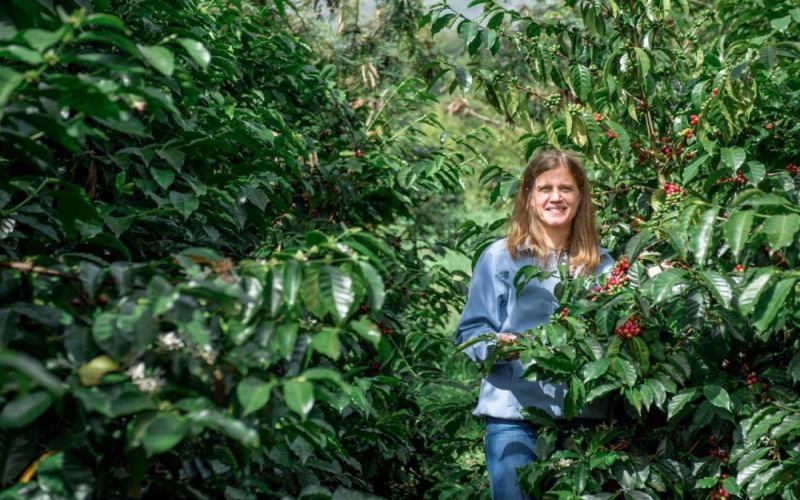
Comparison of Geisha Grades from Panama's Hacienda La Esmeralda: An Analysis of Flavor and Altitude Differences Across Auction, Red Label, Green Label, and Blue Label
Hacienda La Esmeralda in Panama is world-renowned for its Geisha variety, and its four major grades—Auction, Red Label, Green Label, and Blue Label—often confuse coffee lovers. From the perspective of Front Street Coffee, this article sorts out the history of Hacienda La Esmeralda and the logic behind its plot divisions, and explains in detail the specific differences among the grades in planting altitude, plot source, processing method, and cupping performance. Through actual roasting curves and brewing comparisons, it presents the flavor trends of Red Label, Green Label, and Blue Label Geisha in floral aroma, fruit acidity, sweetness, and body, helping readers understand how altitude classification and blending models affect the final expression of a cup of Geisha. [more…]