







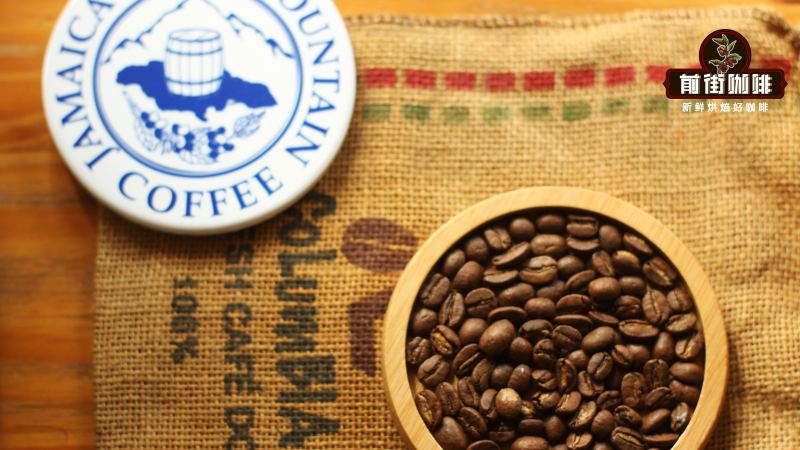
What makes Jamaican coffee from the Blue Mountain range different?
Jamaican Blue Mountain No. 1 beans from Clifton Estate are known for a delicate balance of acidity, body, and aroma, with chocolate and nutty notes and a smooth mouthfeel. The estate sits near Newcastle at an average altitude of about 4,300 feet, covers 250 acres with 180 acres planted, and grows 100% Arabica Typica processed by the washed method.
Jamaica's coffee history reaches back to the 18th century, when Arabica seeds arrived from Martinique and were planted in the Blue Mountain range. Altitude-based grades, decided by the Jamaica Coffee Industry Board, separate Blue Mountain coffee from High Mountain and Jamaica coffee, and that grade directly shapes the market price of blue mountain coffee from estates like Clifton.
Jamaican Blue Mountain coffee is renowned worldwide for its scarce production and exceptional quality. The Blue Mountain No. 1 coffee beans selected by Front Street Coffee come from Clifton Estate, a century-old estate with Rainforest Alliance certification, whose coffee achieves a delicate balance of acidity, body, and aroma. This article will guide you through the historical origins of Blue Mountain coffee, the strict grading standards of the Jamaica Coffee Industry Board, the distinctive characteristics of the four major Blue Mountain estates, and the complete process from washed processing to barrel packaging. At the same time, Front Street Coffee's roasting curve and brewing parameters will also be presented one by one, helping you fully appreciate this legendary coffee's chocolate, nutty flavors and balanced mouthfeel.
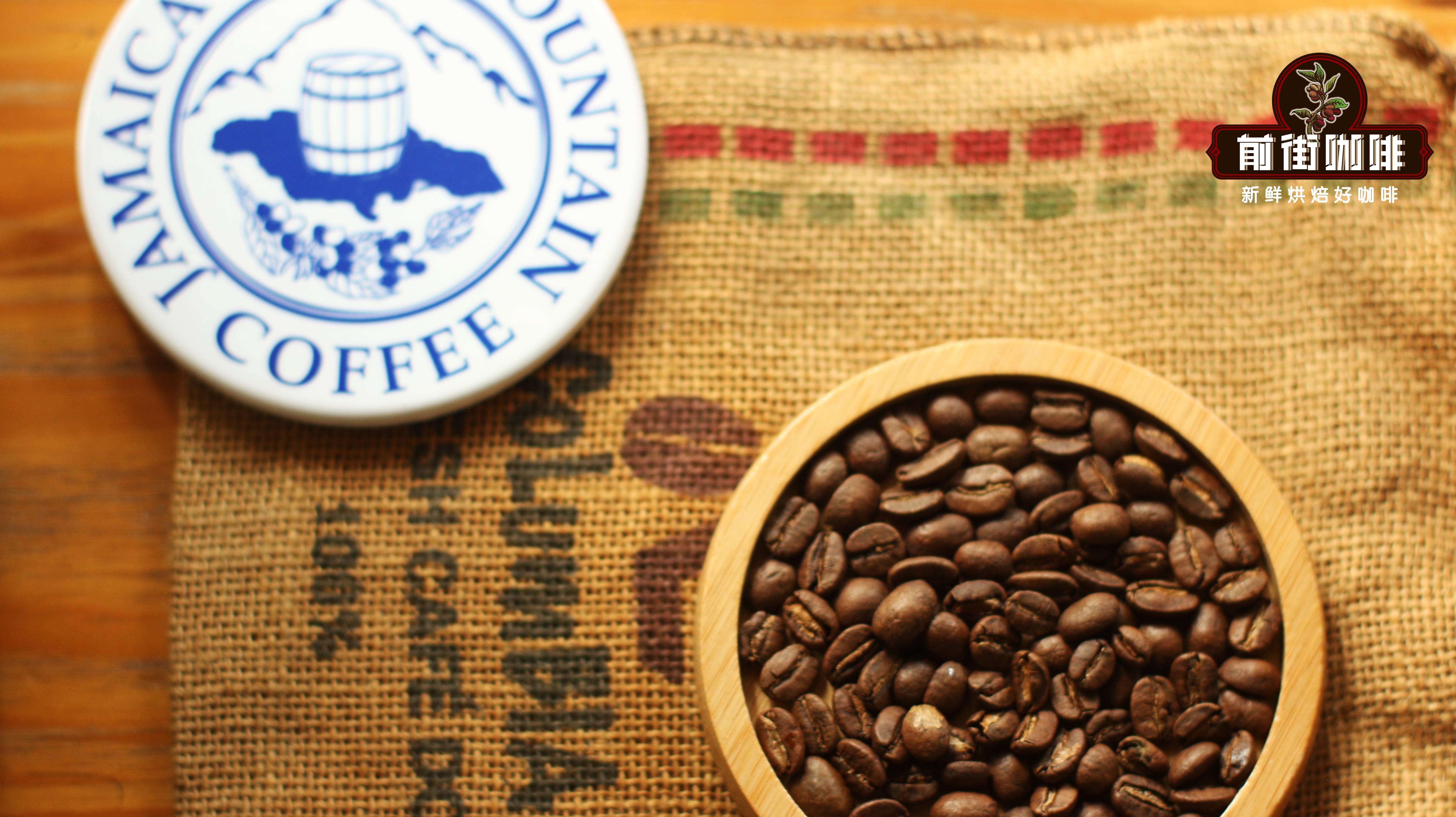
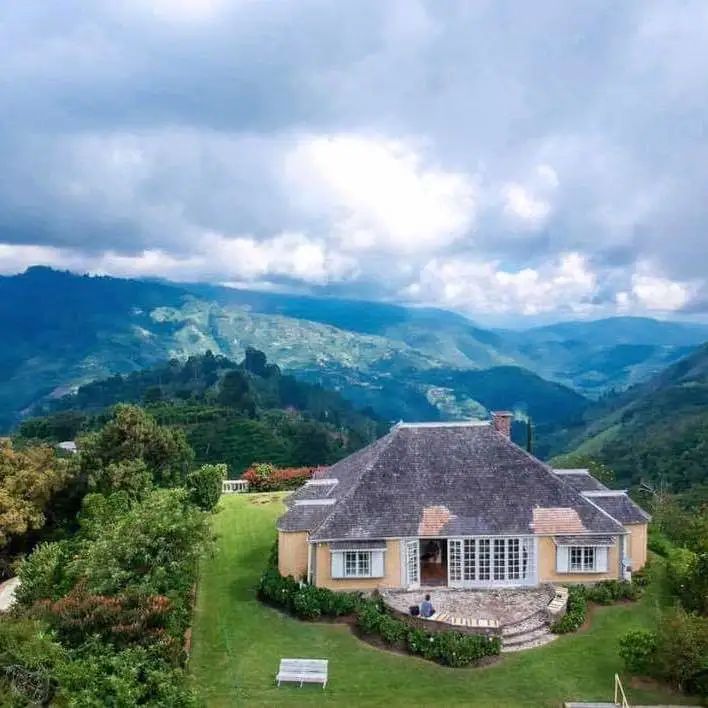
Front Street Coffee Jamaican Blue Mountain No. 1 Coffee Beans Farm: Clifton Farm Estate Owner: The Sharp family Certification: Rainforest Alliance Certified Location: Newcastle area Total Area: 250 acres Coffee Planting Area: 180 acres Average Altitude: 4,300 feet (1,310.64 meters) Processing Method: Washed Variety: 100% Arabica Typica
Front Street Blue Mountain coffee is renowned in the specialty coffee circle for its limited production and deep historical heritage. Even those who have never tasted specialty coffee have likely heard its name. Today, Front Street Coffee will introduce you to the four major Jamaican Blue Mountain coffee estates.
History of Jamaican Blue Mountain Coffee Jamaica's connection with coffee can be traced back to the 18th century. In 1717, King Louis XV of France ordered coffee to be planted in Jamaica. By the mid-1720s, Jamaican Governor Sir Nicholas Lawes introduced Arabica seeds from Martinique and promoted their cultivation in the St. Andrew region, thereby introducing coffee trees to Jamaica and establishing them in the Blue Mountain range. Thereafter, based on altitude, Jamaican coffee was classified into Blue Mountain coffee, High Mountain coffee, and Jamaica coffee, with grade differences directly determining market prices.
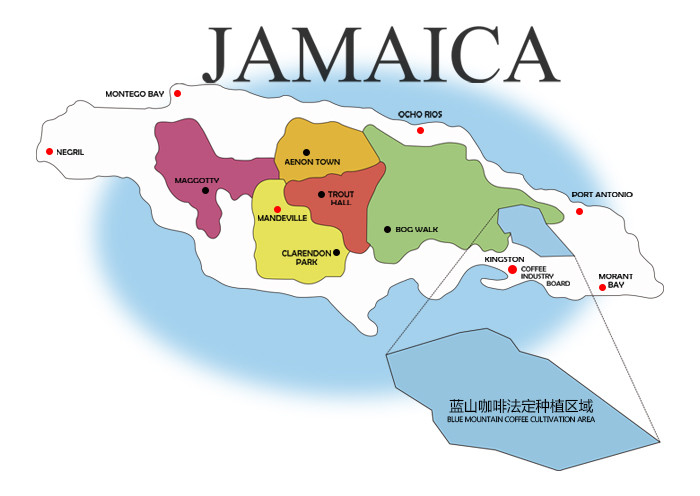
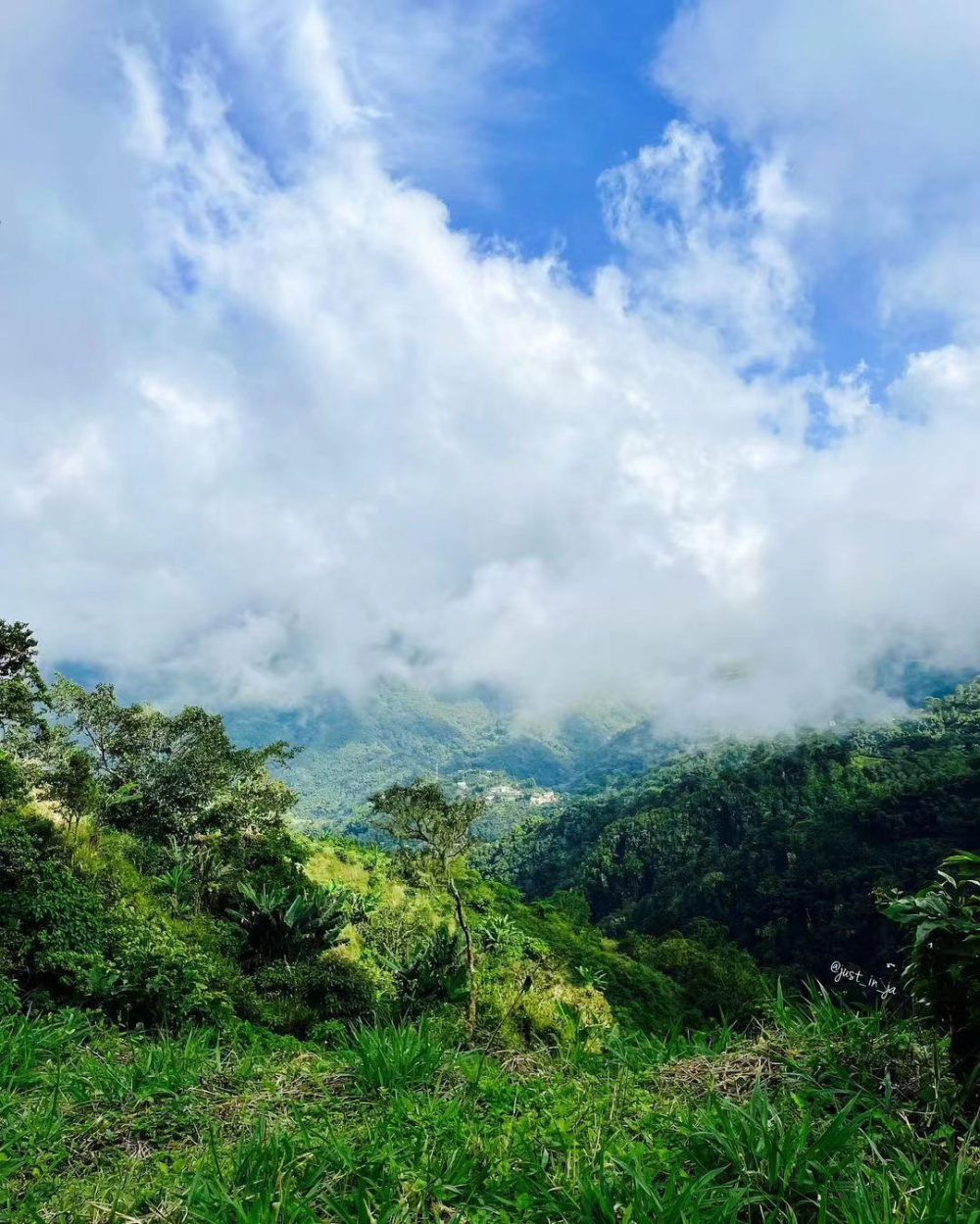
The Blue Mountain range is located in the eastern part of the island of Jamaica. On clear days, when sunlight shines directly on the azure Caribbean Sea, the peaks reflect a brilliant blue glow, giving Blue Mountain its name. The main peak of Blue Mountain stands at 2,256 meters above sea level, the highest peak in the Caribbean region and a well-known tourist destination. However, areas above 1,700 meters are protected forest, and coffee can only be grown below 1,700 meters. This area lies within the coffee belt, with fertile volcanic soil, clean and pollution-free air, and a humid climate with frequent fog and rain year-round, averaging nearly 2,000 mm of annual rainfall and temperatures around 27°C. It is precisely these terroir conditions that nurture the world-renowned Jamaican Blue Mountain coffee and make it one of the most expensive coffees in the world.
According to the official designation of the Jamaica Coffee Industry Board (CIB), only Typica variety coffee grown at altitudes between 910 and 1,700 meters can bear the name "Jamaican Blue Mountain Coffee." The Typica variety performs better in terms of flavor at high altitudes, but its disease resistance is weak, making it highly susceptible to infections, and its per-tree yield is low, requiring substantial labor for careful maintenance. In addition, the rugged terrain of the Blue Mountain highlands makes management and harvesting difficult, demanding highly skilled pickers, further constraining production. In recent years, less than 15% of Jamaican coffee beans produced can bear the Blue Mountain label, totaling approximately 900 tons.
Currently, authentic Front Street Blue Mountain coffee beans on the market all use the washed processing method, but this situation will soon change (explained in detail later). After coffee cherries are hand-picked, they undergo initial screening to remove underripe and overripe fruits, followed by pulping, which must be completed within 12 hours. Then traditional washed fermentation takes place, after which the beans are moved to concrete platforms for sun drying. The long, slow sun drying helps intensify the coffee's flavor. Once dried to a moisture content of 11% to 13%, they are bagged and placed in warehouses for resting and aging, with warehouse temperatures controlled at 24 to 25°C and dehumidifiers regulating humidity. Only after 2 to 3 months of stable flavor aging can they be shipped.
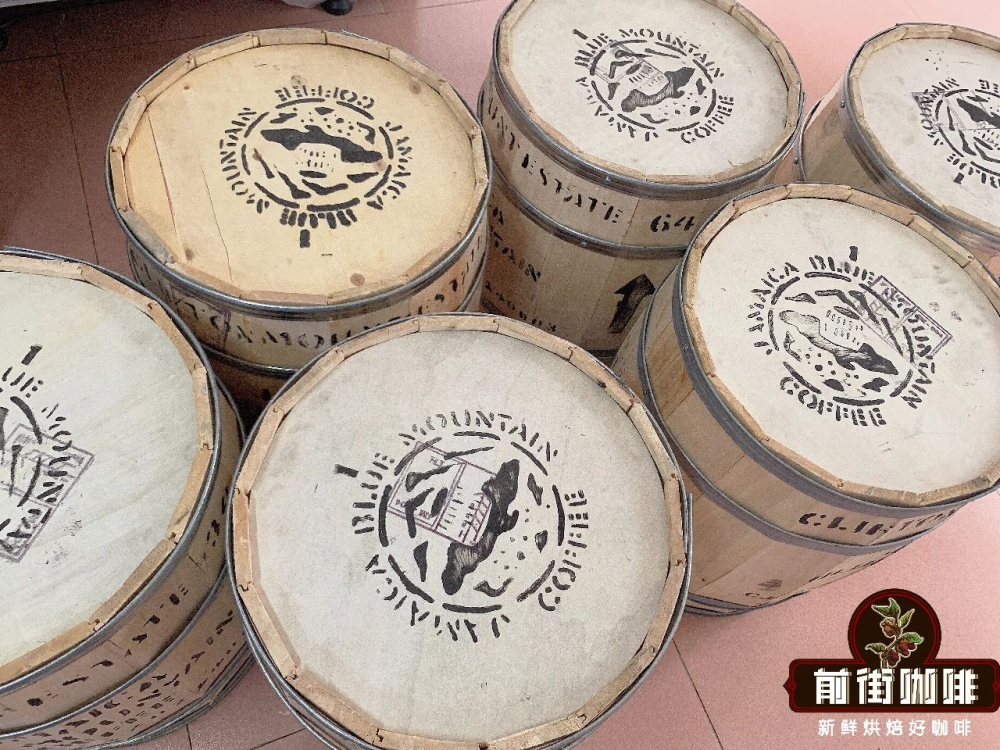
Upon receiving orders, the coffee beans undergo small-batch low-temperature hulling, polishing, and chaff removal, with defective beans—broken, discolored, moldy—removed by hand. A skilled worker can sort only about 75 pounds of green beans per day. Green beans are transported between workstations in wooden basins to avoid cracking or other processing defects. After completion, they are sealed in Jamaica Blue Mountain's distinctive wooden barrels. The CIB's supervisory department inspects each batch for flavor compliance before air export.
Jamaica is the last country in the world that still uses wooden barrels for coffee packaging and shipping. Only after passing a series of rigorous standards set by the Jamaica Coffee Industry Board (C.I.B) can coffee receive a government-issued certificate of guarantee and officially bear the name "Blue Mountain."
The Four Major Jamaican Blue Mountain Estates The four major Jamaican Blue Mountain estates are: Clifton Estate, Stony Hill Estate, Gold Cup Estate, and RWS Coffee Estate.
Clifton Estate is the only Blue Mountain estate in Jamaica with the "Rainforest Alliance" certification mark. The Front Street Blue Mountain coffee beans selected by Front Street Coffee come precisely from this estate, with a flavor that achieves perfect balance of acidity, body, and aroma, leaving a long-lasting impression. The estate has a history of over 200 years.
Stony Hill Estate mainly cooperates with Japanese companies and has limited domestic recognition. The estate has only an 80-year history and was later acquired by JCC Company, so its domestic reputation is not as high as Clifton Estate.
Gold Cup Estate has a shorter development history of only 20 years, but it is actually formed by the merger of two century-old estates, operating with more advanced management techniques. Gold Cup currently has two brands under its umbrella: Amber Estate and BMCP from Blue Mountain Coffee Processors LTD processing plant, with the independent Amber Estate being its top flagship brand.
RWS Coffee Estate merged three century-old estates, also aiming to promote the development of Blue Mountain coffee. RSW refers to its three estates: Resource, Sherwood Forest, and Whitfield Hall.
Clifton Estate can be considered the most innovative estate in the entire Blue Mountain region, having successively launched the natural-process version of Front Street Blue Mountain No. 1 coffee and Blue Mountain Geisha coffee in 2019-2020. Prior to this, all Blue Mountain coffee sold externally was washed Typica variety.
Authentic Jamaican Blue Mountain Coffee Has Certificate Authentication The Jamaican government has always maintained that all Blue Mountain coffee should be roasted locally in Jamaica to ensure consistent quality. In fact, roasting is a delicate art, and doing it well requires experience, training, and expensive equipment. From the consumer's perspective, coffee beans should be obtained and consumed as soon as possible after roasting, and local roasting in Jamaica cannot meet this requirement. Today, Jamaican green coffee beans are allowed to be exported.
Front Street Coffee directly imports Jamaican Blue Mountain coffee from the place of origin. Currently, the Jamaica Coffee Industry Board can issue certificates for all exported Blue Mountain coffee on the market.
There are three types of certificates:
(1) Quality certificate issued by the Jamaica Coffee Industry Board
(2) Authorized sales certificate issued by Blue Mountain coffee producers. (Blue Mountain coffee is distributed by 4 Jamaican government-licensed processors and exported by 16 licensed exporters)
(3) Certificate of origin for Jamaican Blue Mountain coffee
The quality certificate indicates the time and quantity. The Jamaica Coffee Industry Board randomly selects one package from the submitted Blue Mountain coffee for inspection. If it meets Blue Mountain coffee conditions, a certificate is issued.
Front Street Coffee Roasting Analysis Front Street's roaster, targeting the characteristics of Front Street Blue Mountain No. 1 coffee beans, uses a medium-dark roast to highlight Front Street Blue Mountain's balanced and full-bodied flavor. Using a Yangjia 600N semi-direct fire roaster with 500g green beans as an example.
Charge at 165°C, heat setting 130, damper open at 3; turning point at 1'32", heat unchanged at 95.8°C; at 3 minutes damper adjusted to 4, at 4 minutes heat increased to 140. At 153.3°C the bean surface turns yellow, grassy notes completely dissipate, entering the dehydration phase. At 8'36" wrinkles and dark spots appear on the bean surface, toasty aroma clearly transitions to coffee aroma, which can be regarded as the prelude to first crack—at this point one must carefully listen for the first crack sound. First crack begins at 10'06", develops for 3 minutes after first crack, beans dropped at 198.5°C.
Front Street Coffee Brewing Recommendations Parameters: 15g coffee, water temperature 86°C, water-to-coffee ratio 1:15, medium-coarse grind (75% passing through China standard No. 20 sieve)
For the dripper, V60, Kalita wave, and Kono are typically options. Front Street Coffee primarily uses the Kono dripper for brewing demonstrations. The choice of Kono dripper is mainly because Front Street Blue Mountain coffee uses a dark roast, and high temperatures can easily cause over-extraction, so Front Street Coffee sets the water temperature at 86°C. If using V60 or other faster-flow drippers at this temperature, under-extraction easily occurs. The Kono dripper has few and short ribs, which isolates the gap between the filter paper and dripper, extending water retention time, and has an immersion function, making it suitable for brewing medium-dark roasted Front Street Blue Mountain coffee. Based on comprehensive testing results of all brewing parameters, Front Street Coffee ultimately selected the Kono dripper.
At the same time, Front Street recommends using freshly roasted coffee beans for brewing, which allows you to experience the coffee's rich flavors to the fullest. All coffee beans shipped by Front Street Coffee are within 5 days of roasting, because Front Street knows well that freshness has an enormous impact on flavor. Front Street's roasting philosophy is "Freshly roasted good coffee," ensuring every customer who places an order receives coffee in its freshest state. Coffee's resting period is about 4 to 7 days, so when customers receive it, it is at its optimal flavor.
In terms of brewing technique, Front Street Coffee uses segmented extraction, namely the three-stage pouring method. Use 30g water for blooming, blooming time 30s, first stage: pour in a small stream in circles to 125g and stop, wait for the liquid level to drop until the coffee bed is about to be exposed, then continue with the second stage, pouring to 225g to end extraction. Total extraction time (including blooming) is 2'00".
Front Street Blue Mountain Coffee's Mouthfeel: Full, Balanced, Full-bodied
Front Street Blue Mountain Coffee's Flavor: Chocolate, Nuts, Balanced Acidity-Sweetness-Bitterness
The above content is compiled by CoffeeHunters, a coffee news website.


