







Search Results for: Rowland Heights

Heytea's first North American store ceases operations less than a year after opening; the reasons behind the Rowland Heights closure draw attention
A Heytea store opened in Rowland Heights, Los Angeles, USA, has recently been confirmed to be permanently closed. The store operated from its opening in September 2024 to the end of business on May 22, 2025, lasting less than a year. As Heytea's first store to shut down in North America, this news has drawn considerable attention and discussion among consumers. Regular customers were surprised by the sudden closure of a milk tea shop that once had long lines, while nearby residents said they had seen it coming. Factors such as the store's remote location, inconvenient parking, rental costs, relatively high drink prices, and intensifying competition from peers are considered possible reasons why the store struggled to survive. This article will review the course of events, consumer feedback, and the possible business challenges behind it, while also offering coffee and tea beverage enthusiasts selected recommendations from the Front Street brand. [more…]
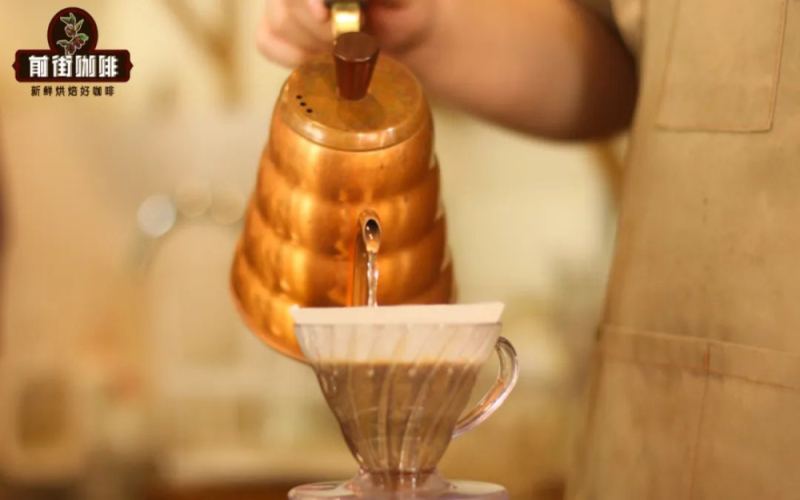
How Does Pour-Over Water Height Affect Flavor? Three Key Factors: Penetration, Heat Loss, and Verticality
The pouring height in pour-over coffee may seem like a minor detail, but it directly affects the penetrating force of the water stream, the rate at which hot water loses heat, and the verticality of the stream, ultimately determining extraction efficiency and the flavor in the cup. Some people prefer pouring from a high position, while others habitually keep the spout close to the water surface. Both approaches have their merits, but only by understanding the effects of different heights can you adjust flexibly according to the kettle type and brewing method you use. In this article, Front Street Coffee systematically sorts out the three core effects of pouring height and offers practical advice to help you avoid common problems such as uneven extraction and over-agitation, so you can brew a more stable and delicious pour-over coffee. [more…]

Why has the Starbucks pun gone viral online? The Cantonese version creatively plays with surname marketing
After Starbucks launched its Quick Order customization service last year, netizens began playing with homophonic puns in the name field, and surname puns quickly went viral, trending on Weibo. Over half a year later, this trend reached new heights in Guangdong thanks to Cantonese homophones, with all kinds of quirky yet down-to-earth names leaving people in stitches. This article takes you through the origins and explosive popularity of Starbucks homophone memes, showing how friends in Cantonese-speaking regions turned ordering into a hilarious creative contest, while exploring why these puns strike such a strong chord. [more…]
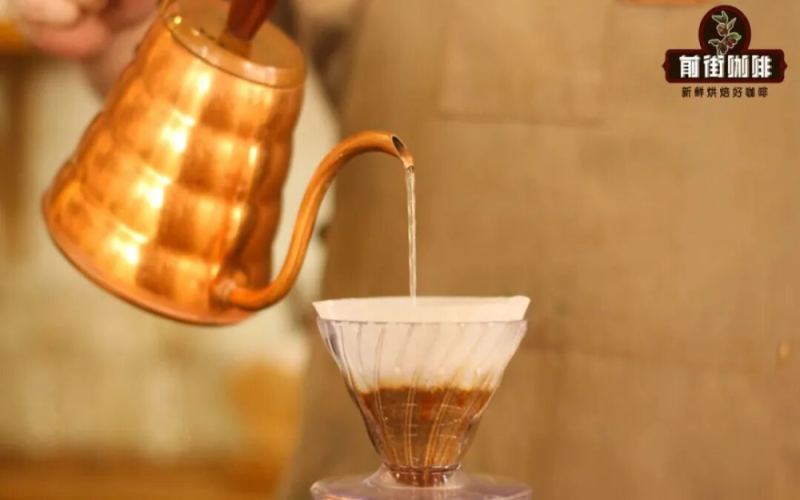
The Principles of Segmented Pour-Over Brewing and an Analysis of the Practical Effects of Pour Height on Flavor
Among the many variables in pour-over coffee, the pouring technique is the one most controllable by human hands, and the pouring height—a seemingly minor parameter—actually has a non-negligible impact on the extraction result. The distance from the kettle spout to the water surface determines the strength of penetration, the extent of agitation, and the degree of heat loss in the hot water, which in turn influences the balance of acidity, sweetness, and bitterness in the coffee. This article will systematically analyze the pros and cons of different pouring heights, explain why it is recommended to keep the height between 0 and 7 centimeters, and use brewing examples with Front Street Coffee . Huakui and Front Street Coffee . Brazil Queen's Estate to demonstrate how to flexibly adjust the pouring height at each stage according to the roast level and bean characteristics, so that the extraction result better matches the expected flavor. [more…]
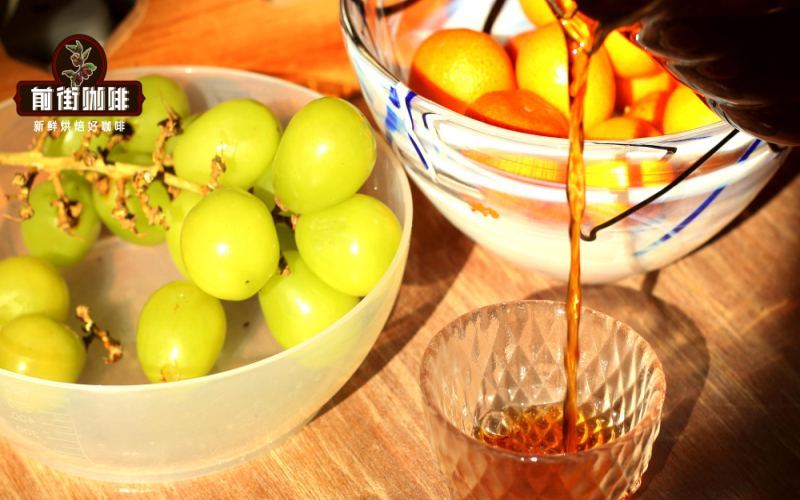
A Roundup of the World's Most Expensive Geisha Coffee Estates: The Sky-High Legends of Ruby, Esmeralda, and Sophia
Geisha coffee is hailed as the crown jewel of the specialty coffee world, and the Geisha produced by several legendary estates in Panama has pushed prices to astonishing heights. This article will guide you through the origins, auction prices, and flavor characteristics of the world's most expensive Geisha coffee, including the 90+ Ruby Vanguard that broke $1,000 per pound, the Hacienda La Esmeralda Red Label that is a perennial winner at the BOP auction, and Finca Sophia, which set a high-price record on its very first competition entry. At the same time, we will also introduce several Geisha products worth watching under the Front Street Coffee brand, from top-tier auction beans to everyday daily-drinker options, satisfying the needs of different enthusiasts. [more…]

From Accidental Hearts to 3D Patterns: The Evolution of Coffee Latte Art and Its Tools
Latte art, commonly known as "milk art," is the craft of creating exquisite patterns on the surface of a cup after espresso and steamed milk intermingle. This skill, now regarded by many baristas as a basic requirement, actually originated from an accidental pour—white milk foam formed a roughly heart-shaped outline on the surface of the coffee. Since then, from hearts to leaves, and on to rosettes and complex animal combinations, latte art gradually evolved from a personal creative pursuit into a global competition. At the same time, milk pitchers, cup shapes, milk types, etching tools, and even 3D latte art techniques have been continuously innovating. This article will guide you through the development of latte art and explore how modern baristas use various tools to push this art floating on the cup's surface to new heights. [more…]
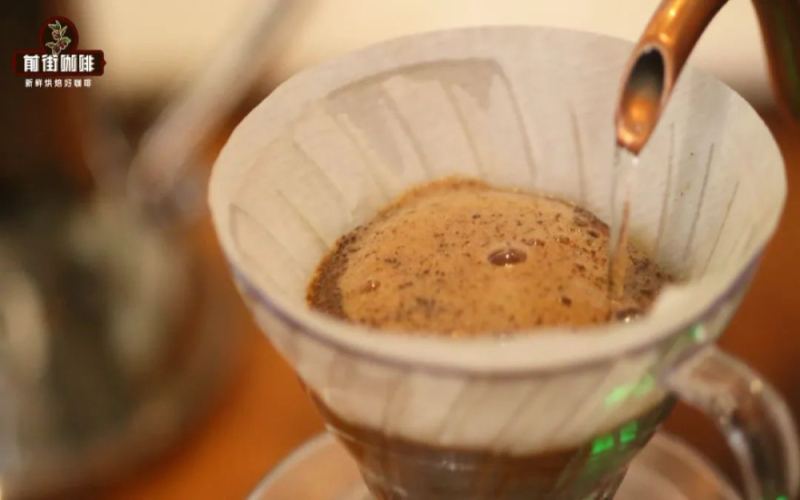
How Pour Height Shapes Pour-Over Coffee Flavor—A Practical Analysis of Extraction Force, Temperature, and Water Stream Verticality
When brewing pour-over coffee, do you tend to keep the spout close to the surface of the liquid, or pull out a long stream of water? Front Street has found that most enthusiasts' pouring height fluctuates between 0 and 7 centimeters. A seemingly tiny difference can profoundly change the flavor expression in the final cup through three aspects: penetration force, degree of heat loss, and the verticality of the water stream. This article will break down the actual effects of different pouring heights from a physical perspective, and combine them with Front Street's comparative experiment data to help you understand the pros and cons of high-position and low-position pouring. Whether you are a beginner pursuing stable extraction or an advanced player looking to refine your technique, you can find a pouring strategy that suits you. [more…]
Analysis of Colombia Finca La Esperanza Geisha Coffee Beans: Nectar Flavor and a Full View of Estate Cultivation
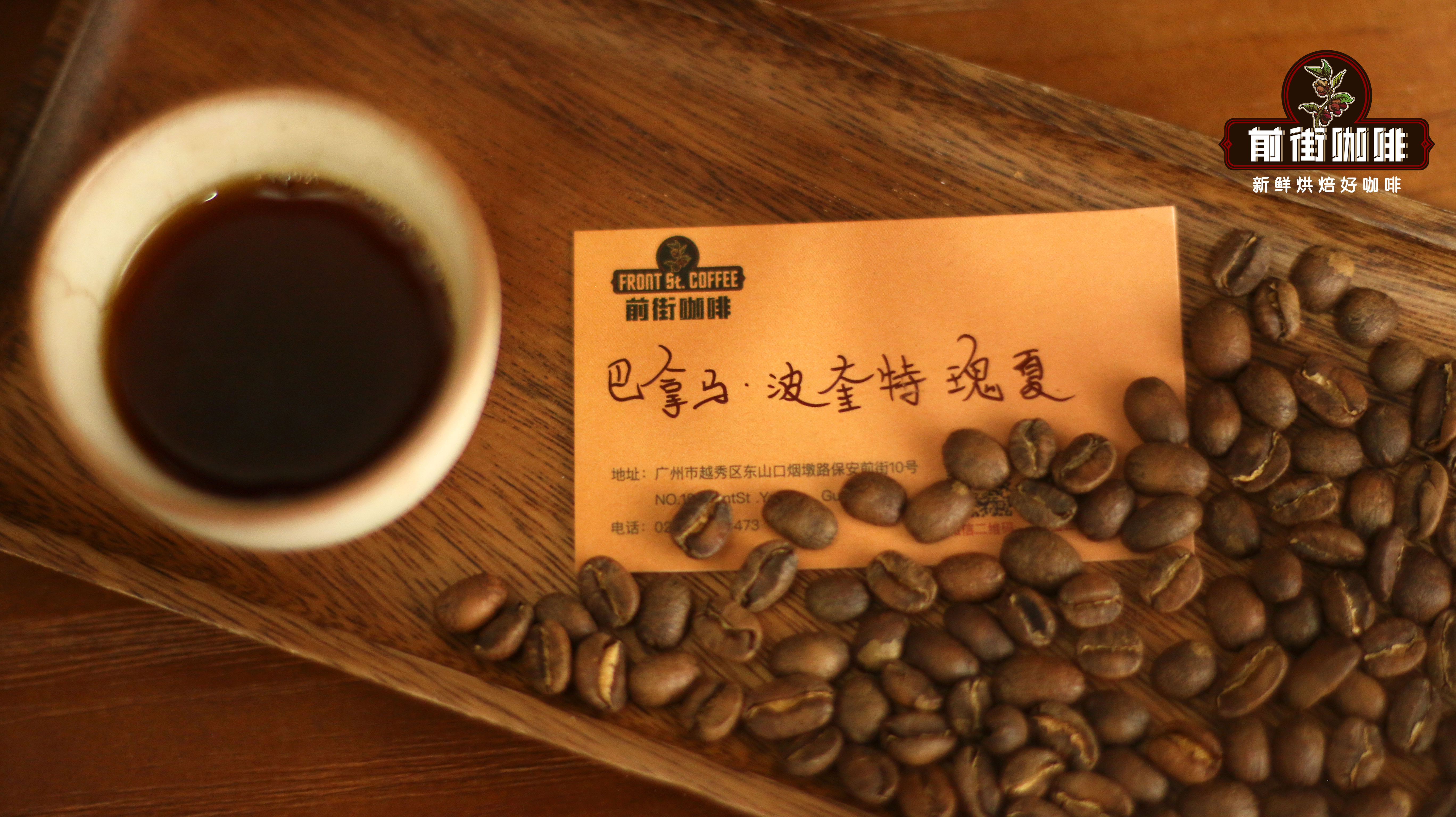
Geisha coffee has become a star in the specialty coffee world thanks to its unique floral and fruity aromas, and the natural-process Geisha produced at Colombia's Hacienda La Esperanza takes this variety's charm to new heights. This article starts with a cup of La Esperanza's Margarita plot Geisha, sourced through Front Street Coffee, to guide you through La Esperanza's history, the distribution of its five sub-farms, the terroir advantages of the Cauca Valley producing region, and the estate's relentless pursuit of variety experimentation, meticulous harvesting, and processing. If you are a Geisha enthusiast, or are looking for an outstanding Colombian single-origin bean, this article will provide you with a complete reference. [more…]
Finca Sophia: The Path of a High-Altitude Rising Star to the BOP Podium
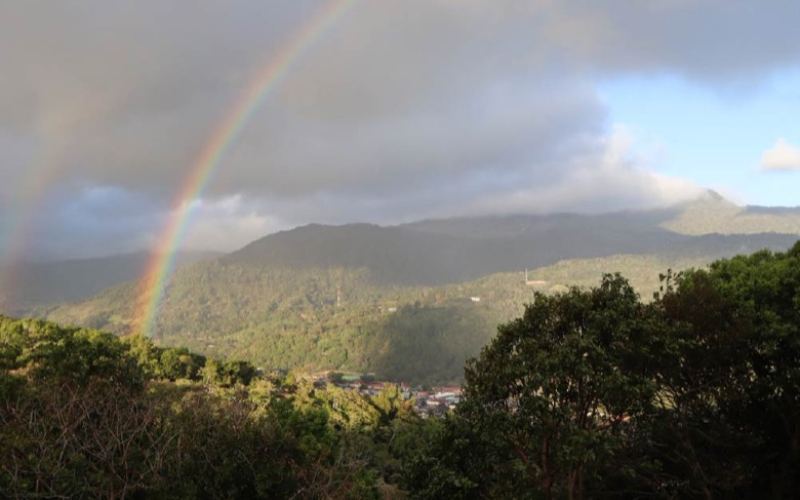
At the 2025 Best of Panama, Finca Sophia took two of the top spots at once: second place in the washed Geisha category (96.25 points) and third place in the natural Geisha category (96.25 points). For an estate established only in 2008, [more…]
A Complete Analysis of the Flavor Differences and Pros and Cons of the Origami Dripper with Different Filter Papers
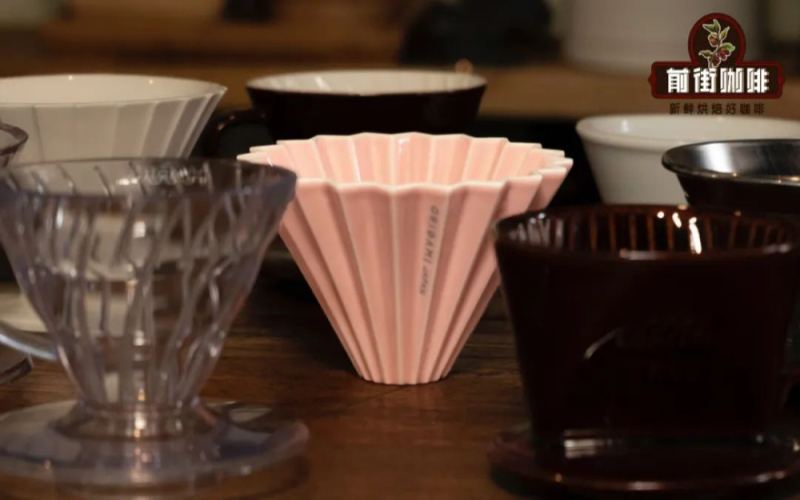
With its distinctive angular shape, the Origami dripper is highly recognizable among the many coffee drippers out there, and it can be seen in both coffee shops and world-class competitions. Designed by Yasuo Suzuki, this dripper's standout feature is that it can be paired with two different types of filter paper—conical and cake—and switching the paper directly affects the extraction rhythm and the final flavor direction. This article will start from the design origins of the dripper, combine a hands-on tasting with Geisha beans, compare the mouthfeel differences brought by the two types of filter paper, and objectively analyze the Origami dripper's strengths in terms of versatility as well as points to note when choosing a dripper stand. It also includes Front Street Coffee's store information, offering coffee enthusiasts a complete reference. [more…]
How Does Geisha Coffee Taste? Flavor Analysis of Deborah Estate Anaerobic Fermentation Natural Geisha
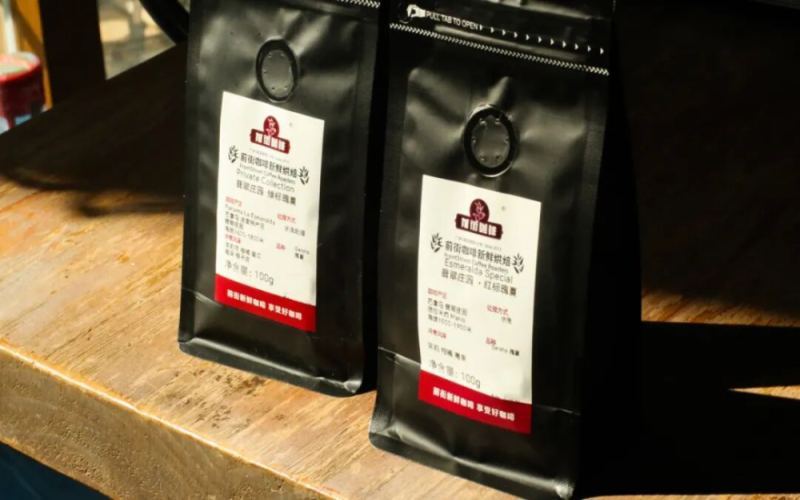
Geisha coffee has attracted much attention ever since it won the Panama BOP competition in 2004, and its delicate floral aroma and citrus-honey sweetness have captivated countless enthusiasts. This article focuses on Front Street Panama Geisha, first introducing the terroir advantages of the two major producing regions, Boquete and Volcán, then focusing on the grade classification and flavor performance of Hacienda La Esmeralda Red Label Geisha, and finally providing an in-depth analysis of Finca Deborah's anaerobic fermentation natural process—from high-altitude low-temperature slow ripening to 36 hours of sealed fermentation, dissecting layer by layer why this Geisha can present extremely sweet fruit and floral notes. Whether you are trying it for the first time or are a seasoned enthusiast, you can find clear guidance here for getting started with Geisha. [more…]

The trend of upcycling Luckin paper bags has sparked a wave of creativity, with netizens crafting free brand merchandise that has drawn official interaction.
When coffee packaging bags meet infinitely creative netizens, what kind of sparks will fly? Luckin Coffee's paper bags have recently become a new favorite among DIY enthusiasts, from simple doodles and handwriting practice to complex mini store models, all kinds of transformed works are emerging one after another. This craze has not only turned ordinary paper bags into personalized collectibles, but also attracted more than 2 million netizens to participate in the interaction, and even the official account couldn't help but like and repost. This article will take you through this creative feast triggered by paper bags, to see how consumers use their own hands to give brand packaging a second life, and what kind of marketing inspiration this spontaneous spread brings to the brand. [more…]
Analysis of Flavor Characteristics of the Pacamara Variety in El Salvador's Coffee Regions and the Hot Spring Processing Method
El Salvador is an important coffee-producing country in Central America, known for its exceptionally well-balanced coffee, which is graded according to altitude. This article will guide you through the regional characteristics and grading of Salvadoran coffee, with a focus on the origins and flavor profile of the rare Pacamara variety, as well as the unique process of using natural hot spring water to process green beans. It also reviews the ups and downs of the country's coffee industry under the influence of war and policy, and the changes in exports after the government promoted privatization. The article also mentions related product information recommended by Front Street Coffee. [more…]
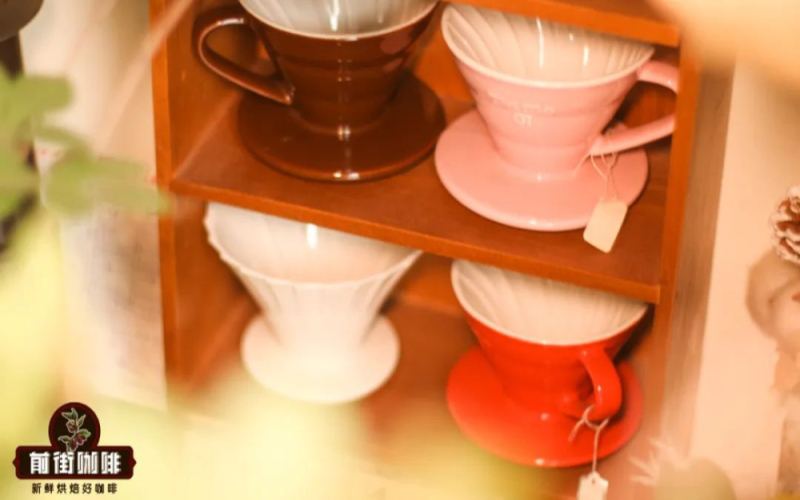
Design Highlights of the Ice Eye Dripper and Pour-Over Parameters: A Measured Comparison of Extraction Differences vs. V60
The Ice Eye dripper has gained considerable attention in the coffee community thanks to its striking appearance, but what truly deserves discussion is how its wall structure follows a completely different approach from common conical drippers. This article breaks down the design logic behind the Ice Eye dripper's three-layer wall, explains how the grooves affect flow rate and immersion time, and uses a comparative brewing experiment against the V60 to show how the same Emerald Estate Green Label Geisha expresses its flavors in the two drippers. At the end, complete pour-over parameters and Front Street Coffee's store information are included for readers to put into practice. [more…]
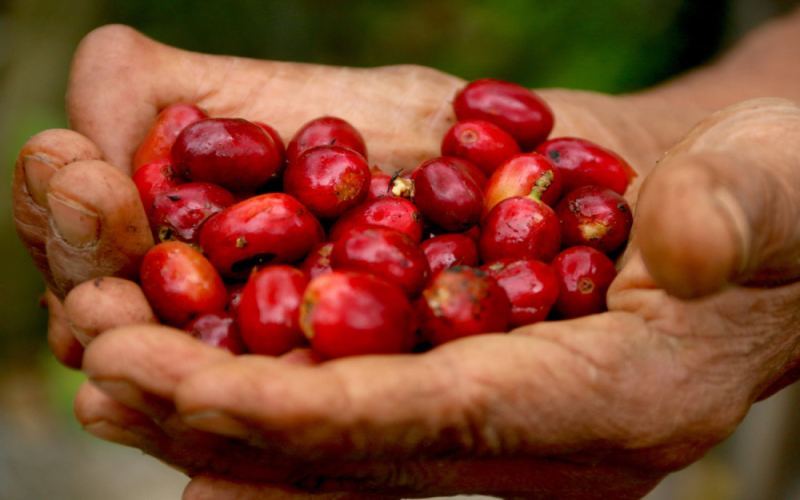
A Complete Analysis of Philippine Coffee Origins: Varieties and Distribution from the Cordillera to Mindanao
When people think of Asian coffee, they often first think of Indonesia's Mandheling or Vietnam's massive scale, but easily overlook the Philippines, which is also located in Southeast Asia. This country, made up of more than 7,000 islands, has fostered several distinctive coffee-producing regions thanks to its volcanic soil, tropical monsoon climate, and abundant rainfall. Currently, the Philippines mainly cultivates Robusta and Liberica, with Arabica accounting for only a small share. Producing areas are usually divided by island or administrative region, covering the Cordillera, Calabarzon, Mimaropa, the Visayas, and Mindanao, with the harvest period concentrated from October each year to March of the following year. This article will sort through the altitude, varieties, and distribution characteristics of each producing area one by one, introducing you to this underrated Asian coffee-producing country. [more…]

Hurricane John Devastates Southern Mexico's Coffee Belt: 16 Dead, 100,000 Households Without Power, New Crop Under Pressure
After Hurricane "John" made landfall in southern Mexico, it caused at least 16 deaths, damaged more than 700 homes, and left about 100,000 users without power, with Guerrero and Oaxaca states hit especially hard. More critically, 95% of Mexico's coffee production is concentrated in the south, and the current period is when coffee is fruiting; torrential rain knocked fruit off the trees, flooded coffee plants, and the risk of landslides compounded the damage, putting the expected increase in output for the 2024/25 season at risk of being revised downward. At the same time, global coffee prices are already at high levels due to reduced production in places such as Brazil and Vietnam, and with Mexico now hit by another climate shock, prices are unlikely to fall in the short term. [more…]

From Homemade Creations by Netizens to Bestsellers in Cafés: How Creative Coffee Rides Social Platforms to Reach the Masses
The internet has enabled the rapid spread of video tutorials and helped a wave of viral coffee creations stand out from "homemade coffee." Creative drinks such as Saturn Coffee, Waterfall Americano, Lava Iced Americano, and 400 Times Coffee have gone viral as netizens spontaneously recreate and share them, and have since been adopted by many cafés. These coffees often do not rely on a high technical threshold, but place particular emphasis on visual presentation—catching the eye first, then winning over the palate. Students born after 2000 have taken homemade coffee to new heights, using coffee liquid and freeze-dried powder paired with convenience store drinks and syrups to achieve low-cost coffee freedom in their dormitories. Against the backdrop of the pandemic and rising prices, the cost-effectiveness of homemade coffee has become more prominent. Although there is still a gap in flavor compared with professional cafés, it also confirms that coffee is accelerating its integration into daily life. [more…]

Have you ever seen coffee that is drunk upside down? Discover the unique sipping culture of Indonesia's Kupi Khop.
In the coffee world, it seems like everything can be reinvented in new ways, and even the way you drink coffee is no exception. Recently, a netizen shared a jaw-dropping drinking method on social media—placing the coffee cup upside down on a saucer and sipping it through a straw from the gap. This seemingly bizarre practice is actually a traditional drink called Kupi Khop from the Aceh region of Indonesia. What historical origins and cultural stories lie behind it? Why do locals still insist on this seemingly inelegant way of drinking? This article will take you on a journey to find out, while also exploring the unique flavors of Indonesian coffee and related recommendations from Front Street Coffee. [more…]
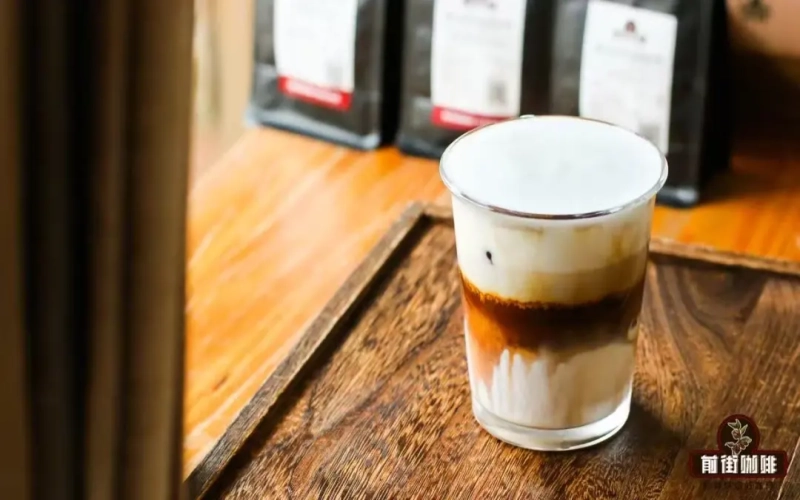
A New Way to Make Iced Cappuccino: Mixed Frothing and Teacup Presentation, with Detailed Parameters for Easy Home Preparation
The milk foam of an iced cappuccino is usually whipped separately and not blended with the coffee, which leaves the foam itself rather tasteless and instead highlights the bitterness of the coffee. So someone tried mixing all the cappuccino ingredients together and whipping them as one, and the result was a milk foam full of coffee aroma with a unique flavor. A coffee shop in Beijing used exactly this mixed whipping method, paired with a lidded-bowl presentation, and quickly went viral online. Today Front Street is sharing how to make this unique iced cappuccino; the ingredients are for reference only and can be freely substituted. This time we're using Front Street's classic espresso blend, a medium-dark roast blended from three origins—Indonesia, Brazil, and Vietnam—with notes of chocolate, caramel, cream, and nuts, and a rich crema. All you need to make it is a French press: combine a double espresso, chilled fresh milk, and syrup, then whip. It's simple to do and perfect for trying at home. [more…]
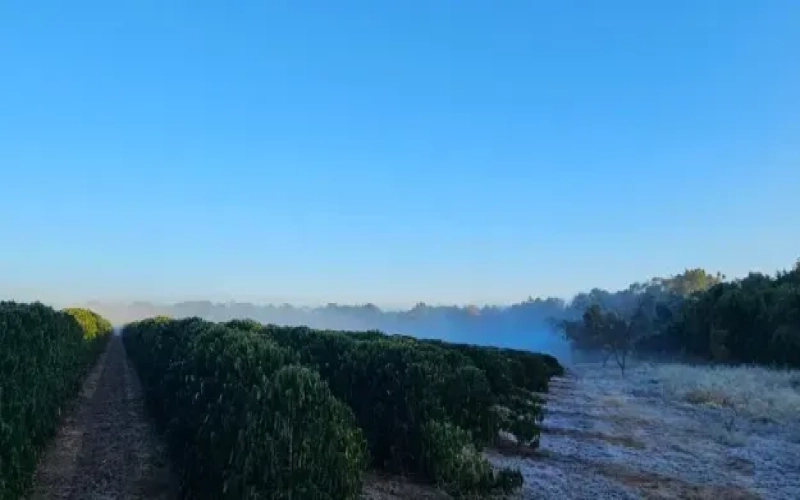
A cold wave and frost in south-central Brazil set record low temperatures, threatening coffee-growing regions and causing a sharp rise in futures prices.
Since last week, a strong cold wave has continued to sweep through south-central Brazil, with temperatures plunging below zero in many places, and the mountainous region of southern Minas Gerais even setting a new record for Brazil's lowest temperature. Snow and freezing rain have successively appeared in Santa Catarina and Rio Grande do Sul, and the Port of Santos was forced to suspend cargo operations due to severe sea conditions. Brazil's coffee harvest for the new season is now nearing its end, but the market is broadly concerned that frost will impact this year's crop and the growth of coffee in the 2025/26 season, especially in the mountainous region of Minas Gerais, which is dominated by Arabica cultivation. Affected by this, Arabica and Robusta coffee futures prices have soared sharply in recent days. Front Street Coffee will also continue to monitor weather developments in the producing regions and bring coffee lovers the latest analysis. [more…]