







Search Results for: Cantonese
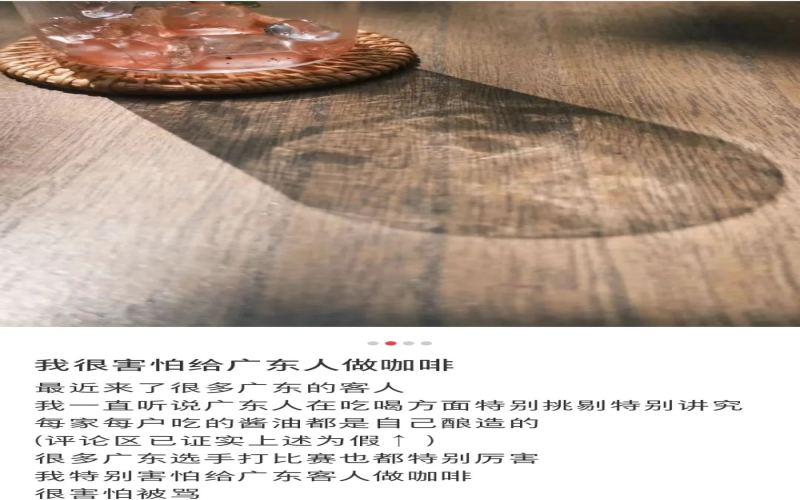
Hubei café owner worries Guangdong customers are too picky? Netizens respond with humor to ease regional food culture anxiety
A café owner in Hubei, having heard that Cantonese people are extremely particular about food and having seen Cantonese competitors shine in coffee competitions, couldn't help but feel nervous about serving customers from Guangdong. The post sparked humorous self-deprecation and warm explanations from Guangdong netizens, ranging from jokes about home-brewed soy sauce and growing coffee beans on rooftops to the creative idea of banxia americano, before finally clarifying that most Cantonese people are not coffee connoisseurs. The article presents an amusing dialogue arising from the clash of regional food cultures, while also conveying a reassuring message that coffee professionals need not be overly anxious. [more…]
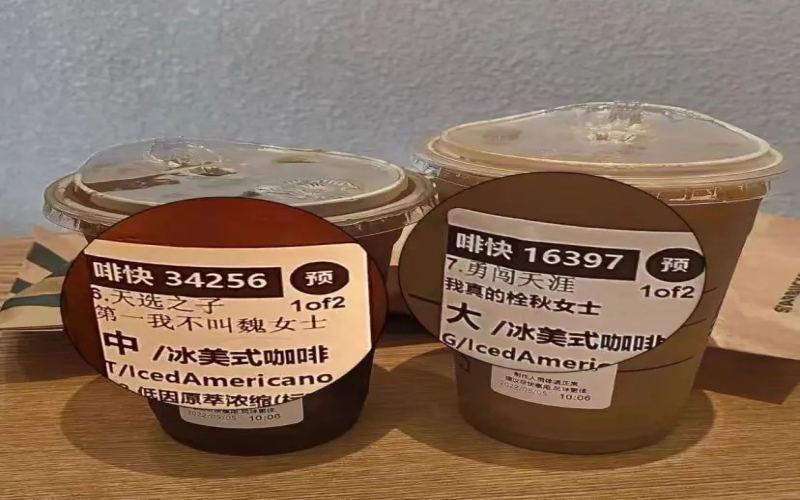
Why has the Starbucks pun gone viral online? The Cantonese version creatively plays with surname marketing
After Starbucks launched its Quick Order customization service last year, netizens began playing with homophonic puns in the name field, and surname puns quickly went viral, trending on Weibo. Over half a year later, this trend reached new heights in Guangdong thanks to Cantonese homophones, with all kinds of quirky yet down-to-earth names leaving people in stitches. This article takes you through the origins and explosive popularity of Starbucks homophone memes, showing how friends in Cantonese-speaking regions turned ordering into a hilarious creative contest, while exploring why these puns strike such a strong chord. [more…]

Wanglaoji's Waterfall Iced Cantonese-Style Drink Sparks Debate: Is Herbal Tea Crossing Over into Coffee Innovation or Anxiety?
Coca-Cola recently launched an herbal tea product called "Prunella vulgaris," but its name and packaging color scheme triggered collective misreading among netizens, many of whom associated it at first glance with the pesticide "paraquat." Meanwhile, Wong Lo Kat is also vigorously promoting "Waterfall Iced Cantonese Style" in its physical stores, combining concentrated herbal tea with fruit soda and ice, imitating coffee's visual appeal and sense of ritual. From Coca-Cola's naming mishap to Wong Lo Kat's attempt to turn herbal tea into coffee, traditional herbal tea brands all seem anxious to break through the limitations of their consumption scenarios. Are these crossover moves genuine innovation breakthroughs, or helpless measures by brands under performance pressure? [more…]
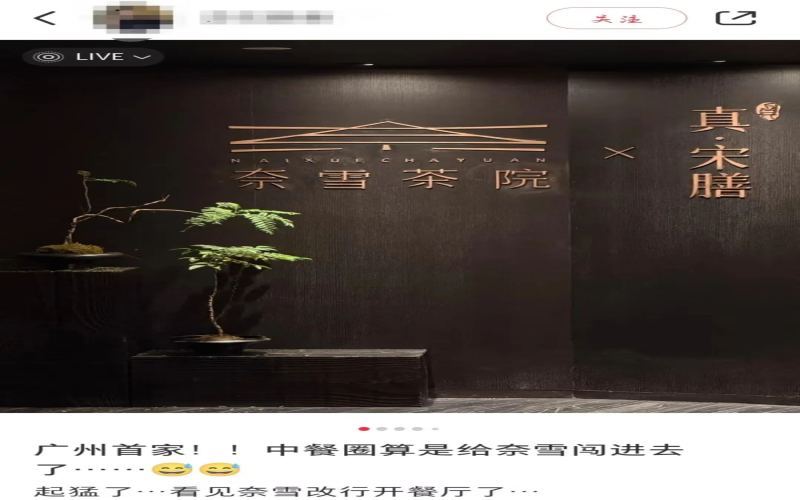
Nayuki Tea Courtyard's Guangzhou branch launches Cantonese cuisine fusion dishes, sparking heated discussion among consumers over the cross-industry move into Chinese dining
Recently, a netizen discovered a Chinese menu at a Nai Xue Tea Academy in Guangzhou, featuring exquisite morning tea dim sum and regional specialty dishes, which sparked widespread attention. Nai Xue Tea Academy is a brand under Nai Xue that focuses on the Chinese tea experience. It just opened its first Guangzhou store last month, also its sixth location and first step outside Shenzhen. The "Nai Xue Chinese restaurant" referred to by netizens is actually a Cantonese fusion cuisine space created by the store in partnership with Zhen·Songshan, allowing customers to dine while enjoying tea. However, the pricing and culinary positioning of the dishes have sparked controversy, with some consumers finding the value for money insufficient, while others pointed out that dishes such as crab roe-stuffed orange seem more like Jiangsu-Zhejiang cuisine. Against the backdrop of Nai Xue withdrawing from multiple locations, whether this cross-industry attempt will be accepted by the market remains to be seen. [more…]
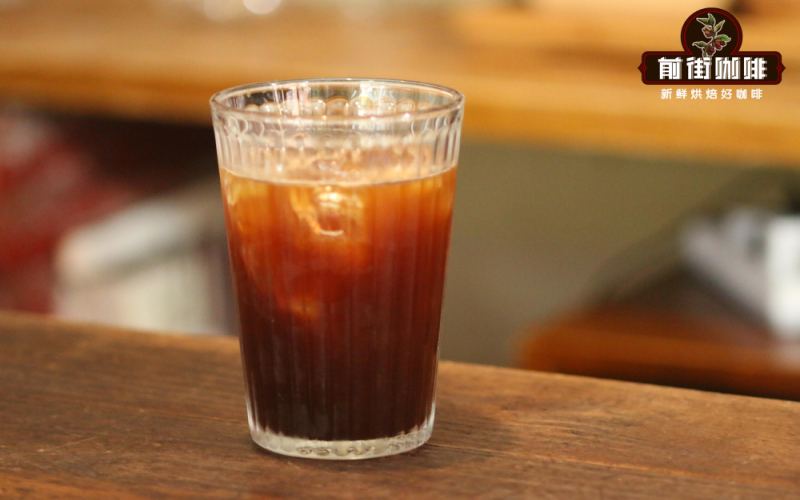
What Is Cantonese-Style Black Coffee? An Analysis of Its Differences from Americano and Pour-Over Black Coffee
In Guangdong, people call pure coffee with no milk and no sugar "zai coffee," which is what we usually call black coffee. This category of coffee covers Americano, pour-over, ice drip, cold brew, and pure coffee liquid obtained through various extraction methods such as the moka pot and French press. Among them, iced Americano, with its refreshing taste and low-calorie characteristics, has become a favorite for summer refreshment and for fitness enthusiasts. Starting from the definition, this article analyzes the similarities and differences between zai coffee, Americano, and pour-over, and shares how Front Street Coffee stores use their own blend beans to present a cup of well-balanced iced Americano, while also discussing the effects and precautions of drinking black coffee in moderation on health. [more…]
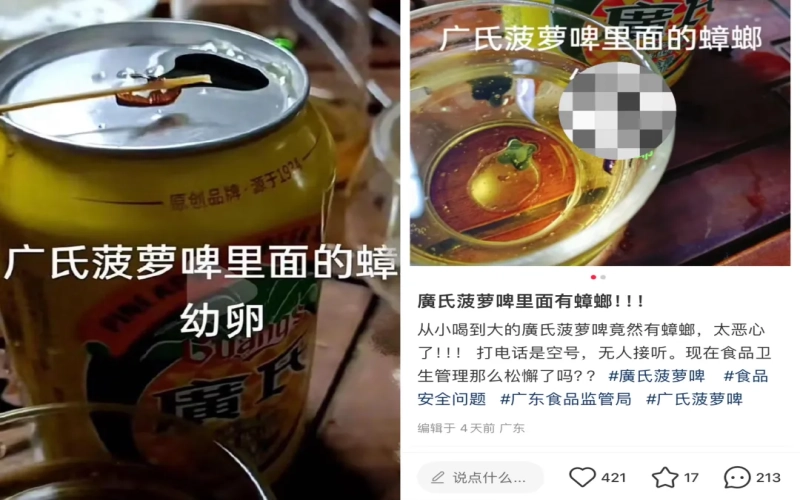
Cantonese pineapple beer reported to contain a cockroach, triggering a food safety trust crisis for a beloved heritage drink
Recently, a netizen posted online claiming to have found a cockroach in a can of Guangdong-style pineapple beer, an old domestic brand beverage purchased during the Mid-Autumn Festival, and the related photos quickly sparked widespread attention. The poster said that when pouring it out to drink that day, they noticed a foreign object resembling a cockroach larva at the can opening, and subsequently blurred the image as required by the platform. Many netizens in the comments expressed shock and even strong discomfort. Some netizens explained that the foreign object in the picture might be a cockroach egg capsule, possibly caused by cockroaches crawling in and laying eggs during storage. This Guangdong national drink, founded in 1934, carries the childhood memories of several generations, and this incident has deeply saddened many consumers. The manufacturer responded that the production process is strictly hygienic, the possibility of foreign objects is extremely low, and no complaint had been received through official channels. The truth of the incident remains to be verified, but food safety, as a bottom-line issue, has once again sounded the alarm of a trust crisis for an old brand. [more…]
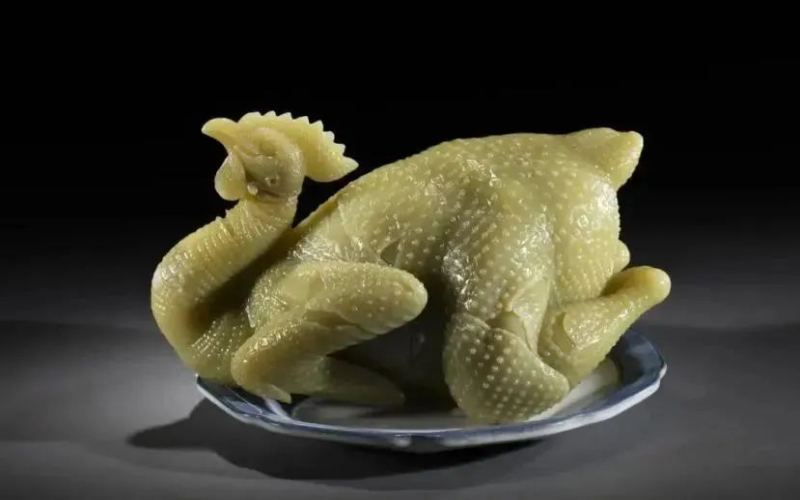
White cut chicken-flavored coffee sparks heated debate: why a charity coffee shop's creative intent turned into an online storm
Cantonese people's beloved white cut chicken has actually been turned into a cup of coffee? Recently, a video of "white cut chicken coffee" quickly went viral online, sparking heated discussion among many netizens. This drink, which mixes chicken, ginger, scallions, and garlic with milk and espresso, comes from an autism charity coffee shop in Guangzhou. It was originally an impromptu idea created during filming by employees and an autistic barista, intended to draw public attention to the autistic community in a lighthearted way. However, as the video was maliciously edited and widely circulated, criticism and abuse escalated continuously, deeply affecting the shop and the barista, who ultimately had to delete the original video. This article will reconstruct the course of events, explore the story and reflections behind this cup of coffee, and also recommend high-quality coffee products from the Front Street brand for coffee lovers. [more…]

Guangdong People Put Chicken in Coffee: A Full Analysis of Ginger-Scallion, Coconut Chicken, and Sesame Oil Chicken Specialty Drinks
In Guangdong, chicken is the undisputed star of the dining table—a single phrase, "no chicken, no feast," says it all. But can you imagine? Guangdong's baristas have actually poured ginger-scallion chicken, coconut chicken, sesame oil Qingping chicken, and even sausage and roast duck right into coffee cups. From ginger juice with cream to mimic the oily texture of chicken skin, to the essence of coconut chicken hot pot condensed into a single specialty drink, to sesame oil and vodka colliding to create the aroma of ginger-scallion poached chicken, these wildly imaginative creative coffees are upending people's understanding of coffee. This article takes you through tasting these "so weird you want to try them" Cantonese specialty drinks one by one, to feel the wondrous sparks struck by the collision of coffee and Cantonese cuisine. For more specialty coffee bean news, welcome to follow Coffee Workshop and Front Street Coffee. [more…]
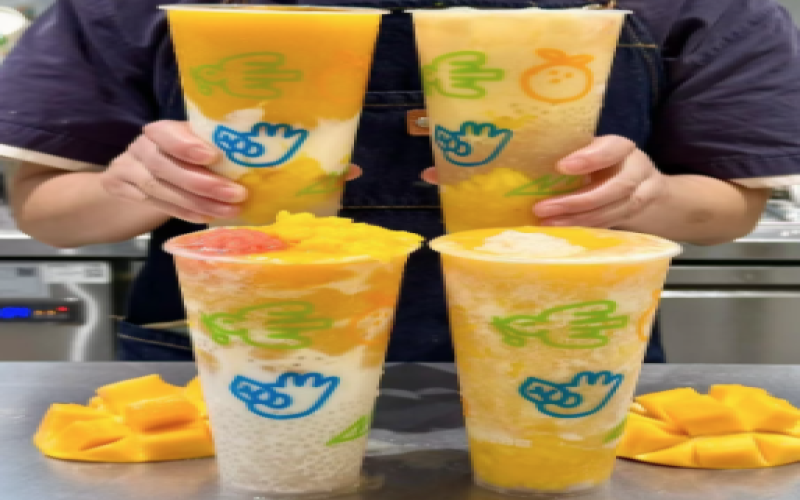
Seven-Point-Sweet Mango Pomelo Sago Specialty Store Debuts in Shanghai: Can Three Items Alone Continue the Hit-Making Legend?
Mango Pomelo Sago evolved from a Cantonese sweet soup into a cup drink, and with this single item, 7FenTian opened more than 1,500 stores nationwide. On September 30, the brand launched its first Mango Pomelo Sago specialty store in Longemont, Changning, Shanghai, selling only three products priced at 15-20 yuan. In the first week after opening, sales exceeded 10,000 cups and daily revenue surpassed 25,000 yuan. The store features a minimalist wood-toned style and emphasizes fresh handcrafting. However, consumer reviews were mixed: some praised it as the best Mango Pomelo Sago, while others criticized it for too much sago, a strong jam flavor, and insufficient complexity. Whether the specialty store model can sustain the hit product's vitality is worth watching. [more…]
How Can Puns Become a Powerful Brand Marketing Tool? An In-Depth Analysis from Heytea's "Duck Fragrance" to Starbucks' Surname Meme
In today's consumer market, homophonic puns are no longer dismissed as a cheap word game; instead, they have become the traffic code for major brands' advertising copy. From Heytea renaming Duck Shit Aroma to Duck Joy Aroma, to Starbucks playing with surname homophones and English double entendres, behind these clever one-character twists lies a deeper logic of strengthening brand memory and closing the distance with consumers. This article deeply dissects these breakout cases, exploring why homophonic puns can dominate the punchlines of all age groups, while reminding brands that playing with puns must be done in moderation, to avoid backfiring due to vulgarity or cheap cleverness. [more…]
Does Iced Americano Count as Black Coffee? A Complete Guide to the Flavor Characteristics and Health Benefits of Black Coffee
In Cantonese, "斋啡" refers to black coffee, which is a pure coffee beverage without any additives. As one of the most popular black coffees, iced Americano has a sweet-and-sour, refreshing taste with a mild bitterness, making it highly favored by office workers and fitness enthusiasts. This article will provide a detailed analysis of the flavor characteristics of iced Americano, its differences from hot Americano, and the benefits of moderate black coffee consumption in aiding digestion, relieving greasiness, reducing bloating, and boosting metabolism. At the same time, Front Street Coffee will also share the extraction ratio and flavor performance of its own Sunflower Warm Sun blend beans, and remind everyone that Americanos with added syrup and non-dairy creamer will bring extra calories. [more…]
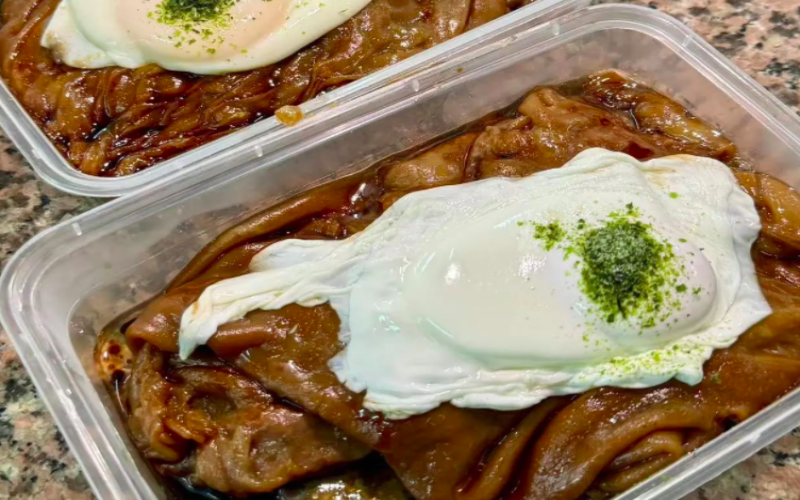
Coffee rice noodle rolls spark a quirky mashup trend, as a creative signature dish from a small Dongguan shop goes viral online.
A rice noodle roll shop in Dongguan, Guangdong, has blended espresso into rice batter to make the rolls, pairing them with beef and lettuce to create a "sun-tanned" version of Cantonese rice noodle rolls, which netizens have jokingly dubbed the "dark cuisine" of the rice noodle roll world. This specialty snack quickly went viral, drawing crowds of curious diners eager to give it a try. Reviews are sharply divided: those who can stomach it get hooked after one bite and are happy to buy it again, while those who can't flatly say they were put off. At the same time, food-savvy netizens have let their imaginations run wild, adding ingredients like milk tea, matcha, yogurt, and dragon fruit to rice noodle rolls, exploring a new-style approach where anything can be mixed in. This mixing trend even calls to mind the "Maillard rice noodle roll" born from combining coffee and rice noodle rolls, which has become the shop's eye-catching signature. [more…]

Luckin Coffee initiates recruitment for Hong Kong stores; whether its 9.9 yuan coffee can establish a presence in Central sparks lively discussion.
Recently, Luckin Coffee posted recruitment posters in Hong Kong, hiring store managers, assistant store managers, and baristas for areas such as Yau Tsim Mong and Central, with pay ranging from HK$65 per hour to HK$30,000 per month. The job requirements specifically note that applicants must understand Cantonese, and non-Hong Kong residents must hold an HKID to apply. Once the news broke, netizens were both looking forward to 9.9 yuan coffee coming south and engaging in heated discussions about Hong Kong salaries and the cost of living. At the same time, Cotti and Luckin's expansion paths in the SAR and overseas have once again drawn attention. [more…]
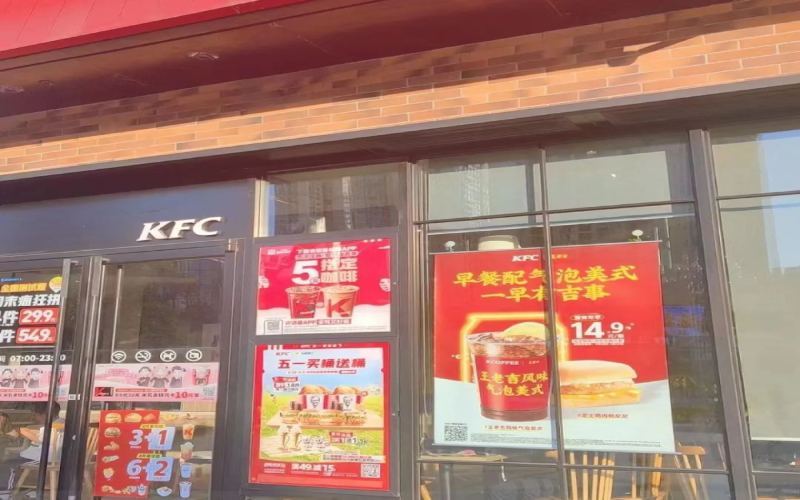
KFC Joins Forces with Wong Lo Kat to Launch Sparkling Americano: Can This Old-Brand Crossover Coffee Replicate the Moutai Latte Craze?
KFC's KCOFFEE continues to deepen its presence in the coffee sector and is about to launch a limited-edition drink in collaboration with the Chinese time-honored brand Wanglaoji — a Wanglaoji-flavored sparkling Americano. On one side is a Western-style fast-food coffee brand accelerating its expansion, and on the other is a representative of Cantonese herbal tea with nearly two hundred years of history. This collision of "Chinese and American herbal tea" has sparked considerable discussion. Yet before the new product even hit the shelves, netizens had already easily replicated it with Wanglaoji plus sparkling water. Can the consumer-friendly price of 9.9 yuan win over customers? What attempts has Wanglaoji made in recent years to appeal to young people? And can KFC replicate the success of Luckin and Moutai through this collaboration? This article will focus on this cross-industry cooperation, sorting through both sides' brand backgrounds, market situations, and collaboration highlights, for the reference of coffee enthusiasts. [more…]

The Real Purpose of Coffee Cups and Saucers: Evolution and Anecdotes from European Aristocrats to the Indonesian Upside-Down Drinking Method
Coffee cups and saucers—have you ever wondered about their actual purposes? Ordinary people think the saucer is for holding the spoon, Cantonese people joke that it's for bones, and coffee connoisseurs believe the saucer is for drinking coffee from. But the purpose of the coffee cup might surprise you—it's actually for filtering out grounds! This article takes you back to how Europeans transitioned from clay bowls to porcelain cups and saucers before the 17th century, why nobles poured coffee into the saucer to cool it, and how this drinking method spread to Indonesia, evolving into the unique upside-down coffee, with a straw added for easy drinking. Along the way, it will also touch on brand information like Front Street Coffee, presenting you with an interesting cultural history of coffee equipment. [more…]

A Guangdong Barista's March Creations: When Pour-Over Techniques Meet Herbal Tea Granules—Dare You Try These Signature Drinks?
In Guangdong, coffee culture and herbal tea tradition have collided to create an unexpected spark. When baristas apply professional techniques like pour-over and espresso to herbal tea granules such as Xiàsāngjú and Bǎnlángēn, what kind of wondrous beverages are born? This article introduces you to three wildly imaginative "herbal tea coffees"—pour-over Xiàsāngjú, espresso Qinghuǒ granules, and a Cantonese-style specialty. From 40°C low-temperature drip filtration to pressurized espresso machine extraction, every step is full of experimental spirit. However, a word of caution: these creative drinks may cause gastrointestinal discomfort, so please do not imitate them rashly. At the end of the article, there are also recommendations for professional coffee information channels such as Front Street Coffee, for enthusiasts to engage in deeper exchange. [more…]
Pros and Cons of Americano | Is Iced Americano Black Coffee? What Are the Effects and Benefits of Black Coffee? Is Americano High in Calories?
Black coffee, also known as "zhai coffee," means black coffee in Cantonese. So zhai coffee refers to pure black coffee with no additives whatsoever, such as the commonly seen espresso, Americano, iced drip, cold brew, and coffee extracted by various brewing devices all belong to zhai coffee, like siphon, French press, moka pot, and so on. Among them, iced Ameri- [more…]

Shenzhen Starbucks Woman Smashes Coffee Cups in Store After Being Refused a Cup, Taken Away by Police
Recently, a conflict between a customer and staff occurred at a Starbucks store in Shenzhen. A woman, after being denied permission to take a coffee cup from the counter, suddenly lost control of her emotions, throwing cups and materials around the store, and even hurling cups and signs at the staff. Video of the scene quickly sparked discussion after spreading on social media. Some witnesses said the woman also kicked and damaged items at the entrance and insulted others in English and Cantonese, and was eventually taken away by police who responded to the call. Netizens hold differing views on store rules for managing consumables, how customers are communicated with, and the boundaries of behavior in public places. This article summarizes the course of the incident and voices from various sides, and includes some thoughts on the daily operations of coffee shops. [more…]
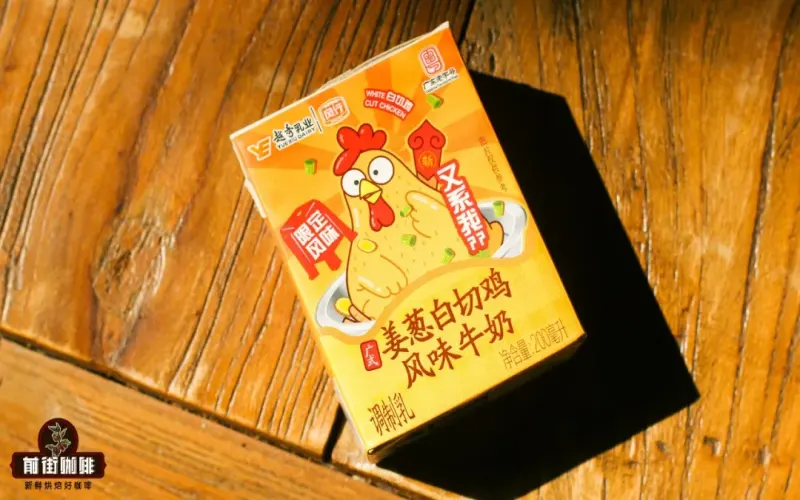
Ginger-Scallion Poached Chicken Flavor Milk Paired with Espresso: A Full Analysis of Parameter Ratios and Signature Drink Creation Ideas
Recently, a milk brand in Guangzhou launched a highly talked-about ginger-scallion white cut chicken flavored milk, combining the classic Cantonese dipping sauce flavor with milk, and it quickly sold out. Front Street Coffee also got its hands on this quirky product and tried using it to make a latte. This article documents the experiment in detail: two beans were chosen, Front Street Classic Blend and Strawberry Candy·Espresso, extracted as espresso at 20g dose, 1:2 coffee-to-liquid ratio, and 30 seconds. A 1:4 coffee-to-milk ratio was tested first, and the coffee flavor was found to be completely masked, with a heavy, cloying mouthfeel. Then it was improved to a 1:3:1 ratio of espresso, ginger-scallion chicken milk, and fresh milk, and the result actually tasted better than the milk itself, with the two beans showing different expressions of balanced richness and light sweet-tartness respectively. But the overall flavor was too unique, and most people would find it hard to accept, so Front Street recommends trying it with caution. [more…]
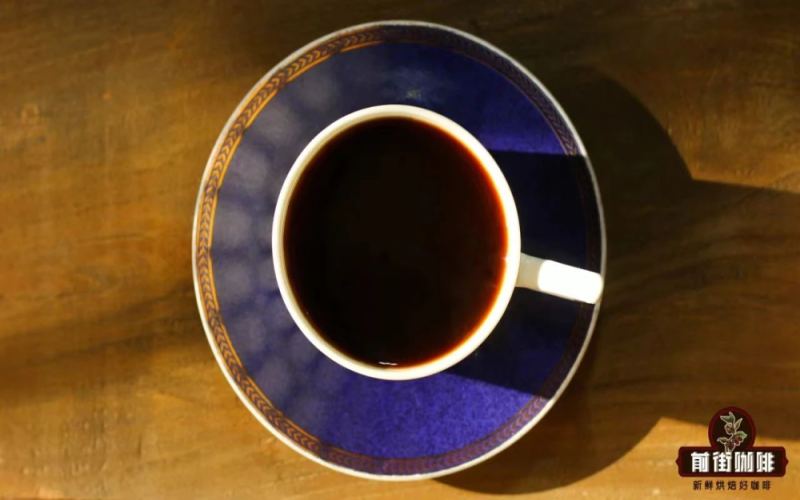
Are Plain Coffee and Black Coffee the Same Thing? From Americano and Latte to Coffee Bean Selection, Explained in One Go
Many people, upon first hearing the terms "original coffee" and "black coffee," wonder whether they refer to the same thing. In fact, original coffee is the Chinese expression for black coffee, derived from the English "Black Coffee," referring to pure coffee without milk, sugar, or flavored syrup. In Cantonese, it's called "jaai fe," while Shanghainese people habitually call it "qing ka." This article will revolve around this concept, first clarifying the relationship between original coffee and black coffee, then extending to introduce the preparation methods and differences of common categories such as Americano, espresso, and latte. Combined with the production practices of Front Street Coffee, it will explain the impact of different roast levels and regional beans on the flavor of Americano, helping you choose the cup that better suits your taste at home or in a shop. [more…]