







Search Results for: Cordillera
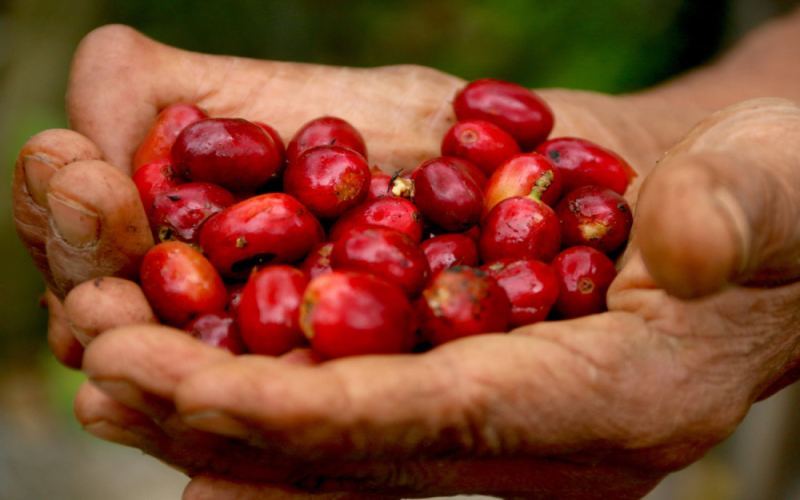
A Complete Analysis of Philippine Coffee Origins: Varieties and Distribution from the Cordillera to Mindanao
When people think of Asian coffee, they often first think of Indonesia's Mandheling or Vietnam's massive scale, but easily overlook the Philippines, which is also located in Southeast Asia. This country, made up of more than 7,000 islands, has fostered several distinctive coffee-producing regions thanks to its volcanic soil, tropical monsoon climate, and abundant rainfall. Currently, the Philippines mainly cultivates Robusta and Liberica, with Arabica accounting for only a small share. Producing areas are usually divided by island or administrative region, covering the Cordillera, Calabarzon, Mimaropa, the Visayas, and Mindanao, with the harvest period concentrated from October each year to March of the following year. This article will sort through the altitude, varieties, and distribution characteristics of each producing area one by one, introducing you to this underrated Asian coffee-producing country. [more…]
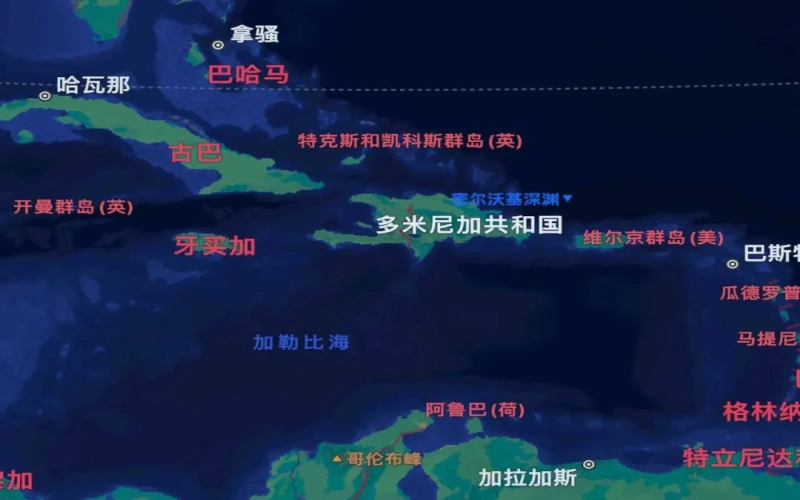
An Analysis of the Dominican Coffee Industry: Growing Regions, Cultivated Varieties, and Island Flavor Characteristics
The Dominican Republic is located in the eastern part of the Caribbean island of Hispaniola, sharing the island with Haiti. It boasts fertile soil, abundant rainfall, and numerous high mountains, making it an important coffee-producing country in the Caribbean. This article will begin with its geographical location, national flag and emblem, and climate and landforms, then systematically review the elevation, variety composition, and flavor characteristics of the Dominican Republic's four major coffee-producing regions, including Barahona, Cibao, the Central Cordillera, Neiba, and Valdesia, and introduce Front Street Coffee's recommendations for Dominican coffee. Whether you are a coffee enthusiast or a professional in the industry, you can gain insight into the unique charm of this island coffee-producing country. [more…]
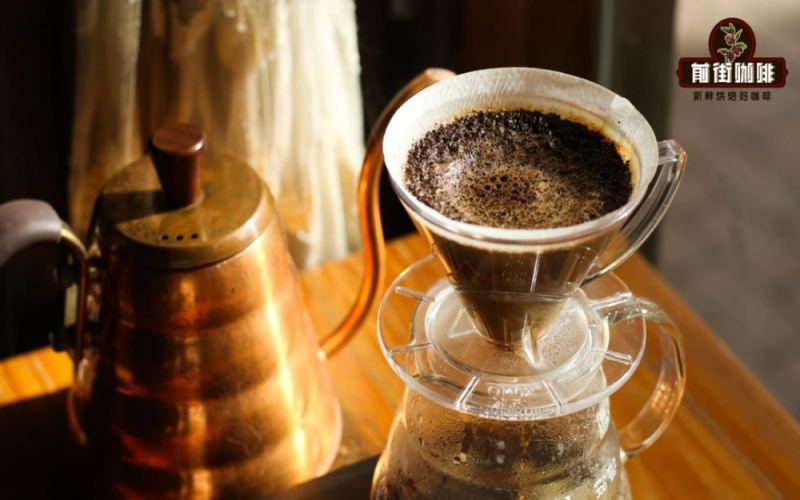
The Origin Story and Roasting Approach of Colombian Coffee Beans: From the Andes Mountains to Front Street Coffee's Cauca Cup of Excellence
Colombia is the world's second-largest coffee producer and one of the few origins whose country name is sold as a single-origin coffee. It lies at the foothills of the Andes, where three Cordillera mountain ranges run north to south, giving coffee diverse climates and year-round harvest conditions. This article reviews the historical threads of Colombian coffee, the characteristics of its main producing regions, and its quality advantages, and focuses on the Cauca Cup of Excellence lot recommended by Front Street Coffee, introducing its regional information, green bean characteristics, medium-dark roast target, and KONO dripper brewing parameters, helping coffee lovers understand the complete picture of Colombian coffee from origin to cup. [more…]
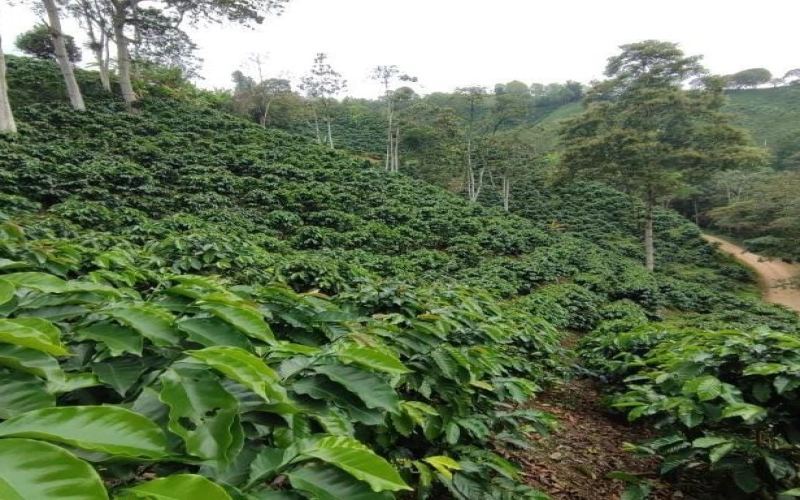
The History of Coffee Cultivation in Colombia and the Origins of the Geisha Variety: From Producing Regions to the Flavor Evolution of Hacienda La Esmeralda
Colombia is the world's second-largest coffee producer, and its coffee-growing history dates back to the Spanish colonial period in the sixteenth century. Today it has developed a dual structure of commercial Arabica in the north and specialty production areas in the south. Starting from Colombia's topography and microclimates, this article outlines its production regions, harvest seasons, and green bean grading system, and then takes an in-depth look at the legendary Geisha variety's wandering journey—from being discovered in an Ethiopian village, through Kenya and Costa Rica, to finally shining brightly at Hacienda La Esmeralda in Panama. Through cupping, Front Street Coffee has recorded Geisha coffee's full-bodied blackcurrant juice character, rich berry aroma, and red wine finish, giving you a comprehensive understanding of the terroir and stories behind this "green gold." [more…]
Colombian Coffee Pour-Over Guide: Flavor and Brewing Key Points of Specialty Beans from the Huila Region
Colombia is an important producer of high-quality coffee worldwide, and its Huila region is favored by pour-over enthusiasts for its balanced, smooth mouthfeel and consistent quality. Starting from the history of Colombian coffee, its producing regions, grading system, and flavor characteristics, this article sorts out why it has become a benchmark for specialty coffee, and combines Front Street Coffee's pour-over recommendations to help you better bring out the aroma and layers of Colombian Huila coffee. [more…]

Analysis of Flavor Differences Between Colombian and Brazilian Coffee Beans: Growing Regions, Grading Characteristics, and Taste Comparison
Colombia and Brazil are both pillars of the Central and South American coffee-growing regions, yet the two countries differ considerably in their growing conditions, flavor profiles, and market positioning. Colombia, with its dual ocean ports on the Atlantic and Pacific, its three Cordillera mountain ranges creating microclimates, and its high-altitude volcanic ash soils, produces Arabica coffees with bright acidity and refined flavors. Brazil, by contrast, with its flat terrain, lower elevations, and Bourbon varieties as its foundation, offers a balanced cup with notes of nuts and chocolate and a heavy body. This article systematically compares the differences between the coffee beans of the two countries from the perspectives of growing region distribution, cultivation environment, varieties and processing, and cupping flavors, and concludes with specific bean recommendations from Front Street Coffee. [more…]

A Comprehensive Analysis of Colombian Medellín Coffee Beans: A Guide to Regional Characteristics and Specialty Estate Flavors
Colombia is a major producer of high-quality Arabica coffee worldwide, and the microclimates along its Andes Mountains give rise to a diverse range of specialty coffees. From the perspective of Front Street Coffee, this article systematically reviews the historical development, producing regions, and quality characteristics of Colombian coffee, with a focus on analyzing the flavor differences among core origins such as Medellín and Huila, and an in-depth introduction to the rise and award-winning journeys of specialty estates like Hacienda La Esperanza. Whether you prefer delicate floral notes or a rich, low-acid cup, you will find your own Colombian flavor coordinates in this article. [more…]
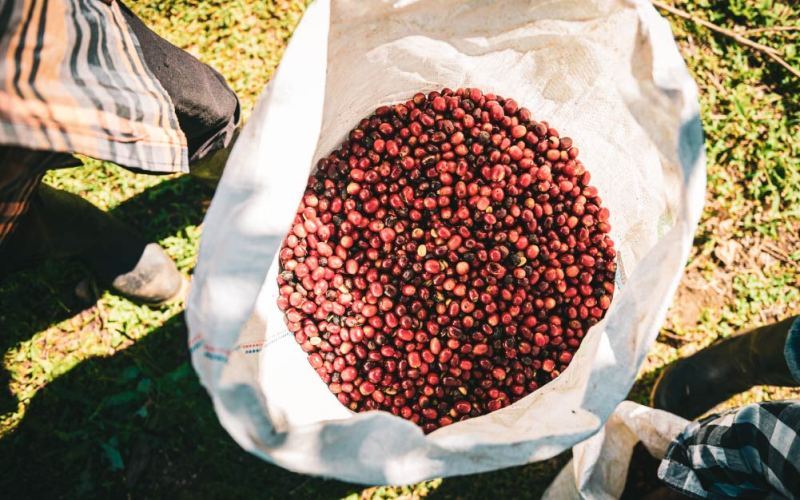
Overview of Colombian Specialty Coffee Regions: Terroir and Flavor from Huila to Tolima
Colombia, with the high altitudes, volcanic soils, and diverse microclimates of the Andes, has become the world's third-largest coffee-producing country. Among the country's 15 province-based growing regions, Huila is the most famous, while Tolima has risen to become the third-largest producing region. This article will review the geographical advantages of Colombian coffee, focusing on the terroir characteristics of Huila and Tolima, and also mention Front Street Coffee's everyday drinking bean series. [more…]
A Comprehensive Guide to Colombian Coffee: From Jesuit Introduction to Huila's Washed Flavors and Pour-Over Parameters
Colombia is the world's largest exporter of high-quality washed Arabica, and one of the few single-origin coffees named after a country. This article begins with its historical origins, the growing conditions of the Andes, the three major MAM production regions, and the distinctive characteristics of Huila single-origin coffee, then outlines the functions of the FNC association and the washed processing method, and includes Front Street Coffee's V60 brewing parameters and tasting notes. Whether you want to understand how terroir influences flavor or are looking for a well-balanced, sweet everyday bean, this article provides complete reference information. [more…]
An In-Depth Look at Colombia's Huila Region: From Coffee History to the FNC System and a Full Analysis of Flavor and Taste
Colombia is a major producer of high-quality Arabica coffee worldwide, and the Huila region is one of its most highly regarded specialty representatives. This article begins with the historical origins of Colombian coffee, outlining its industry position, geographical conditions, main producing regions, and the role of the National Federation of Coffee Growers of Colombia (FNC) in quality supervision and safeguarding the rights of coffee farmers. At the same time, the article will introduce Colombia's traditional washed processing method and, combined with the roasting and brewing practices of Front Street Coffee's Huila everyday beans, present its classic flavor profile—balanced, with prominent sweetness and notes of dark chocolate and citrus. Whether you are just getting into single-origin coffee or want a deeper understanding of the terroir of the producing region, this content provides a complete and practical reference. [more…]
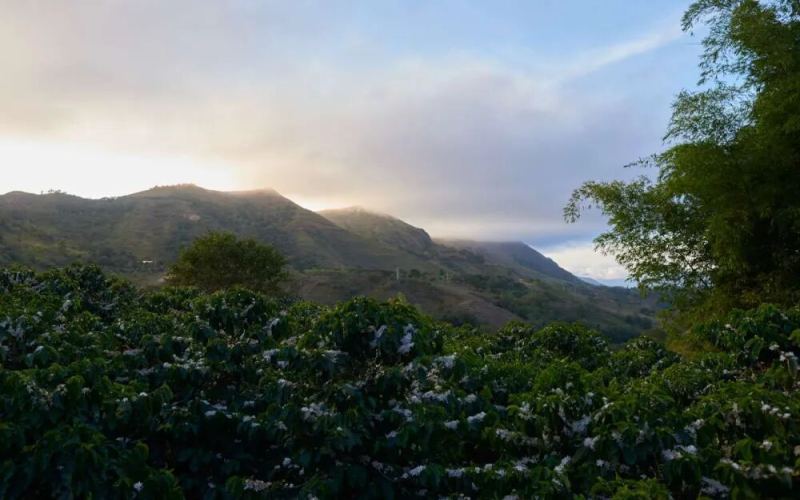
Colombian Coffee Beans | What Are Colombia's Specialty Coffee Regions? Why Does Colombian Huila Coffee Have a Chocolate Flavor?
Everyone who has visited a Front Street Coffee shop knows that Front Street offers a huge variety of coffee beans. For some beginners, this can actually be a bit unfriendly, because a wide selection often means consumers need broader coffee knowledge to choose the type they like. Fortunately, the baristas at Front Street are always patient in consult [more…]
Colombia · Huila Department: Balanced Sweetness of the Andes
Huila is Colombia's most prestigious specialty coffee region, and the coffee produced here is famous for its balanced acidity and sweetness, pronounced caramel sweetness, and clean cup profile. This article guides you through Huila's geography, varieties, flavors, and brewing. [more…]
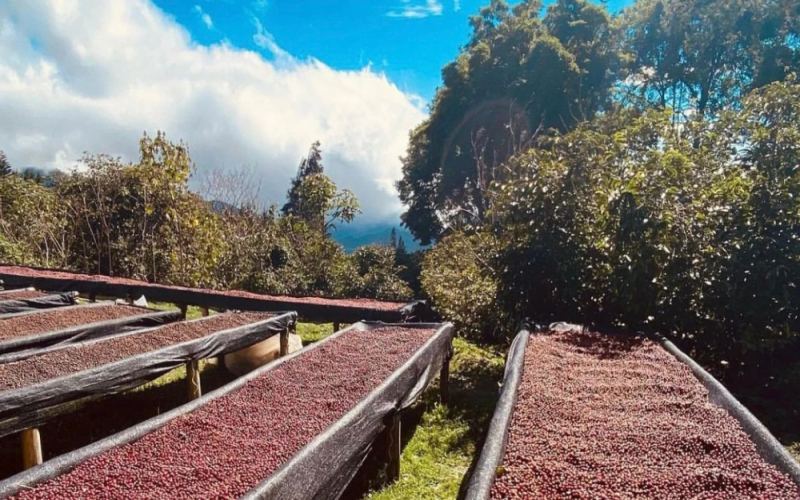
The Origin and Development of Panamanian Specialty Coffee: From the Terroir of Barú Volcano to Front Street's Butterfly
Although Panama is a small country, its unique terroir has given rise to world-famous specialty coffee. The Central Cordillera and Barú Volcano provide high altitudes and fertile soil, while the temperature difference between day and night and abundant rainfall shape the coffee's exceptional flavor. This article begins with Panama's origins and development, and recommends a great value choice—Front Street Coffee's Butterfly—a coffee blended from 70% Geisha, Caturra, and Catuai, with soft floral notes and citrus tones, making it an ideal choice for beginners. Whether brewed with a pour-over or a moka pot, it reveals a captivating aroma. [more…]
A Complete Guide to Colombian Coffee Flavor Profiles and Regions: A Practical Brand Selection Guide
Colombia is the world's third-largest coffee producer and the largest exporter of Arabica coffee beans. Its geographic proximity to Brazil and Panama has closely linked it to high-quality coffee. Three branches of the Cordillera mountains run north to south, and the high altitudes and volcanic ash soil give rise to coffee with unique flavors. This article will guide you through the differences between Colombia's commercial and specialty coffee regions, help you master green bean grading standards, avoid purchasing pitfalls, and get to know the fruity aroma, chocolatey sweetness, and caramel finish of Front Street Colombia coffee. [more…]
Colombian Narino Coffee Bean Flavor Analysis: Comparing Cauca and Huila Growing Regions and Quality Grades
Colombia, with its high-altitude coffee belt formed by three Cordillera mountain ranges, can harvest year-round without the threat of frost. Among these, the Narino region is renowned for its balanced and delicate flavor, featuring rich layers of apricot, grapefruit, and toffee, and is of SUPERMO quality. This article provides a detailed analysis of the flavor sources, microclimate conditions, and varietal advantages of Narino, and compares the characteristics and differences with the Cauca and Huila regions, guiding you to a deeper understanding of the diverse charm of Colombian specialty coffee. Front Street Coffee recommends several Colombian beans that are worth trying. [more…]
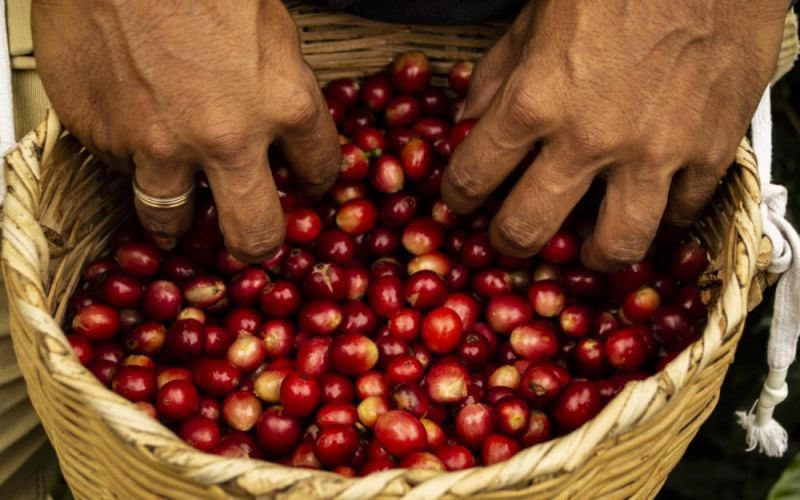
A Comprehensive Analysis of Colombian Coffee Bean Flavor Characteristics, Growing Conditions, and Green Bean Grading Standards
Colombian coffee, with its broad versatility, holds a place in both blending and single-origin fields, capable of handling the richness of a French press while also meeting everyday consumer needs. This article starts from the development thread, sorting out the producing regions, flavor characteristics, and growing conditions of Colombian coffee, explaining in detail the influence of the Central Cordillera and southern soils on coffee quality, and systematically introducing raw bean grading standards such as Excelso and Supremo. Finally, it presents two recommended bean selections—Front Street Coffee Washed Huila and Front Street Coffee Specialty Blend—suitable for pour-over, espresso, and various other brewing methods, helping enthusiasts gain a comprehensive understanding of the key points for purchasing and tasting Colombian coffee. [more…]
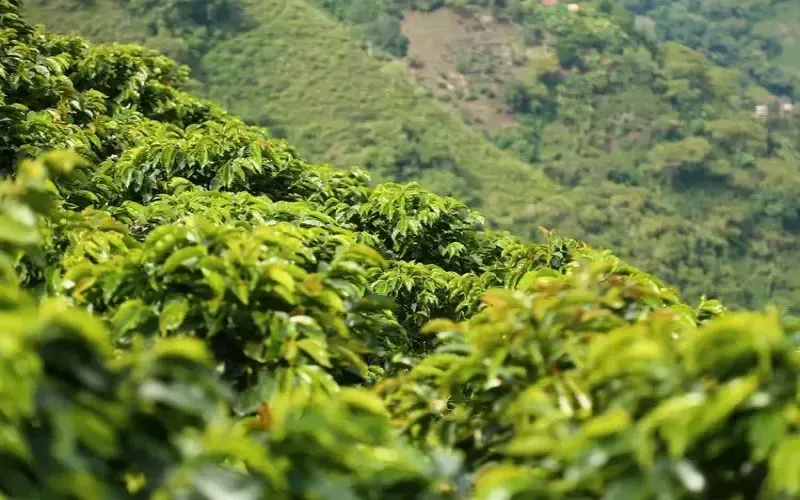
The Terroir and Grading Standards of Colombian Coffee: From the Andes Mountains to the Huila Region
Colombia is the world's third-largest coffee exporter. Thanks to the high altitudes of the Andes, volcanic-rich soil, and diverse climates, it produces Arabica coffee of consistently high and balanced quality. This article will introduce you to the distribution of Colombia's coffee-growing regions, the terroir advantages of Huila Province, and the Excelso grading standard for export-grade green beans. It will also cover the flavor profile of the Huila Caturra washed beans in Front Street Coffee's everyday drinking series, so you can experience the distinctive chocolate notes and bright fruity acidity of Colombian coffee. [more…]
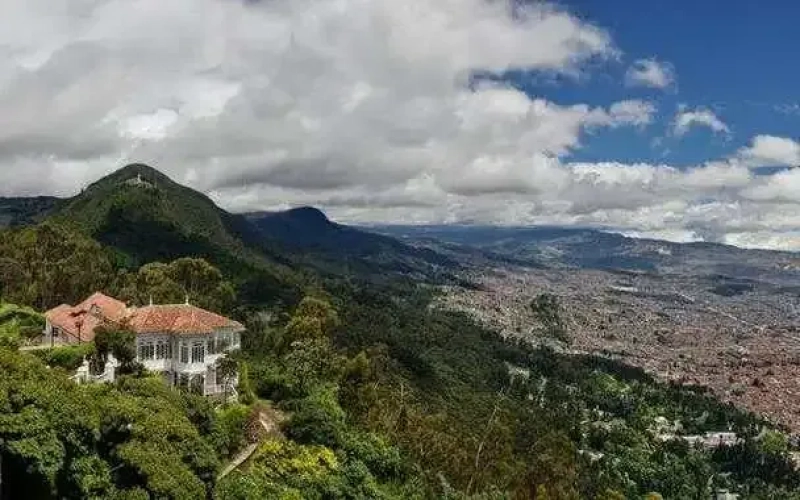
Colombia's Antioquia Coffee Region: From Historical Turbulence to the Rise of Specialty Chiroso
South America is an important coffee-producing region in the world. Colombia, with its three Cordillera mountain ranges and fertile volcanic soil, has become the world's third-largest coffee producer. Among its many producing regions, Antioquia stands out for both its output and quality. This article will begin with the ups and downs in Colombia's coffee history, trace the background of FNC's founding, and then focus on Antioquia's geographical advantages and La Palma estate, telling how the Echavarría family promoted the Chiroso variety and won 8th place with 89.39 points in Colombia's 2023 COE competition. Front Street Coffee will also combine the characteristics of the producing region to interpret for you its flavor potential and representative products. [more…]
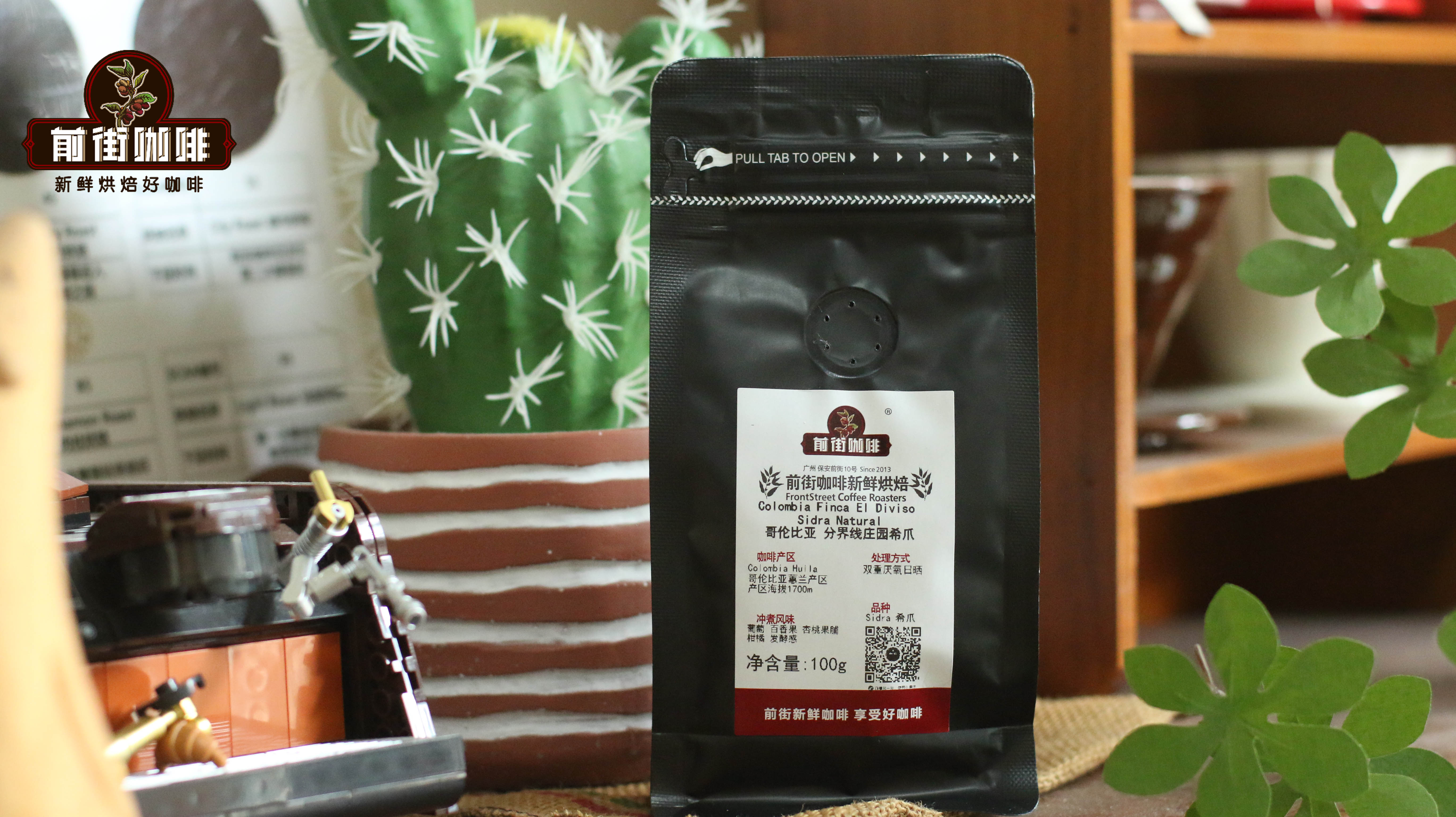
Flavor Analysis of Colombia's Five Major Specialty Coffee Regions: Key Points for Washed Coffee Brewing and Roasting
Colombia, with its advantageous location featuring ports on both the Atlantic and Pacific, has become a major coffee-exporting country in South America. Its specialty coffee is mainly concentrated in the Eastern and Central Cordilleras, as well as in the southern regions of Huila, Cauca, and Nariño. This article reviews the flavor characteristics of five producing regions—Medellín, Santander, Huila, Cauca, and Nariño—and includes roasting and brewing parameters for several Front Street Coffee Colombian beans, with specific recommendations for Rose Valley, Huila, Cherry Blossom, and others, for coffee lovers' reference. [more…]
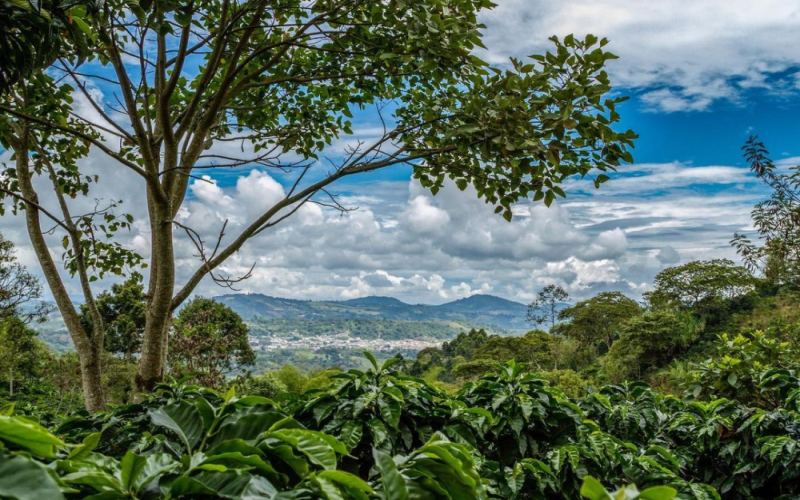
Analysis of the Causes of Acidity in Colombian Coffee and Its Flavor Differences from Brazil, Plus the Characteristics of Major Producing Regions and Varieties
Colombia enjoys the advantage of dual ports on the Atlantic and Pacific, making its coffee transportation costs far lower than other South American countries. Its producing regions are mostly distributed in the high-altitude areas of the Andes Mountains, creating coffees known for excellent acidity and distinctive flavors. This article provides a detailed analysis of the sources of Colombian coffee's acidity, compares its flavor differences with Brazilian coffee, and introduces one by one the variety characteristics and cupping flavors of core producing regions such as Medellín, Santander, Huila, Cauca, and Nariño. It also includes roasting and brewing recommendations for several Front Street Coffee Colombian beans, helping coffee enthusiasts gain a deeper understanding of the terroir charm of this major South American coffee country. [more…]