







Why Does Latte Art Depend on the Milk and Coffee Ratio?
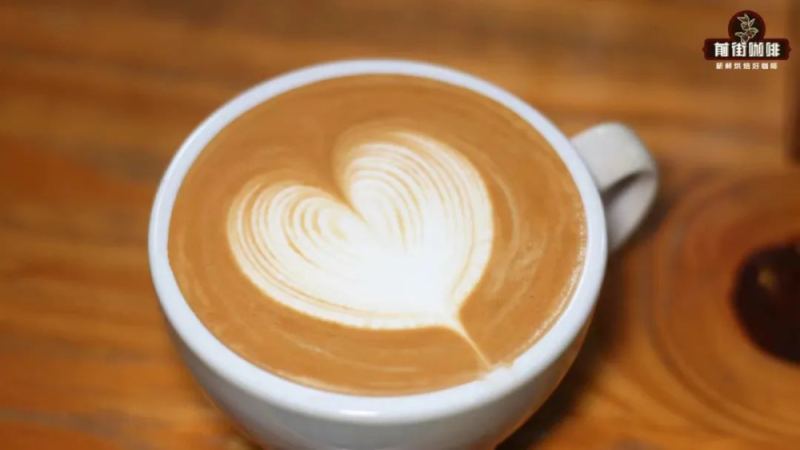
Latte art is the pattern left on the surface of a drink when espresso and steamed milk combine in the cup. It began in the 1980s, when David Schomer, working from a coffee cart in the United States, poured milk foam that landed in a rough heart shape. Customers liked it, he refined it, and the modern latte art movement followed.
Tracing the timeline helps explain today's range of patterns. Schomer developed the rosetta in 1992 and ran training sessions to spread the skill. Italy's Luigi Lupi exchanged videos with him and helped push the craft forward. Today the World Latte Art Championship features pouring plus etching tools, producing horses, owls, swans, butterflies and colored designs. The latte milk coffee ratio in each drink shapes how cleanly a pattern sets.
Latte art, commonly known as "milk art," is the craft of creating exquisite patterns on the surface of a drink after espresso and steamed milk merge in the cup. This skill, now regarded by many baristas as a basic requirement, originated from an accidental pour—white milk foam formed a roughly heart-shaped outline on the coffee's surface. From there, hearts gave way to leaves, then rosettes and intricate animal compositions, and latte art gradually evolved from a personal creative flourish into a global competition. At the same time, milk pitchers, cup shapes, types of milk, etching tools, and even 3D latte art techniques have continued to innovate. This article will walk you through the development of latte art and explore how modern baristas use various tools to push this floating art to new heights.
Latte art, called "milk art" in English, refers to the combination of espresso and steamed milk, using pouring techniques to leave patterns on the surface. The following article will guide you through the history of latte art's development.
In the 1980s, when David Schomer was making lattes in his coffee cart in the United States, he accidentally poured white milk foam into a shape approaching a heart on the coffee's surface. This unintended heart effect turned out remarkably well and was loved by customers. David then began to study it seriously, and after achieving a consistent heart, he also invented the rosetta. The coffee industry increasingly took notice of this technique, and the modern latte art movement was born.
Latte art is now considered an essential skill for many baristas, using fine, silky steamed milk to create various beautiful patterns on the surface of coffee. The earliest latte art consisted only of hearts, then gradually developed into images like leaves, and now there are even more complex and exquisite patterns such as flowers and animals.
In 1992, David also developed the rosetta, and began holding training sessions to popularize latte art. In Italy, there was also a famous latte art pioneer named Luigi Lupi, who connected with David online and exchanged latte art videos to improve together.
Later, at the World Latte Art Championship, through pouring and etching techniques, many animal patterns emerged, such as horses, owls, butterflies on flowers, swans, and other composite designs, along with colored latte art—no longer just the traditional mix of espresso crema and milk. Latte art became a world-class competition that the industry took seriously, and it attracted many people to fall in love with coffee. In terms of expanding the coffee industry's influence, latte art has been a major contributor.
With the development of specialty coffee, latte art techniques have become increasingly diverse. Baristas pay more and more attention to this skill, and they have begun to delve into this art form that floats on the surface of coffee. Besides improving their technique, they also upgrade their "weapons."
1. Milk Pitcher
Milk pitchers on the market today come in a wide variety, with different spout shapes, grooves, capacities, and weights. A latte art pitcher is no longer just a container with a pointed spout for steaming milk. Different spout shapes can effectively control the flow rate of milk foam being poured into the coffee.
2. Coffee Vessels
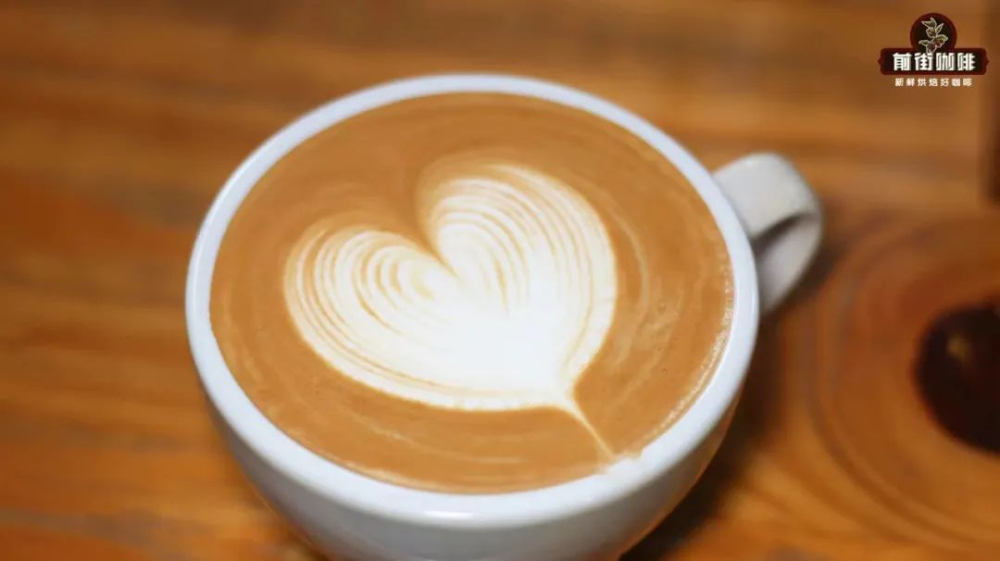
There are now many different latte cups—round-bottomed, flat-bottomed, glass, ceramic, and various other shapes. Different cups offer different improvements in terms of milk-coffee integration, flow rate, and the surface level when the cup is returned.
3. Milk
Besides regular milk, there are now many different kinds of milk—skim milk, oat milk, formulated milk, purified milk, and more. Different milks steam to different degrees.
4. Etching Needle
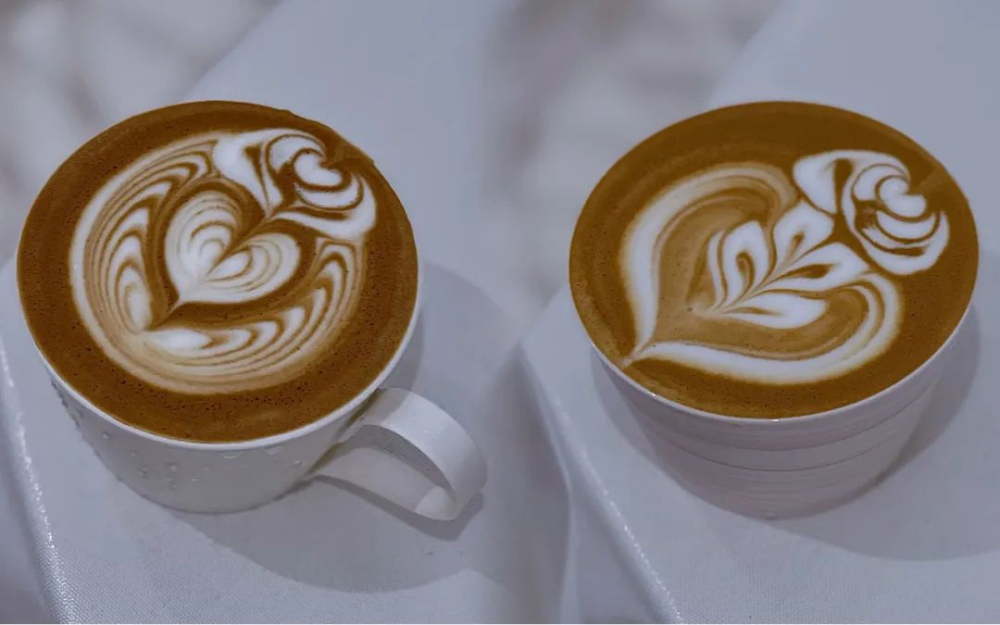
Etching requires the "etching needle" as an auxiliary tool. The etching needle has two differently shaped ends: the sharp end is mainly used for drawing lines, while the other end is a spoon used for creating larger patterns. Baristas first steam the milk, pour it into the espresso to create the basic pattern, then use the etching needle for detail work, which allows them to complete relatively difficult designs.
5. 3D Latte Art
Everyday latte art is usually a flat pattern, but by varying the thickness of the steamed milk foam, a three-dimensional effect can be created. First steam thick milk foam, use a spoon to layer the foam bit by bit to build a 3D effect, then use an etching needle dipped in some chocolate sauce to draw the pattern. The result is an amazing piece of 3D latte art.
- END -
The above content is compiled by CoffeeHunters, a coffee news website.


